
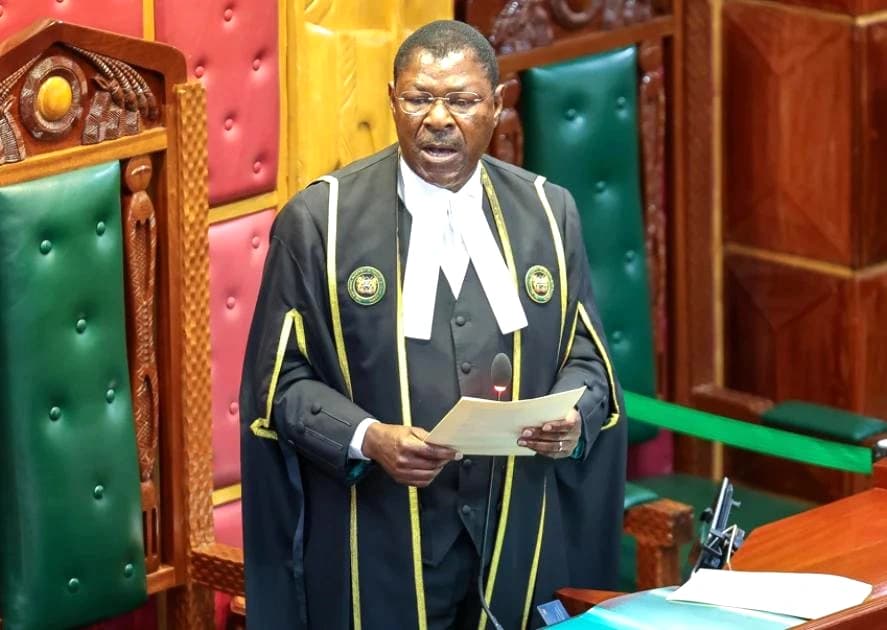


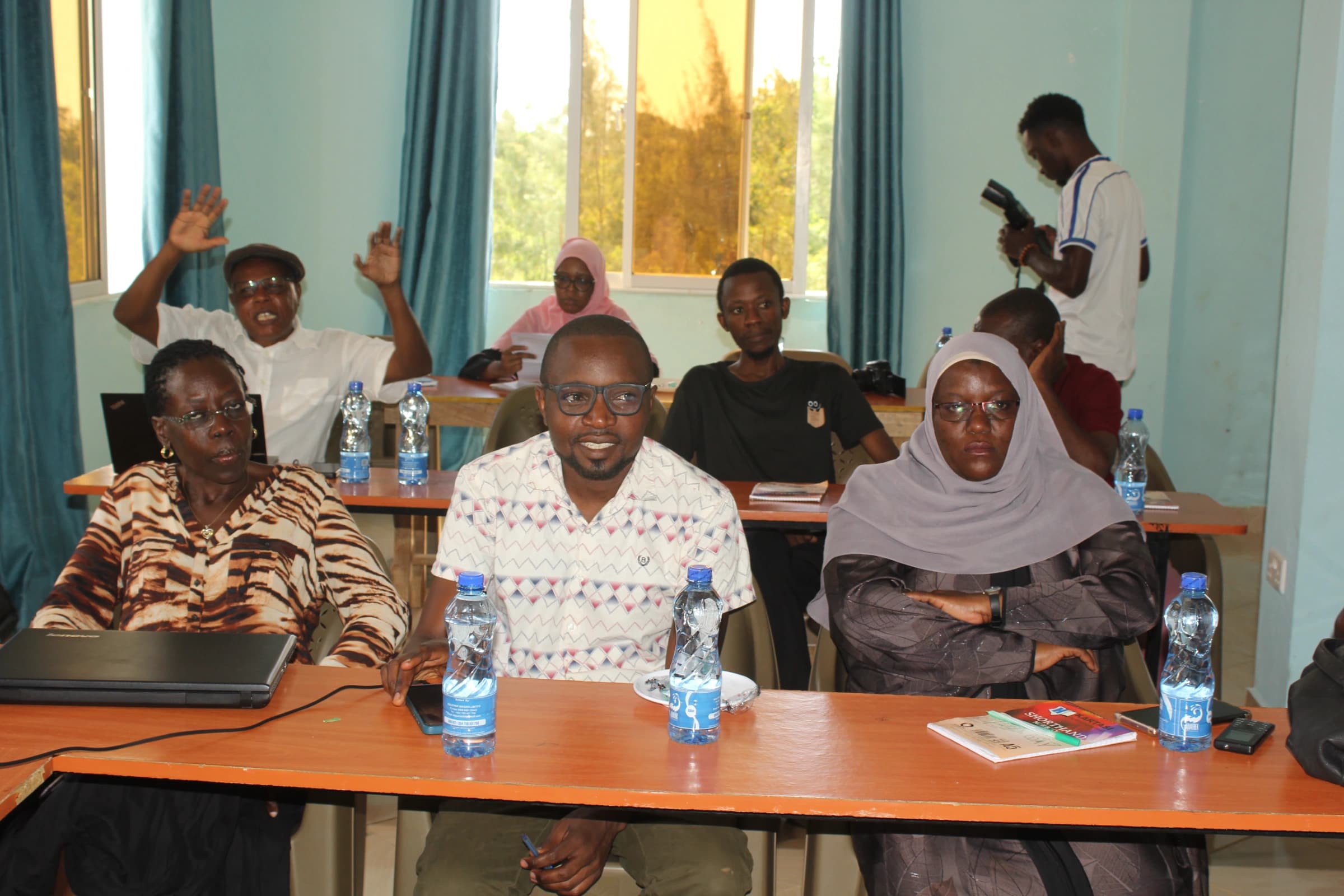



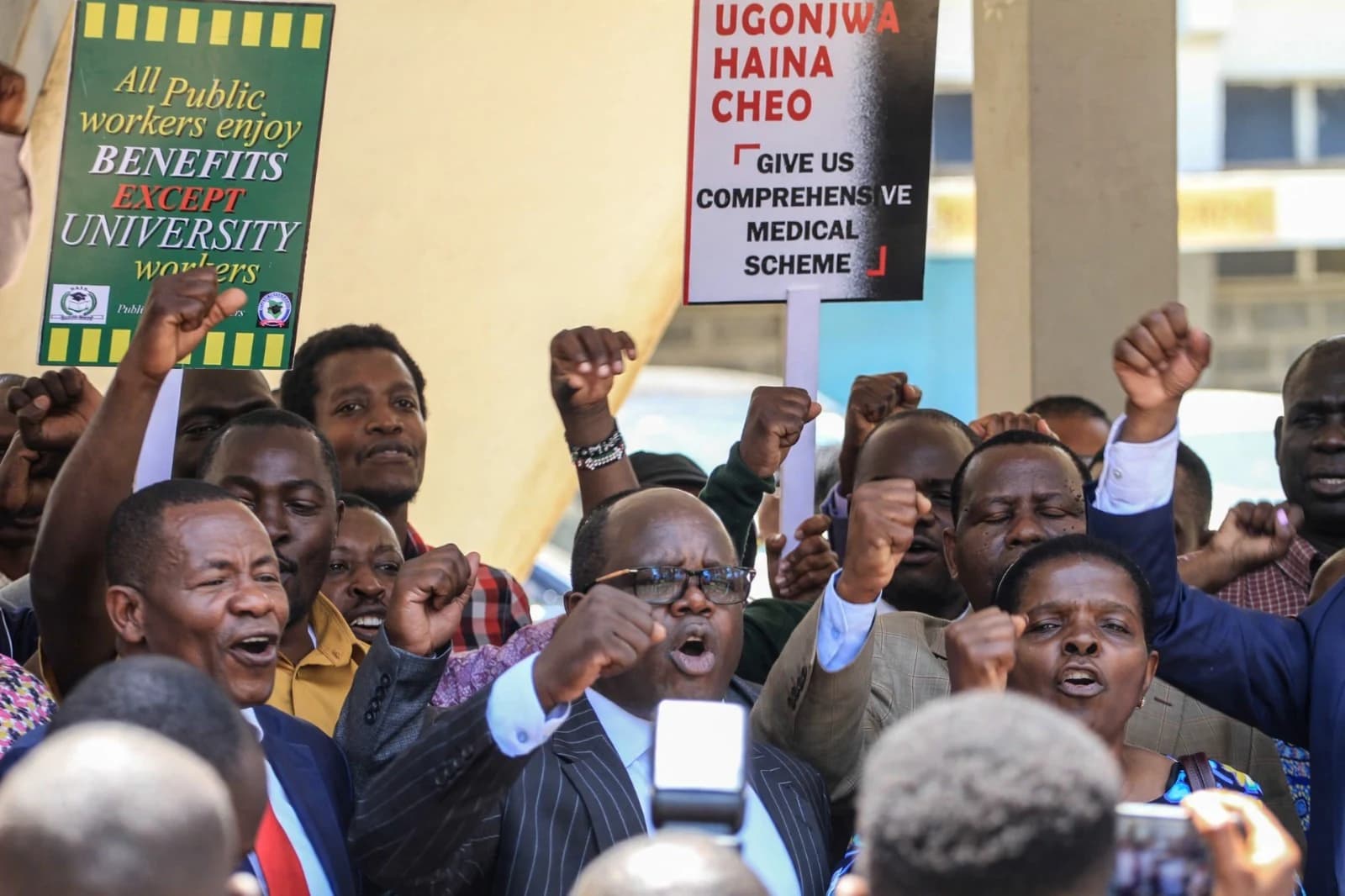
Striking university lecturers on Thursday, October 15, 2026, took their fight over pay, working conditions and university funding to the streets of Nairobi and presented a petition to the National Treasury. The nationwide strike has entered its second week amid a reported shortage of 25,000 academic staff.
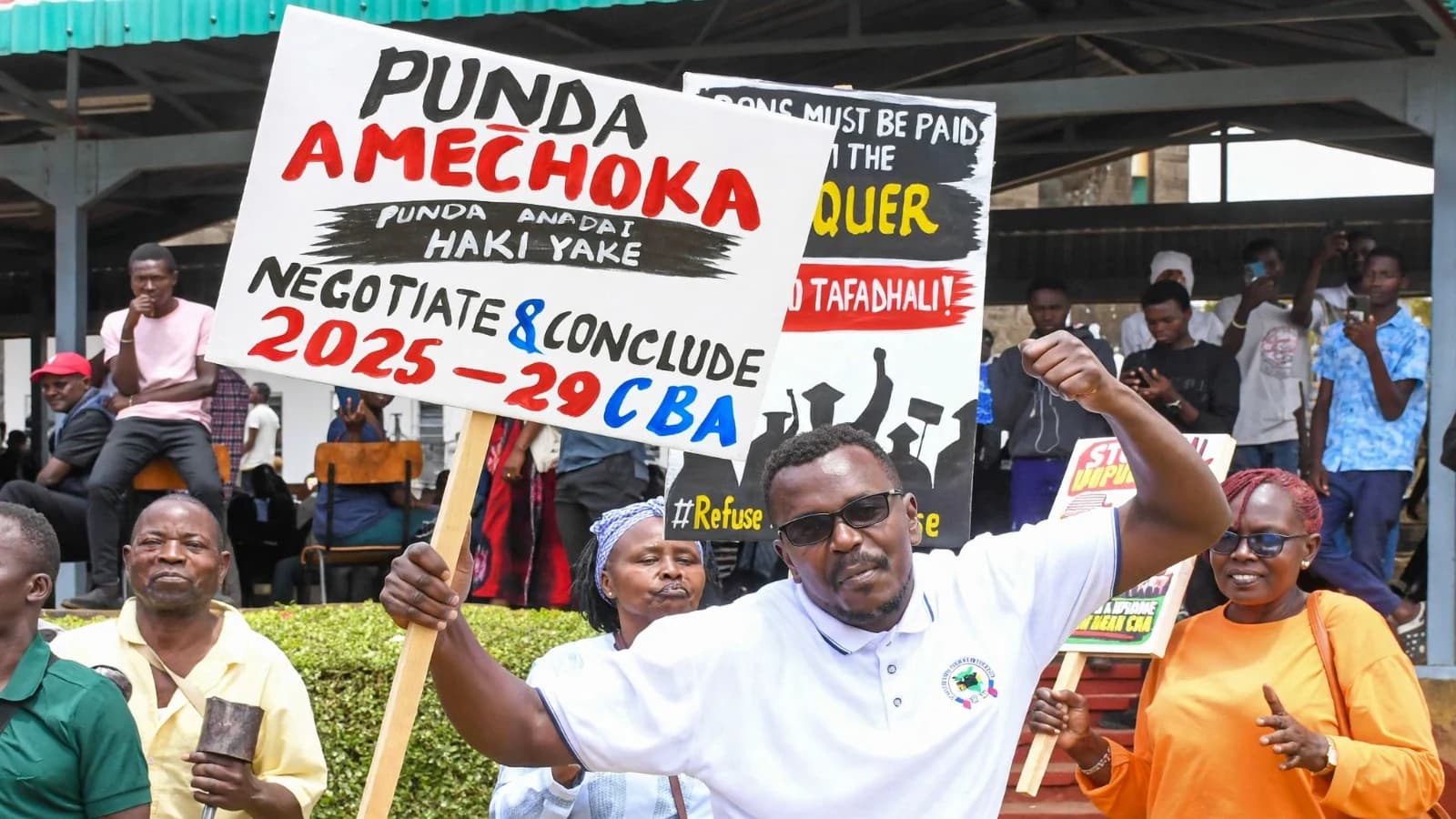
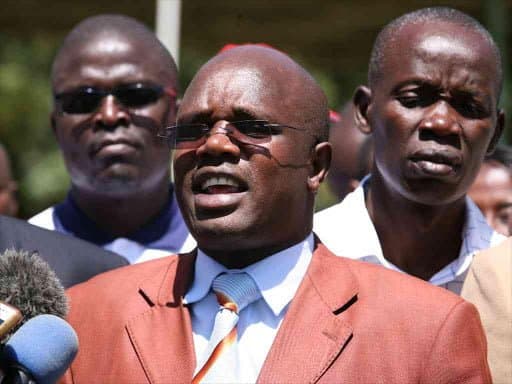
Led by Universities Academic Staff Union (UASU) Secretary-General Dr Constantine Wasonga, the lecturers demonstrated at the University of Nairobi grounds and along Kenyatta Avenue before taking their grievances to Treasury officials. They are demanding a financial commitment to implement the 2025–2029 Collective Bargaining Agreement (CBA).
The procession was planned to start at the University of Nairobi's Graduation Square and proceed to Parliament Buildings, the National Treasury and the Ministry of Education offices before returning to the university.
The strike began on October 2 after negotiations stalled. Wasonga and Kenya Universities Staff Union (KUSU) Secretary-General Dr Charles Mukhwaya insist that lecturers cannot return to the lecture halls without a credible settlement.
Unions reject Sh12 billion offer
UASU, KUSU and the Kenya Union of Domestic, Hotels, Educational Institutions, Hospitals and Allied Workers (KUDHEIHA) have challenged the government's reported Sh12 billion counter-offer, saying it does not adequately address their demands.
During talks on October 12, the unions accused the government of presenting an offer that had changed little from an earlier proposal. They also objected to the absence of National Treasury officials, saying the ministry's involvement was needed to establish how the agreement would be financed.
Wasonga said the unions want a firm commitment to fund the agreement through the National Exchequer, not one that leaves universities to meet salary obligations increasingly through student fees. Mukhwaya also called for an implementable settlement and not another promise whose financing remains uncertain.
The government has urged lecturers to resume teaching. Education Cabinet Secretary Julius Ogamba said on October 5 that the government had cleared arrears under earlier agreements and called for dialogue. The unions say that clearing earlier arrears does not settle the terms of the 2025–2029 agreement.
Reported 25,000-lecturer deficit
The strike has also drawn attention to the reported shortage of about 25,000 university lecturers. In August 2026, Wesonga said Kenya needed more than 35,000 lecturers but had about 10,070, including about 1,000 in management. The exact national deficit depends on the staffing benchmark used and the categories of staff counted.
UASU argues that universities should recruit permanent academic staff and stop relying on part-time lecturers to cover teaching. Wasonga has previously directed universities to stop using part-time arrangements as a substitute for hiring full-time academics, saying the practice limits job opportunities and weakens the academic workforce. The union wants a structured recruitment programme that matches staffing levels to student enrolment and departmental needs.
The unions link the shortage to wider financial pressure on public universities. Wasonga has warned of heavy workloads and inadequate staffing, and has raised concerns about pension and other employment obligations. The unions argue that universities cannot recruit and retain qualified academics when funding is unpredictable, and that staff pay should be backed by clear budget commitments.
Students caught in the middle
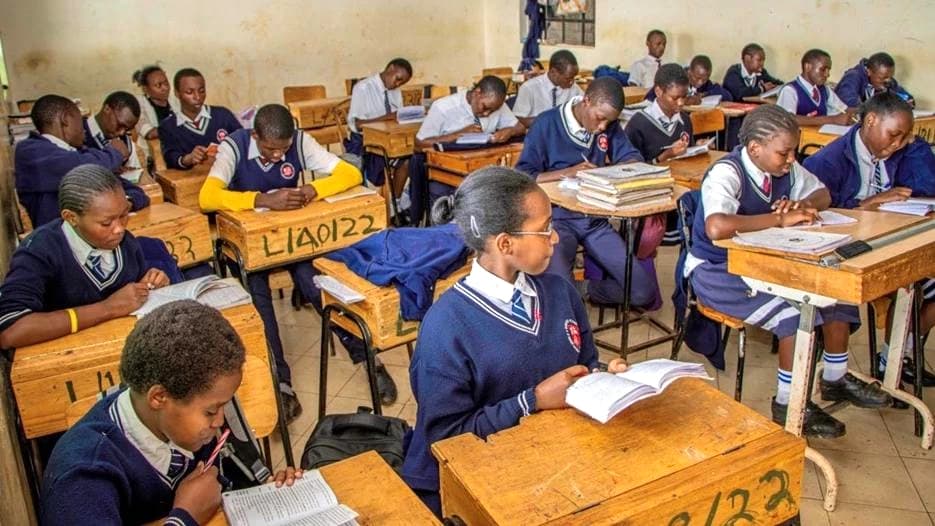
The strike has left students uncertain about lectures, examinations, research supervision and completion of their programmes. Depending on how long it lasts, universities may have to revise semester schedules, postpone assessments and extend academic calendars.
The October 15 demonstrations have increased pressure on the Ministry of Education, the National Treasury, university employers and the unions to settle. A lasting deal would require agreement on the 2025–2029 CBA, a credible funding commitment and a clear plan for implementation. The unions also want an updated national staffing audit showing how many academics are employed, the vacancies in each university and the recruitment needed to meet demand.

Reader Discussion (0)
Sign in to comment