






Kenya’s plan to tighten road safety regulations has suffered a major setback after the Senate annulled three sets of proposed rules targeting private vehicle inspections, school transport and commercial vehicles, forcing the government to reconsider how it will enforce tougher safety standards without placing an excessive financial burden on motorists, schools and transport operators.
The decision has put the spotlight on the balance between saving lives on Kenyan roads and ensuring that new regulatory requirements are supported by adequate inspection facilities, realistic implementation timelines and affordable compliance measures.
The three affected instruments were the Traffic (Motor Vehicle Inspection) Rules, 2026, the Traffic (School Transport) Rules, 2026 and the National Transport and Safety Authority (Operation of Commercial Vehicles) Regulations, 2026.
The Senate’s action followed parliamentary scrutiny of regulations intended to improve vehicle roadworthiness, protect schoolchildren and strengthen oversight of commercial transport. The Traffic (Drink-Driving) Rules, 2026, however, followed a different legislative path and received approval from both Houses of Parliament.
The outcome leaves the government with the task of addressing the concerns raised by senators while pursuing its broader road safety objectives.
School transport and private vehicle inspections affected
One of the most consequential proposals concerned mandatory annual inspections for private motor vehicles, including vehicles older than four years.
The proposed Traffic (Motor Vehicle Inspection) Rules, 2026, sought to strengthen checks on the mechanical condition of vehicles operating on Kenyan roads. The inspections were intended to identify dangerous defects involving braking systems, tyres, steering mechanisms and other components that could contribute to road crashes.
However, senators questioned whether the National Transport and Safety Authority (NTSA) had sufficient capacity to inspect the additional vehicles expected under the proposed framework.
Concerns included the availability of inspection centres, the readiness of private inspection facilities, the cost of compliance and the potential inconvenience to motorists. Questions were also raised about whether the proposed frequency of inspections was adequately justified and whether the implementation arrangements could support the expanded workload.
The Senate’s decision has therefore complicated the introduction of the proposed annual inspection regime.
Motorists should distinguish these proposed requirements from inspection obligations already imposed under existing law. The annulment of the new rules does not automatically remove any separate legal duties that currently apply to particular categories of vehicles.
The government will need to clarify its next steps and provide clear guidance before motorists can determine whether a revised inspection framework will be introduced.
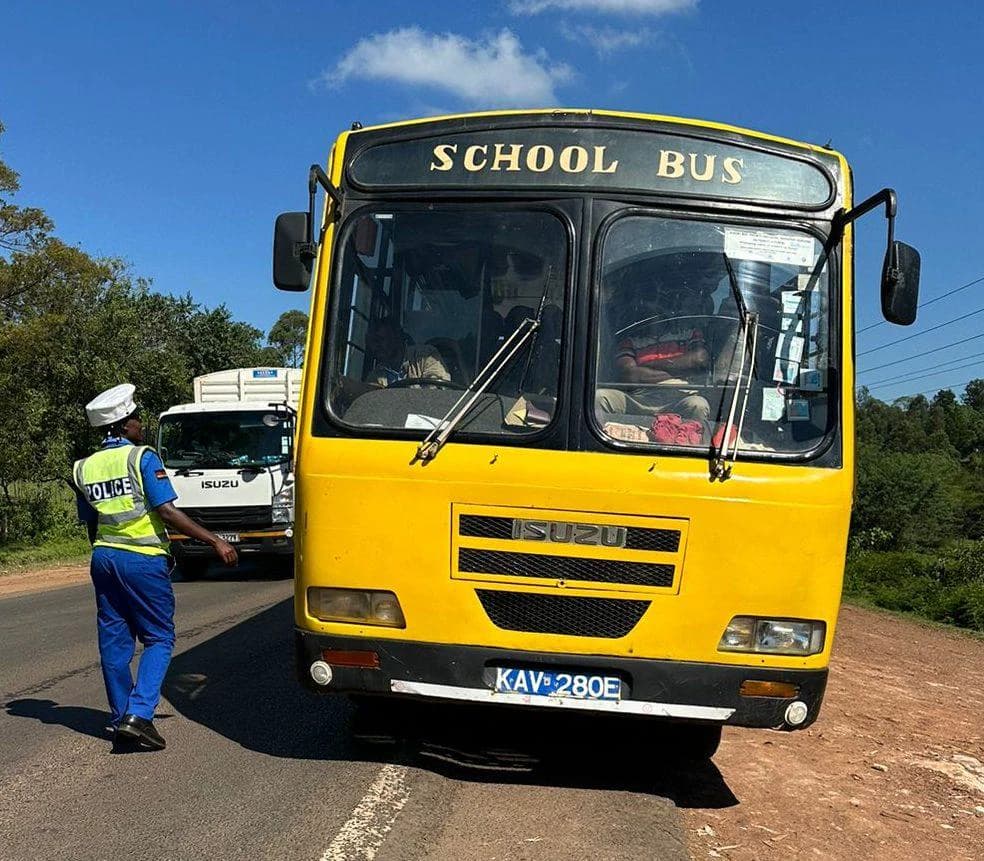
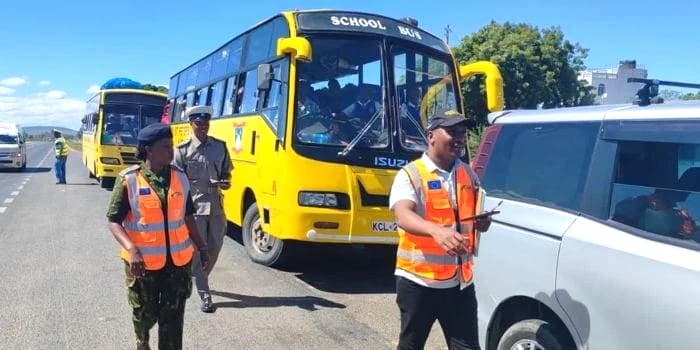
The proposed school transport regulations sought to strengthen safeguards for children travelling between home and school.
The measures included reflectorised markings, mechanical stop-signal arms, telematics systems and passenger-facing cameras. These features were intended to improve vehicle visibility, alert other road users when children are boarding or alighting, and strengthen monitoring of school transport operations.
The stop-signal arms, in particular, were designed to warn approaching motorists when a school vehicle stops to allow learners to cross or enter the road. Telematics and cameras would provide additional information for monitoring vehicle movements and operations.
However, the proposals also raised concerns about the cost of fitting existing school buses with the required equipment.
Schools operating under tight budgets could face significant expenditure if required to retrofit their fleets within a short period. Senators questioned whether the proposed timelines gave institutions enough time to obtain equipment, arrange installation and comply with the new standards.
The annulment has placed the proposed package in need of reconsideration. It does not, however, diminish the importance of protecting learners from road accidents.
Any revised framework will need to balance child protection with realistic implementation schedules, accessible technical support and clear responsibilities for school owners, transport providers and enforcement agencies.
Commercial vehicle regulations and drink-driving rules
Commercial vehicles were another major target of the proposed regulatory changes.
The National Transport and Safety Authority (Operation of Commercial Vehicles) Regulations, 2026, sought to strengthen the management and safety of commercial transport through additional technical and operational requirements.
Among the proposed measures were telematics systems to monitor vehicle movements and driving behaviour, as well as underride protection systems designed to reduce the risk of smaller vehicles becoming trapped beneath larger trucks in certain collisions.
Although these technologies can contribute to road safety, senators questioned whether operators had been given sufficient time to meet the proposed requirements.
The transition period and the cost of installing new equipment were among the issues raised during parliamentary scrutiny. Commercial operators could face additional expenses, while delays in compliance could affect the availability of vehicles used to transport agricultural produce, manufactured goods, fuel and other essential supplies.
If operators pass increased costs on to customers, the impact could extend beyond the transport industry to businesses and households.
The challenge for policymakers is to introduce effective safety standards without creating an abrupt compliance burden that disrupts commercial operations. A revised framework would need to establish clear technical specifications, reasonable deadlines and appropriate enforcement arrangements.
While the Senate annulled the three instruments covering vehicle inspections, school transport and commercial vehicles, the Traffic (Drink-Driving) Rules, 2026, received approval from both Houses of Parliament.
The distinction is important because the four instruments were not treated identically during parliamentary scrutiny.
Drink-driving remains a major road safety concern because alcohol can impair judgement, coordination and reaction time. Measures designed to deter motorists from driving under the influence therefore form part of the wider effort to reduce preventable road crashes.
However, the approval of the drink-driving rules should not be taken to mean that the three annulled instruments remain in force. Their legal status and that of any subsequent replacement measures must be considered separately.
Motorists should continue to observe existing traffic laws and follow official guidance on the applicable drink-driving requirements.
Government under pressure to review road safety framework
The regulatory dispute comes amid continuing concern about fatalities on Kenya’s roads.
Following a fatal collision on the Nairobi–Mombasa highway that claimed 24 lives, Roads and Transport Cabinet Secretary Davis Chirchir said the ministry would engage the Judiciary, the National Assembly and the Senate to address the challenges surrounding the rejected regulations.
The planned consultations point to the need for a fresh approach that addresses parliamentary objections while retaining the intended safety benefits.
The ministry and NTSA face several questions: whether the inspection network can accommodate additional vehicles, how schools can meet new technical standards, what timelines commercial operators should receive, and how the costs of compliance can be managed.
Clear communication will also be essential. Motorists, school administrators and transport businesses need to know which requirements remain legally applicable, which proposals have been annulled and whether revised regulations are being prepared.
Without that clarity, operators risk making costly decisions based on requirements that have not become enforceable under the proposed framework.
A separate legislative initiative is also seeking to strengthen oversight of public service vehicle construction and assessment.
The National Transport and Safety Authority (Amendment) Bill, 2026, sponsored by Meru Senator Kathuri Murungi, proposes a framework for licensing independent assessors who would determine whether public service vehicle bodies meet prescribed standards.
The proposed system would provide for the licensing of assessors, assessment criteria, audits and technical reports. It also seeks to address potential conflicts of interest involving assessors and individuals or businesses connected to the public service vehicle industry.
The Bill was read for the first time on September 15, 2026, and referred to the Senate Standing Committee on Roads, Transportation and Housing. Its subsequent legislative status requires confirmation.
If enacted, the proposed legislation could provide an additional mechanism for strengthening oversight of vehicle body construction and assessment. However, the Bill is distinct from the three annulled regulations and should not be presented as though it has already become law.
For private motorists, the immediate issue is whether the government will develop a revised vehicle inspection framework that can be implemented without overwhelming existing facilities.
For schools, the question is how to improve learner safety through practical standards and realistic compliance periods.
For truck owners and commercial transport operators, the challenge is to adopt effective safety technologies without facing sudden costs that could disrupt operations or raise transport prices.
For passengers and other road users, the wider concern is whether the regulatory uncertainty will delay improvements intended to prevent avoidable crashes.
The Senate’s decision does not end Kenya’s responsibility to improve road safety. It changes the legislative path through which some of the proposed measures must proceed.
The next phase will require the government to address the concerns raised by senators, clarify the status of existing obligations and establish whether revised regulations or further legislation will be pursued.
Ultimately, road safety cannot depend on regulations alone. Effective enforcement, roadworthy vehicles, responsible driving, safe school transport, appropriate commercial vehicle standards and adequate inspection capacity must work together.
The challenge facing the government is to translate those objectives into a practical and legally sound framework that protects lives while giving motorists, schools and transport operators a fair opportunity to comply.



Reader Discussion (0)
Sign in to comment