


The deaths of 22 Kenyans in a devastating road accident at Mtito Andei are a heartbreaking reminder of the value of human life and the urgent need to strengthen road safety education, responsible driving and measures to protect everyone using Kenya's roads.
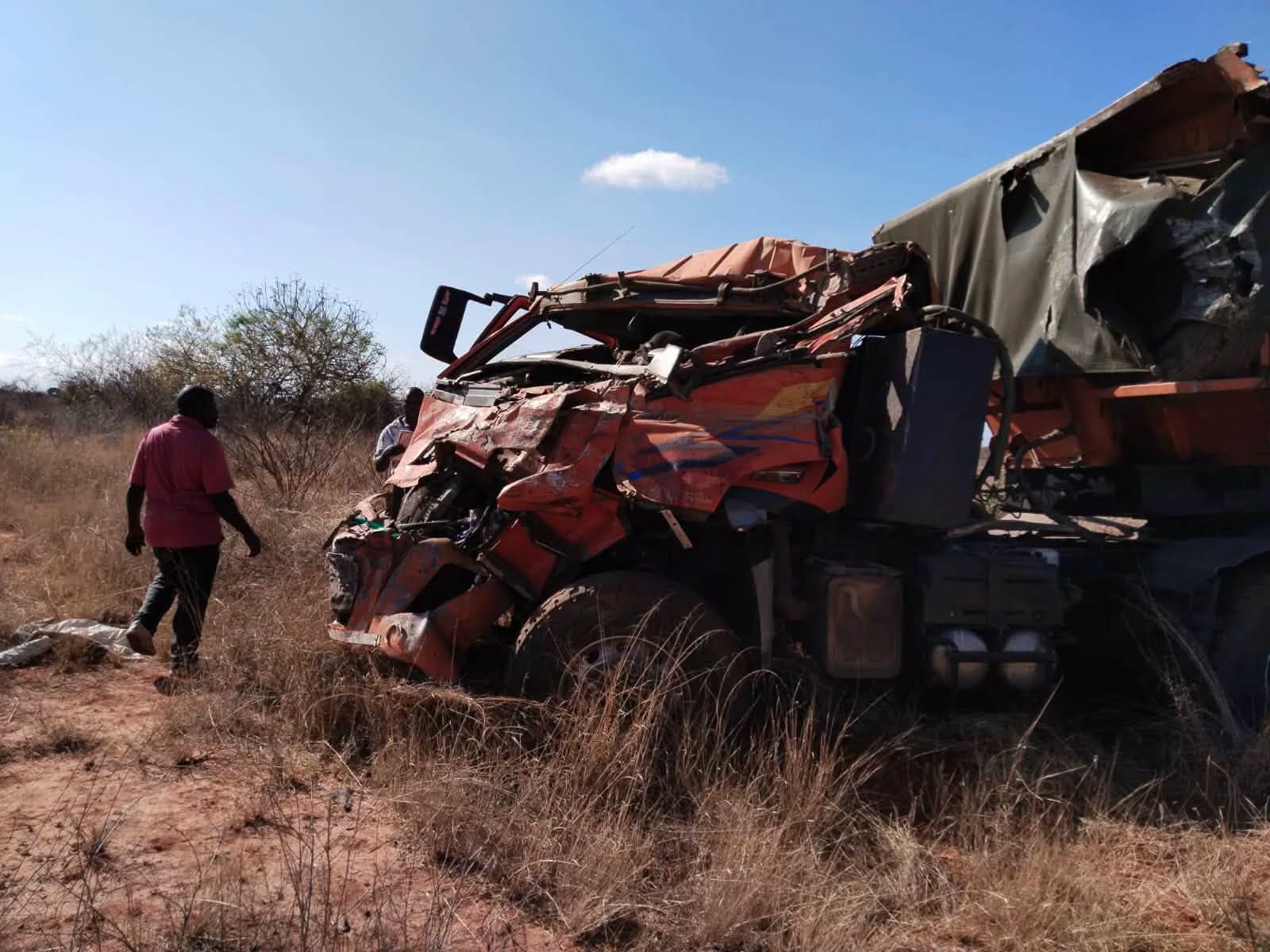
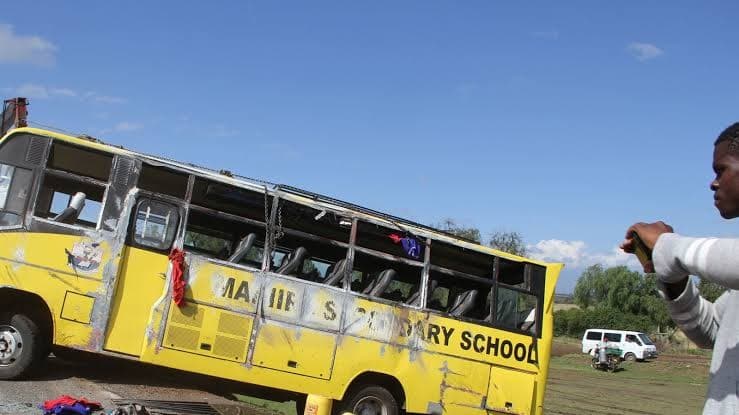
The collision between a passenger bus and a lorry occurred on the morning of October 25, 2026, in the Kanga area, near Mtito Andei, along the Nairobi–Mombasa Highway. Initial reports confirmed at least 22 deaths, while several other people sustained injuries.
The tragedy is particularly concerning because the stretch has been identified as an accident black spot by the National Transport and Safety Authority (NTSA), according to reporting by the Associated Press. The authority has reportedly made recommendations aimed at addressing safety concerns along the route.
Radio 47 reported that Makueni County Commissioner Abdullahi Khalif pointed to dangerous overtaking as a possible contributing factor. However, the precise circumstances of the collision remain subject to investigation, and the final cause should not be assumed before the findings are established.
The incident raises important questions about driver behaviour, road infrastructure, enforcement and the implementation of safety recommendations at locations where serious accidents have occurred.
When a road section is already recognised as dangerous, the challenge extends beyond identifying the risk. It is also about ensuring that appropriate interventions are implemented and that their effectiveness is monitored.
Behind the casualty figures are families, communities and futures suddenly changed. The victims were people with responsibilities, ambitions and loved ones expecting them to reach their destinations safely.
As Kenya mourns, the most constructive response is to turn this painful loss into an opportunity for reflection, education and meaningful action.
Accident black spots and dangerous driving require urgent attention
The reported designation of the Mtito Andei stretch as an accident black spot makes the tragedy particularly sobering.
An accident black spot is a location associated with a concentration of road crashes or serious collisions. Identifying such locations helps authorities prioritise safety interventions and determine where additional measures may be necessary.
However, identification alone cannot protect road users. Authorities need to examine accident patterns, review previous recommendations and assess whether existing interventions are sufficient.
Depending on the evidence, appropriate measures may include clearer road markings, improved warning signs, better visibility, effective speed management and safer overtaking arrangements.
Where recommendations have already been made, their implementation should be reviewed and any outstanding safety concerns addressed.
The objective should be to reduce the risks before another tragedy occurs, rather than waiting for further loss of life.
According to Radio 47's reporting, dangerous overtaking was identified as a possible contributing factor in the Mtito Andei accident. Investigators must establish the actual sequence of events before responsibility is assigned.
Nevertheless, the incident provides an important opportunity to reinforce the dangers of unsafe overtaking.
Drivers need clear visibility, sufficient space and a careful assessment of approaching traffic before attempting to pass another vehicle. Overtaking near bends, hilltops or other areas with restricted visibility can leave little room to avoid a collision.
Motorists should overtake only when it is legal and safe to do so.
Patience is particularly important on busy highways carrying passenger buses, heavy trucks, private vehicles and motorcycles. A few minutes saved cannot justify placing several lives at risk.
Speeding also reduces reaction time and can increase the severity of a collision.
Drivers may feel pressured by tight schedules, traffic congestion or the desire to reach their destinations quickly. However, safe driving requires adjusting speed to visibility, traffic density, weather and road conditions.
Appropriate speed gives motorists more time to respond to unexpected hazards and maintain control of their vehicles.
The lesson is simple: arriving safely matters more than arriving a few minutes earlier.
Transport operators, vehicle maintenance and shared responsibility
Thousands of Kenyans depend on buses and matatus to travel between towns and across the country.
When passengers board these vehicles, they place their safety in the hands of drivers and transport operators. That trust comes with serious obligations.
Operators should ensure that drivers are properly qualified, rested and fit to drive. Vehicles must be maintained, passenger limits respected and schedules designed to avoid unreasonable pressure on drivers.
Drivers must also understand that passengers' lives are more important than meeting deadlines or completing additional trips.
Safe transport requires cooperation between operators, drivers, regulators and passengers.
A vehicle's mechanical condition is an important component of road safety.
Faulty brakes, worn tyres, steering defects and defective lights can increase the danger faced by drivers and passengers.
Vehicle owners and transport companies should conduct regular inspections and promptly repair identified defects. Public service vehicles deserve particular attention because mechanical failure can expose many passengers to danger at once.
Investigators should examine the condition of the vehicles involved in the Mtito Andei collision as part of establishing the facts. Until the findings are available, mechanical failure should not be presented as a confirmed cause.
The broader lesson remains that preventive maintenance is essential to safe transport.
Long-distance driving demands concentration, adequate rest and sound judgment.
Fatigue can slow reaction times and impair decision-making. Mobile phones and other distractions can prevent drivers from noticing hazards in time.
Drivers should take appropriate breaks, stop when sleepy and avoid distractions while driving. Transport companies should provide reasonable schedules that allow drivers to complete journeys safely.
A driver who is not fit to drive should not be placed behind the wheel of a vehicle carrying passengers.
Although drivers have a central role, road safety depends on the actions of everyone who uses the road.
Passengers should use seat belts, avoid encouraging reckless driving and raise concerns when they observe dangerous behaviour. Motorcycle riders and passengers should wear properly fitted and fastened helmets.
Pedestrians should remain alert near traffic, use designated crossing points where available and avoid crossing roads while distracted.
Parents, teachers and communities can reinforce these habits through practical road safety education.
These individual actions should complement effective regulation, appropriate infrastructure and consistent enforcement.
Investigations, compassion and meaningful action
Following a major accident, it is natural for the public to seek immediate answers about what happened.
However, conclusions must be guided by evidence. Investigators should establish the movements of the vehicles before impact, the drivers' actions, their speeds, vehicle conditions, road conditions and any other relevant factors.
The findings should inform appropriate preventive measures, including driver training, enforcement, vehicle inspections and improvements to road infrastructure.
The purpose of an investigation should extend beyond identifying what happened. It should also help determine how similar incidents can be prevented.
The consequences of a fatal accident extend far beyond the crash scene.
Families may lose their main breadwinners, children may be left without parental care, and survivors may face lengthy treatment and rehabilitation.
The bereaved deserve dignity, compassion and practical support where possible. Those injured need appropriate medical care and assistance during recovery.
The victims should be remembered not simply as numbers in an accident report, but as individuals whose lives mattered to their families and communities.
The Mtito Andei tragedy should prompt renewed attention to road safety across Kenya.
The reported involvement of a passenger bus and a lorry in a collision, the concern about dangerous overtaking and the identification of the stretch as an accident black spot all underline the importance of establishing facts and addressing preventable risks.
Authorities should ensure that investigations are thorough, that existing safety recommendations are reviewed and that necessary interventions receive sustained attention.
Transport operators must maintain safe vehicles and responsible schedules. Drivers must exercise patience and caution. Passengers and communities should continue promoting safe behaviour.
No single intervention can eliminate every accident, but a coordinated effort can reduce risks and save lives.
The loss of 22 Kenyans at Mtito Andei is a painful reminder that road safety affects every family and every community.
As the country mourns, the priority should be to support the bereaved, care for the injured, establish the facts and strengthen the measures needed to prevent future tragedies.
We must avoid premature conclusions about the cause of the collision while taking seriously the broader lessons about overtaking, speed, driver fitness, vehicle maintenance and road safety infrastructure.
The true measure of a successful journey is not how quickly we reach our destination, but whether everyone arrives safely.
May the families who have lost their loved ones find strength and comfort, and may those injured receive the care and support they need.
Let this tragedy deepen our compassion and renew our commitment to making Kenya's roads safer for everyone.
Reader Discussion (0)
Sign in to comment