







The inaugural class of the merged teacher-training programme has entered a new chapter in Kenya’s education reforms, with the first national summative assessment testing the transition from separate early childhood and primary teacher-training pathways to a unified qualification.
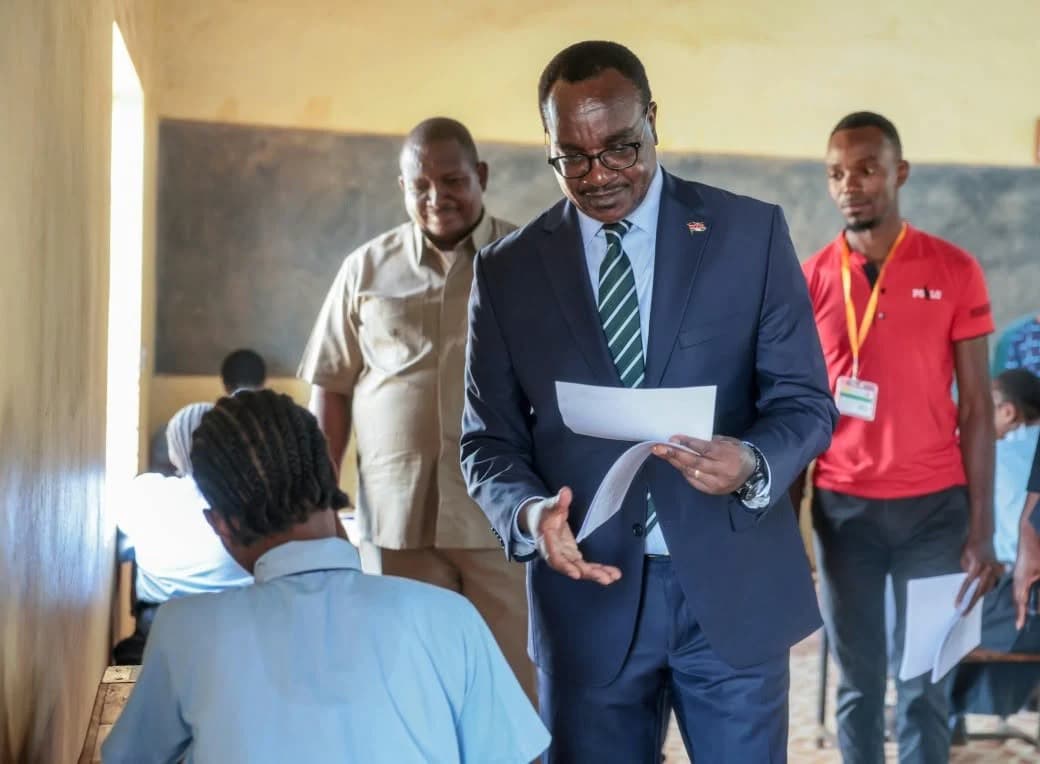
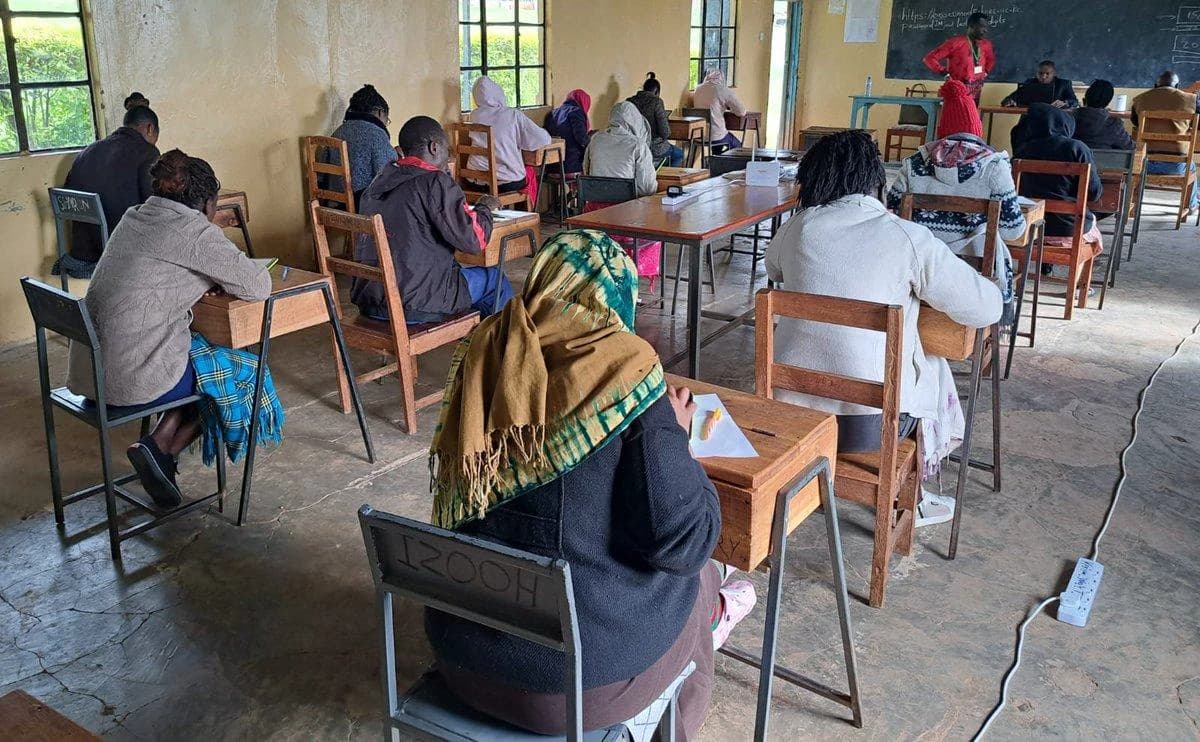
The first cohort of candidates pursuing the Diploma in Teacher Education, Pre-Primary and Primary (DTE PP&P) sat the Kenya National Examinations Council (KNEC) summative assessment on Tuesday, October 27, 2026, marking a significant milestone in the restructuring of teacher education in Kenya.
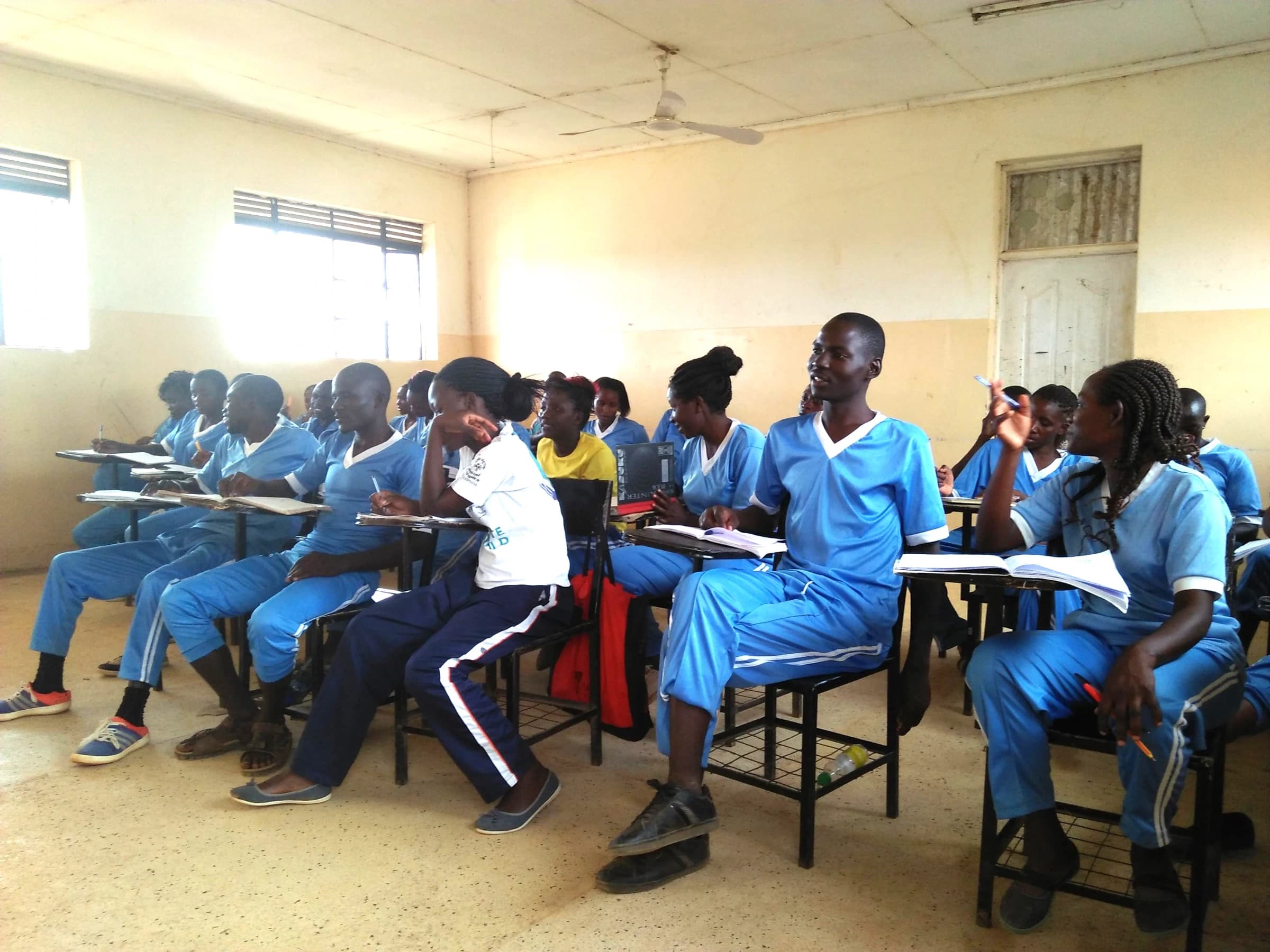
The assessment brought together pioneer candidates from Teacher Training Colleges (TTCs) across the country under a programme designed to prepare teachers for both pre-primary and primary education.
Their examination represents more than the completion of an academic requirement. It is the first major national assessment of a merged teacher-training pathway intended to bridge the traditional divide between early childhood education and primary schooling.
The candidates had conducted a rehearsal on October 26 to familiarise themselves with the examination arrangements before the official papers began.
Pioneer candidates face demanding assessment
The assessment opened with a three-hour Mathematics paper on Tuesday morning. Candidates later returned for a second three-hour paper covering Educational Assessment, Management, Information and Communication Technology (ICT) and Research Skills, with the afternoon session ending at 4pm.
The demanding schedule tested candidates across several areas of professional preparation, reflecting the diverse responsibilities expected of teachers working under Kenya’s Competency-Based Education (CBE) system.
Modern teachers are expected not only to deliver lessons but also to assess learner progress, manage classrooms, use digital learning resources, conduct professional research and respond to the different needs of children.
The combination of subjects therefore reflects an understanding that effective teaching requires both subject knowledge and the practical competencies needed to support learning.
The rehearsal held on October 26 provided an opportunity for colleges, examination officials and candidates to familiarise themselves with the procedures before the first official assessment under the new programme.
As the inaugural examination, the exercise also offered an early test of the colleges’ preparedness to implement the restructured teacher-training curriculum.
The transition followed a policy directive issued on January 19, 2026, by the then Principal Secretary for Education, Julius K. Bitok.
In a circular referenced QAS/ECDE/7/1B/2/193 and addressed to County Directors of Education and Sub-County Directors of Education, the ministry announced the merger of the Diploma in Early Childhood Teacher Education (DECTE) and the Diploma in Primary Teacher Education (DPTE).
The two programmes were redesignated as the Diploma in Teacher Education, Pre-Primary and Primary (DTE PP&P).
The circular also announced the discontinuation of the Upgrade Diploma in Early Childhood Teacher Education (UDECTE).
Under the new directives, KNEC was instructed not to register candidates for assessment under the DECTE and UDECTE programmes. New admissions to DECTE were halted, while registration and approval of colleges for the discontinued programmes were also suspended.
All TTCs were directed to offer the DTE PP&P programme on a full-time basis, with school-based training suspended until further notice.
The changes followed recommendations of the Presidential Working Party on Education Reform (PWPER), chaired by Prof Raphael Munavu.
The working party proposed wide-ranging changes to Kenya’s education system, including reforms intended to align teacher preparation with the demands of the Competency-Based Curriculum and the country’s evolving learning structure.
The introduction of the merged diploma is one of the measures through which the government is seeking to harmonise the preparation of teachers responsible for young learners.
Bridging pre-primary and primary education
For years, Kenya trained early childhood and primary school teachers through separate diploma pathways.
Candidates pursuing DECTE concentrated on early childhood education, while those enrolled in DPTE were prepared primarily for primary school teaching.
Although the two groups served learners at closely connected stages of development, their training followed different routes.
The new programme seeks to address that division by preparing teachers to understand the progression from pre-primary education through primary school.
Under CBE, learning is designed as a continuous process in which competencies acquired at one level provide the foundation for learning at the next.
A child moving from PP2 into Grade 1 carries forward the knowledge, skills, habits and learning gaps developed during the early years. Teachers who understand both stages are better positioned to support that transition.
The DTE PP&P programme is intended to equip graduates to teach across PP1 and PP2 and Grades 1 to 6.
The three-year programme requires candidates to have attained a minimum Kenya Certificate of Secondary Education (KCSE) mean grade of C plain.
Its success will depend on whether colleges can deliver the breadth of training required without weakening the specialised knowledge needed to teach children at different developmental stages.
One of the anticipated benefits of the merged diploma is the potential for graduates to seek employment across two major parts of Kenya’s education system.
Early childhood education services are administered by county governments, while public primary school teachers are employed through the Teachers Service Commission (TSC).
A qualification designed to cover both pre-primary and primary education could therefore widen the range of vacancies for which graduates may be eligible.
Under the previous arrangement, teachers trained exclusively for early childhood education could face limitations when seeking primary school teaching opportunities, while primary teacher training did not necessarily provide the same specialised preparation for early childhood education.
The unified pathway seeks to reduce that separation and improve professional mobility.
However, possession of the diploma should not automatically be interpreted as a guarantee of employment in either sector. Recruitment will continue to depend on the applicable qualification requirements, registration rules, available vacancies and recruitment procedures of the respective employers.
The practical value of the qualification will become clearer as county governments and the TSC determine how graduates will be considered for employment within their respective systems.
Teacher-training colleges face capacity test
The first national assessment also places the spotlight on the preparedness of teacher-training colleges.
Institutions that previously concentrated on one training pathway have had to adjust their teaching arrangements, staffing and learning resources to accommodate the combined programme.
Preparing teachers for both pre-primary and primary education requires adequate lecturers, appropriate instructional materials and practical opportunities to understand how children learn at different stages.
Early childhood education places particular emphasis on play-based learning, foundational development and age-appropriate interaction. Primary education demands additional preparation in subject teaching, assessment and the progressive development of competencies.
A successful merger must preserve these distinctions while ensuring that trainees understand the connections between them.
The examination results will provide one indication of how candidates have responded to the curriculum. They will not, on their own, establish whether graduates are fully prepared for the classroom.
Further evaluation will be necessary to determine whether the programme provides sufficient practical experience, whether colleges have the resources to deliver it effectively and whether the assessment adequately measures professional competence.
The pioneer candidates carry a responsibility that extends beyond their individual academic ambitions.
Their performance will attract attention from college administrators, education policymakers, lecturers and prospective teacher trainees seeking to understand the effectiveness of the new qualification.
Strong results would offer an encouraging indication of how the first cohort has adapted to the programme. Poor performance, should it emerge, would require careful examination of the curriculum, teaching methods, assessment design and learning conditions rather than immediate conclusions about the candidates alone.
The transition also raises questions about the treatment of teachers who trained under the discontinued programmes, the recognition of existing qualifications and the recruitment arrangements for future graduates.
These issues require clear guidance from the Ministry of Education, KNEC, the TSC and county governments to avoid uncertainty among trainees, serving teachers and prospective employers.
The reform will ultimately be judged not by the change of programme names but by whether it improves the quality and consistency of teacher preparation.
The October 27 assessment marks an important turning point in Kenya’s teacher-training system.
The DECTE and DPTE pathways have given way to a unified programme, while the UDECTE upgrade route has been discontinued under the January 2026 directive.
The new approach is built on the principle that pre-primary and primary education should be understood as connected stages of a child’s learning journey.
For the candidates who sat the first DTE PP&P summative assessment, the immediate challenge was to demonstrate their understanding of the subjects they had studied.
For the government and teacher-training institutions, the larger task is to ensure that the programme produces competent, adaptable teachers capable of supporting learners from their first years of formal education through the end of primary school.
The first cohort has opened a new chapter. Whether the reform fulfils its promise will depend on the quality of training, the adequacy of college resources, transparent employment pathways and the system’s willingness to address weaknesses as evidence emerges.

Reader Discussion (0)
Sign in to comment