
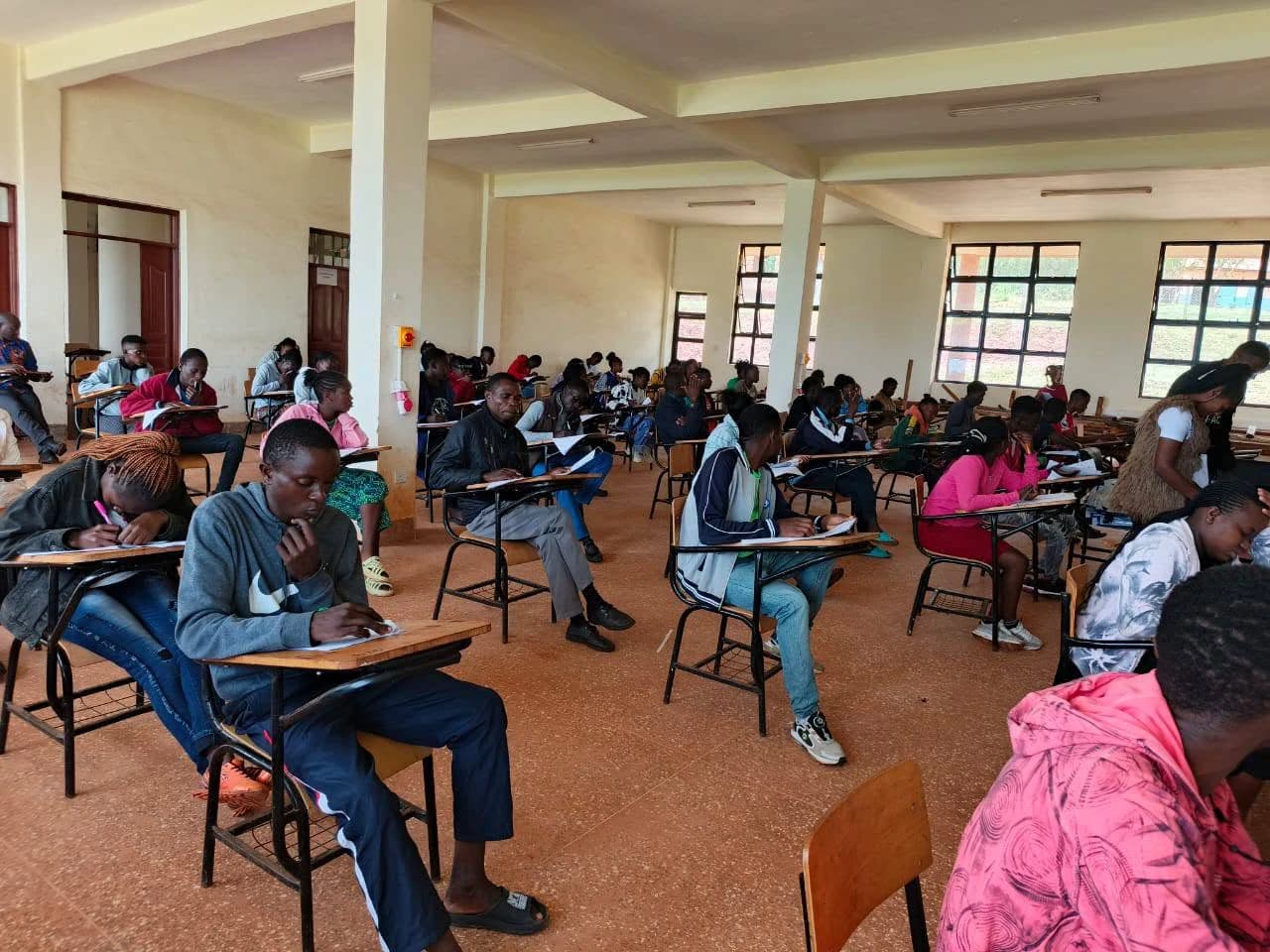
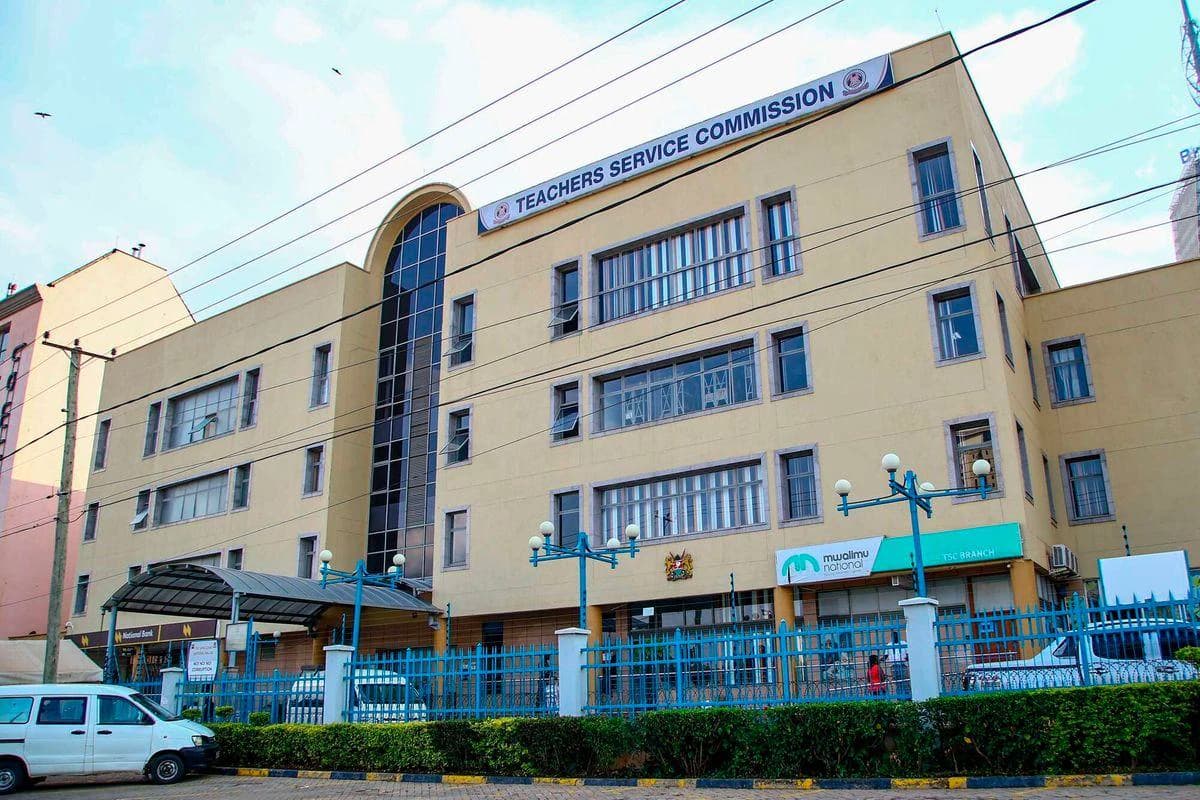



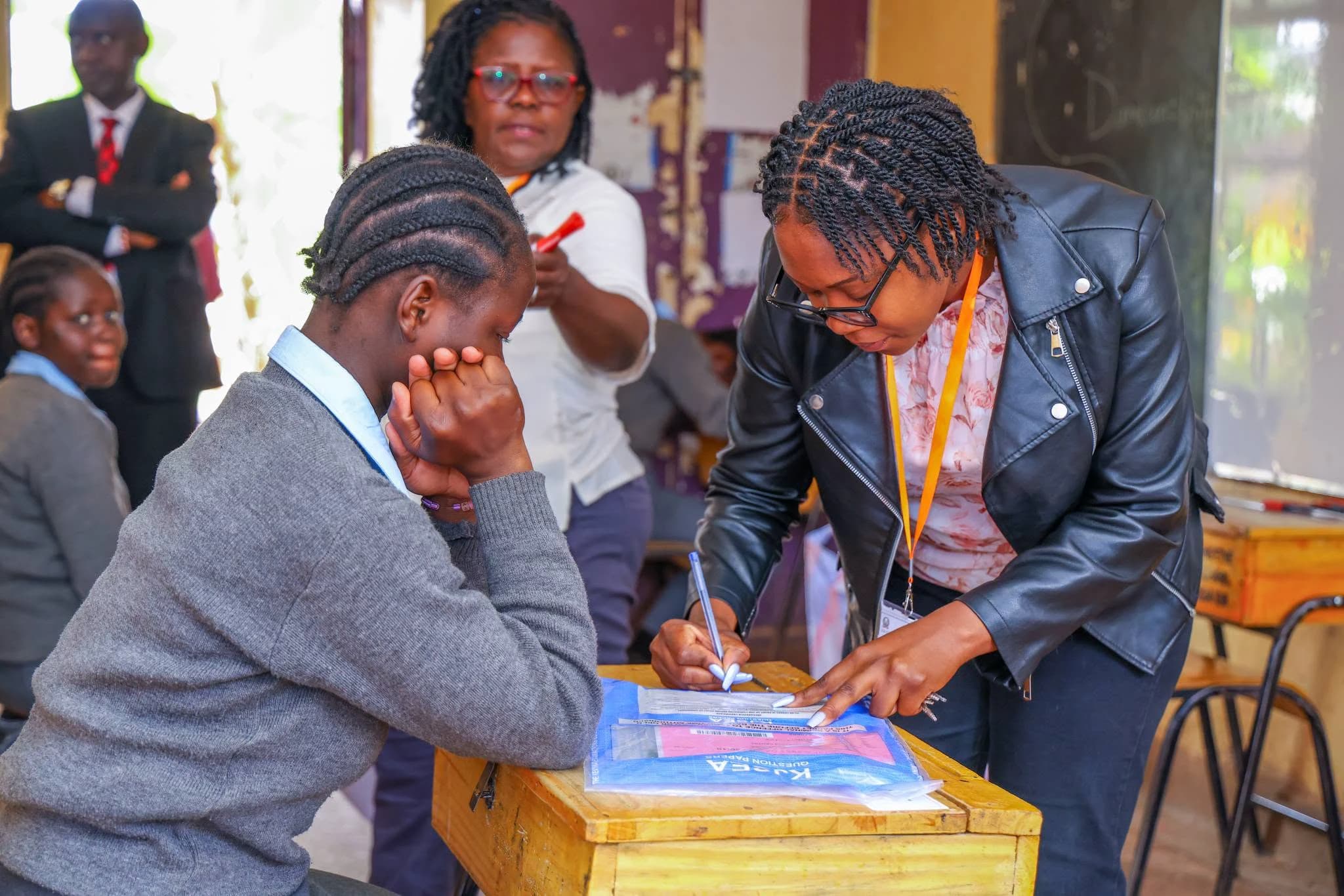
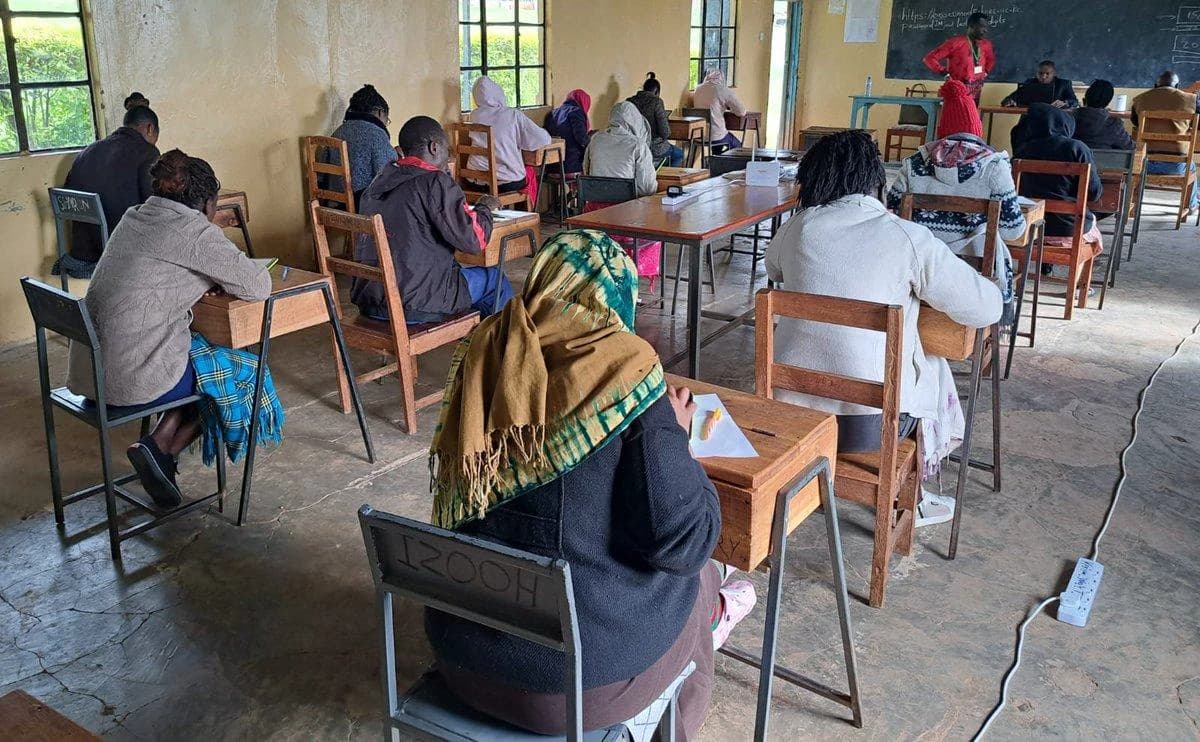
The first cohort of trainees in the Diploma in Teacher Education, Pre-Primary and Primary (DTE PP&P) is sitting a national summative assessment by the Kenya National Examinations Council (KNEC), a first test of the merged teacher-training programme. A seven-month practicum is scheduled for 2027.
The assessment began on October 27 and runs until November 5, 2026. It follows the merger of the former Diploma in Early Childhood Teacher Education (DECTE) and the Diploma in Primary Teacher Education (DPTE). Under the new framework, trainees are prepared to teach learners from Pre-Primary 1 (PP1) and PP2 through Grade 6.
How the merger came about
The change was communicated in a circular issued on January 19, 2026, by the then Principal Secretary for Education, Julius K. Bitok. The circular, reference QAS/ECDE/7/1B/2/193, directed County and Sub-County Directors of Education to implement the merger and announced the discontinuation of the Upgrade Diploma in Early Childhood Teacher Education (UDECTE).
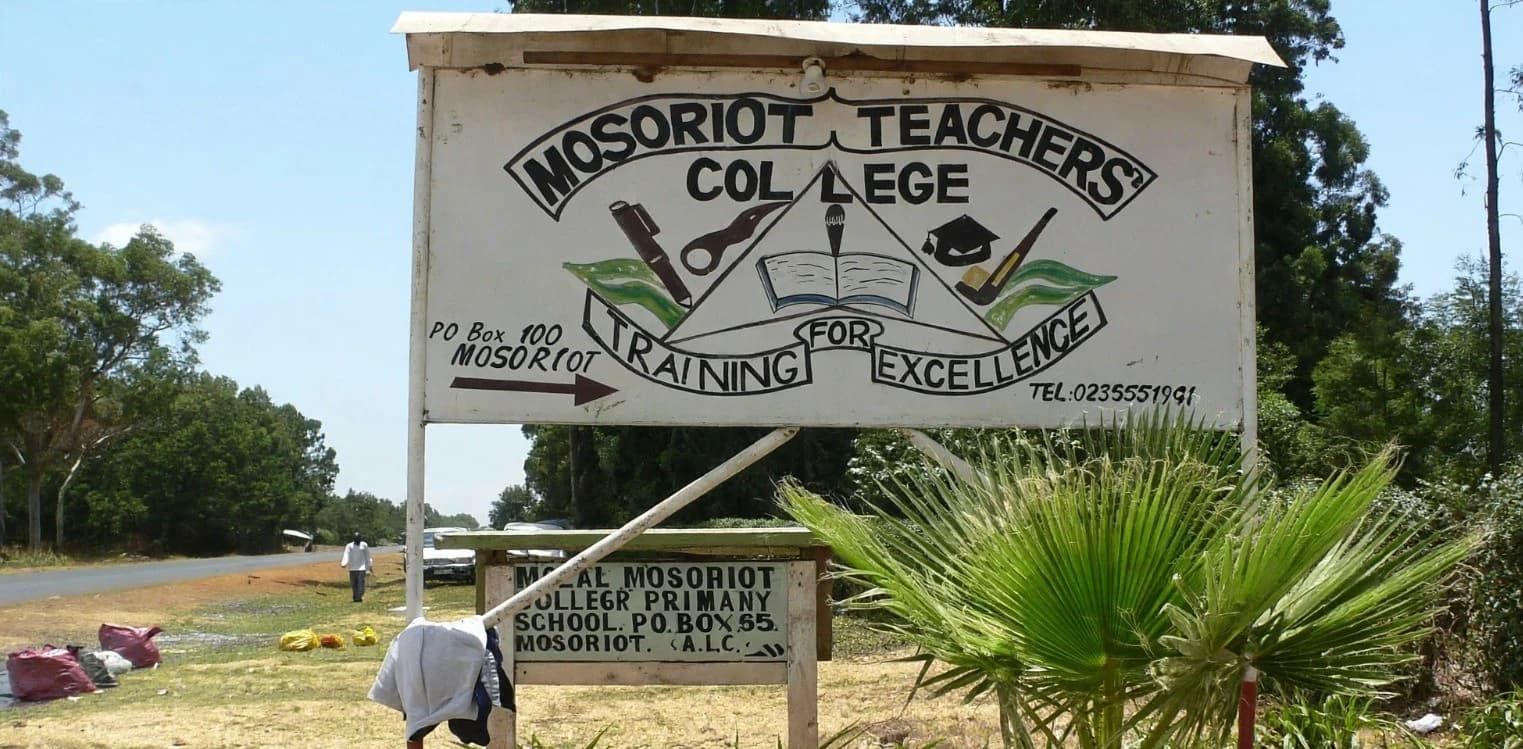
New registrations and admissions under the discontinued programmes were stopped. KNEC was told not to register candidates for DECTE or UDECTE assessments, and colleges were barred from processing new admissions and approvals under the old arrangements. All Teacher Training Colleges were directed to offer DTE PP&P full-time, with school-based training suspended until further notice.
The reforms followed recommendations of the Presidential Working Party on Education Reform (PWPER), chaired by the late Prof Raphael Munavu.
According to the source, the merger reflects the view that early childhood and primary education are connected stages of a learner's development. Under the Competency-Based Education (CBE) framework, the move from PP2 to Grade 1 is not meant to be a complete break in learning. DTE PP&P runs for three years, and admission requires a minimum KCSE mean grade of C (plain).
Online assessment
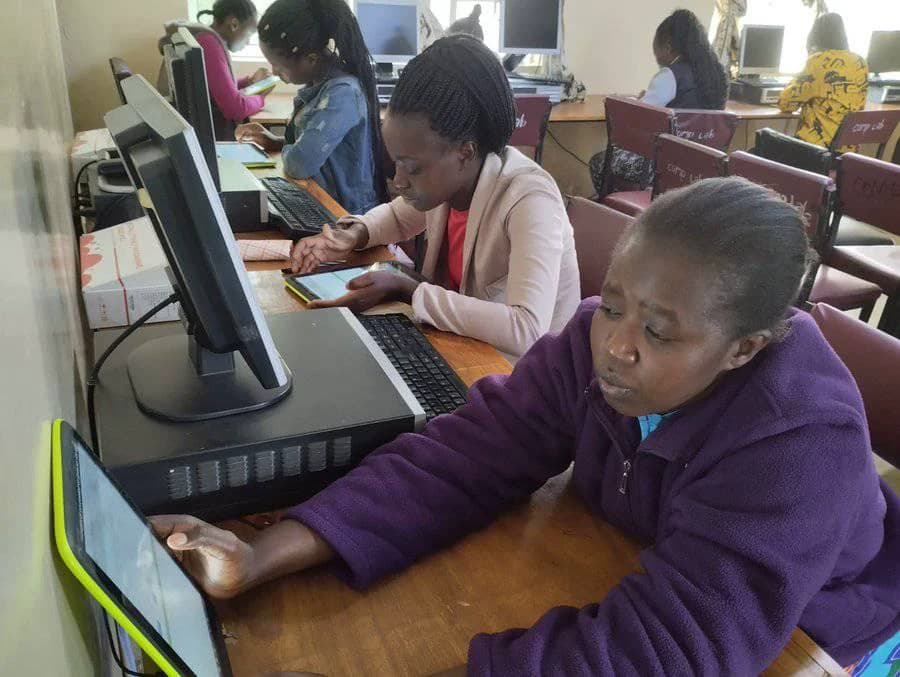
The 2026 summative assessment is being administered through KNEC's Teacher Education Competency-Based Assessment (TECBA) electronic platform. Trainees access their papers through the official portal, tecba.knec.ac.ke, using assessment numbers and passwords provided for the exercise. Colleges and trainees must therefore ensure reliable internet and working electronic devices.
KNEC's requirements include:
- Candidates must be seated at least 30 minutes before each paper starts.
- The allocated time must be strictly observed, and reading time is included in the duration unless stated otherwise.
- Devices must be fully charged and connected to the internet.
- Late candidates must give satisfactory explanations to the supervisor, and those more than 30 minutes late may be admitted only in exceptional circumstances.
Timetable
Most morning papers run from 8.00 am to 11.00 am and afternoon papers from 1.00 pm to 4.00 pm. Braille candidates have three and a half hours for Mathematics, ending at 11.30 am.
- Tuesday, October 27: Mathematics (9814); Educational Assessment, Management, ICT and Research Skills (9822)
- Wednesday, October 28: English (9811); Home Science (9816)
- Thursday, October 29: Kiswahili (9812) and Kenya Sign Language (9813); Child Development, Psychology and Inclusive Education (9823)
- Friday, October 30: Art and Craft (9825); Curriculum Studies and Foundations of Education (9824)
- Monday, November 2: Agriculture (9817); Social Studies (9818)
- Tuesday, November 3: Science and Technology (9827); Indigenous Languages (9828)
- Wednesday, November 4: Physical and Health Education (9815); Christian Religious Education (9819) and Islamic Religious Education (9820)
- Thursday, November 5: Music (9826); French (9829), German (9830) and Arabic (9832)
The foreign language and religious education papers will run in parallel where applicable.
Practicum in 2027
The programme also includes Art and Craft Coursework (9625), assessed progressively over the three years from 2024 to 2026. Colleges were required to upload final coursework scores to the Teacher Education Portal by October 9, 2026.
The practicum, coded 9833/2, is separate from the written papers and is scheduled to run for seven months, from January to July 2027. Trainees must therefore demonstrate their teaching competencies in classrooms after the November written assessments.
Warning on irregularities
KNEC has maintained strict examination regulations. Candidates are prohibited from communicating with fellow trainees or outsiders during examinations, exposing their answers to others or using unauthorised materials. Mobile phones are not allowed in examination rooms, and a trainee found with one faces cancellation of results. Only authorised mathematical tables and specified non-programmable calculators are permitted.
A candidate found guilty of an irregularity in any paper risks cancellation of results for the entire subject and an overall result of "Y". Where irregularities are widespread, KNEC may cancel the results of an entire centre.
Under the KNEC Act No. 29 of 2012, leaking examination materials attracts a maximum prison sentence of ten years, a fine of up to Sh2 million, or both. Damaging examination materials attracts up to five years' imprisonment or a fine of up to Sh5 million, or both. Impersonating a registered candidate attracts up to two years' imprisonment or a fine of up to Sh2 million, alongside a three-year ban from KNEC examinations.
The real test of the programme will be the quality of teachers who graduate. Colleges will need enough tutors, learning resources and practical teaching facilities, and it will have to be established whether three years is enough to prepare trainees for learners from PP1 to Grade 6. The writer also notes that electronic examinations offer a chance to modernise assessment, but colleges must make sure that internet access, equipment and technical support do not disadvantage trainees.
Reader Discussion (0)
Sign in to comment