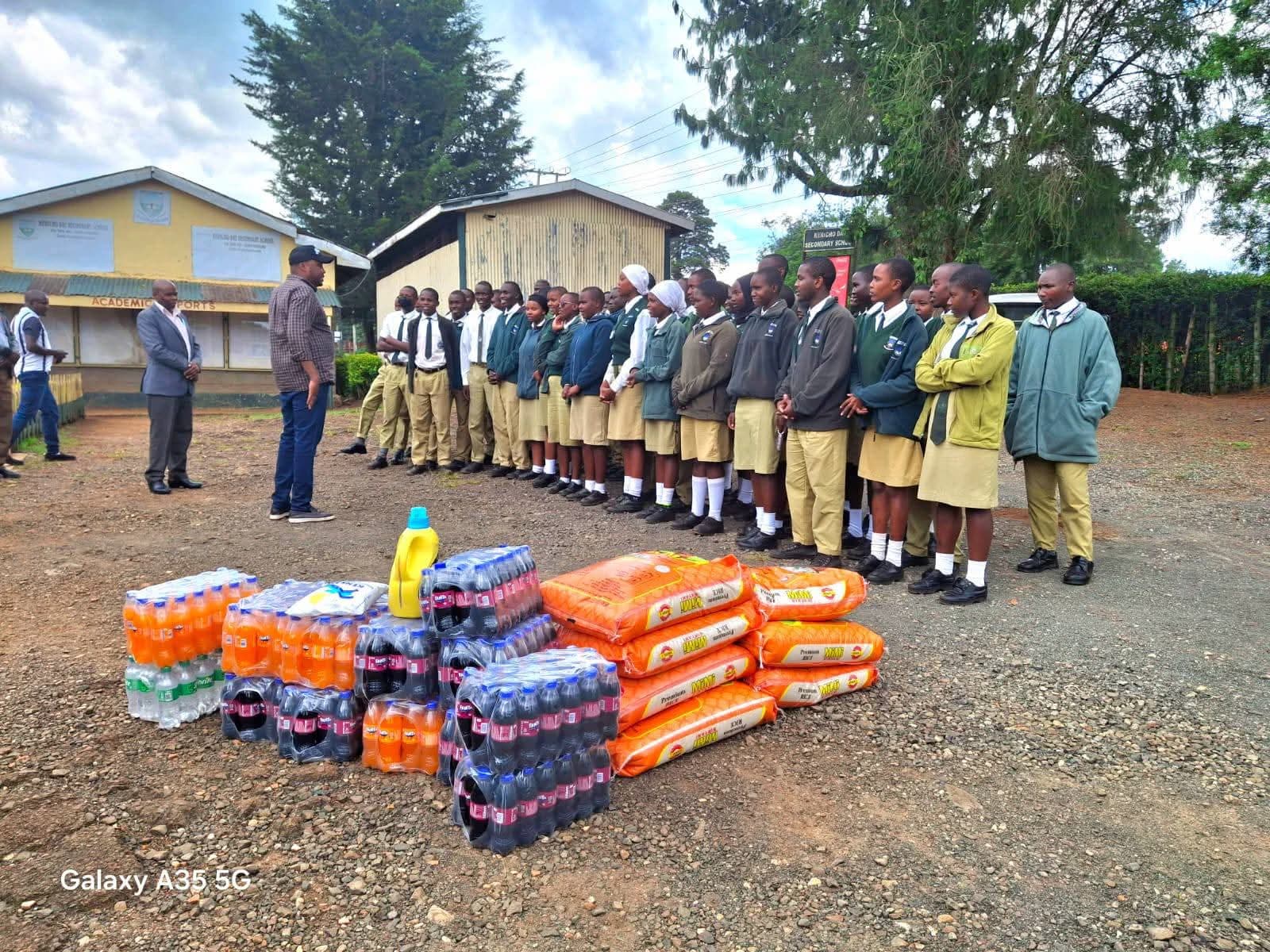



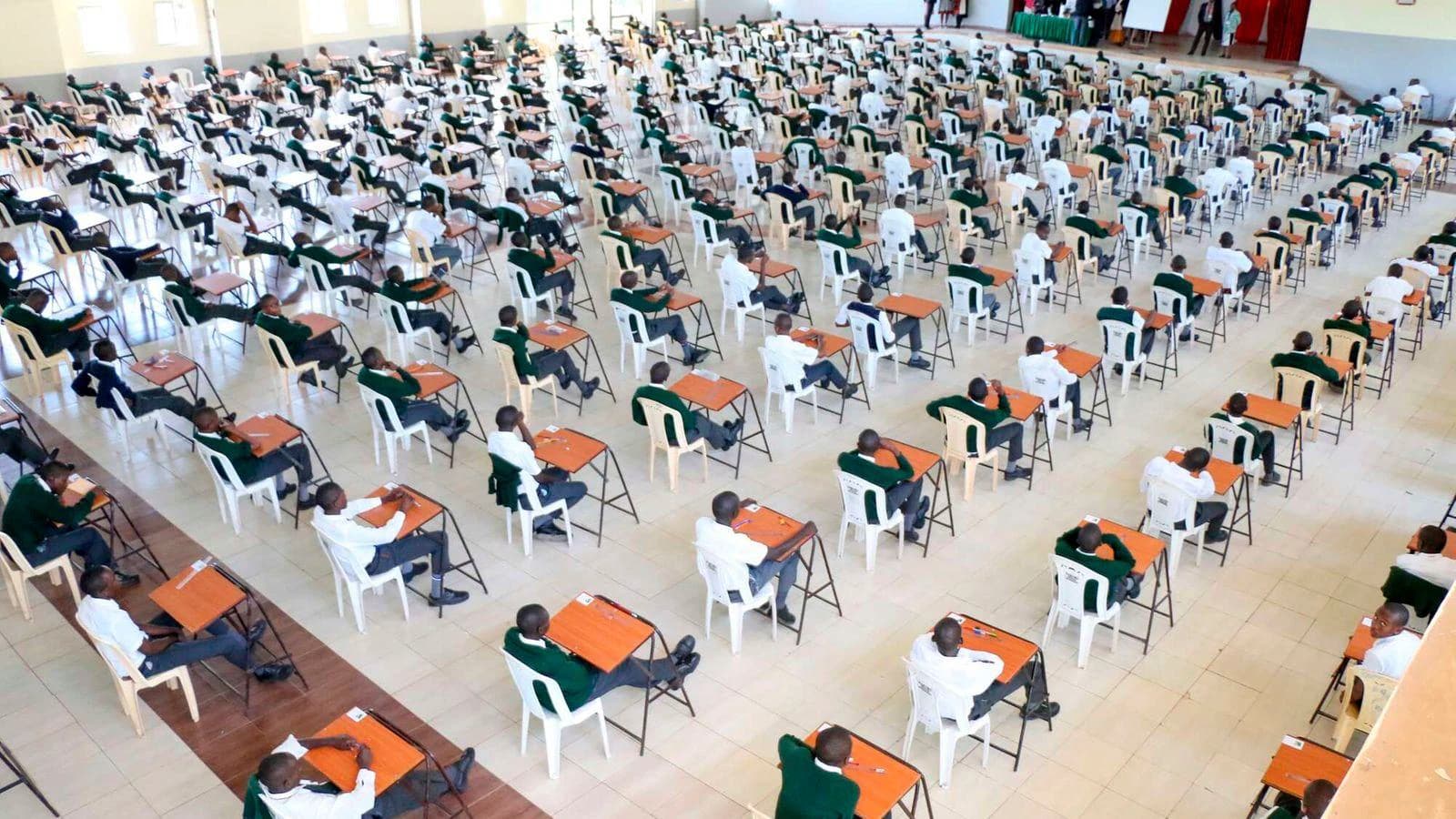




As schools prepare to close for the long holiday, many parents are looking forward to spending more time with their children. For learners, the break offers a welcome opportunity to rest, visit relatives, reconnect with friends and enjoy life outside the classroom.
But as we prepare to send our children home for the holidays, there is a conversation we cannot afford to ignore: alcohol and substance abuse among young people, and the role that adults sometimes play in normalising behaviour that puts children at risk.
Recently, I had a casual conversation with a few children about their holiday plans. What began as an ordinary chat took an unexpected turn when the subject of alcohol consumption emerged. Some of the things I heard about children's exposure to alcohol at home left me deeply concerned.
I found myself asking a difficult question: Could the first taste of alcohol for some children be happening in the very homes where they are supposed to learn how to protect themselves from its dangers?
We often warn young people about bad company, irresponsible friends and the dangers lurking outside their homes. Yet, we sometimes overlook the influence of what happens within our own households. When alcohol is openly consumed in front of children, kept within easy reach or treated as an ordinary feature of family life, what lessons are we teaching them?
Some families maintain small bars at home for personal use or entertainment. There is nothing about the mere presence of adults' social habits that automatically determines a child's future. However, when children are invited to taste alcohol, see excessive drinking celebrated or repeatedly witness adults using alcohol to cope with stress, curiosity can develop into experimentation.
A child may take that first sip out of curiosity, imitation or a desire to feel grown-up. Another may later accept a drink from friends because it no longer seems unfamiliar. Not every child exposed to alcohol will develop a drinking problem, but early exposure is a risk worth taking seriously.
We cannot consistently warn children against the bottle while our own behaviour makes it appear harmless or attractive.
The home is the first classroom
Long before a child learns about drugs and substance abuse in a school lesson, the home has already begun shaping their attitudes. Children observe how adults behave, how they celebrate, how they handle disappointment and what they consider acceptable.
They notice more than we sometimes realise.
When a parent repeatedly drinks excessively, a child may begin to associate alcohol with relaxation, happiness, social status or adulthood. If adults offer children a taste as a joke, they may not appreciate the message being communicated. What appears insignificant to an adult can become an invitation to experiment in a child's mind.
This is not an argument for condemning parents who consume alcohol, nor should families struggling with alcohol dependence be subjected to stigma. Rather, it is a call for adults to examine their example and understand that children learn from what we do as much as from what we say.
The National Authority for the Campaign Against Alcohol and Drug Abuse (NACADA) has an important role in educating families and communities about substance-use prevention. However, prevention cannot be left to government agencies alone. Parents are a child's first line of protection.
Peer pressure and parental responsibility
Adolescence comes with a strong desire to belong. Young people want friendships, acceptance and the reassurance that they are not being left behind by their peers. Sometimes, the fear of appearing immature is enough to make a teenager agree to something they would otherwise reject.
During a long holiday, the usual school routine disappears. Some learners have more freedom, more time with friends and fewer structured activities. For parents who are busy working or running businesses, keeping track of their children's activities can become challenging.
This is where peer pressure can become particularly dangerous.
A young person may be offered alcohol at a gathering, encouraged to experiment by friends or challenged to prove their maturity. Without the confidence to say no, they may give in. Those who have already seen alcohol treated casually at home may find it even harder to recognise the risks.
Parents should therefore do more than ask their children where they are going. They need to know who their children spend time with, what activities they participate in and which adults are responsible for their safety.
More importantly, children need to know that they can approach their parents when something goes wrong. If every difficult disclosure is met with shouting, humiliation or immediate punishment, a child may choose silence over seeking help.
We must create homes where children can speak honestly, while maintaining clear and firm boundaries about underage drinking and substance use.
**What does research tell us?**
Research on adolescent substance use has repeatedly highlighted the importance of family relationships, parental supervision and peer influence.
A study published in the Journal of Adolescent Health in 2005 by Nash, McQueen and Bray examined the relationship between family influences and adolescent alcohol use. It found that clear parental disapproval was associated with reduced susceptibility to peer pressure and lower subsequent alcohol use and related problems.
The implication is straightforward: Parents should communicate their expectations clearly and consistently. Silence does not protect children, and assuming that a child knows better is not a substitute for guidance.
Kenya has also undertaken research into substance use among secondary school learners. Such studies provide important evidence for prevention efforts, although findings from a particular study should not be mistaken for current national prevalence figures.
The lesson is not that every child who sees a parent drinking will become a drinker. It is that family behaviour, social relationships and the environment in which children grow up deserve serious attention.
Busy parents, do you really know your children?
Modern parenting is demanding. The cost of living, work pressures, family responsibilities and the desire to provide a better future for our children can leave parents exhausted.
Many parents work hard to ensure that school fees are paid, food is available and their children have the necessities of life. These sacrifices matter. But providing materially is only one part of raising a child.
A child can have everything money can buy and still lack the attention, guidance and emotional support needed to make responsible decisions.
How often do we sit with our children and ask what is happening in their lives? Do we know their closest friends? Have we discussed alcohol, drugs and the pressure to fit in? Would they feel safe telling us that somebody had offered them a drink?
These are not questions to be asked only after a problem has emerged.
Parents do not need to organise elaborate meetings to have meaningful conversations. Sometimes, the most valuable lessons emerge during an ordinary meal, a walk, a journey or a quiet evening at home. What matters is creating an opportunity for honest communication.
Making the holiday count
As learners begin their long break, parents should deliberately plan how their children will spend their time. Reading, sports, creative activities, household responsibilities, visits to relatives and age-appropriate skills development can provide structure and help young people discover their interests.
Children should also have time to rest and enjoy themselves. The aim is not to turn the holiday into another school term, but to provide a healthy balance between freedom and responsibility.
Parents should keep alcohol and other potentially harmful substances securely out of children's reach. They should never encourage minors to taste alcoholic drinks or treat early experimentation as a harmless milestone.
Where a parent is struggling with alcohol dependence, seeking appropriate support is an act of responsibility, not weakness. Protecting children sometimes requires adults to acknowledge that they, too, need help.
Schools can reinforce these efforts through guidance and counselling, life-skills education and open discussions about resisting peer pressure. Faith communities, community organisations and public agencies also have a role in helping families understand the risks and access support.
Most importantly, adults must practise what they teach. Children are more likely to appreciate self-control, responsibility and healthy choices when they see these values demonstrated in everyday life.
The values we pass on
It is easy to blame modernity for the challenges facing today's children. Changing lifestyles and social influences have certainly altered family life, but the deeper question is whether we are deliberately passing on the values that help young people distinguish right from wrong.
Values are not established through lectures alone. They grow through example, consistent expectations, correction, love and the willingness to guide children even when doing so is inconvenient.
The Bible offers a reminder in Proverbs 22:6: "Train up a child in the way he should go." The message is relevant to every parent who hopes to raise a responsible and principled young person. Training requires involvement. It means showing children the right path, explaining why it matters and helping them develop the confidence to make sound choices.
As parents, we cannot control every influence our children encounter. We can, however, equip them to respond wisely when faced with difficult choices.
The conversation I had with those children has remained with me because it reminded me that young people see and hear more than adults sometimes imagine. Their experiences should prompt us to reflect on our own homes, habits and responsibilities.
As we prepare for the long holiday, let us ask ourselves an uncomfortable but necessary question: Are we helping our children resist alcohol, or are some of our own habits making it easier for them to embrace it?
Protecting children from substance abuse is not the responsibility of teachers or government agencies alone. It begins with parents who are willing to listen, set boundaries, offer guidance and lead by example.
This holiday, let us give our children more than money, gifts and freedom. Let us give them our time, our attention and the values that will help them make responsible choices long after the school gates reopen.
Email: jackiekrk@yahoo.com


Reader Discussion (0)
Sign in to comment