

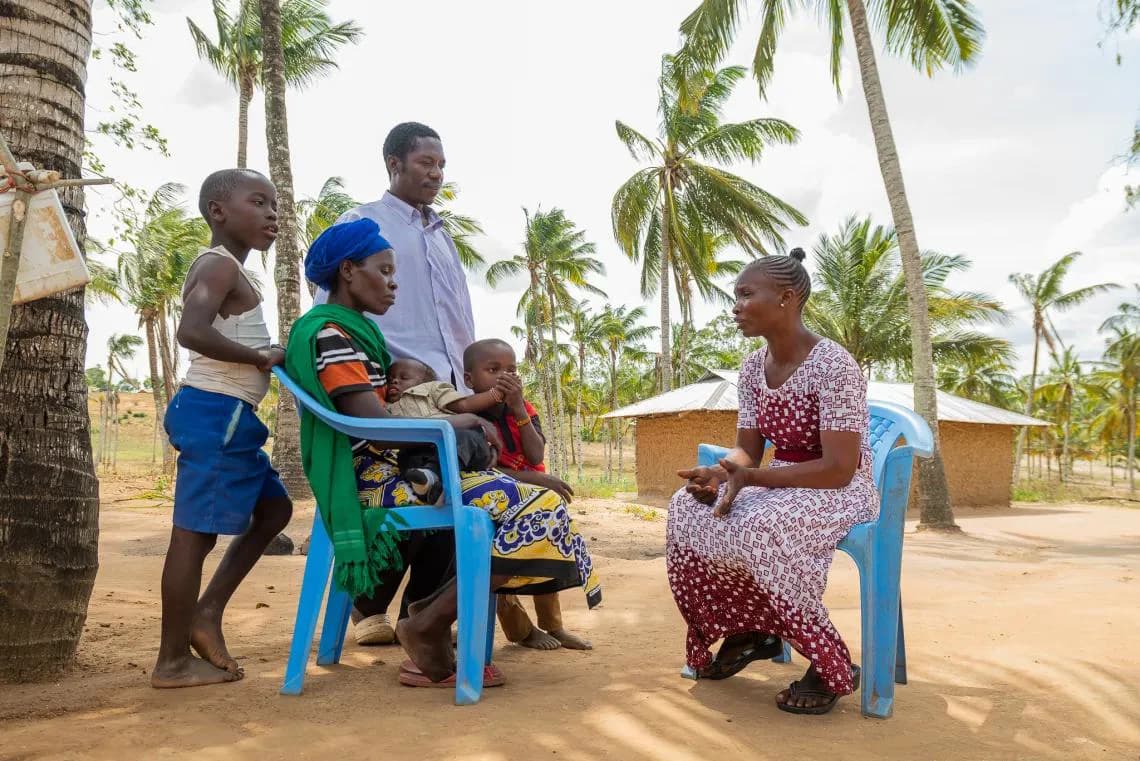




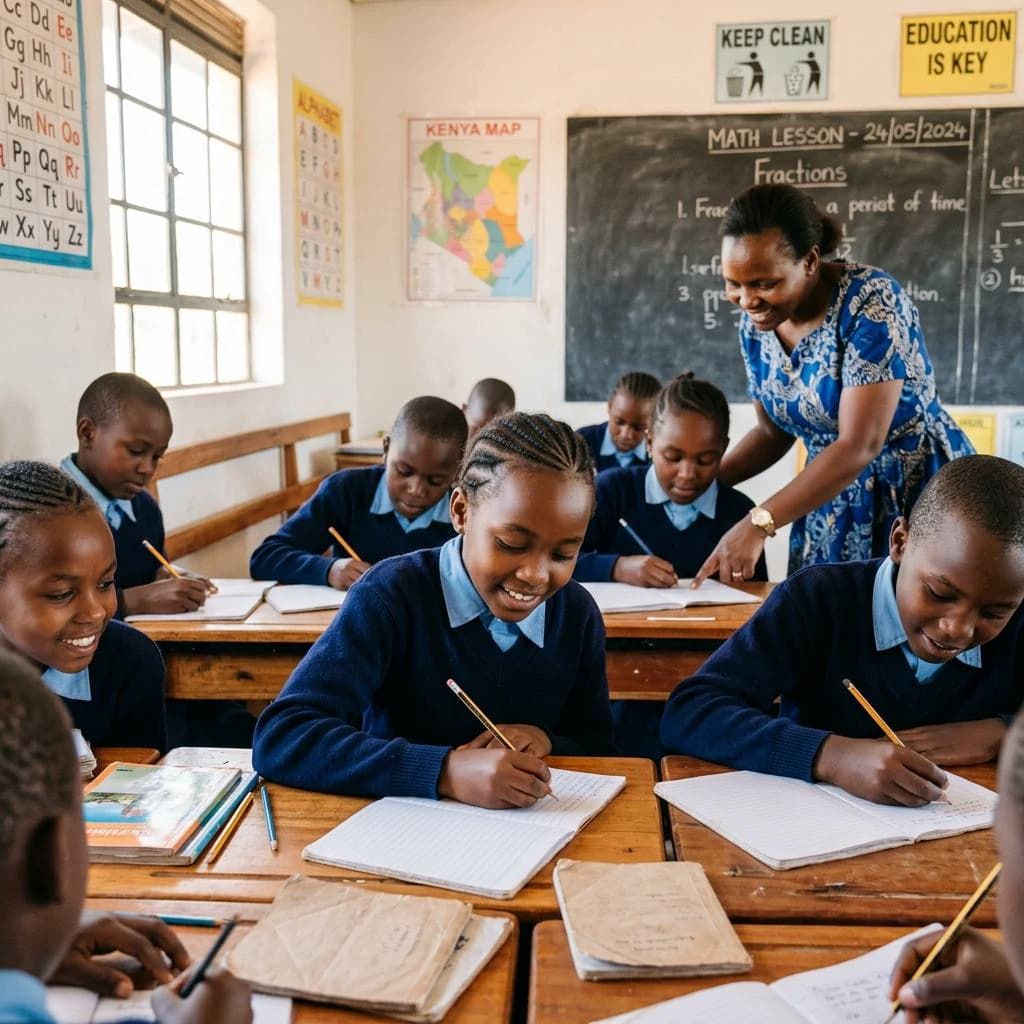


For Kenyan families, the school holiday presents a practical challenge: Children need time to rest and socialise, but unsupervised freedom can expose them to night outings, substance use, risky relationships, online harm and other dangers.
The goal is to help learners enjoy the break while developing discipline, sound judgment and responsibility.
The holidays also offer opportunities to strengthen family relationships, teach practical skills and build trust. Parents should balance supervision with independence, while learners should understand that discipline continues even after schools close.
Night outings and unsupervised dances
Parties, dances and other entertainment events can expose learners to unsafe environments, strangers, substance use and exploitation, especially when they travel or remain out late without supervision.
Loitering around shopping centres and residential areas may also increase the risk of accidents and violence.
Parents should know where their children are going, whom they will meet and how they will return home.
Clear agreements, reasonable curfews and access to a trusted adult can promote safety without necessarily banning every social activity.
Alcohol, drugs and peer pressure
Without the structure of school, some learners may experiment with alcohol, cigarettes, vaping products, bhang and other substances out of curiosity or a desire to fit in.
These choices can impair judgment and lead to health problems, conflict and further risks.
Parents should discuss the dangers in age-appropriate language and help children practise refusing substances, leaving unsafe situations and seeking help without fear of humiliation.
Relationships, sexual health and child protection
Learners need guidance on relationships, consent, personal boundaries and online communication.
Unhealthy relationships, coercion and exploitation can cause emotional harm and expose children to sexually transmitted infections and unintended pregnancies.
Perpetrators may use gifts, money, promises of employment or emotional manipulation to exploit children.
Parents should create a supportive environment where children can ask questions and report troubling experiences without fear of blame.
Age-appropriate information about sexual health and safety is essential.
Where abuse or exploitation is suspected, the priority should be the child's safety, support and access to appropriate protection services.
When children disregard advice from elders
Disagreements often arise when learners seek independence while adults enforce household rules.
Defiance and rude responses can strain relationships, but such situations also create opportunities to teach rather than simply punish.
Older family members can offer valuable lessons about responsibility, relationships and the consequences of poor choices.
Respect, however, should be mutual. Adults should explain their concerns, listen to children's views and distinguish genuine safety issues from differences of opinion.
Learners should be encouraged to ask questions and disagree respectfully while understanding that independence comes with responsibility.
Betting, gambling and money management
Online betting and gambling can lead to financial losses, dishonesty, unauthorised borrowing and theft, especially when young people attempt to recover losses by placing more bets.
Parents can use the holiday period to teach budgeting, saving, honesty and the difference between earning money and taking financial risks.
When misconduct occurs, correction should include understanding the harm caused and making amends.
Social media: Connection or distraction?
Phones, gaming platforms and social media can support learning and friendships, but excessive use can disrupt sleep, exercise and family interaction.
Cyberbullying, scams, contact with strangers, harmful content and the sharing of private images create additional risks.
Families should discuss privacy, respectful online behaviour and reasonable screen-time limits.
Technology should be guided rather than treated as the enemy. Learners can use it for reading, research, creative projects and communication with trusted friends.
They should also feel comfortable reporting harassment or uncomfortable online encounters without being blamed or automatically losing access to their devices.
### Friendships, fights and risky behaviour
Peer pressure can encourage fighting, bullying, intimidation, reckless stunts and other harmful behaviour.
Learners may participate to avoid rejection, impress friends or cope with boredom and frustration.
Parents should help children recognise unhealthy influences and make independent decisions.
Sudden or persistent behavioural changes should prompt conversation rather than immediate condemnation, allowing families to identify and address underlying problems early.
### Road safety, swimming and holiday adventures
Children need opportunities to play and explore, but activities involving water, travel or traffic require precautions.
Swimming in rivers, dams, quarries and other unsafe water bodies without supervision, riding motorcycles without helmets, unlicensed driving and reckless stunts can have serious consequences.
Parents should arrange appropriate supervision, teach traffic and water safety, and help children recognise danger without discouraging healthy recreation.
### Holidays are not an excuse to abandon learning
A holiday should provide rest without abandoning learning and responsibility.
Excessive gaming, irregular sleep and prolonged television viewing can make the return to school difficult, while neglecting reading, revision and assignments may leave learners unprepared.
A balanced routine can include reading, sports, hobbies, household chores, family activities and adequate rest.
Age-appropriate responsibilities help build independence and teamwork. Any holiday work should be safe, lawful and compatible with the child's well-being.
Parents, teachers and communities share the responsibility
Learner safety is a shared responsibility.
Teachers can offer guidance before schools close, while community leaders, religious institutions and youth organisations can provide mentorship, sports and constructive activities.
Parents and guardians should maintain open communication, set clear expectations and respond to children's changing needs.
Serious behavioural difficulties may require professional support.
Above all, children should know that asking for help demonstrates good judgment, not weakness.
The aim is not to monitor every movement or treat every learner as a potential offender, but to create conditions in which children can enjoy the holidays while developing confidence, judgment and responsibility.
The real measure of a successful holiday
A holiday should be more than a countdown to school reopening.
It should allow learners to recover from academic demands, reconnect with family, build friendships, discover interests and prepare for adulthood.
Parents must guide without suffocating, elders must counsel with understanding, and learners must recognise that freedom works best with responsibility.
The real test is whether families can turn freedom into an opportunity for growth, trust and maturity.
When schools reopen, success will be reflected in learners who are not only rested and ready to study but also safer, more considerate, confident and better equipped to make responsible decisions.
A good holiday should leave children with more than memories; it should leave them with lessons that last a lifetime.




Reader Discussion (0)
Sign in to comment