

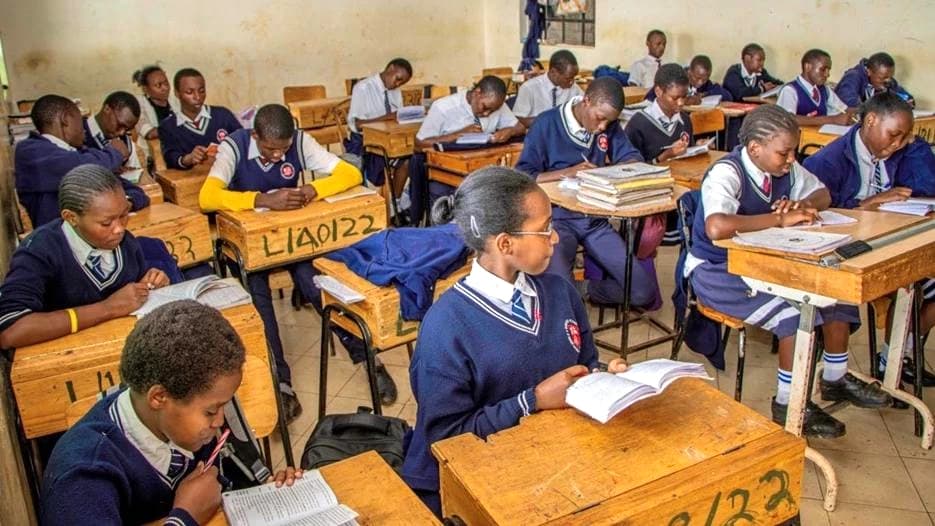

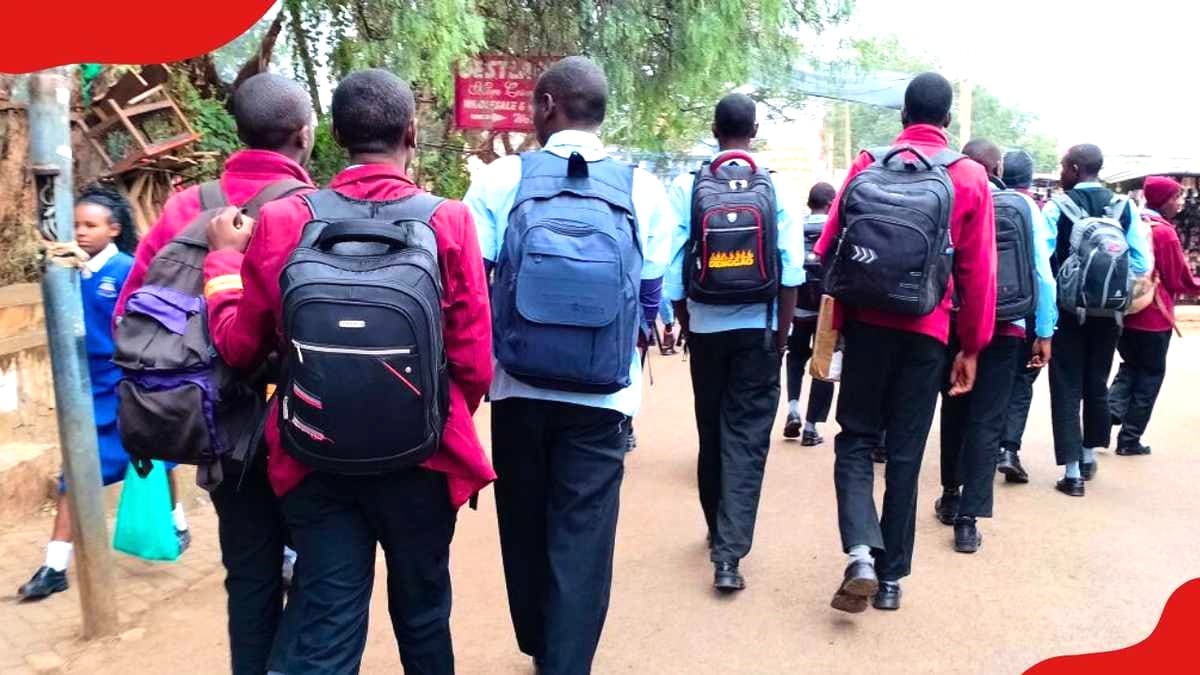



Millions of Kenyan learners are heading home for the long December holiday, triggering renewed calls for parents and guardians to strengthen supervision as concerns grow over teenage pregnancies, substance abuse, sexual exploitation and other risks facing children outside the school environment.
The extended break, which runs until January 3, 2027, presents families with an important opportunity to reconnect with their children, but it also places greater responsibility on parents to ensure learners remain safe, disciplined and engaged in constructive activities.
According to a report published by The Star on October 21, 2026, schools are scheduled to officially close on Friday, October 23, although some institutions have already released learners as they prepare for the national examinations and assessments.
Schools are expected to reopen on January 4, 2027, marking the beginning of the new academic year.
Parents urged to take centre stage in child protection
The long holiday has renewed concerns about the safety and well-being of learners who spend weeks away from the structured routines of school.
Parents and guardians have been urged to monitor their children's movements, understand their social circles and maintain open communication throughout the break.
Education stakeholders have repeatedly emphasised the importance of keeping young people occupied through productive activities, including reading, household responsibilities, sports, talent development, religious programmes and community service.
Such initiatives can help learners develop responsibility, strengthen their social skills and reduce exposure to harmful peer pressure.
Parents have also been encouraged to create an environment in which children can report abuse, exploitation or other troubling experiences without fear of punishment or intimidation.
Teenage pregnancies remain a major concern
Teenage pregnancies remain among the serious social challenges facing Kenyan families, with regional disparities highlighting the need for targeted interventions.
Data cited by The Star from the Kenya National Bureau of Statistics indicates that Nairobi County records more than 14,000 teenage pregnancy cases among girls aged 10 to 19, while Kakamega County records nearly 12,000.
The report further identifies Samburu County as having the highest prevalence among girls aged 15 to 19, at 50.1 per cent, followed by West Pokot County at 36.3 per cent, according to the 2022 Kenya Demographic and Health Survey.
These figures underline the need for sustained collaboration among parents, schools, communities and child protection agencies to safeguard adolescents.
Beyond supervision, young people need age-appropriate reproductive health information, trusted adults to turn to and protection from coercion, exploitation and abuse.
The holiday should therefore be treated not merely as a break from classroom learning, but also as a period for strengthening family relationships, life skills and personal responsibility.
Substance abuse and peer pressure under scrutiny
The risk of substance abuse is another concern during extended school holidays, particularly where learners lack meaningful activities or adequate adult guidance.
Parents have been encouraged to remain attentive to behavioural changes, unexplained absences and potentially dangerous social environments without resorting to excessive punishment or hostility.
Community leaders, youth organisations and local institutions can also contribute by organising sporting activities, mentorship programmes and other initiatives that provide young people with positive alternatives.
A coordinated approach is essential because child protection cannot be left to schools alone. Families and communities must work together to ensure that learners return to school physically safe, emotionally supported and ready to resume their education.
Millions of candidates prepare for national assessments
As schools close, millions of candidates are also preparing for an important examination period.
The Kenya Primary School Education Assessment (KPSEA) and the Kenya Junior School Education Assessment (KJSEA) are scheduled to begin on October 26, 2026.
The Kenya Intermediate Level Education Assessment (KILEA) will take place from October 26 to October 30, while the Kenya Pre-Vocational Level Education Assessment (KPLEA) is scheduled for October 26 to October 29.
KPSEA is administered to Grade 6 learners, while KJSEA assesses Grade 9 learners completing junior school and informs their transition to senior school.
KILEA serves learners following the intermediate-level curriculum, while KPLEA caters to learners pursuing the pre-vocational curriculum.
Meanwhile, Kenya Certificate of Secondary Education (KCSE) candidates undertaking oral and practical examinations are scheduled to begin their written papers on October 28, with the examinations expected to conclude on November 20.
The report indicates that the Kenya National Examinations Council (KNEC) will administer national examinations and assessments to approximately 3.6 million candidates in 2026.
NTSA warns drivers as learners travel home
The National Transport and Safety Authority (NTSA) has also called on public service vehicle operators to prioritise the safety of children travelling home for the holidays.
The authority has urged drivers to obey traffic regulations, ensure vehicle speed limiters are functional and comply with the requirements of the Intelligent Road Safety Management System.
The warning comes as families make travel arrangements across the country, raising the importance of responsible driving, roadworthiness inspections and proper passenger management.
Parents and guardians have similarly been encouraged to use safe and reliable transport arrangements when sending children to their rural homes or other holiday destinations.
A holiday that must protect children and prepare them for the future
The 10-week school holiday should be an opportunity for rest, family bonding, talent development and personal growth—not a period in which children are left exposed to preventable dangers.
As learners return home, parents, guardians and communities have a shared responsibility to provide guidance, protection and constructive opportunities.
The ultimate measure of a successful holiday will not simply be how children spend their free time, but whether they return to school safe, healthy, confident and ready to continue their education.


Reader Discussion (0)
Sign in to comment