








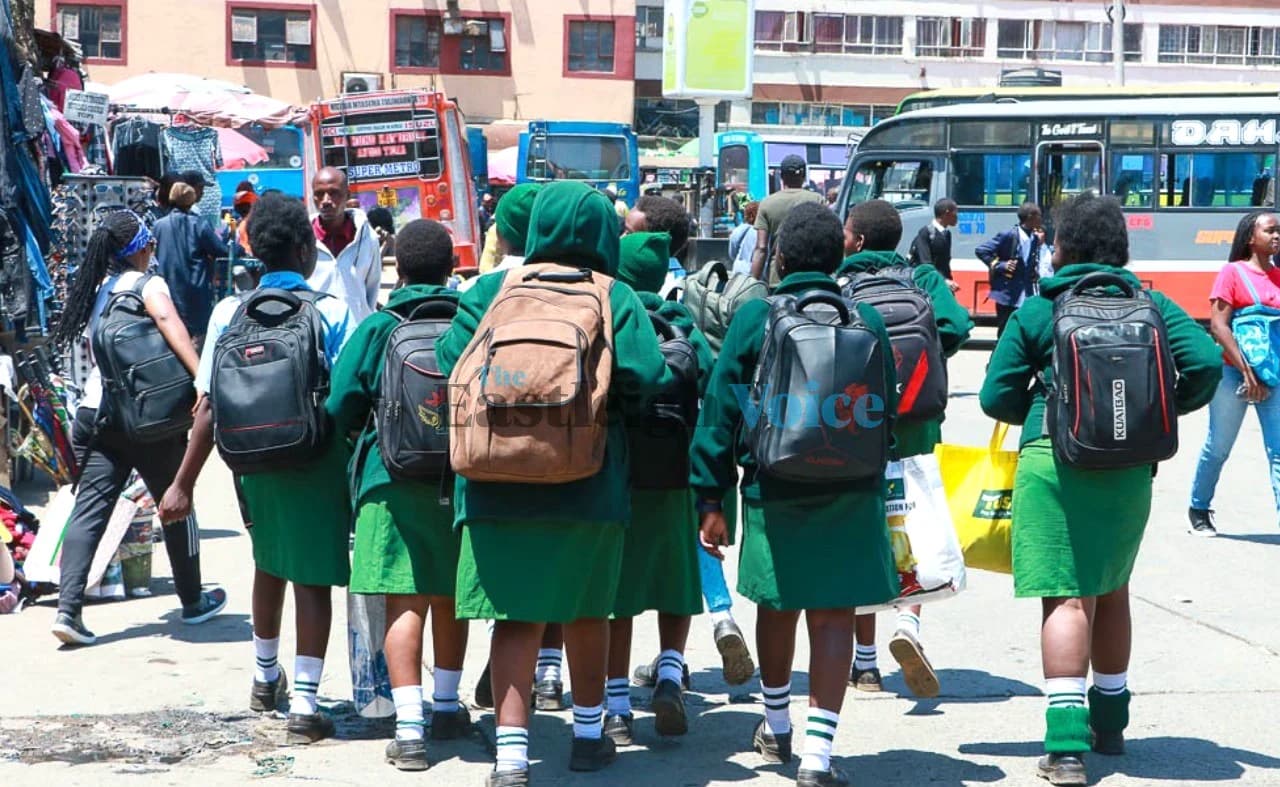
The closing of school gates signals freedom for learners, but for parents and educators, it also marks the beginning of a different responsibility. Without the familiar timetable, classroom rules and daily supervision, young people must make choices that reveal their judgement, values and sense of responsibility.
Will they use the holiday to grow, discover their abilities and strengthen family relationships, or will unstructured time expose them to harmful influences and avoidable risks? The answer depends partly on the choices learners make, but also on the guidance, example and protection provided by the adults around them.
As an educator, I believe we must stop treating holiday guidance as a routine announcement at the end of term. Preparing children for life beyond the classroom is central to education itself. They deserve the freedom to enjoy their childhood, but they also need the wisdom to recognise danger, the courage to resist negative pressure and the confidence to seek help when necessary.
The school term may end, but the responsibility to nurture character does not.
Freedom must come with responsibility
A long holiday should provide learners with an opportunity to rest and recharge, not an excuse to abandon discipline. Without a reasonable routine, days can easily slip into excessive screen time, idleness and aimless movement from one place to another.
Parents can help their children establish simple routines that accommodate reading, recreation, physical activity, household duties and adequate rest. Those preparing for examinations can revisit difficult topics and practise questions without turning the entire holiday into another school term.
Equally, children should have time to play, explore their interests and enjoy family life. The objective is not to account for every minute, but to help learners understand that freedom is most rewarding when exercised responsibly.
Discipline is not demonstrated only when a teacher is watching. Its true measure lies in the decisions a learner makes when there is no one present to enforce the rules.
The home is another classroom
The holiday provides an opportunity for children to appreciate the effort involved in running a household. Simple, age-appropriate responsibilities such as tidying their rooms, helping prepare meals, tending a garden and assisting with family projects can teach valuable lessons about cooperation and accountability.
Our children should understand that maintaining a home is a shared responsibility, not an obligation that rests exclusively on parents or domestic workers. Education should prepare young people not only to pass examinations but also to become capable, responsible adults.
Parents should assign reasonable tasks without exposing children to hazardous work or depriving them of rest and recreation. Helping at home should be presented as a contribution to family wellbeing rather than punishment for being on holiday.
These ordinary experiences can shape a child's attitude towards work, strengthen family bonds and nurture an appreciation of the efforts others make on their behalf.
The company children keep matters
One concern during the long holiday is the influence of peer groups. With more unstructured time, learners may encounter situations involving alcohol, drugs, unsafe gatherings, violence and other risky activities. Some may participate simply because they fear rejection or want to appear mature before their friends.
Telling children to avoid bad company is important, but it is not enough. They need honest conversations about the pressures they may face and practical guidance on how to respond. They should know that saying no is acceptable, walking away from an unsafe situation is wise and asking for help is a sign of strength.
Parents and guardians should take an interest in their children's friendships and activities. Knowing where a child is going, whom they will be with and when they expect to return is a reasonable safeguarding measure.
There is also a need for age-appropriate conversations about sexual exploitation, coercion and inappropriate relationships. Young people must understand personal boundaries, recognise manipulative behaviour and know that no one has the right to abuse them or demand secrecy about an unsafe encounter.
Above all, children need homes where they can speak honestly about their experiences without immediately fearing humiliation or harsh punishment. When young people trust the adults around them, they are more likely to seek help before a difficult situation becomes a crisis.
The dangers that come through a screen
Today's learners face challenges that previous generations did not encounter in quite the same way. A child may be physically safe at home yet remain vulnerable to harmful influences through a smartphone.
Social media offers opportunities for learning, creativity and communication. However, irresponsible use can expose learners to cyberbullying, online fraud, exploitation and inappropriate content.
Children should understand that a message sent in anger, an embarrassing photograph shared carelessly or another person's private information circulated without permission can cause lasting harm. Online behaviour has real consequences, even when the people involved are not physically together.
Parents should discuss online safety with their children, encourage them to protect personal information and teach them to report threatening messages or suspicious interactions. Reasonable limits on screen time can also help maintain a balance between digital engagement and other activities.
Reading, sports, music, art, gardening and spending time with family offer valuable alternatives. Our task is not simply to keep children away from technology, but to teach them how to use it wisely.
Not every child looks forward to going home
As we prepare learners for the holiday, we must remember that not every child returns to a peaceful or comfortable home. Some face bereavement, family conflict, neglect, financial hardship or emotional distress. While their classmates may be excited about family outings and reunions, these learners may be quietly worried about what awaits them.
As educators, we may not know every difficulty a child is experiencing, but we can make a difference by listening, offering reassurance and directing learners to appropriate support when necessary.
Parents, too, should make time for conversations that go beyond academic performance, chores and discipline. Sometimes, a child needs an adult who will listen patiently rather than rush to criticise or issue instructions.
Physical safety also deserves attention. Learners should be reminded about road safety, fire hazards, unsafe swimming locations and other preventable dangers. They should know whom to approach when they feel threatened and understand that seeking help is never something to be ashamed of.
Protecting children is not the responsibility of parents alone. Teachers, relatives, neighbours and the wider community must remain alert to situations that place young people at risk.
Character is built through everyday choices
A meaningful holiday is not measured only by the books a learner reads or the activities completed. It is also reflected in the values developed through everyday experiences.
A child demonstrates honesty by admitting a mistake, kindness by helping a neighbour, respect by caring for another person's property and responsibility by fulfilling an agreed task without constant reminders.
Learners can also discover practical talents, learn new skills and participate in suitable community activities. Such experiences broaden their understanding of success and help them appreciate that everyone has something valuable to contribute to society.
Academic achievement remains important, but good grades alone cannot tell us whether a young person is considerate, dependable or capable of making sound decisions. Education must nurture both intellectual ability and character.
At the same time, we should not turn the holiday into a demanding programme in which every hour must produce an achievement. Children need rest, play and the freedom to explore their interests. A healthy balance allows them to return to school refreshed rather than exhausted.
Schools and families must work together
Preparing learners for the holiday should not be reduced to a few warnings delivered during the closing assembly. Schools need to engage learners in practical conversations about safety, personal responsibility, relationships and the choices they may encounter away from the classroom.
Before closing, teachers can encourage learners to set a few realistic goals, such as reading a book, improving in a challenging subject, learning a practical skill or helping with a family project.
Parents and guardians should reinforce these lessons at home through consistent guidance, reasonable boundaries and personal example. Children are more likely to embrace honesty, respect and self-discipline when they see these values demonstrated by the adults around them.
Learners should also be involved in planning their holidays. Asking them what they hope to achieve, how they intend to spend their time and what challenges they anticipate can encourage ownership of their decisions. Guidance becomes more effective when children understand its purpose rather than experience it merely as a list of restrictions.
Ultimately, schools and families must work as partners in preparing young people not just for examinations, but for the realities of life.
The lessons that follow learners home
As the long holiday begins, parents and guardians must remember that children need more than rules. They need time, attention, encouragement and adults who are willing to lead by example. They need boundaries that protect them without denying them the opportunity to grow.
To our learners, enjoy your holiday. Spend time with your families, discover your talents, help at home and nurture friendships that bring out the best in you. Do not allow the desire to please others to push you into decisions that could jeopardise your safety or future. When faced with uncertainty, seek guidance from an adult you trust.
To my fellow educators, let us continue preparing learners for the situations they will encounter beyond the classroom. The values we teach must find expression in the choices they make when school rules and direct supervision are no longer present.
Let us not wait for a tragedy, a disciplinary case or a painful mistake before we take an interest in how our children spend their holidays. Let us guide them early, listen without prejudice, set reasonable boundaries and give them the confidence to make responsible choices.
When schools reopen, the evidence of a meaningful holiday should extend beyond completed assignments. We should see learners who have become more considerate, more responsible at home, more conscious of their safety and better equipped to make independent decisions.
Our duty as educators does not end with preparing learners to pass examinations. It also involves helping them become responsible citizens who respect others, exercise sound judgement and contribute positively to their communities.
The school gates may close, but our responsibility to nurture the next generation continues. Let us give our learners the freedom to grow, the guidance to remain safe and the values to make choices they can be proud of when the holiday ends.
Email: jackiekebongo@gmail.com



Reader Discussion (0)
Sign in to comment