





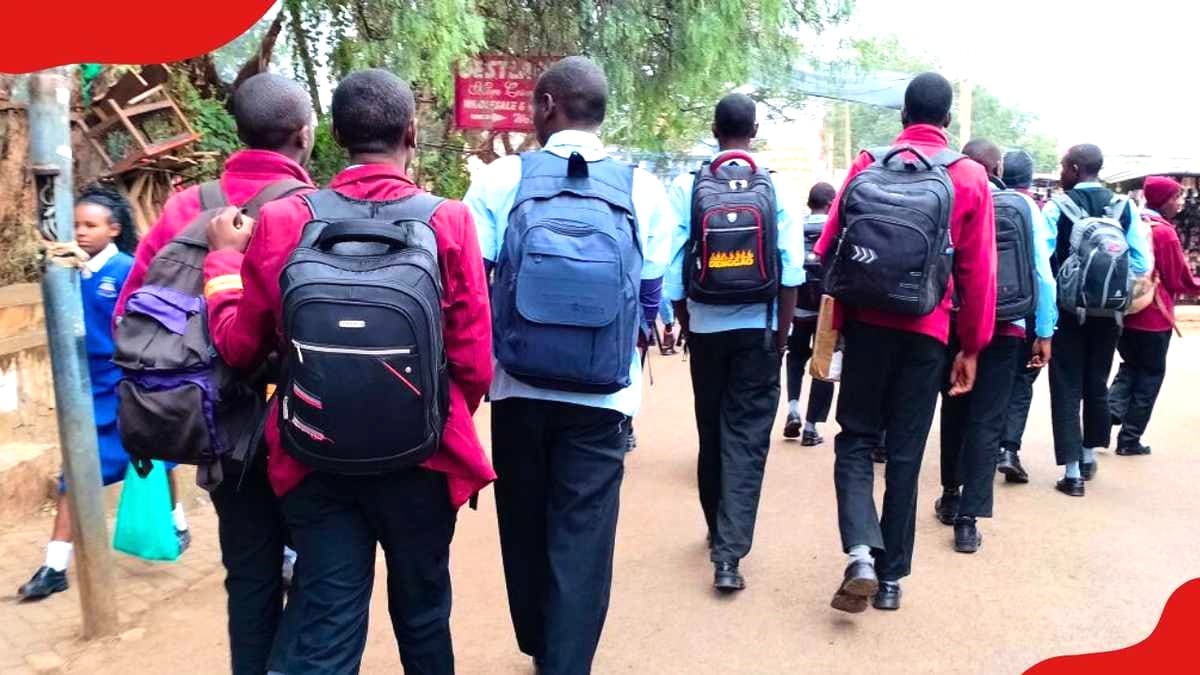
As schools close for the holidays, parents and guardians must ask themselves an important question: how will our boys spend their time, who will influence them, and are we paying enough attention to their emotional and social well-being?
For years, Kenya has rightly championed the empowerment of the girl child through education, protection from abuse and harmful cultural practices, and the promotion of equal opportunities. These efforts remain essential. However, in celebrating the progress made, we must not overlook the boy child, whose challenges are sometimes dismissed on the assumption that boys are naturally strong, independent and capable of handling their problems alone. Both deserve protection, guidance and opportunities to thrive.
From an early age, many boys are taught to suppress their emotions. A boy who cries may be told to toughen up, while one who expresses fear or vulnerability may be ridiculed. Consequently, some learn to hide their struggles rather than seek help.
Yet boys experience academic pressure, bullying, rejection, family conflict, peer influence and anxiety about their future. Some withdraw into silence, while others express their distress through aggression, defiance or risky behaviour. What appears to be indiscipline may sometimes conceal a deeper problem that requires attention.
The World Health Organisation estimates that one in seven adolescents aged 10 to 19 experiences a mental disorder globally. Its guidance on adolescent mental health identifies bullying, harsh parenting and social pressures among the factors that can undermine young people's well-being.
These concerns challenge parents to look beyond material provision and discipline. Boys also need understanding, reassurance and safe spaces in which to speak honestly about their fears and disappointments.
The holiday test of parenting
School holidays provide opportunities for rest, family bonding and the development of practical skills. However, long periods without constructive activities, appropriate supervision or meaningful adult engagement can expose some boys to harmful influences. Alcohol and drug use, gambling, violence and other risky behaviours may begin through peer pressure, curiosity or the desire to belong. Kenyan research on substance use among secondary school learners has highlighted the importance of addressing peer and family influences, which reinforces the need for early intervention and responsible parenting.
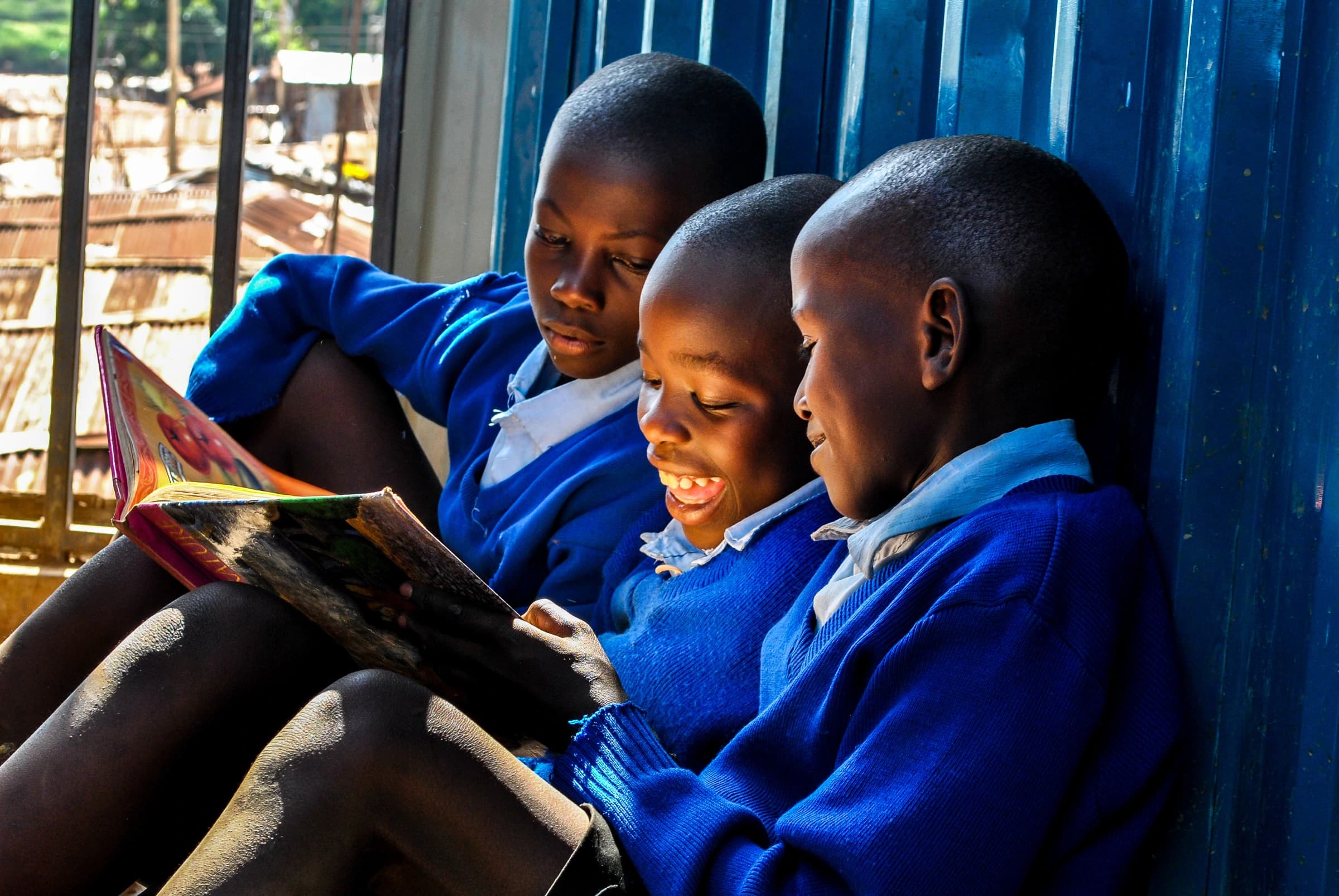
Parents must therefore be intentional about how their sons spend the holidays. They can encourage reading, sports, farming, creative arts, community service and age-appropriate responsibilities at home, know their sons' friends, understand their interests and set reasonable boundaries.
Supervision should not become excessive control. Boys also need opportunities to develop independence, exercise sound judgement and learn from mistakes under responsible adult guidance. The question is not whether a boy is occupied every minute, but whether he has a supportive environment, positive influences and the guidance needed to make responsible choices.
A boy's silence does not necessarily mean that everything is well, and not every behaviour change should be dismissed as indiscipline. Parents should pay attention to persistent withdrawal, unusual aggression, declining interest in previously enjoyed activities and significant changes in behaviour. Such signs do not necessarily indicate a mental health condition, but they may warrant a conversation or professional assessment.
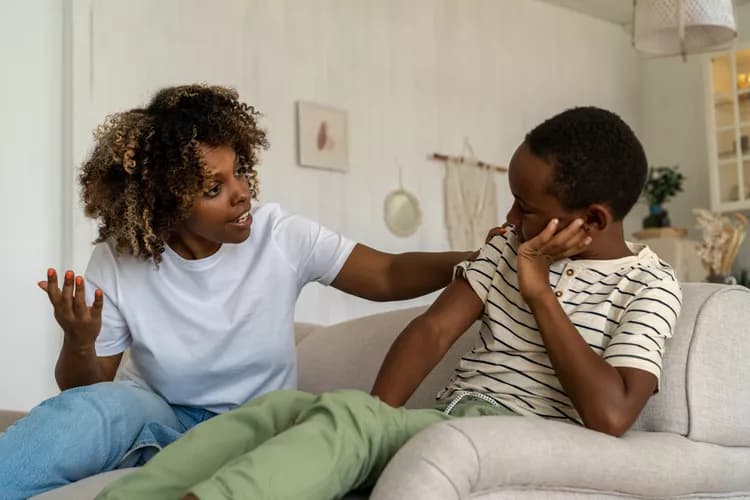
Ask your son what concerns him. Discuss friendships, relationships, academic disappointments and future ambitions without turning every conversation into a lecture, and listen without rushing to criticise, compare or prescribe solutions.
Most importantly, boys must know that seeking help is not a sign of weakness. Where emotional difficulties persist, parents should seek support from qualified counsellors or mental health professionals. Any talk of suicide or self-harm must be taken seriously and addressed urgently.
Fathers, mentors and schools must step forward
Raising boys is a shared responsibility. Fathers, uncles, grandfathers, teachers, coaches and other trusted adults all have a role in shaping boys' attitudes towards responsibility, relationships and personal conduct. Boys need positive examples of masculinity that go beyond physical strength, dominance or financial success. They should see men who manage anger constructively, respect women, accept correction, honour commitments and seek help when necessary. Where a father is absent because of death, separation or other circumstances, supportive relatives and mentors can provide stability, encouragement and guidance.
Schools also have a responsibility to strengthen guidance and counselling programmes. Teachers should be equipped to recognise emotional distress, address bullying and help learners deal with social pressures. Discipline remains necessary, but punishment alone cannot resolve every underlying problem. Parents and schools must work together so that boys receive consistent guidance during term time and over the holidays.
Raising boys of character
Families, churches, mosques and communities can contribute to the moral and emotional development of boys by combining values-based instruction with compassion and practical support. Proverbs 22:6 reminds parents to train children in the way they should go. That responsibility goes beyond giving instructions. It involves modelling integrity, respect, discipline and accountability, because children learn as much from what adults practise as from what they preach.
Boys should be taught that strength includes self-control, courage includes asking for help, and manhood does not require the suppression of every emotion. They must also understand that respecting others, accepting responsibility and making ethical choices are essential parts of maturity.
Let neither child be left behind
An empowered girl deserves a society in which boys understand equality, respect and shared responsibility. Equally, boys deserve the opportunity to become emotionally mature, responsible and confident individuals. The value of the boy child does not depend on his future usefulness as a husband or father. He deserves education, dignity, protection and care simply because he is a child.
As schools close, parents must look beyond providing food, clothing and entertainment. They must invest time in meaningful conversations, mentorship, constructive activities and the emotional well-being of their sons. We have rightly sounded the trumpet for the girl child. It is now time to ensure that the boy child is not left unheard.
The goal is not to choose between the girl child and the boy child, but to raise a generation in which both are protected, empowered and prepared to contribute positively to society. The schools may be closing, but the responsibility of parenting never takes a holiday.

Reader Discussion (0)
Sign in to comment