



Twenty days into the lecturers' strike, public universities are paralysed, and students are stranded. The government must turn the 2025-2029 CBA into a funded, enforceable agreement
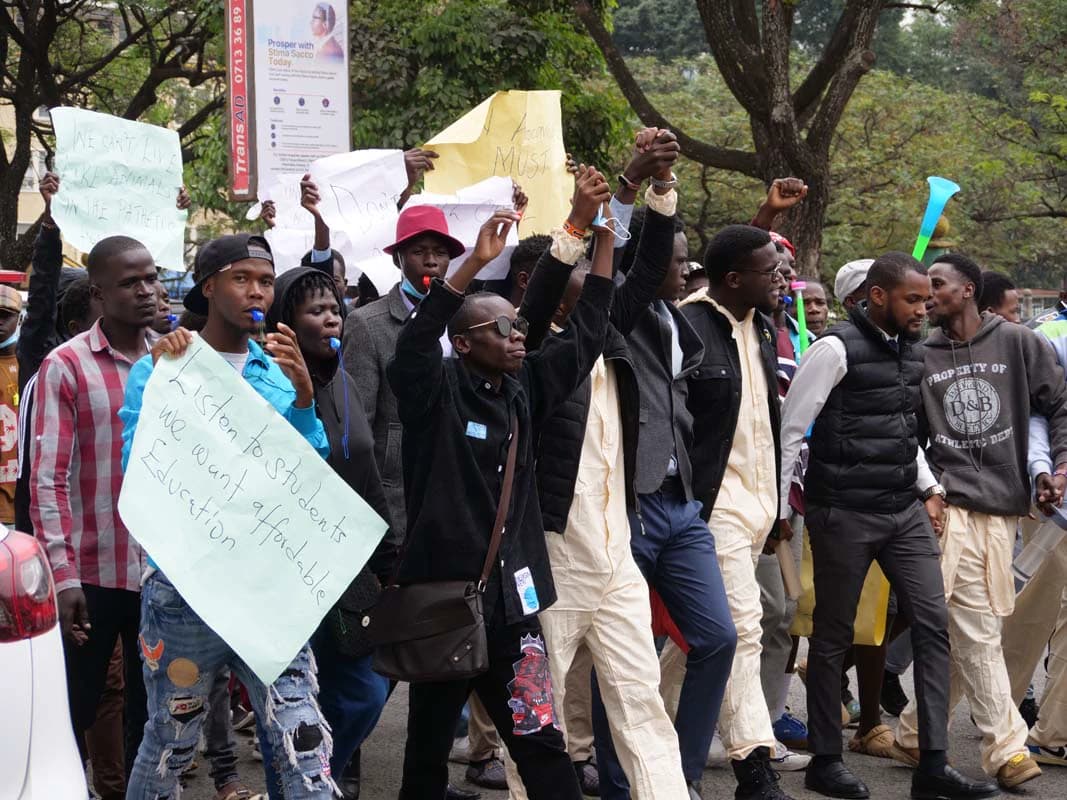
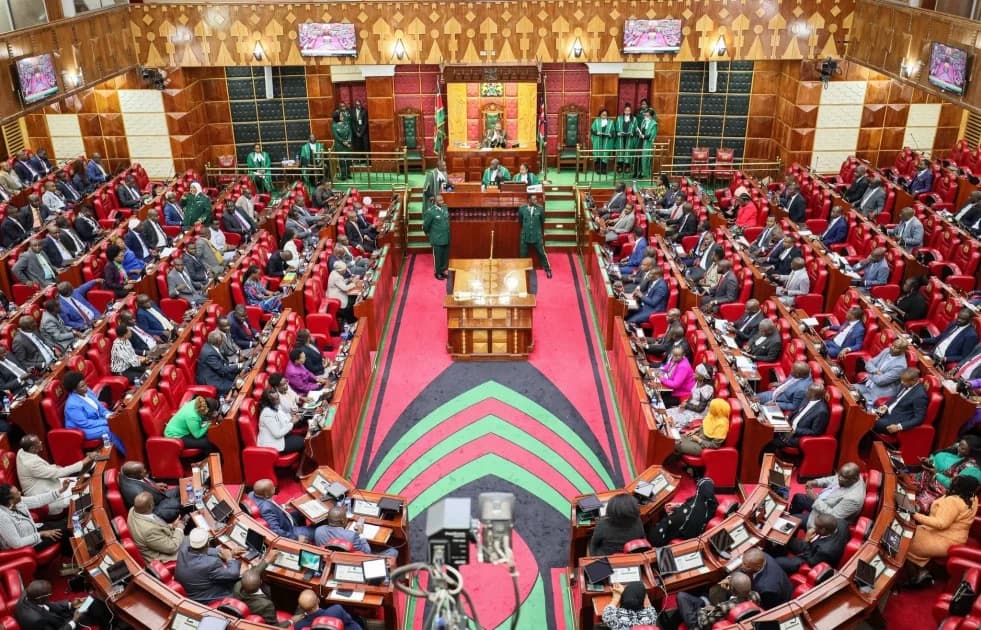
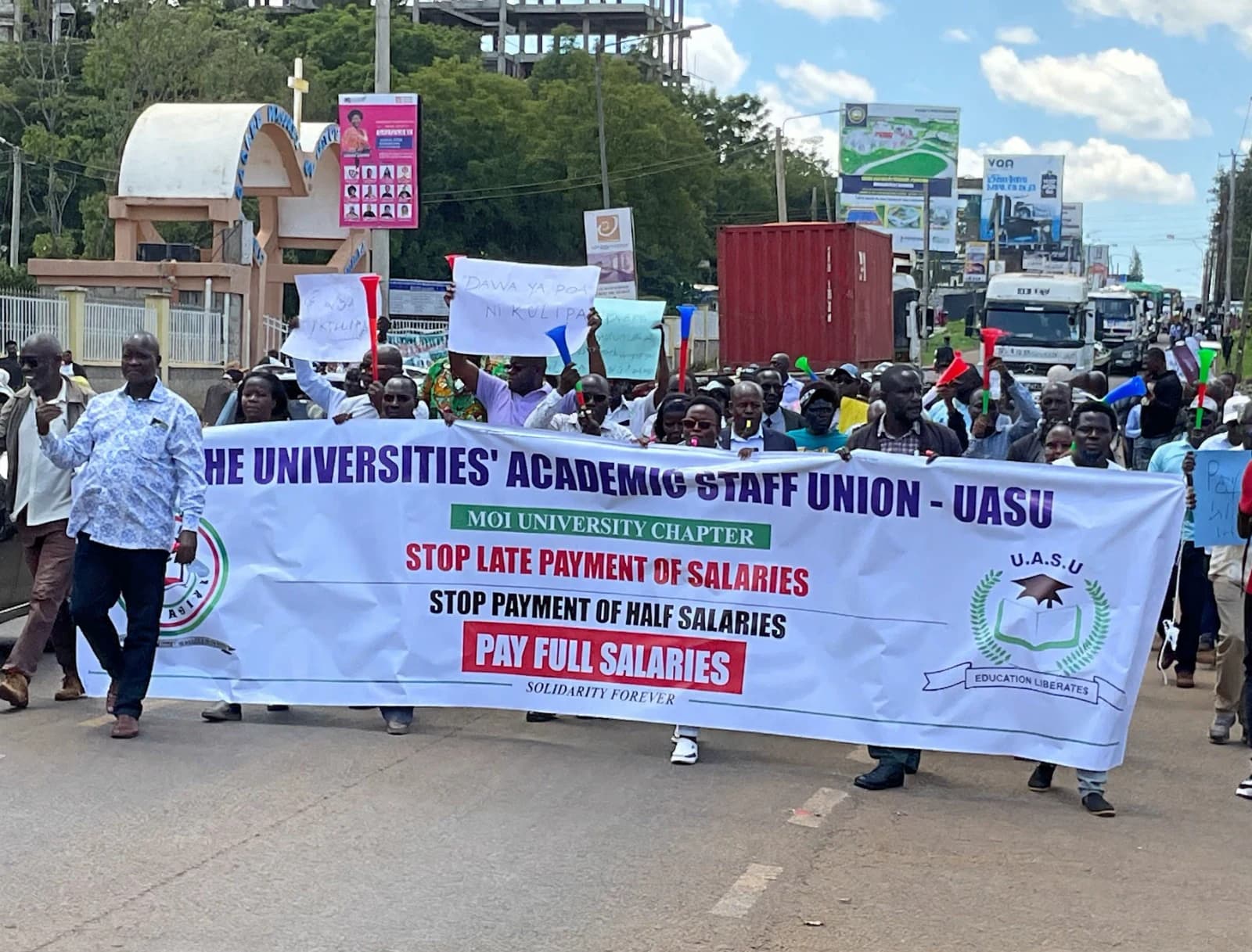
Kenya's public universities are paralysed, students are stranded, lecturers are on strike, and the government is still being urged to intervene as though the crisis had come out of nowhere. Twenty days into the industrial action, Parliament has called on the Executive to resolve the dispute over the implementation of the 2025-2029 Collective Bargaining Agreement (CBA). Yet why should an entire nation's academic calendar be sacrificed before those in power remember that education is a public responsibility?
A government that allows university lecturers to down their tools for weeks while students watch their futures slip into uncertainty has a problem of priorities. Parliament's concern is welcome, but statements from the Speaker's chair will not teach a single lecture, restore a single lost academic day or pay a single outstanding obligation. Students are not collateral damage in a political and financial dispute. They are the victims of a system that repeatedly fails to honour its commitments.
Across the country, families are counting the cost of an avoidable crisis. Parents who have borrowed money, sold property or sacrificed basic necessities to educate their children are watching helplessly as university gates stay shut. Students who should be preparing for examinations, internships and graduation are trapped in uncertainty, and those who depend on casual work, loans or support from struggling families are particularly vulnerable.
Who compensates them for lost time? Who pays the additional rent, food and transport costs when semesters are extended? Who takes responsibility when delayed graduation postpones employment opportunities? Nobody seems eager to answer. Yet when political leaders want public support, they readily invoke the importance of education and the promise of Kenya's youthful population. You cannot preach a knowledge economy while letting the institutions that produce knowledge suffocate.
A deeper failure in public administration
The dispute over the CBA exposes a deeper failure. Collective bargaining agreements cannot be treated as decorative documents, celebrated during negotiations and forgotten when implementation becomes financially inconvenient. If commitments were made, the government and university employers must explain precisely what remains unpaid, why implementation has stalled and what concrete measures will resolve the impasse.
Fiscal constraints may be real, but they are not a licence for endless ambiguity. If the government cannot meet its obligations immediately, it must present the figures, disclose the funding gap and negotiate a credible payment schedule. What is indefensible is leaving lecturers and students guessing while officials exchange statements and pass responsibility from one office to another.
The Treasury cannot wash its hands of the crisis. The Education Ministry cannot hide behind university management. University councils cannot remain silent while learning collapses. And Parliament cannot be content with demanding action without following through.
Five steps to end the standoff
The first is an emergency, publicly accountable settlement process. Within a defined period, the Treasury, the Education Ministry, university employers and staff unions should publish an agreed roadmap on the outstanding CBA obligations, specifying the amount required, the available funding, the implementation phases and binding deadlines.
Second, Parliament should summon the responsible officials to explain the delays and set up a mechanism to monitor compliance. Where public money has been allocated, Kenyans deserve to know how it was used. Where funding is insufficient, the government must explain the shortfall and identify a lawful, sustainable financing plan.
Third, Kenya must confront the chronic financial instability of its public universities. Institutions cannot deliver quality education while struggling with payroll obligations, mounting debts, inadequate facilities and unpredictable funding. An independent financial audit, transparent publication of arrears and a predictable funding framework are essential reforms.
Fourth, university employers and unions must negotiate seriously, using independent mediation if necessary. Any return-to-work agreement should rest on measurable commitments rather than another round of vague promises that trigger the next strike.
Finally, students must have a voice in resolving a crisis that directly affects their lives. Universities should communicate revised academic calendars, protect students from arbitrary administrative penalties and develop practical arrangements to recover lost teaching time.
The cost to the next generation
Every prolonged university strike is a bill presented to the next generation. Kenya cannot aspire to industrialise, innovate and compete globally while repeatedly disrupting higher education through unresolved labour disputes, nor can leaders keep celebrating the potential of young people while presiding over systems that waste their time.
Parliament has sounded the alarm. Now the Executive must show whether its concern for education extends beyond speeches. Students need classrooms, lecturers need a credible settlement and universities need sustainable funding. The country does not need another committee producing another report that gathers dust. It needs a funded agreement, enforceable deadlines and officials ready to take responsibility for delivering results.
The future of Kenya's students cannot remain hostage to the government's failure to turn agreements into action.
The writer is a history and language analyst

Reader Discussion (0)
Sign in to comment