

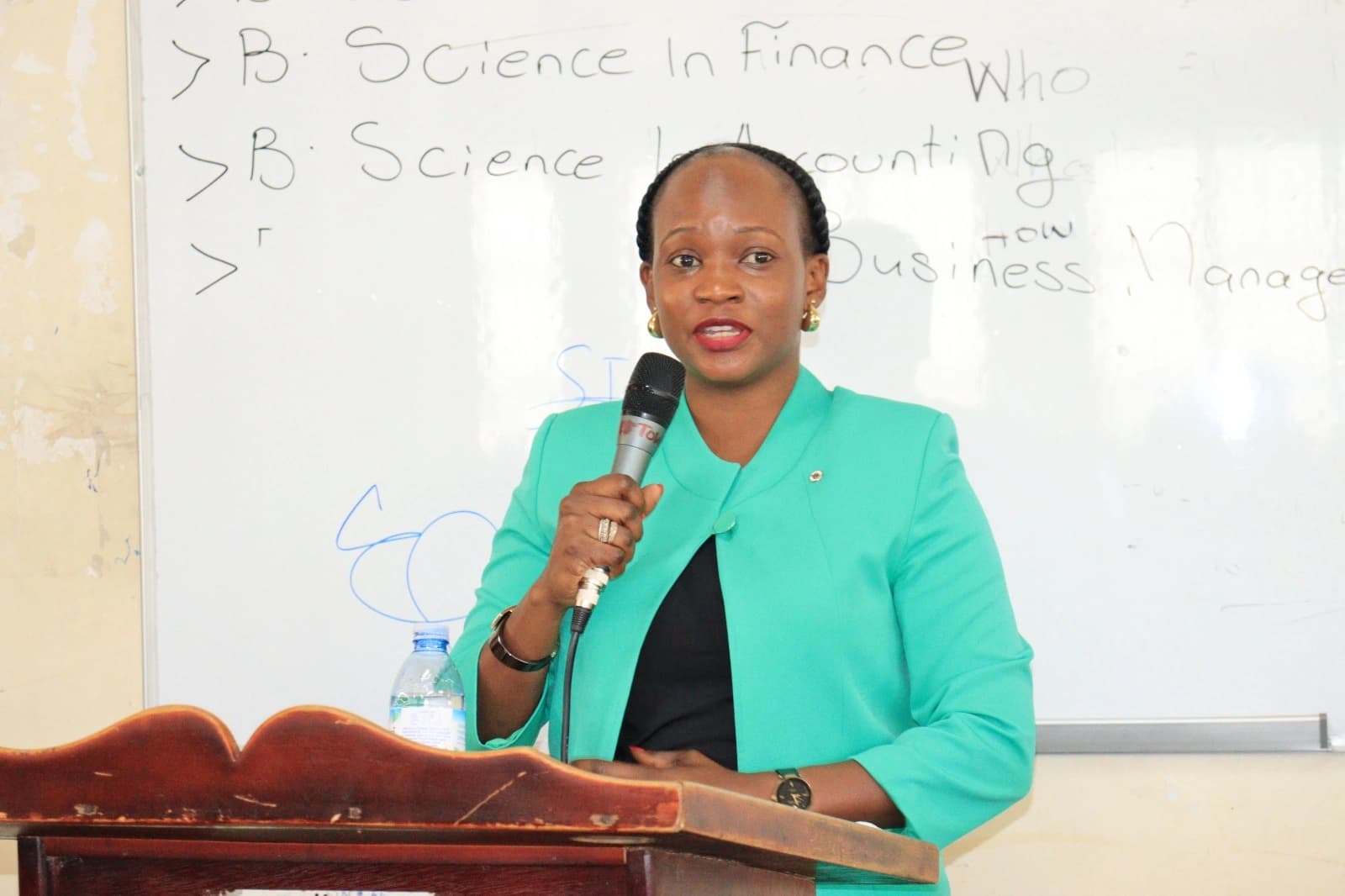







University graduates who rely solely on academic certificates risk losing their competitive edge as employers increasingly value practical competence, digital skills and the ability to solve real-world problems, Prof Rachel Mindra Katoroogo has warned.
Speaking to students of the Makerere University Finance Students Association (MUFISA) at a career guidance seminar, Katoroogo said that while a degree provides a foundation for professional growth, the ability to turn academic knowledge into practical results is what distinguishes candidates in a competitive job market.
"A degree gives you a foundation, but competence sets you apart," she said. She urged students to develop digital skills, artificial intelligence (AI) literacy, critical thinking, effective communication, innovation and integrity to cope with changing workplace demands.
Her message was shared by Makerere University Business School (MUBS) on October 21, 2026. She said graduates must be prepared to adapt, think independently and show that they can deliver solutions rather than depend on theoretical knowledge, as AI and other digital technologies transform business operations and professional practice.
Academic qualifications remain important in opening doors to employment and further professional development. However, having a certificate does not automatically show that a graduate can handle workplace responsibilities, solve problems or deliver measurable results.
Employers increasingly need people who can analyse information, communicate clearly, collaborate and respond creatively to new challenges.
Digital competence is becoming essential across professions, not only in careers traditionally linked to information technology. Graduates who understand digital tools and can use AI responsibly may be better placed to improve productivity and respond to changing industry needs. Technological familiarity must, however, be matched with critical thinking. AI-generated information needs careful evaluation, and graduates must be able to spot errors, question assumptions and make sound decisions.
Integrity is equally important, as emerging technologies raise questions about accuracy, accountability, originality and the ethical use of information.
Katoroogo's message is therefore not that degrees have lost their value, but that qualifications must be backed by demonstrable competence, adaptability and a commitment to continuous learning.
Katoroogo urged students to turn their academic knowledge into practical solutions that create value in Uganda's economy. The emphasis on application challenges universities to prepare students not only for examinations and graduation but also for employment, entrepreneurship, innovation and national development.
Universities can strengthen graduate preparedness through internships, research, practical projects and partnerships with industry, which allow learners to apply classroom concepts, build professional networks and demonstrate their capabilities before entering the labour market. Students, too, must build on their academic achievements by pursuing relevant digital training, joining collaborative projects, building portfolios of completed work and improving their communication skills. Institutions must also equip learners with transferable skills that stay useful as technologies, occupations and business models change.
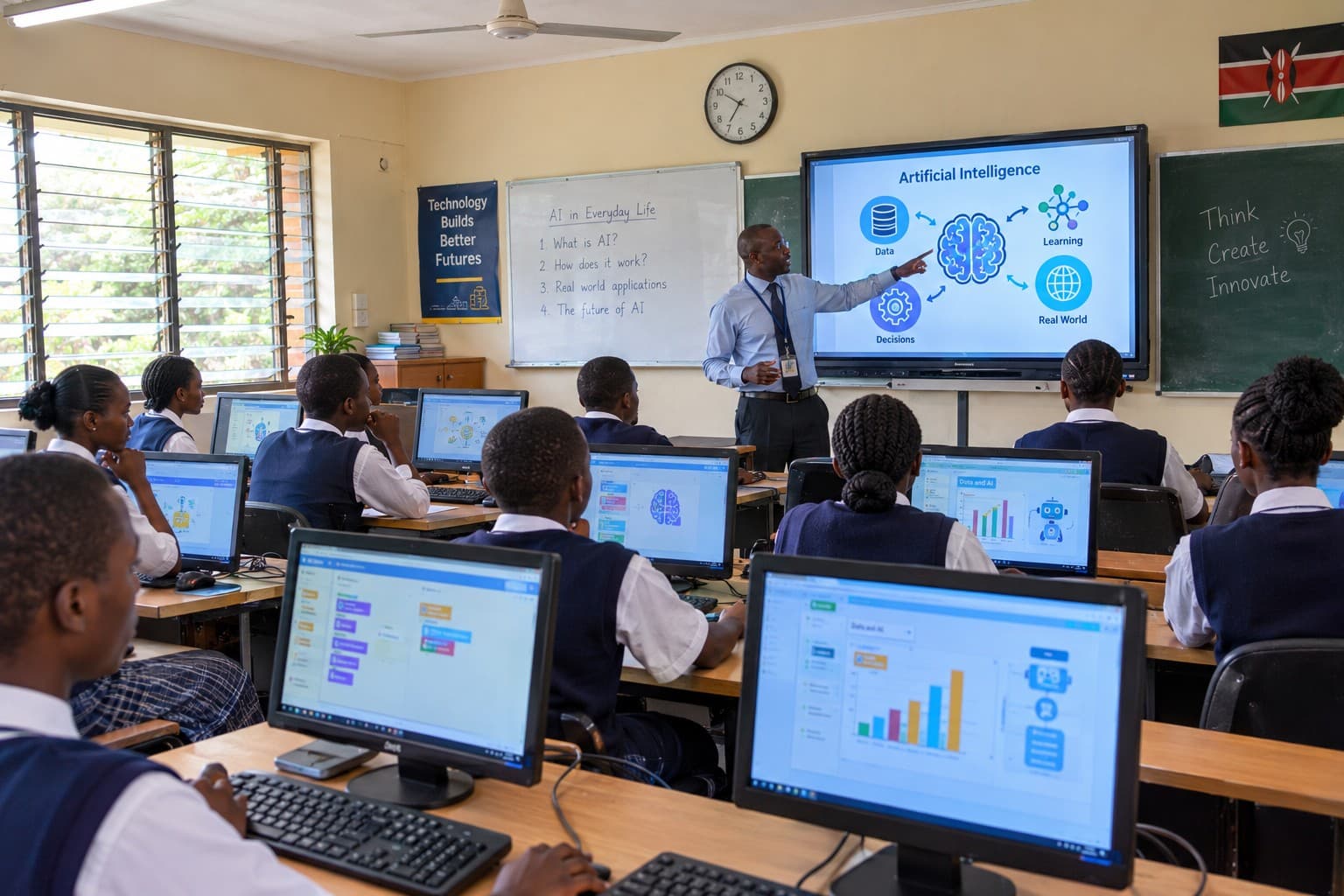
The message also resonates with Kenya's Competency-Based Education (CBE) reforms, which emphasise the development and application of knowledge, practical skills, values and competencies. The principle is that education should prepare learners to apply what they know, think independently, solve problems, communicate effectively and respond creatively to everyday challenges.
For CBE to achieve its intended outcomes, classroom learning must be backed by opportunities for learners to practise skills, undertake projects and show what they can achieve. Teachers also need resources and support to nurture creativity, critical thinking, collaboration and digital literacy. As AI becomes more prominent in education and the workplace, digital literacy must also go beyond operating devices.
Learners need to know how to assess information, use technology ethically and retain the human judgment needed for responsible decision-making.
For students and graduates, Katoroogo's message is a call to treat graduation as the beginning of continued professional development rather than the end of learning. For universities and policymakers, the challenge is to bridge the gap between classroom achievement and the practical demands of the economy. Graduates must combine academic knowledge with digital competence, critical thinking, innovation and integrity to remain relevant and contribute to economic development.


Reader Discussion (0)
Sign in to comment