





The National Treasury and the Retirement Benefits Authority (RBA) have backed proposed legal reforms to protect pension benefits earned by public servants even when their employment ends through dismissal, as Parliament examines changes to the law governing retirement payments.
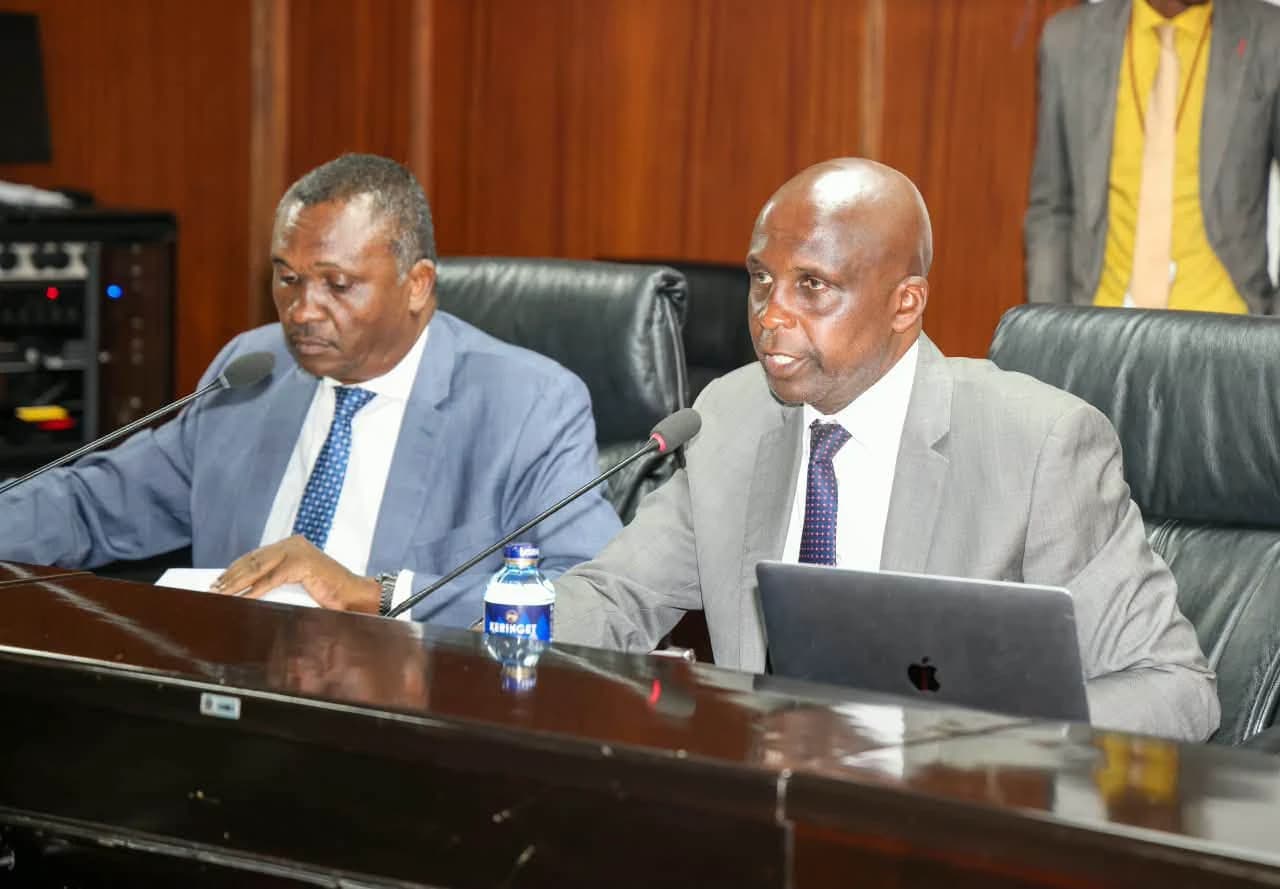
The two institutions presented their recommendations to the National Assembly Departmental Committee on Social Protection on Thursday, October 22, 2026. They supported the Pension (Amendment) Bill while proposing safeguards to protect public funds and address potential legal disputes. The Bill seeks to prevent public officers from automatically forfeiting pension benefits accumulated over years of service simply because they have been dismissed.
Presenting the Treasury's memorandum, Michael Kageka said pension benefits represent deferred earnings accumulated through years of employment and should not be taken away as an additional punishment for dismissal.
"A pension earned over many years of service is indeed deferred pay," Kageka said.
He warned that forfeiting such benefits could also affect the families of dismissed officers, who may depend on the retirement savings to meet essential needs. "Taking it away on dismissal would not only punish the officer, but it would be double punishment because it also punishes the family," he added.
The Treasury, however, cautioned that the reforms must be carefully drafted to prevent unintended legal and financial consequences for the Government. It recommended retaining Section 5(2) of the Pensions Act while introducing a new provision expressly protecting vested pension benefits. Under the proposal, eligible benefits would be payable when the officer reaches the applicable retirement age, subject to the recovery of amounts lawfully established as owed to the Government.
Kageka cautioned that removing the existing provision altogether could expose the Government to claims arising from lawful dismissals.
"If it is deleted, a dismissed officer could argue that the Act now entitles him or her to compensation for loss of office, which goes well beyond the Bill's purpose and would expose the government to claims on every lawful dismissal," he said.
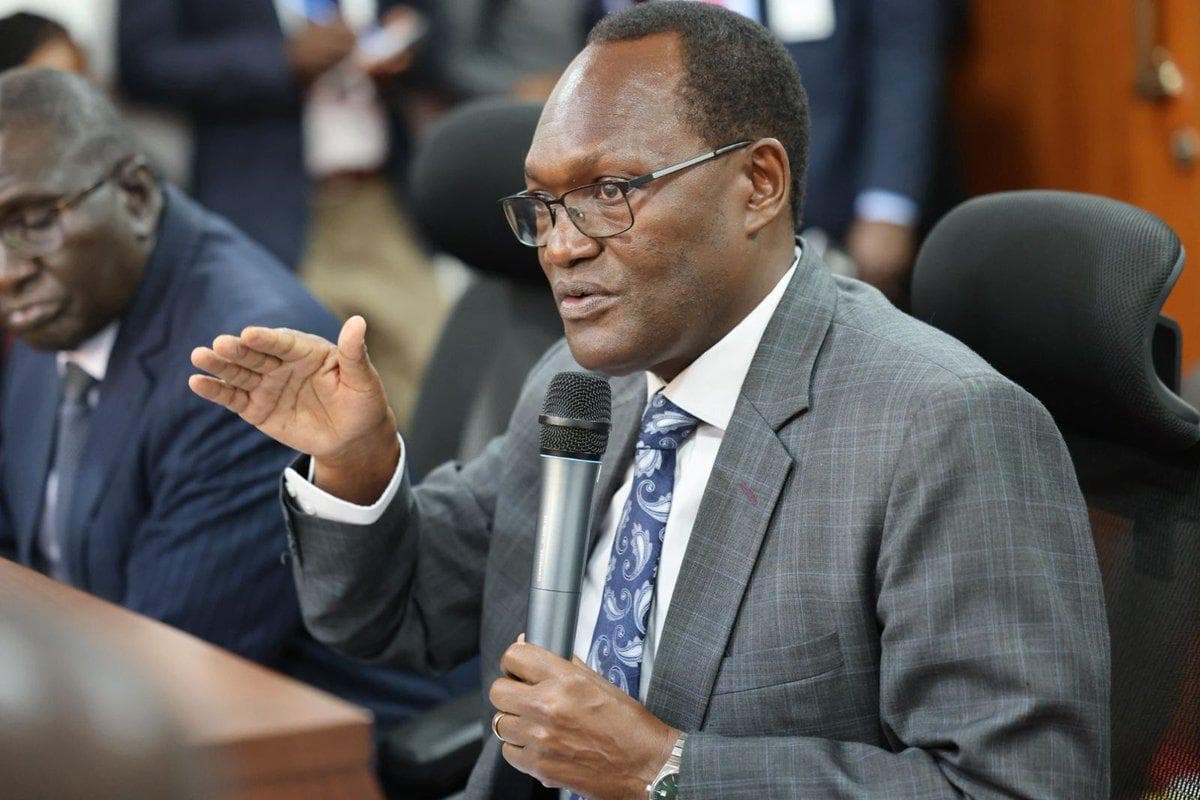
The RBA also endorsed the proposed legislation, describing it as a timely measure to strengthen the legal protection of pension entitlements. RBA Chief Executive Officer Charles Machira said the Bill would align pension legislation with constitutional principles governing property rights and the protection of accrued retirement benefits.
The Authority also supported extending the proposed safeguards beyond public officers governed by the Public Service Commission Act, and backed a recommendation to review other laws that provide for pension forfeiture following dismissal. This could widen the scope of protection for affected public servants, depending on the final wording of the Bill and the laws Parliament decides to review.
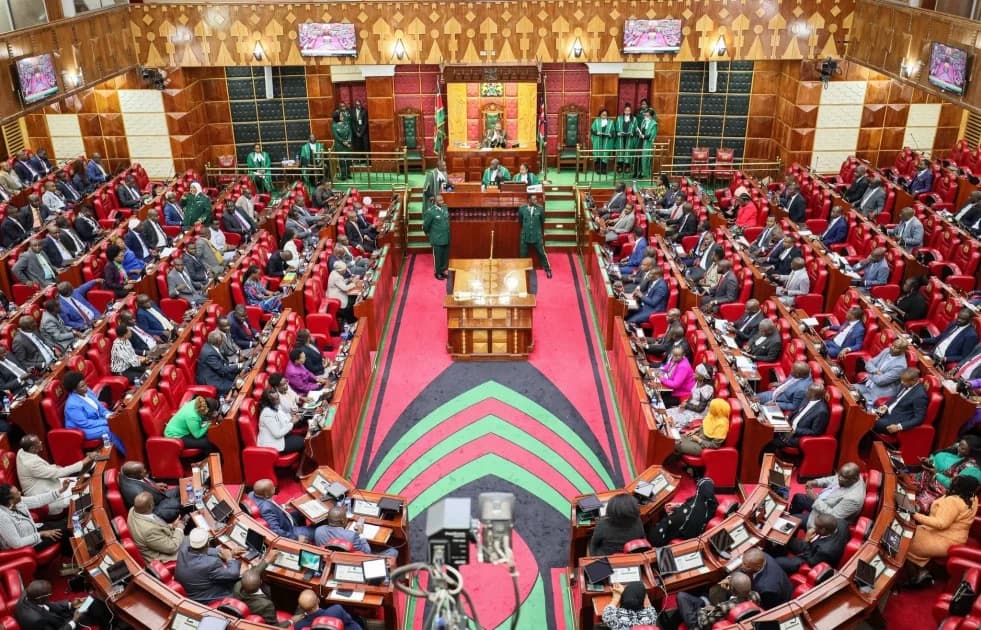
Committee members underscored the importance of protecting retirement benefits accumulated by public servants who have spent years in government service. The committee, chaired by Thika Town MP Alice Ng'ang'a, acknowledged the submissions and said the recommendations would inform its continued scrutiny of the Bill. Members indicated that further amendments could help reconcile pension protection with mechanisms for recovering legally established public losses.
The debate raises a fundamental question: should dismissal automatically deprive a public officer of pension benefits earned over years of service, or should those benefits remain protected while disciplinary and financial liabilities are addressed separately? The Treasury and the RBA support protecting accrued benefits, while the Treasury insists that the law must preserve safeguards against claims and financial exposure.
If enacted in the proposed form, the amendments would establish a clearer distinction between the termination of employment and the protection of retirement savings, while preserving lawful avenues for recovering established debts to the Government.

Reader Discussion (0)
Sign in to comment