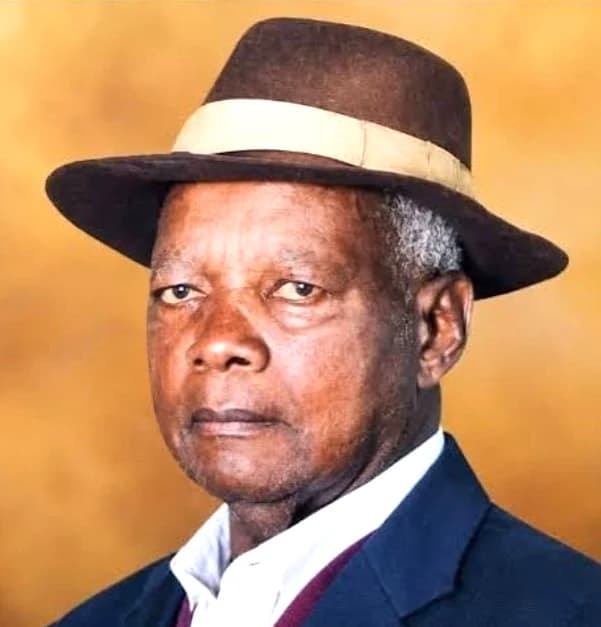
The death of former Cabinet minister Burudi Nabwera has spotlighted an extraordinary journey from Kenyan classrooms to the United Nations, Washington diplomacy and the corridors of power. Before becoming Kenya’s first ambassador to the United States and its first permanent representative to the UN, Nabwera began his career as an educator, laying the foundation for a lifetime of public service.
Born in either 1924 or 1927, according to differing biographical accounts, Nabwera belonged to the generation whose education and professional experience helped shape Kenya's institutions during the transition from colonial rule to independence. Reports of his death on October 9, 2026, described him as 99, consistent with a birth year of 1927, although the discrepancy in historical records remains unresolved.
His life connected education, diplomacy, politics and corporate leadership, spanning several defining chapters of Kenya's post-independence history. His progression from the classroom to senior public office offers a compelling case study of how education, professional exposure and intellectual curiosity can prepare individuals for responsibilities far beyond their initial careers.
The communicator who represented Kenya before the world
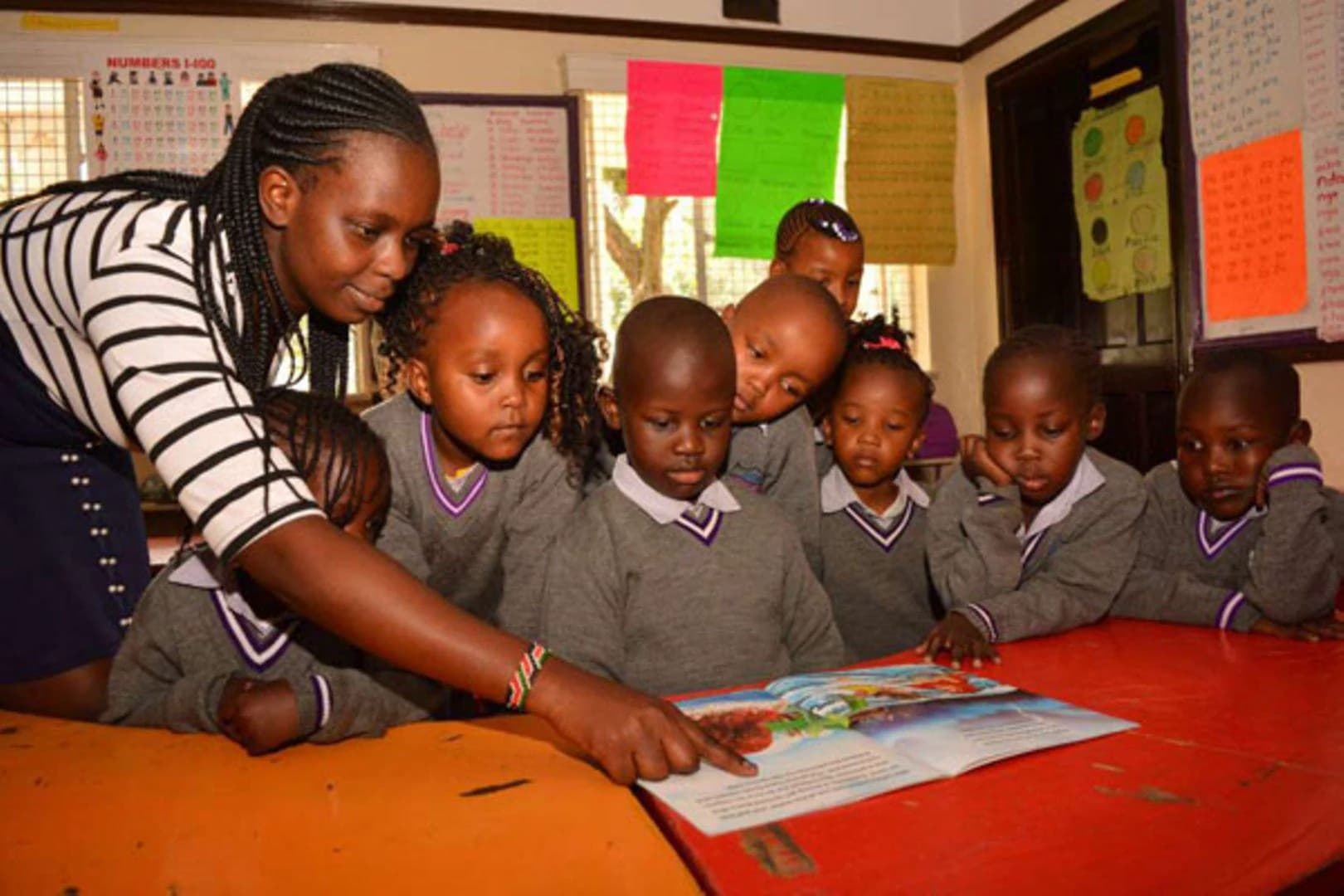
Nabwera taught at Maseno School and the African Girls' High School in Kikuyu, where he taught Kiswahili to learners, including Lucy Kibaki, who later became Kenya's First Lady.
The demands of classroom instruction include clarity, patience, listening and the ability to explain complex ideas to different audiences. Such abilities are also valuable in diplomacy, where representatives must communicate national interests, interpret competing positions and engage people from diverse cultural and political backgrounds.
Nabwera's appointment as Kenya's first ambassador to the United States and first permanent representative to the United Nations placed him in an international environment where communication, negotiation and an understanding of different perspectives were essential.
His diplomatic achievements cannot be attributed to teaching alone, but his early professional experience formed part of the background he carried into international service.
Education that opened doors to leadership
Nabwera attended Maseno School before proceeding to Makerere University College, where he trained in education. He later studied economics at the London School of Economics.
His academic progression demonstrated a willingness to expand his knowledge beyond his initial professional preparation. Economics, in particular, offered a framework for understanding the development challenges facing a newly independent Kenya as it built institutions and established its place in the international community.
The combination of educational training, further study and professional experience helped prepare him for a career that crossed several sectors.
Effective leadership requires preparation, organisation, sound judgement and the ability to work towards defined objectives. These qualities are relevant in classrooms, government offices and corporate boardrooms alike.
Nabwera subsequently served in government, political organisations and corporate leadership, including as chairman of Nzoia Sugar Company.
His career demonstrates the importance of combining professional experience with the ability to adapt to different institutional demands. Although his classroom routines cannot be directly linked to every later achievement, his background in education formed an important part of his professional journey.
Understanding people and different perspectives
Working with learners from different backgrounds requires an appreciation of individual differences and the ability to communicate effectively. In diplomacy, similar demands arise when representatives engage governments with competing interests and distinct political priorities.
Nabwera's international assignments exposed him to institutions and viewpoints beyond Kenya. His subsequent work in politics and government further broadened his engagement with the country's public affairs.
His journey illustrates how education and exposure to different environments can contribute to a wider understanding of people, institutions and national interests.
From classrooms to the national stage
Nabwera's public career extended well beyond diplomacy. He served as a Member of Parliament for Lurambi North, held senior positions in KANU and later became Minister of State in the Office of the President.
In 1988, he became the first MP for Lugari Constituency following its creation.
He also chaired Chemelil Sugar Company and later Nzoia Sugar Company, bringing him into the management of enterprises important to western Kenya's economy.
These roles placed him at the intersection of politics, executive administration and economic management, making him one of the figures whose careers spanned several dimensions of Kenya's public life.
Among the learners Nabwera taught at the African Girls' High School was Lucy Kibaki, who later became Kenya's First Lady.
The continued recognition of former teachers by their pupils illustrates how educational relationships can endure long after formal schooling ends. For educators, it is a reminder that professional influence may become visible years later, when former learners take up responsibilities across society.
The lesson for Kenya's education sector
Nabwera's rise should not be taken to mean that teaching alone produces diplomats or national leaders. His achievements also reflected advanced education, professional opportunities, political engagement and the historical circumstances surrounding Kenya's independence.
Nevertheless, his journey challenges the narrow perception that education's value can be measured only through examination results or immediate employment.
Schools develop knowledge, communication and reasoning skills that can support participation in government, business, research and international affairs. Nabwera's career offers a historical illustration of how those foundations can connect to wider public responsibilities.
Before he represented Kenya abroad, Nabwera had worked with Kenyan learners. His journey from education to international diplomacy gives his biography particular relevance to the teaching profession.
His story leaves a powerful message: the reach of education is not confined to the classroom—it can extend to the institutions that shape a nation's future and its place in the world.
READ ALSO:
Burudi Nabwera's death recalls his journey from classroom teaching to international diplomacy, Cabinet leadership and Kenyan politics.
Reader Discussion (0)
Sign in to comment