


The association has urged Parliament to act on three proposals it presented during the public hearings held in all 47 counties. Those hearings ended on October 2, 2026. The NPA says it submitted its memorandum and presented its case at each of them.
In a statement, the association said its proposals grew out of the experience of implementing the Basic Education Act, 2013. It argued that the law recognised parents' participation but left gaps in how parents are organised and represented.
The NPA was clear on one point. It is not asking Parliament to reduce the Government's role in education. It acknowledged the Government's constitutional and statutory duty to provide, regulate, manage and oversee basic education. What it wants, it said, is a clearer and more functional legal framework for parents.
The first proposal is that the NPA be established as a standalone national institution with independent corporate status.
The association says the lack of a clear legal identity creates real problems. Without it, questions arise over who legally represents the body, who can hold its property and who can sign agreements on its behalf. Continuity is another worry when office holders change.
Corporate status, the NPA argues, would separate the institution from the individuals who lead it at any given time. Parents' representation would then no longer depend on the personalities or tenure of particular officials.
If granted, the status would allow the NPA to hold property in its own name and enter lawful agreements and partnerships. It could also keep institutional accounts and records, employ administrative staff and receive and account for resources lawfully available to it.
Beyond that, it would allow the body to represent parents in engagements with Government and to carry on from one elected leadership to the next.
The association stressed that this is not a bid for independence from Government. It said the NPA would stay within the national education framework and remain subject to the Constitution, the Basic Education Law, regulations and other applicable laws. The proposal, it added, is about institutional clarity and not confrontation.
The second proposal is more contentious. The NPA wants Parliament to replace the Parent-Teacher Association (PTA) model with parent associations at school, sub-county and county levels.
The reasoning is that parents and teachers, though both essential, play different roles. Teachers are education professionals who carry out duties assigned within the education service. Parents, on the other hand, are concerned with the education, welfare, safety and development of their children.
A dedicated parents association would give them a distinct and recognisable identity, the NPA said. It would also make clear who speaks for parents and who represents the professional interests of teachers.
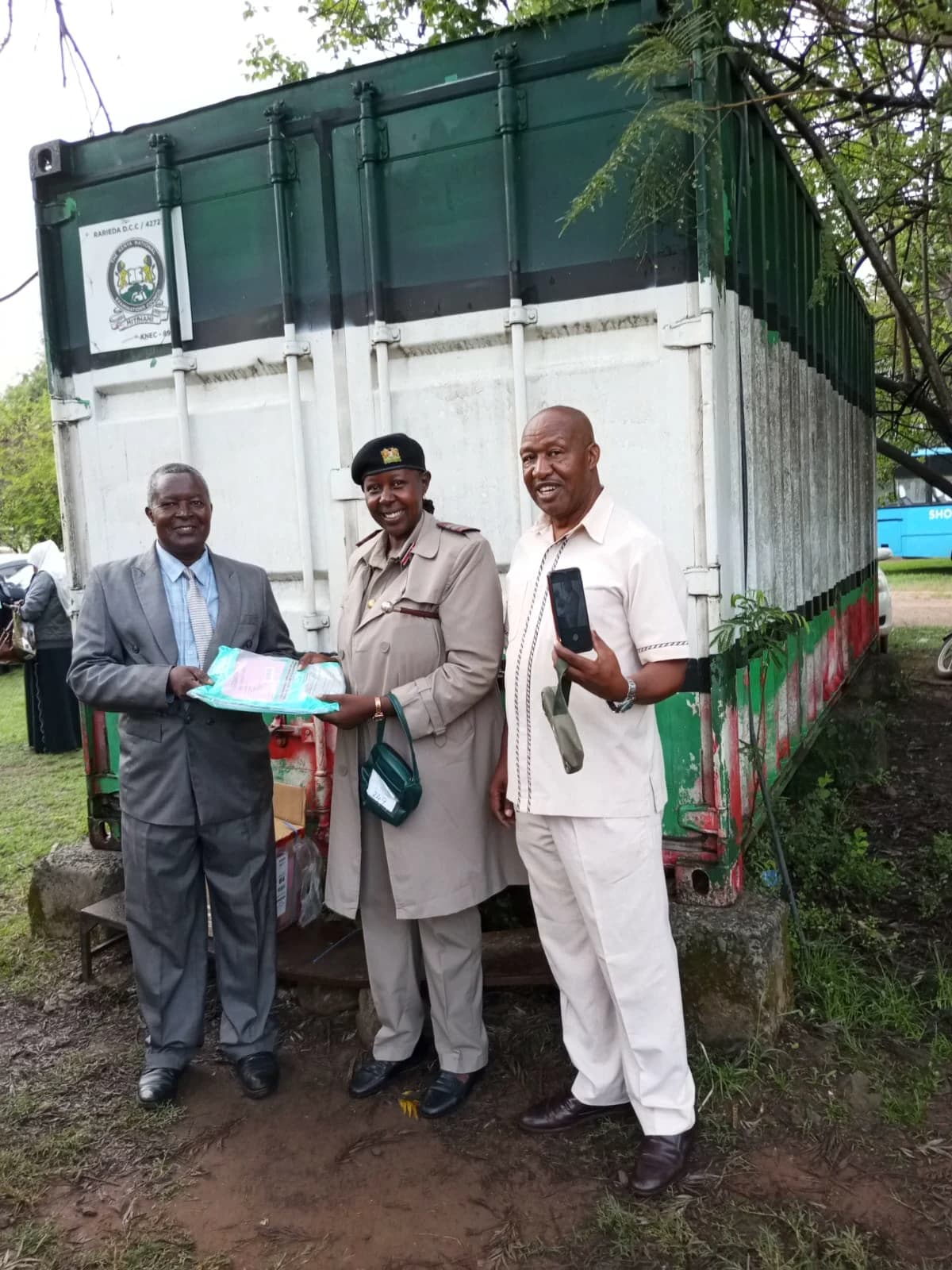
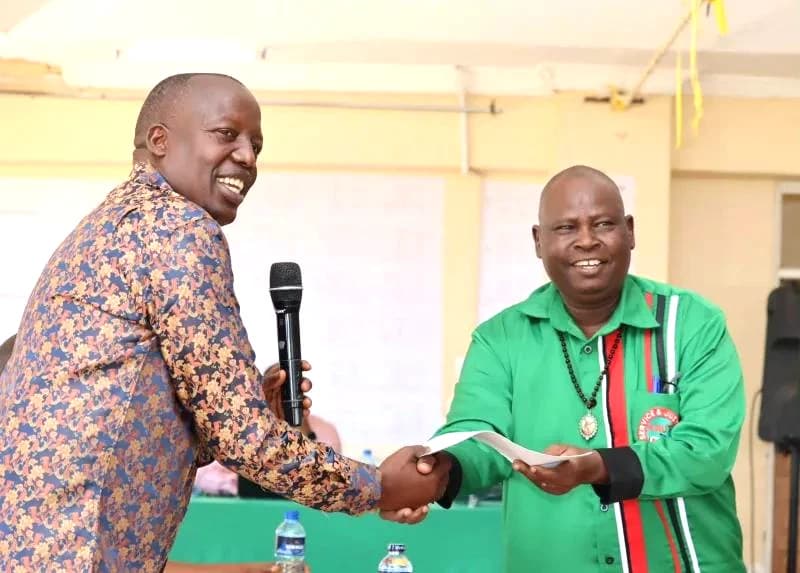
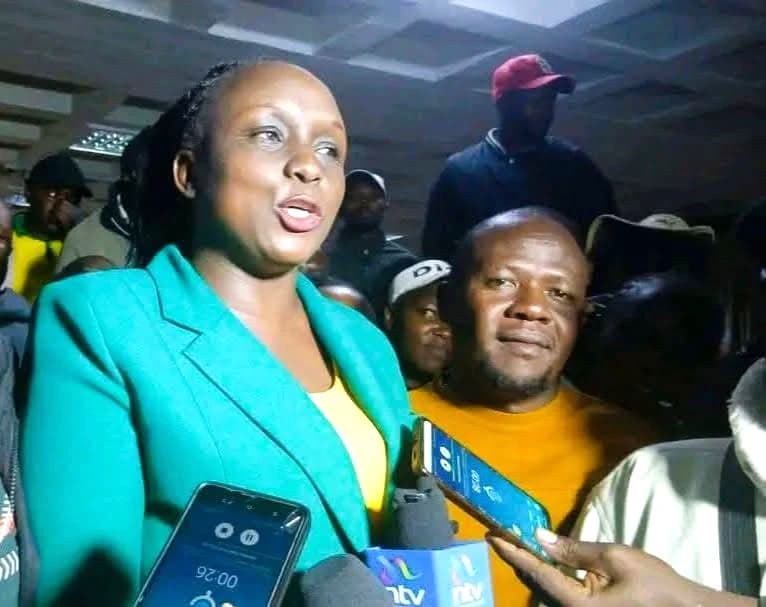
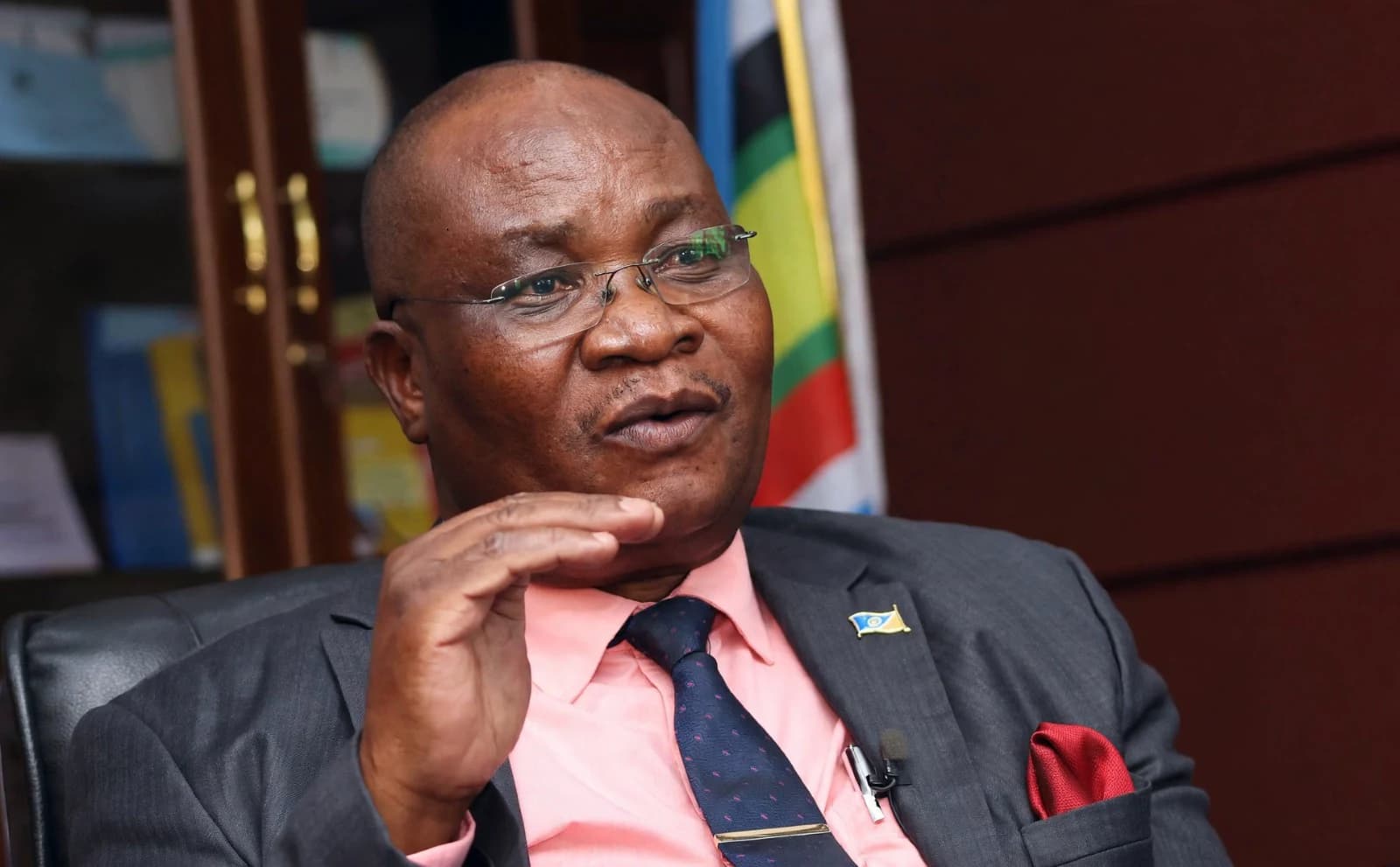
National Parents Association officials during a press briefing on proposed changes to the Basic Education Bill, 2026.
The association tried to head off concerns that the change would pit one group against the other. It said teachers would not be excluded. The new associations, it argued, should promote cooperation between parents, teachers, school administrators, Boards of Management and Government. The distinction is meant to clarify representation, not create conflict.
The third proposal is that Parliament keep and strengthen the existing four-level structure of parents' representation. It runs from the school to the sub-county, then the county and finally the national level.
The NPA said it does not want to start afresh. The 2013 Act already laid the foundation, and the appropriate response, in its view, is to retain and clarify that framework instead of dismantling it.
Each level, according to the association, would have a clear job. The school level would be the foundation, where parents deal directly with teachers and administrators. Sub-county bodies would coordinate issues across several schools.
County bodies would consolidate those concerns into an organised countywide voice and link grassroots structures to the national body. At the top, the NPA would act as the apex institution and the channel for engagement with Parliament, the Ministry of Education and other national bodies.
This pathway, the association said, would keep the national organisation connected to parents at the grassroots rather than leaving it detached from individual schools.
The NPA rejected any suggestion that it is seeking an extra layer of bureaucracy. It described the reforms as a fix for a practical institutional problem.
According to the association, a strengthened structure would give parents clear representation and continuity beyond changes in leadership. It would also bring accountability, since a corporate body can keep records, accounts and governance systems. Grassroots participation would begin at school level, while national coordination would run through one recognised institution. Government, for its part, would have a clear partner to consult.
The association also said the changes should not be seen as a matter of terminology. Its aim, it said, is a durable, accountable and functional system that can serve present and future generations. Parents should know who represents them, it added, and Government should know whom to engage when seeking their views nationally.
The NPA thanked Parliament for holding nationwide public participation and for giving parents a chance to be heard. It said it remains committed to working with Parliament, the Ministry of Education, schools, teachers, Boards of Management and other stakeholders.
A strong education system, the association concluded, depends on strong partnerships among Government, educators, parents and communities.
Reader Discussion (0)
Sign in to comment