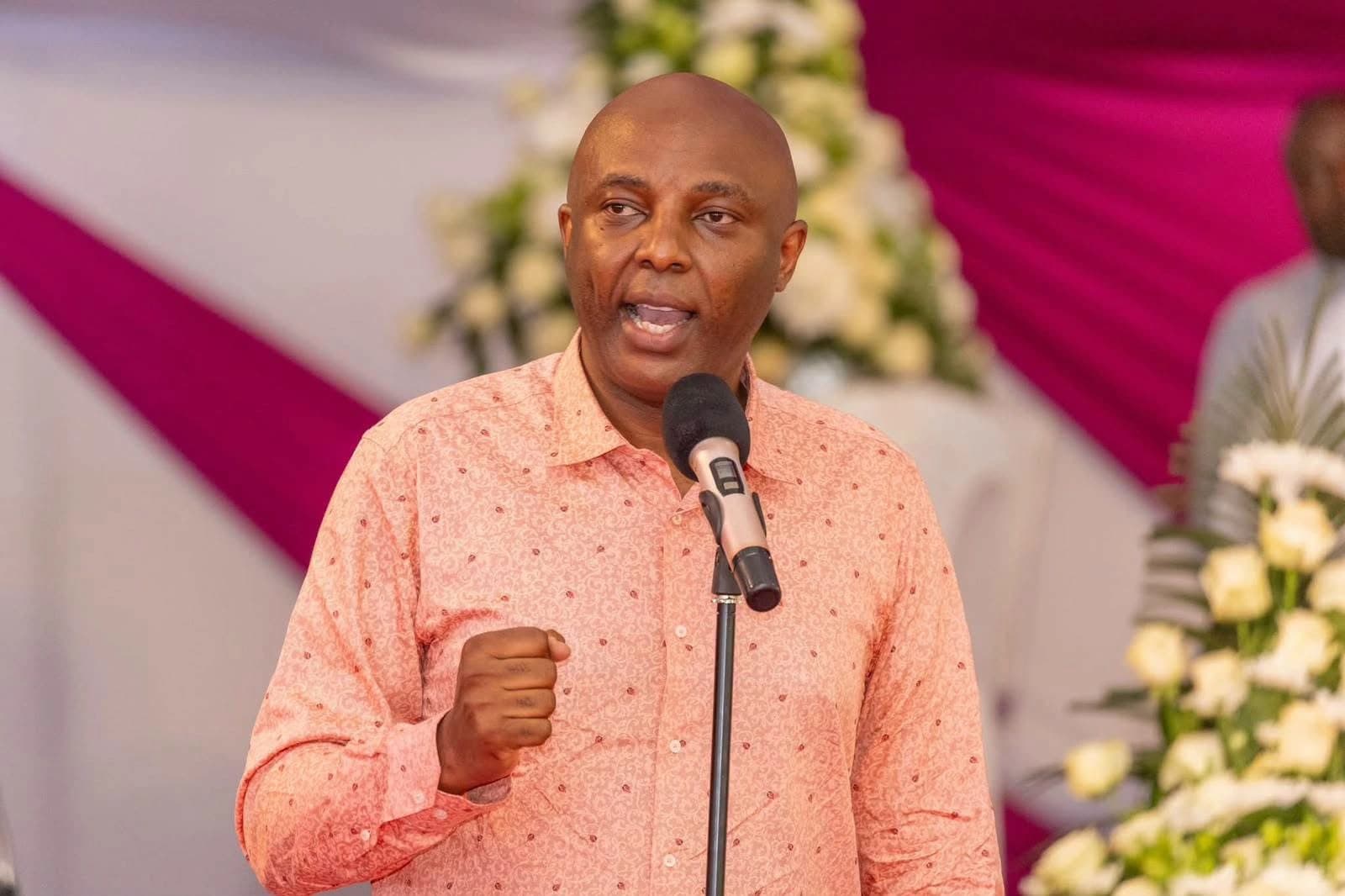
Murang'a Governor Irungu Kang'ata has reignited debate over the financing of free secondary education by proposing that the government consider using money collected through the housing levy to ease the financial burden on parents and support learners in public secondary schools.
Speaking recently in Thika, Kang'ata questioned why the government is prioritising affordable housing while many families struggle with school fees.
"Ruto, instead of building houses, why not use the housing levy to provide free secondary education?" he posed. The governor argued that over Sh100 billion has already been collected through the levy, which could have greater impact if invested in education.
He estimated that covering day secondary school fees for about 2.7 million learners would cost roughly KSh35 billion annually
Kang'ata's proposal comes amid continued strain on household budgets, with the cost of secondary education extending beyond tuition to include uniforms, transport, meals, boarding expenses, examination-related requirements and learning materials, even where government capitation is available.
The proposal places the spotlight on whether the government can explore alternative funding arrangements to bridge the gap between the promise of free education and the actual cost of keeping a child in school.
However, the suggestion also presents a policy question. The housing levy was established to finance affordable housing, meaning that diverting its proceeds to education would raise questions about the levy's statutory purpose, the management of public funds and the sustainability of the housing programme.
Any decision on whether revenue collected for a designated purpose can be redirected to support another public service would depend on the legal framework governing the levy, the relevant public finance requirements and whether any changes to the funding arrangements would require legislative or other formal approval.
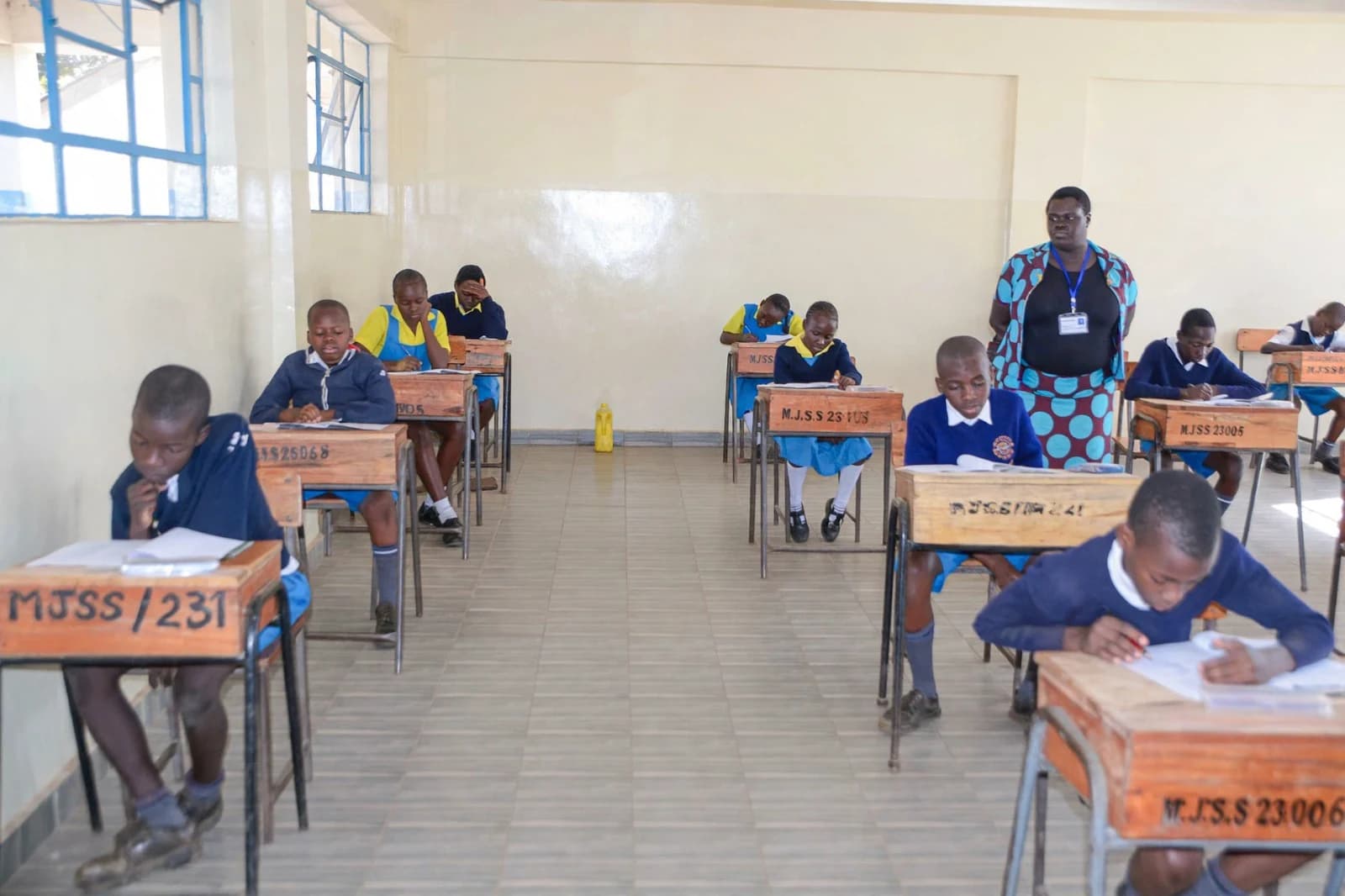
Kenya's free secondary education programme was introduced to widen access to learning and reduce the financial barriers that previously prevented children from progressing beyond primary school.
Schools require adequate funding to pay for essential operations, maintain facilities, provide learning resources and support the growing number of learners, and when government allocations fall short of actual needs, institutions may experience financial pressure while parents can be asked to meet expenses that undermine the principle of affordability.
The government would need to establish the amount of revenue available under the housing levy, the obligations already attached to the funds and the implications of diverting any portion towards education. Affordable housing is itself a social and economic objective intended to address housing needs and expand access to decent homes, and redirecting resources without a clear funding plan could create a financing gap in that programme.
Kang'ata's proposal has placed the question of education financing back on the national agenda; however, the Affordable Housing Act of 2024 currently ring-fences the levy for affordable and institutional housing.

Reader Discussion (0)
Sign in to comment