The Public Procurement Regulatory Authority (PPRA) is under scrutiny over Sh911.1 million spent on training staff in public primary and secondary schools, after an audit found that the programme covered only 34 of Kenya's 290 constituencies.
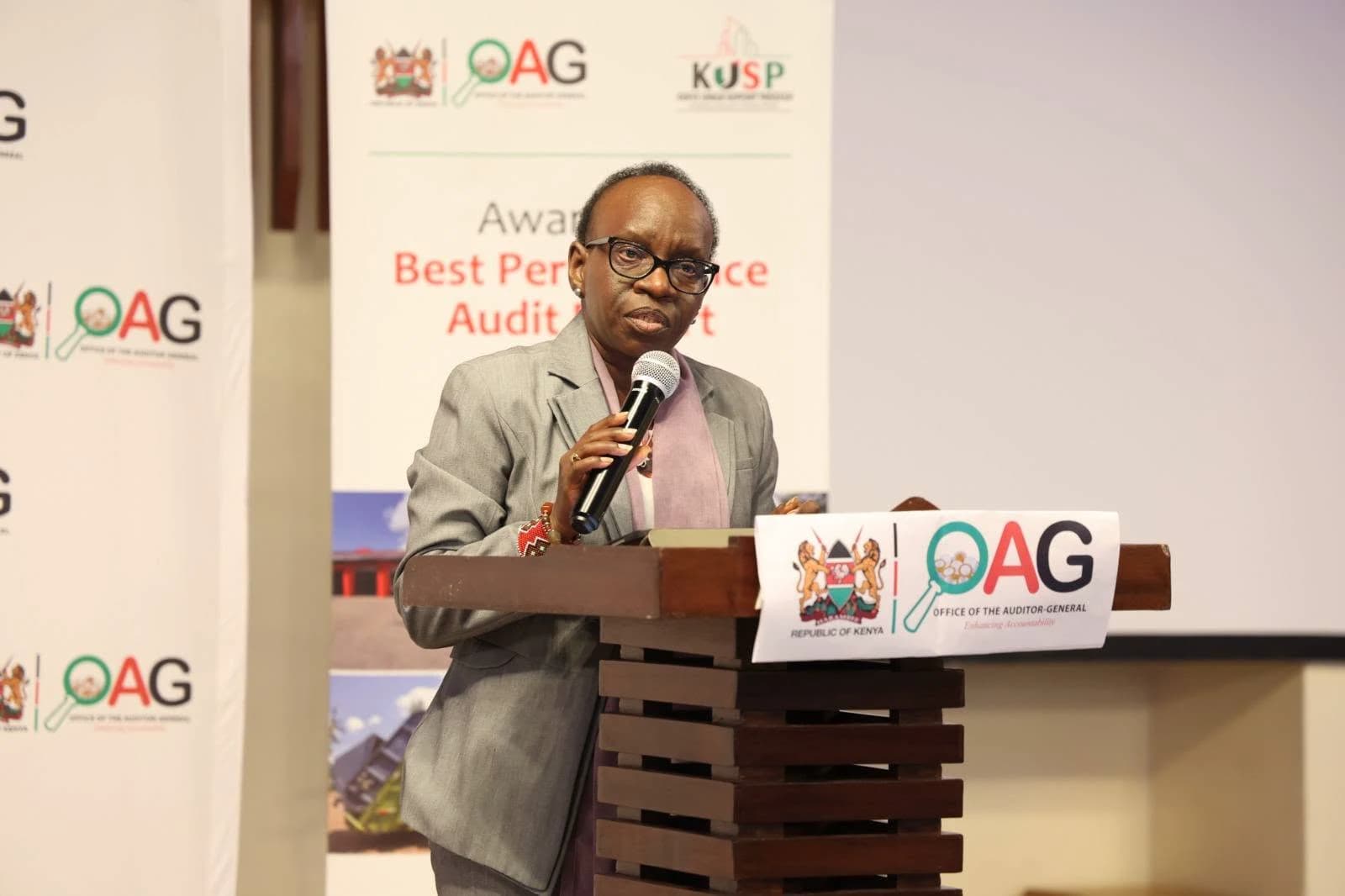
Auditor-General Nancy Gathungu, in her report, said the audit could not confirm the effectiveness and value for money of the programme, which was introduced to improve compliance with procurement laws in public learning institutions. The audit found that 9,136 stakeholders and procurement practitioners from public primary and secondary schools received the training at a total cost of Sh911,108,000, translating to an average expenditure of about Sh99,713 per participant. However, the limited geographical reach of the programme raised questions about whether the authority had done enough to ensure that schools across the country benefited from the exercise.
Gathungu said it was unclear whether PPRA had put in place adequate measures to extend the training to the remaining 256 constituencies and ensure that public learning institutions had equal opportunities to benefit from the capacity-building programme. "In the circumstances, the effectiveness and value for money on capacity building undertaken on primary and secondary schools at a cost of Sh911,108,000 cannot be confirmed," she said. The report did not establish whether the authority had planned or secured funding for another round of training to cover the constituencies left out of the programme.
The exercise was introduced after concerns emerged over increasing cases of non-compliance with procurement laws in public learning institutions, prompting the authority to step up efforts to equip school officials with the knowledge needed to follow the rules. In a circular dated November 9, 2023, PPRA directed all head teachers, principals and other officers performing accounting officer duties to ensure full compliance with public procurement laws. The National Treasury later wrote to the authority on October 31, 2024, directing it to immediately begin capacity building for all stakeholders in public learning institutions, aimed at ensuring schools complied with the Public Procurement and Asset Disposal Act and the regulations governing the purchase of goods and services and the disposal of public assets.(Education News Kenya — https://educationnews.co.ke/news/auditor-general-flags-ppra-sh911m-schools-procurement-training-that-reached-only-34-counties)
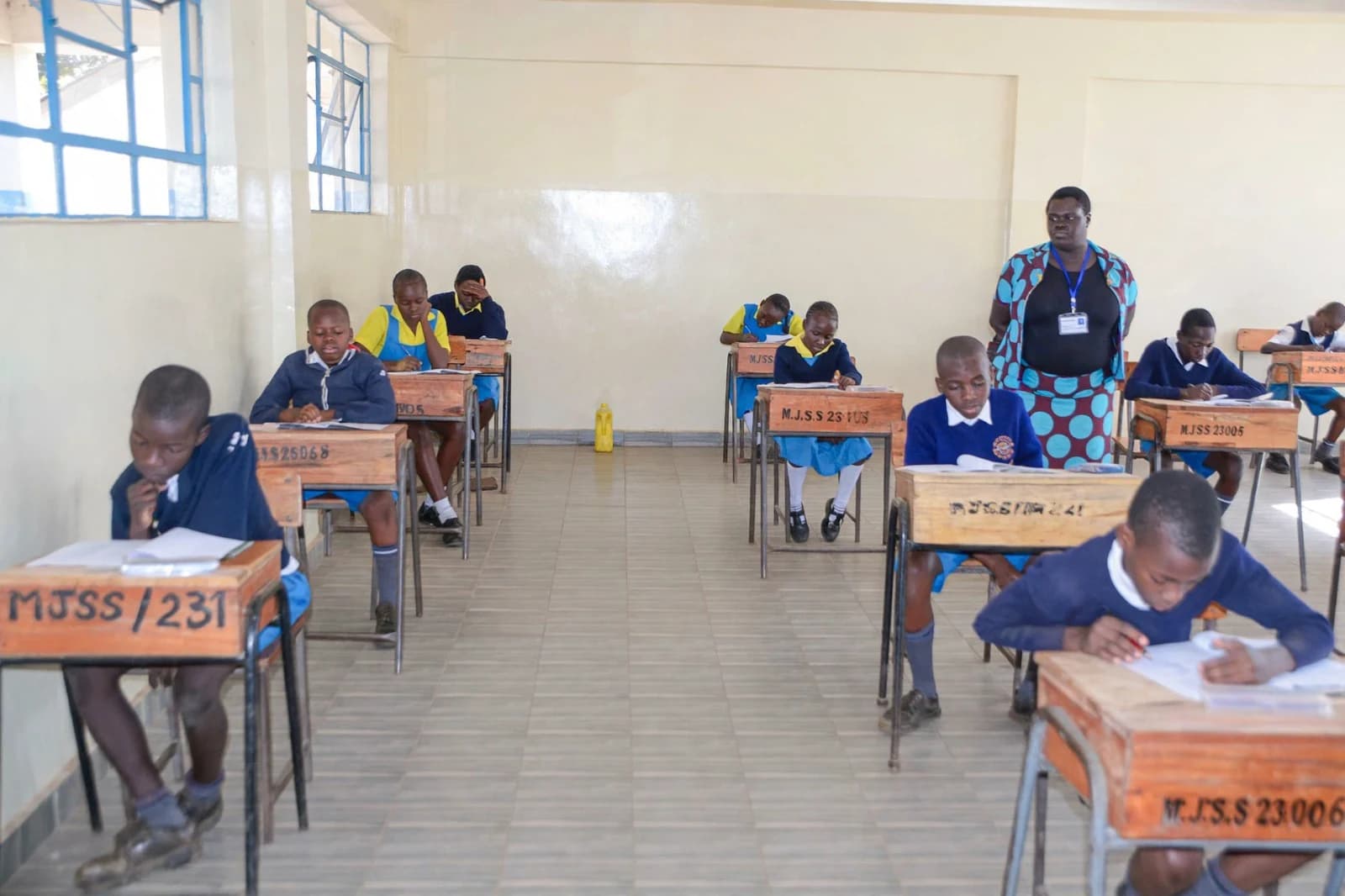
Following the directive, PPRA began training programmes targeting primary and secondary schools, intended to help head teachers, principals, accounting officers and other procurement practitioners understand and apply the legal requirements when spending public funds. These officials are responsible for ensuring that procurement decisions and processes in their institutions comply with the law. However, auditors found that the training reached participants from only 34 constituencies, leaving most parts of the country outside the initiative, raising concerns about whether the programme had reached enough schools to address the compliance problems that prompted the intervention.
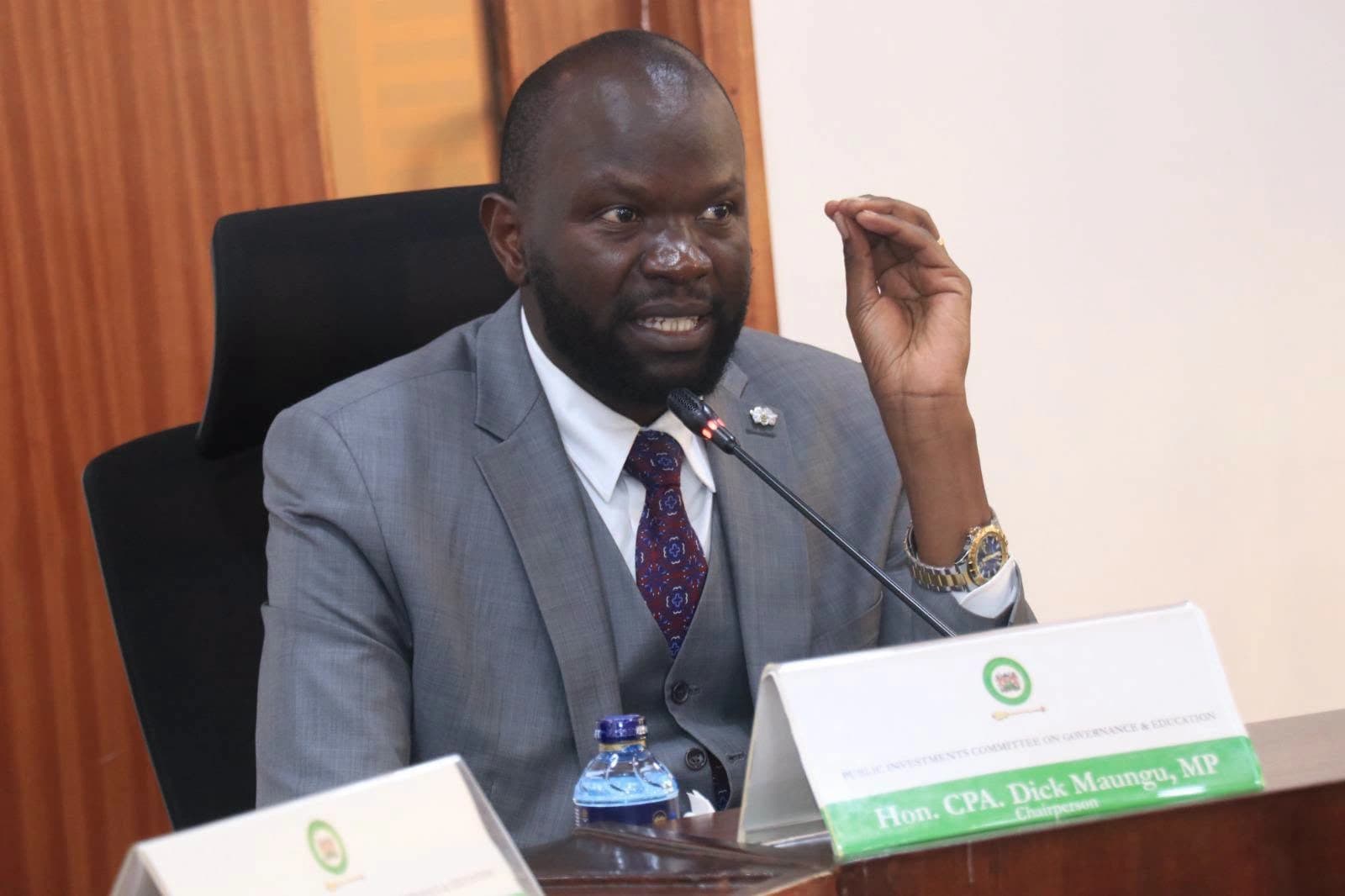
The findings come amid increased scrutiny of how public schools manage taxpayers' money, with principals of some of the country's leading institutions appearing before Members of Parliament to respond to questions over their financial management. In September, the National Assembly's Public Investments Committee on Governance and Education questioned principals of Alliance High School, Mang'u High School and Limuru Girls High School over additional charges imposed on parents without the required government approval. Alliance High School was flagged for collecting Sh17.6 million in additional fees, while Mang'u High School charged Sh46,082 per student under its Parent Association Support Programme without approval.
At Limuru Girls High School, MPs questioned a Sh785,946 capitation discrepancy arising from differences between student enrolment records and figures captured in the National Education Management Information System. The cases have brought attention to the financial practices of public learning institutions and the need to ensure that public funds are spent in line with the required rules.

Reader Discussion (0)
Sign in to comment