






By Astiba Kebong'o
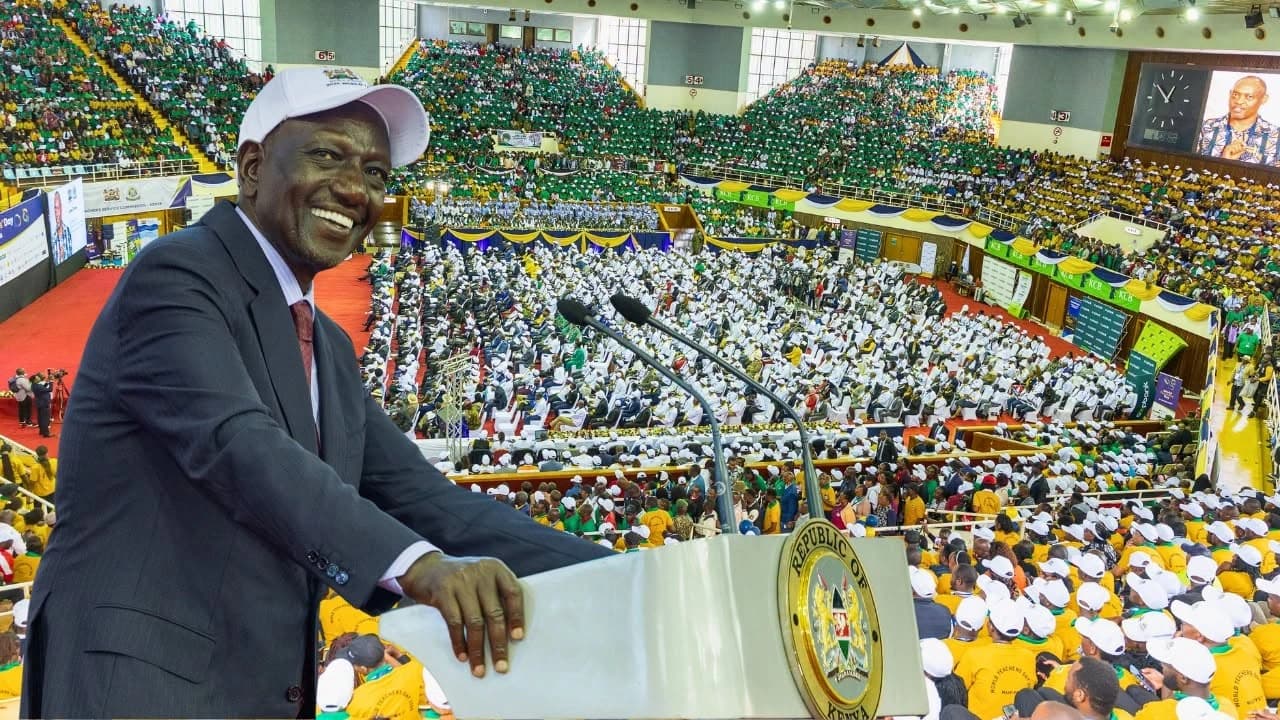
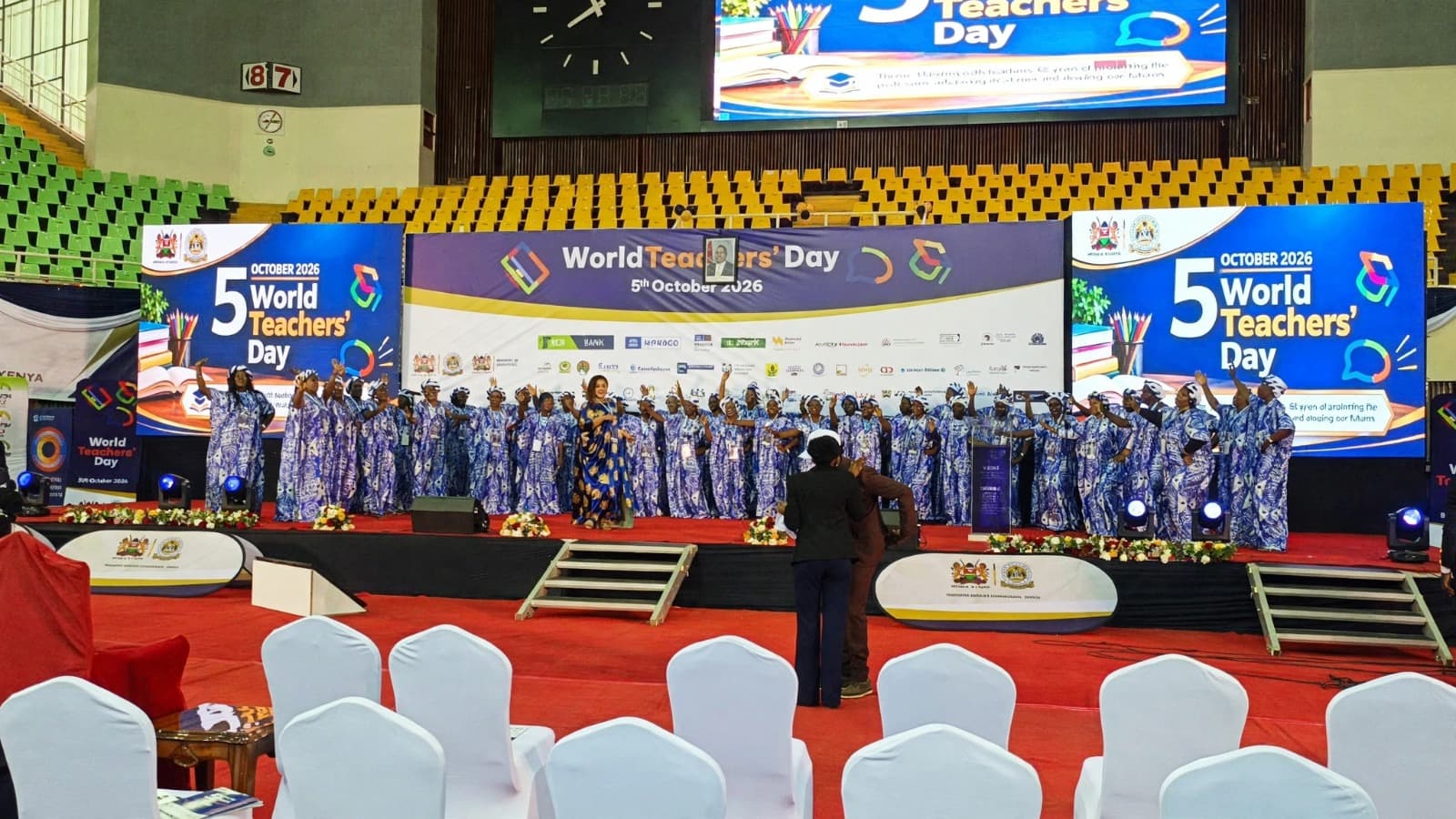
The jubilant scenes at Kasarani Gymnasium on October 5 were a fitting tribute to one of society's most consequential professions — teaching. As Kenya joined the world in marking World Teachers' Day, the occasion was more than speeches, music, awards and celebration. It was a moment for the country to pause and reflect on the men and women who spend their working lives shaping the minds, character and aspirations of the next generation.
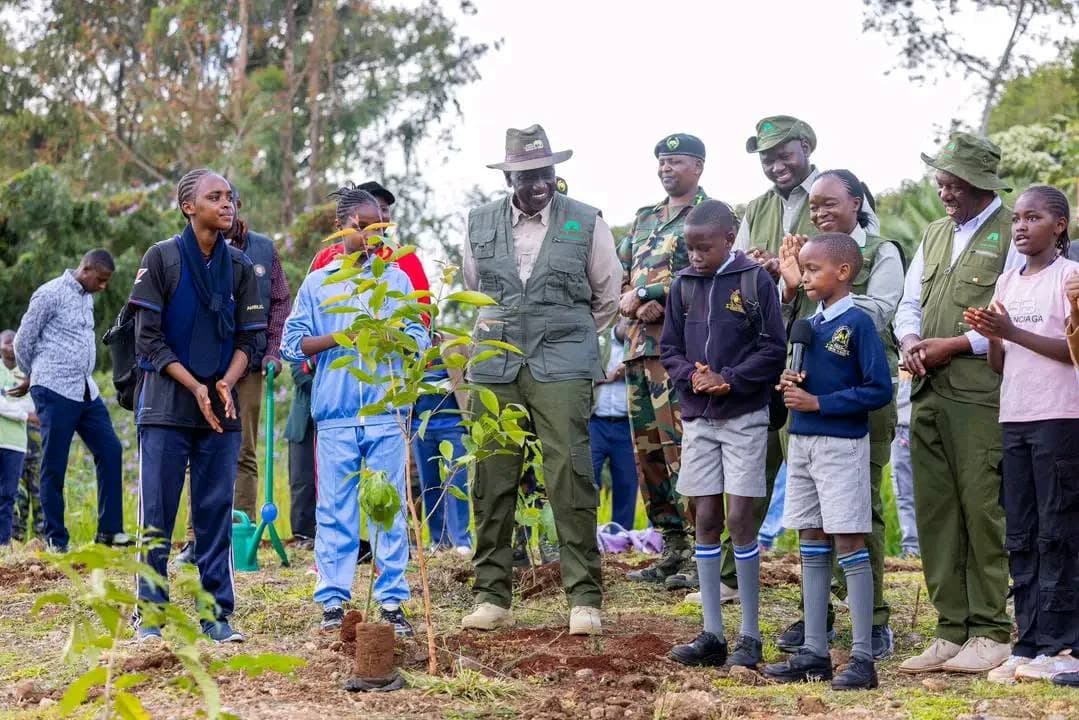
The celebrations were not confined to Kasarani. Across the country, schools marked the day in ways that reflected their circumstances, creativity and appreciation for the teaching fraternity. Some organised special assemblies and recognition ceremonies, while others held social gatherings, mentorship sessions, sporting activities and appreciation programmes. The form varied, but the message was the same: teachers matter.
At Kasarani, teachers were honoured for their contribution to education, while the Presidential address placed the profession within the broader national development agenda. Yet some of the most memorable moments came from learners and alumni. Their messages offered deeply personal acknowledgement, proving that the influence of a teacher does not end when a learner walks out of the school gate for the last time.
Former students know this better than most
Years after leaving school, many can still recall the teacher who believed in them when they doubted themselves, the one who challenged them to work harder, the mentor who spotted a hidden talent, or the teacher who offered encouragement during a difficult season. These encounters may seem ordinary at the time, but they leave an indelible mark.
This is the quiet power of teaching
A learner may become a doctor, engineer, lawyer, entrepreneur, artist, scientist, public servant or teacher, but somewhere along that journey there is often an educator who opened the door. The teacher does not always witness the final outcome. The seed is planted in the classroom, the harvest comes decades later.
The African proverb, "A child who is not embraced by the village will burn it down to feel its warmth," speaks to our collective responsibility in raising children. Teachers are central to that village. They work alongside parents, communities and institutions to provide knowledge, guidance, discipline, protection and opportunity.
The 2026 World Teachers' Day theme, "Standing with teachers: 60 years of protecting the profession, advancing its status and shaping our futures," is particularly significant. Linked to the 60th anniversary of the 1966 ILO/UNESCO Recommendation concerning the Status of Teachers, it reminds the world that celebrating teachers must go hand in hand with protecting their professional dignity and improving their working conditions.
This is where celebration must meet responsibility
Teachers deserve applause, but they also deserve meaningful professional support. Appreciation cannot be limited to one day on the calendar. It must be reflected in career progression opportunities, continuous professional development, adequate teaching and learning resources, supportive working environments and policies that recognise the complexity of modern teaching.
Honouring educators at Kasarani for mentorship, innovation, leadership, resilience, inclusion and learner support reinforced an important truth: effective teaching extends far beyond delivering a lesson.
A teacher may be a mentor, counsellor, role model, talent developer, disciplinarian, listener and source of hope, sometimes all within the same school day.
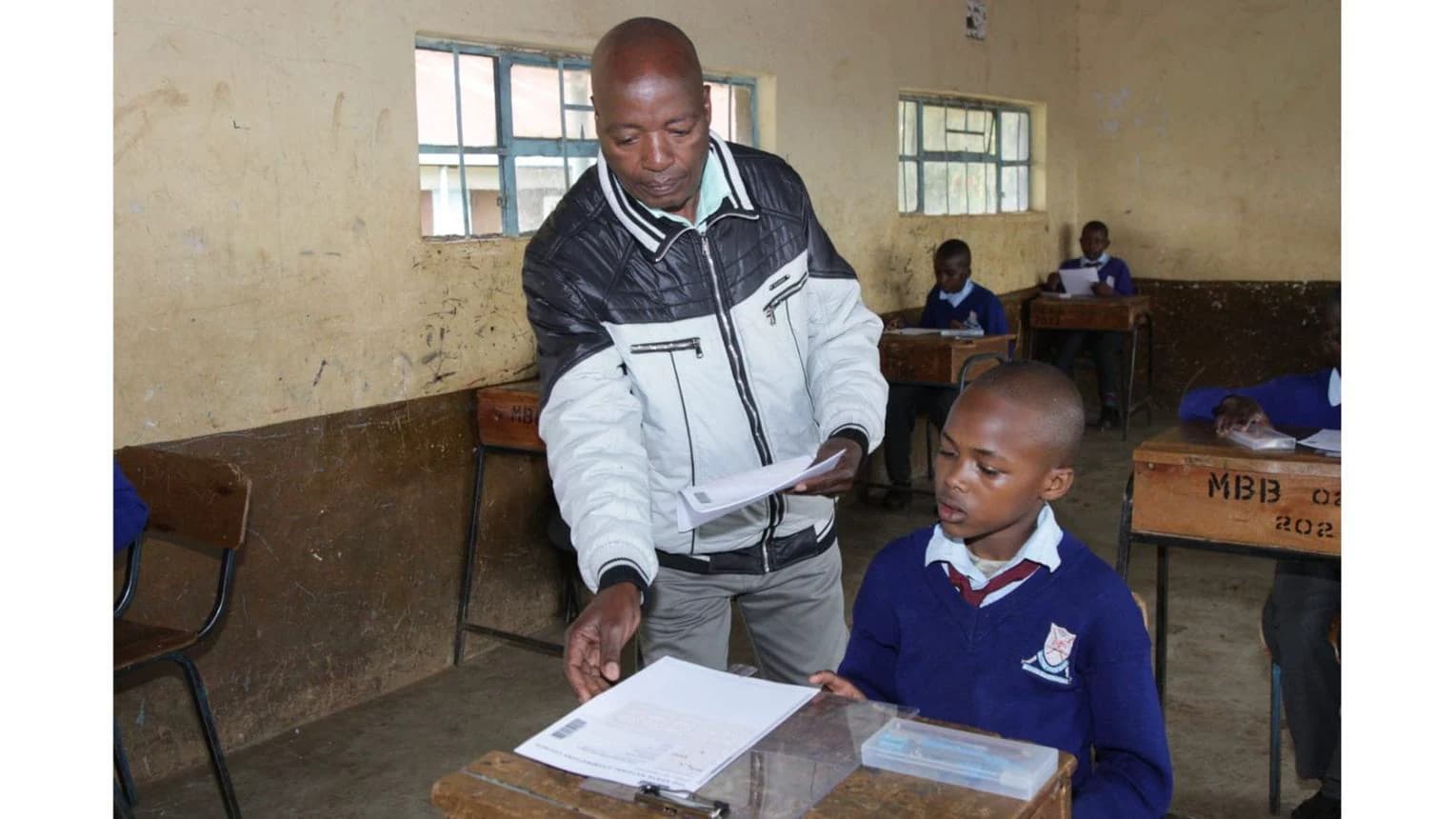
The school-based celebrations also showed that appreciation does not have to be extravagant to be meaningful. A learner saying "thank you," colleagues recognising one another, an alumnus returning to honour a former teacher or a school organising a simple ceremony can have enormous emotional value.
At the same time, society must be honest about what it expects from teachers. Appreciation must be accompanied by accountability. The profession demands integrity, competence, commitment and unwavering regard for learners' welfare and dignity.
The changing education landscape makes this responsibility even more demanding. The classroom of today is not the classroom of yesterday. Digital technology, artificial intelligence, new assessment approaches and Competency-Based Education are transforming how teachers plan, teach, assess and engage learners. The teacher is now a facilitator of learning, not just a transmitter of information.
This calls for continuous learning. Experience is valuable, but experience without renewal becomes stagnation. The effective teacher remains curious, embraces innovation, learns from colleagues, mentors younger professionals and stays open to new approaches.
Parents and communities, too, have a role. Education works best when teachers are treated as partners, not adversaries.
The Kasarani celebration and the smaller celebrations countrywide should not be viewed as a one-day event. They should be a reminder of the value Kenya places on those who educate its children.
The music will fade. The applause will end. Certificates and trophies will find their places on shelves. But the teacher will return to the classroom. Another lesson to prepare, another script to mark, another learner to encourage.
That is why the teacher deserves more than a day of celebration. Teachers deserve professional respect, trust, continuous development and conditions that enable them to give their best.
When a nation celebrates its teachers, it celebrates its future.
To every teacher who continues to teach, mentor, inspire, correct, encourage and believe in learners even when the work is difficult: your contribution matters.
You are not merely delivering a curriculum. You are helping build the nation, one learner at a time.
jackiekebongo@gmail.com

Reader Discussion (0)
Sign in to comment