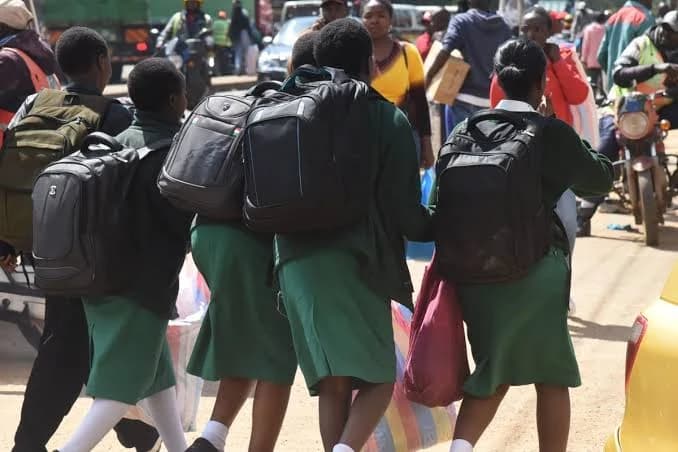
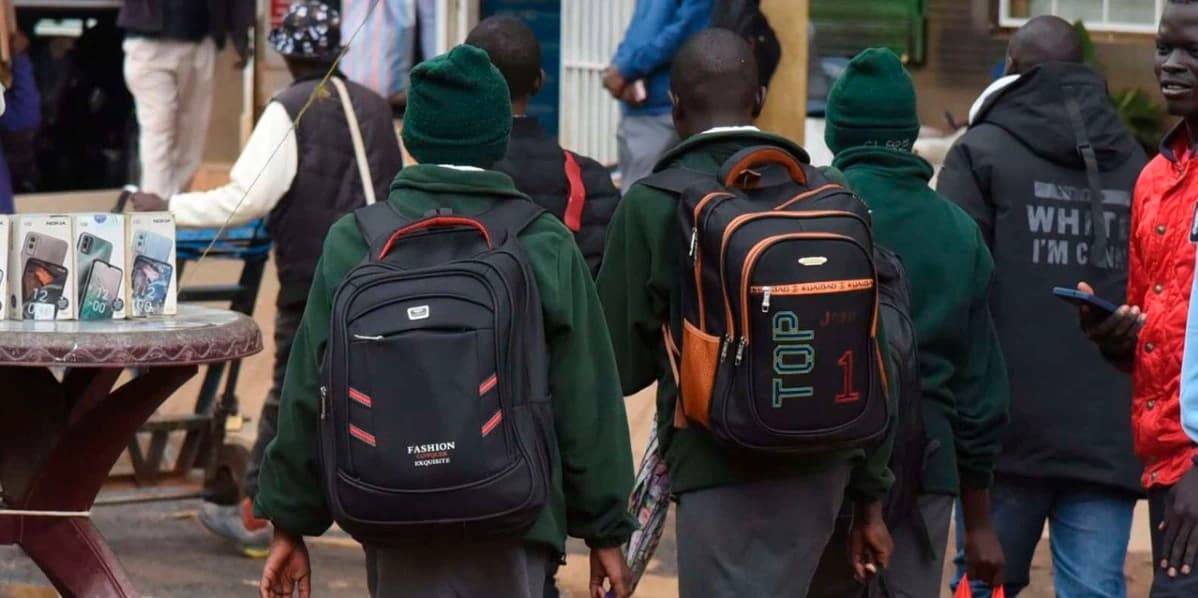
The 2027 school calendar must force the country to confront an uncomfortable historical reality: Kenya has perfected the art of announcing education reforms without establishing whether the institutions expected to implement them have the financial, human and infrastructural capacity to deliver. Every new administration arrives with fresh promises, new terminology, ambitious policy documents and declarations of transformation. Yet the ordinary Kenyan parent continues to struggle with school fees, transport costs, uniforms, learning materials, accommodation expenses and the ever-increasing financial demands associated with keeping a child in school.
Extending half-term breaks may improve learner welfare, but who is examining the economic consequences of these adjustments on households already stretched to breaking point? Parents in rural communities, informal settlements and low-income urban neighbourhoods cannot be treated as an unlimited financial resource for an education system that frequently transfers its implementation challenges to families. Education is a public responsibility, not a commercial experiment in which parents must continuously pay for government policy decisions.
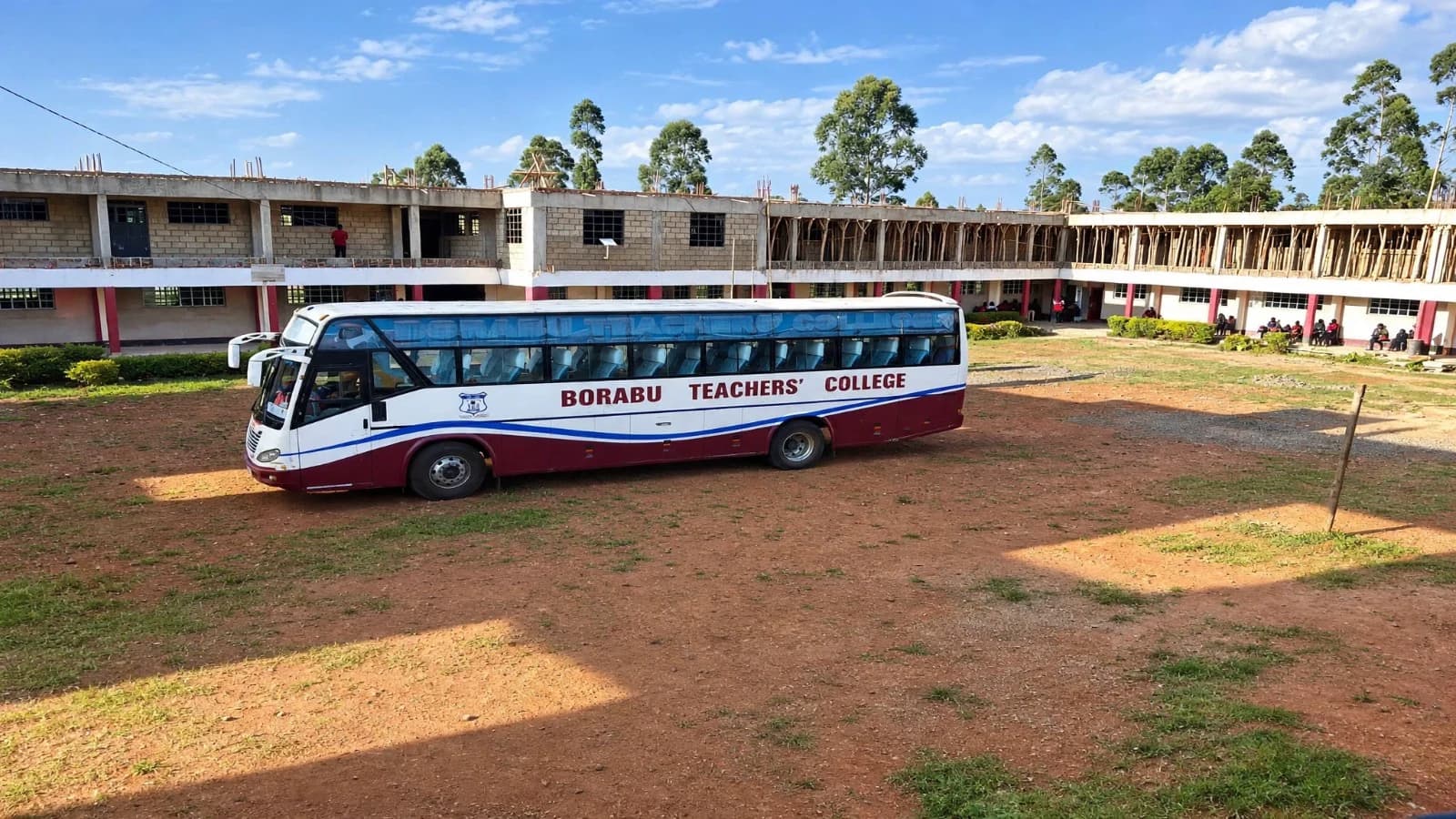
There is equally a compelling need to interrogate the relationship between the school calendar, teacher welfare and the actual realities of classroom instruction. Teachers cannot be expected to deliver exceptional learning outcomes when they are struggling with excessive workloads, inadequate teaching resources, overcrowded classrooms, delayed administrative interventions and unresolved professional grievances.
The Kenya National Union of Teachers (KNUT), the Kenya Union of Post-Primary Education Teachers (KUPPET) and other education stakeholders must be involved in meaningful consultations rather than being invited merely to endorse decisions already made. The Teachers Service Commission (TSC) must demonstrate that teacher deployment, professional development, workload management and welfare are integral components of educational reform.(Education News Kenya — https://educationnews.co.ke/news/a-longer-holiday-is-not-reform-kenyas-learners-deserve-a-better-education-system)
A calendar that gives learners additional breathing space but leaves teachers exhausted is only a partial solution. The government must understand that educational excellence is not manufactured through circulars; it is built through motivated professionals, properly equipped institutions and credible leadership.
Another critical issue is the transition from basic education to junior and senior school under the Competency-Based Education (CBE) framework. Kenya must be careful not to allow the excitement surrounding curriculum transformation to conceal the inequalities between well-resourced private institutions and struggling public schools.
While some schools enjoy laboratories, libraries, digital learning facilities, sports infrastructure and adequate staffing, others are still battling inadequate classrooms, insufficient sanitation facilities and shortages of essential learning materials. This is not merely an educational inconvenience; it is a national equity question. A child attending a poorly equipped public school in a marginalised county must enjoy the same constitutional promise of quality education as a child attending an expensive institution in Nairobi.
The Ministry of Education must publish credible infrastructure and staffing assessments, identify disadvantaged institutions and establish measurable investment priorities. CBE cannot succeed through ambition alone when the foundations required to implement it remain unequal.
The issue of disaster preparedness deserves even greater urgency. Kenya's boarding schools must never again find themselves improvising emergency responses when lives are at risk. The tragedies associated with school fires and other emergencies have repeatedly demonstrated that safety cannot be left to chance, administrative goodwill or occasional inspections.
Every institution must have functional emergency exits, appropriate firefighting equipment, reliable electrical installations, accessible evacuation routes, trained personnel and clearly communicated emergency procedures. Schools located in flood-prone areas must have specific disaster-response arrangements, while institutions operating in areas vulnerable to extreme weather must incorporate environmental risk assessments into their management plans.
The National Disaster Operations Centre, county disaster-management departments, public health authorities, the National Police Service and education regulators should establish coordinated school-safety monitoring arrangements. Crucially, inspection findings must result in corrective action. It is unacceptable for an institution to receive warnings about dangerous infrastructure only for those warnings to disappear into bureaucratic paperwork.
There is also a wider psychological and social dimension that policymakers must confront. Contemporary learners are growing up in an increasingly complicated environment characterised by social media pressures, economic uncertainty, family difficulties, drug and substance abuse, bullying, online exploitation and heightened academic expectations. Schools cannot continue behaving as though the only responsibility of education is to prepare candidates for examinations.
Guidance and counselling departments must be strengthened, professionally supported and adequately funded. Teachers should receive training in identifying warning signs of psychological distress, while parents must be encouraged to establish stronger communication with their children. Learners experiencing emotional difficulties should have access to appropriate professional support without being stigmatised or automatically labelled indisciplined.
Equally, school administrations must establish credible mechanisms for reporting bullying, harassment, discrimination and abuse. Silence must never be mistaken for wellbeing.
The government must also resist the temptation to interpret the reduction of school unrest as the ultimate measure of success. A school can remain peaceful while learners are silently struggling with poor nutrition, inadequate sanitation, intimidation, mental distress and dysfunctional management. The absence of demonstrations or destruction of property does not automatically demonstrate institutional health.
What Kenya needs is a comprehensive national school-wellbeing framework supported by independent assessments, transparent reporting and enforceable accountability standards. Such a framework should measure not only examination performance but also learner safety, teacher welfare, attendance, nutrition, infrastructure, discipline, counselling services and the quality of school governance.
Ultimately, the 2027 calendar presents Kenya with an opportunity to rethink the relationship between education, national development and human dignity. The country's economic ambitions under Vision 2030 and its constitutional commitment to education demand institutions capable of producing informed, responsible, innovative and productive citizens. That responsibility cannot be discharged by changing opening dates, closing dates and holiday durations alone. The Ministry must demonstrate that every adjustment is supported by evidence, stakeholder participation and realistic implementation plans.
History will not judge Kenya's education leadership by the number of calendars it publishes or the number of press conferences it holds. It will judge it by whether children are safer, teachers are better supported, parents face fewer unreasonable burdens and public schools become genuinely capable of delivering quality education.
The message to the Ministry is unmistakable: do not give Kenya's learners a longer holiday and return them to the same broken institutional realities. Give them a better education system.
That is the reform the nation is demanding.
The writer is a history and language analyst








Reader Discussion (0)
Sign in to comment