







Treasury Cabinet Secretary John Mbadi's declaration that universities will be central to Kenya's ambition of becoming a high-income economy by 2063 is a welcome recognition of the power of knowledge. However, Kenyans must ask a difficult question: can a country transform itself into an economic powerhouse through universities while allowing its education system, research institutions and public governance structures to struggle with fundamental weaknesses?
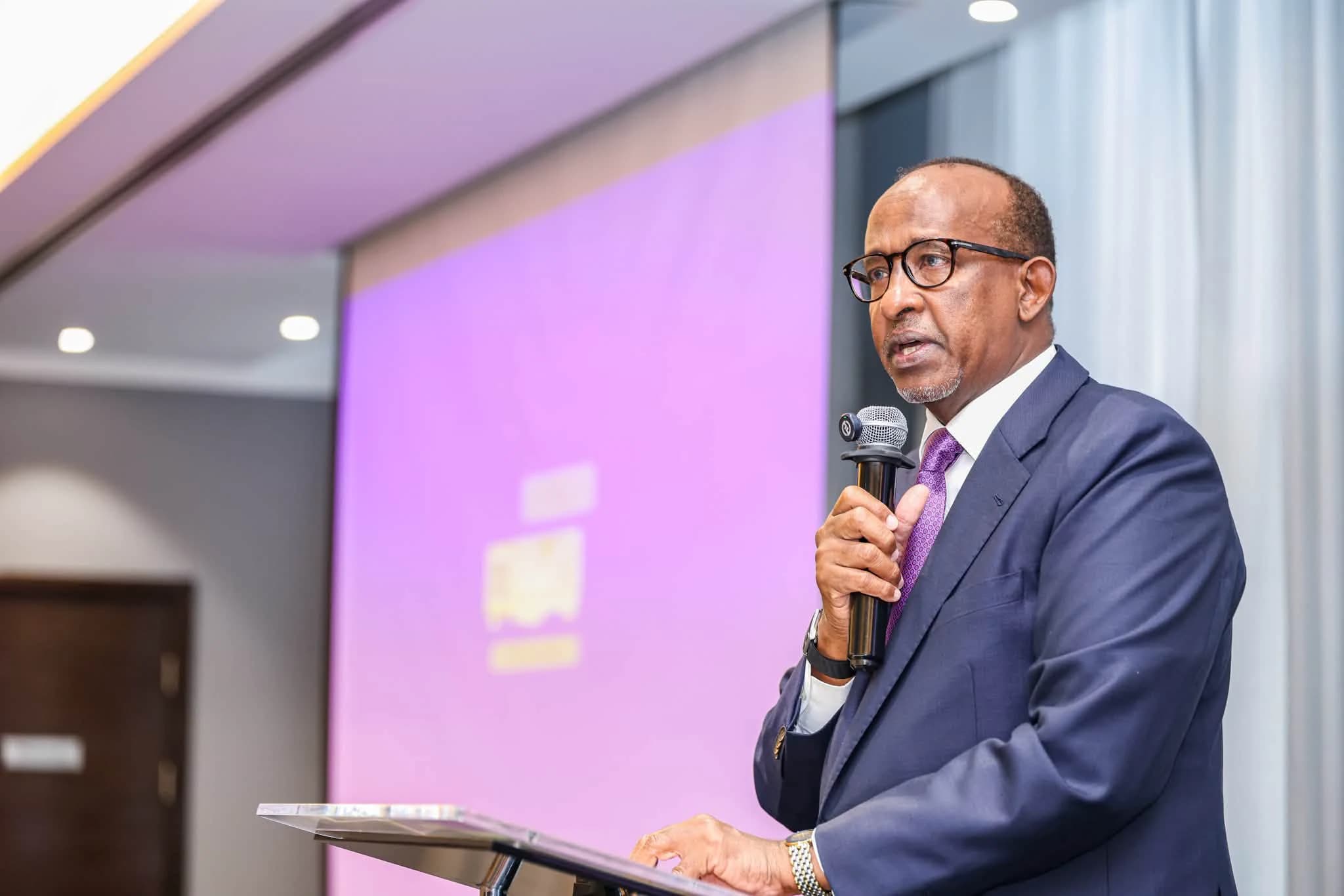
Speaking during the 20th anniversary celebrations of the Adventist University of Africa, Mr Mbadi placed higher education, scientific research, innovation and specialised skills at the centre of Kenya's post-2030 development ambitions. He also indicated that Vision 2030 had achieved 66.1 per cent implementation of its flagship projects, while the government intends to develop a citizen-owned national development charter by June 2027 and a transition plan by June 2028. These are ambitious commitments, but ambition without accountability is merely political rhetoric.
Historically, Africa's greatest development tragedy has not been a shortage of educated people or natural resources. It has been the persistent failure to translate intellectual capacity, scientific discoveries and economic potential into industrial prosperity and improved living standards.
From the colonial education structures that prioritised administrative labour to the post-independence expansion of universities, African governments have repeatedly promised education-driven transformation. Yet the continent continues exporting raw materials, importing expensive finished products and depending heavily on foreign technologies. This contradiction must end.
The African Union's Agenda 2063 envisions a prosperous, integrated and peaceful Africa driven by its own citizens. Its aspirations include scientific advancement, industrialisation, quality education, technological innovation, democratic governance and economic independence. Kenya cannot claim leadership in this continental transformation while its universities remain excessively dependent on foreign research funding, imported technologies and inadequate institutional resources.
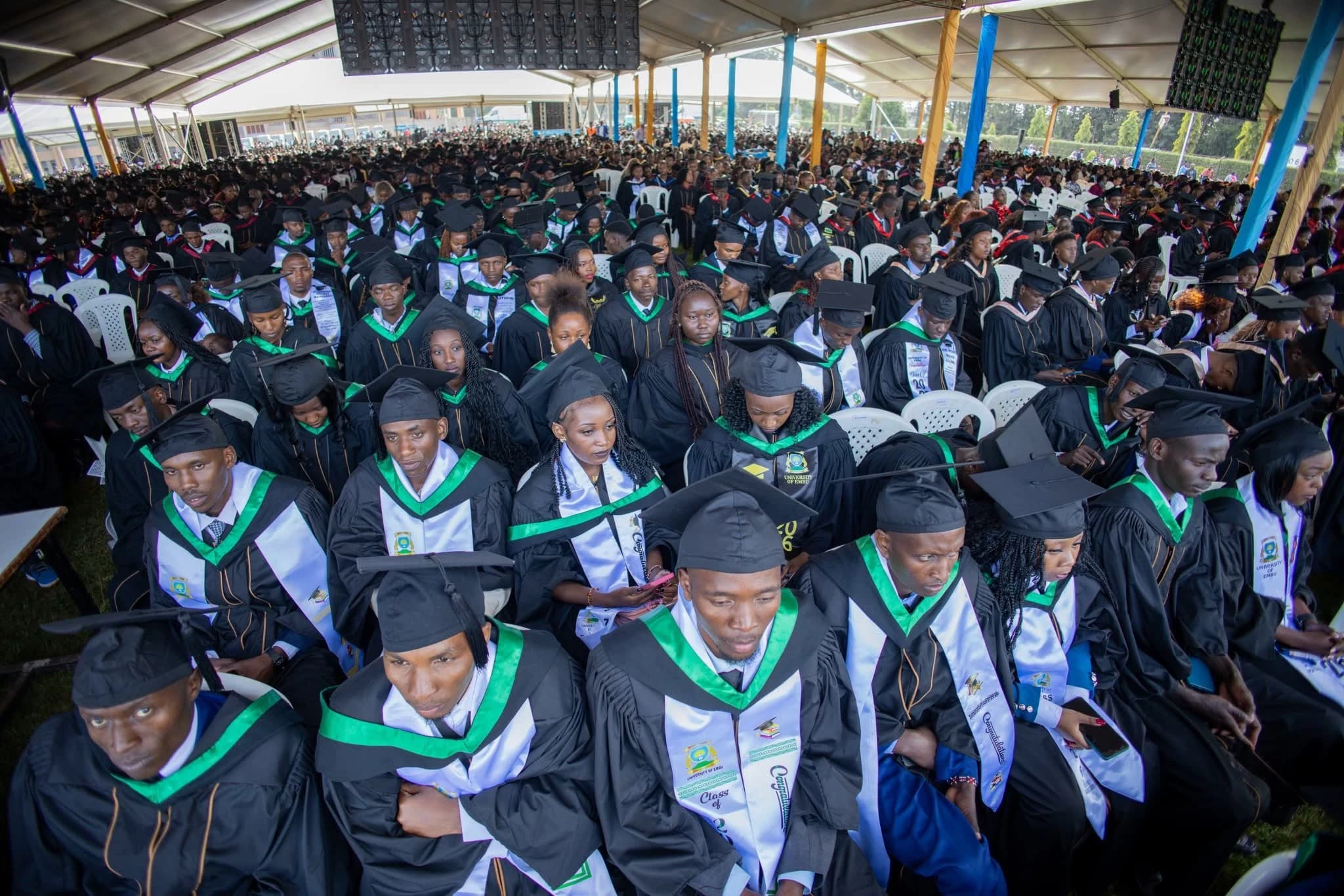
Universities must therefore graduate from being examination factories into centres of invention, industrial development and intellectual leadership. A university should not celebrate thousands of graduates while industries complain about skills shortages and young people wander the streets searching for employment.
Kenya needs universities capable of developing agricultural technologies, manufacturing innovations, artificial intelligence, medical discoveries, renewable energy solutions, cybersecurity expertise and modern industrial systems. Research must move beyond academic shelves and conference presentations into factories, hospitals, farms, businesses and government institutions.
Mr Mbadi's emphasis on research is particularly important. However, where is the sustainable funding? Where are the modern laboratories, competitive research grants, innovation centres and partnerships that allow Kenyan scholars to compete globally? Government promises must translate into predictable financing and measurable outcomes.
The youth question is equally urgent. Africa's expanding working-age population presents an extraordinary economic opportunity, but without relevant skills, productive employment and entrepreneurship, demographic growth could become a national liability. Universities must collaborate with technical institutions and industries to prepare graduates for emerging economic realities rather than continue producing qualifications disconnected from labour-market demands.
Equally, Kenya must confront the commercialisation of higher education. University education cannot become a privilege reserved for wealthy families while talented students from marginalised communities are excluded by financial barriers. Scholarships, research funding and equitable access must become national priorities.
Good governance is another non-negotiable pillar. Corruption, institutional incompetence, political interference and wastage of public resources can destroy even the most ambitious development blueprint. Every shilling lost through corruption is money denied to laboratories, scholarships, hospitals, roads and classrooms.
A high-income Kenya cannot be built on low accountability.
The proposed transition beyond Vision 2030 must also avoid repeating the mistakes of previous development frameworks. Public participation must be genuine, county governments must have meaningful roles, Parliament must provide oversight, and universities must independently scrutinise government policies.
Ultimately, 2063 is not simply a date on a political calendar. It represents a generational responsibility. Kenya must decide whether it wants to remain a consumer of foreign knowledge or become a producer of solutions for Africa and the world.
Mr Mbadi is right to place universities at the centre of the national transformation agenda. But the real test will not be speeches, anniversaries or development blueprints. It will be the number of innovations commercialised, industries established, jobs created, lives improved and young people empowered.
Kenya does not need another beautiful development document. It needs a knowledge revolution backed by money, integrity, research, industrialisation and uncompromising accountability.
Beyond 2030, the country must stop celebrating potential and start delivering prosperity. By 2063, history must find Kenya among the nations that created knowledge, transformed industries and secured dignity for their people.
The writer is a History and Language analyst



Reader Discussion (0)
Sign in to comment