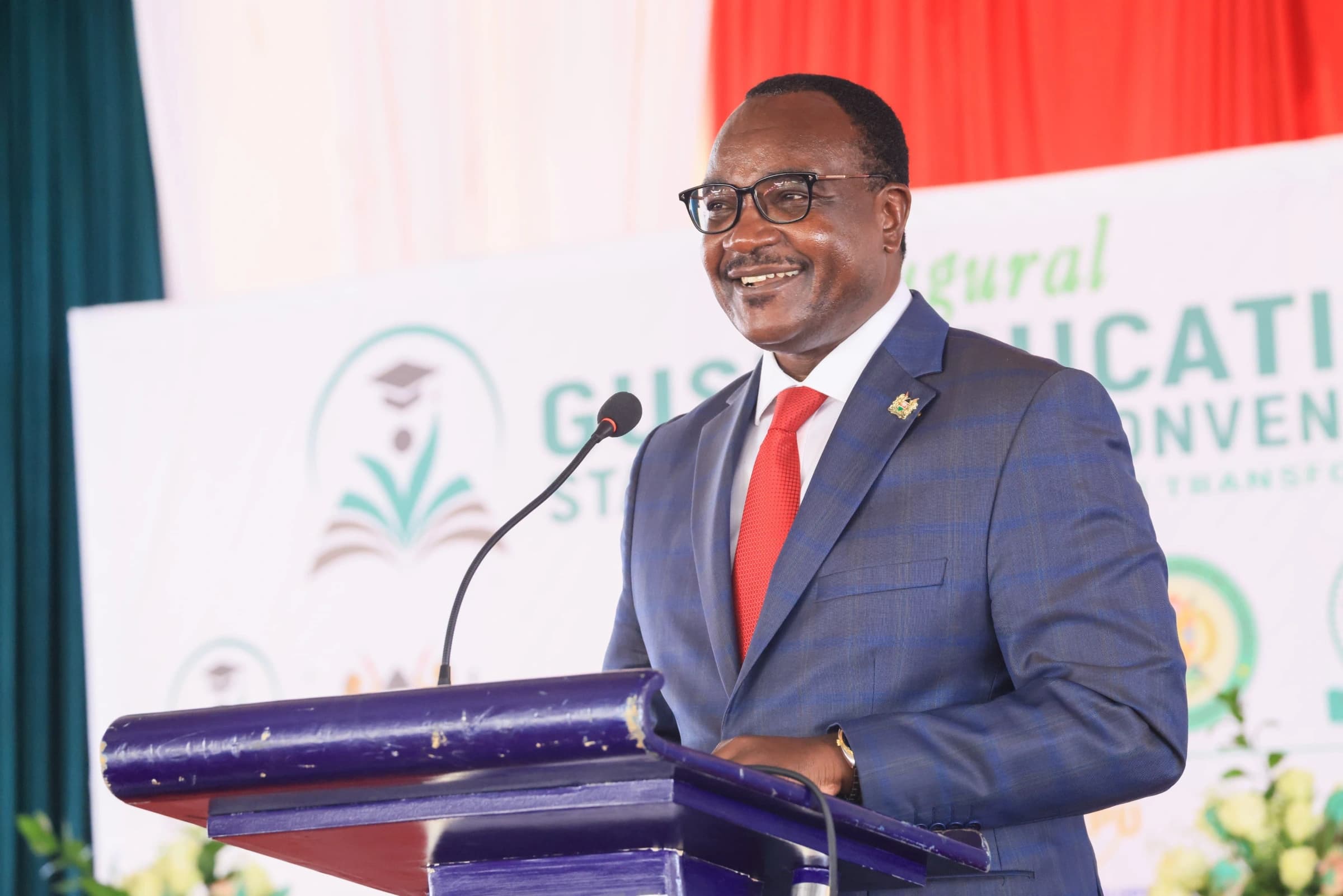



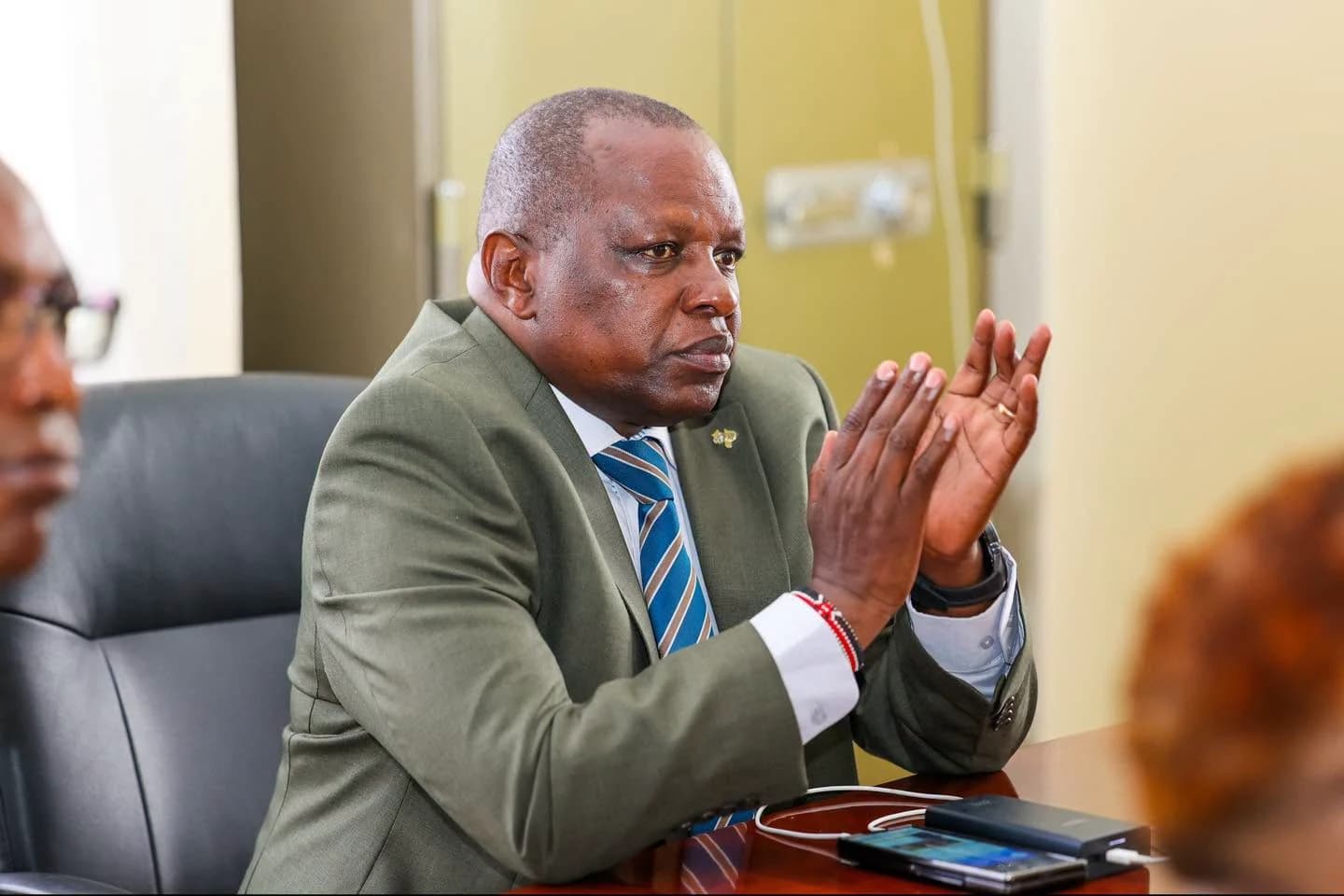
Education Cabinet Secretary Julius Ogamba has challenged Kenyan universities to shift their focus from increasing student enrolment to producing graduates equipped with practical skills, strong values and the ability to address societal challenges.
Ogamba said the success of universities should not be judged by the number of students admitted or degrees awarded, but by the quality of education, research and the contribution graduates make to society.
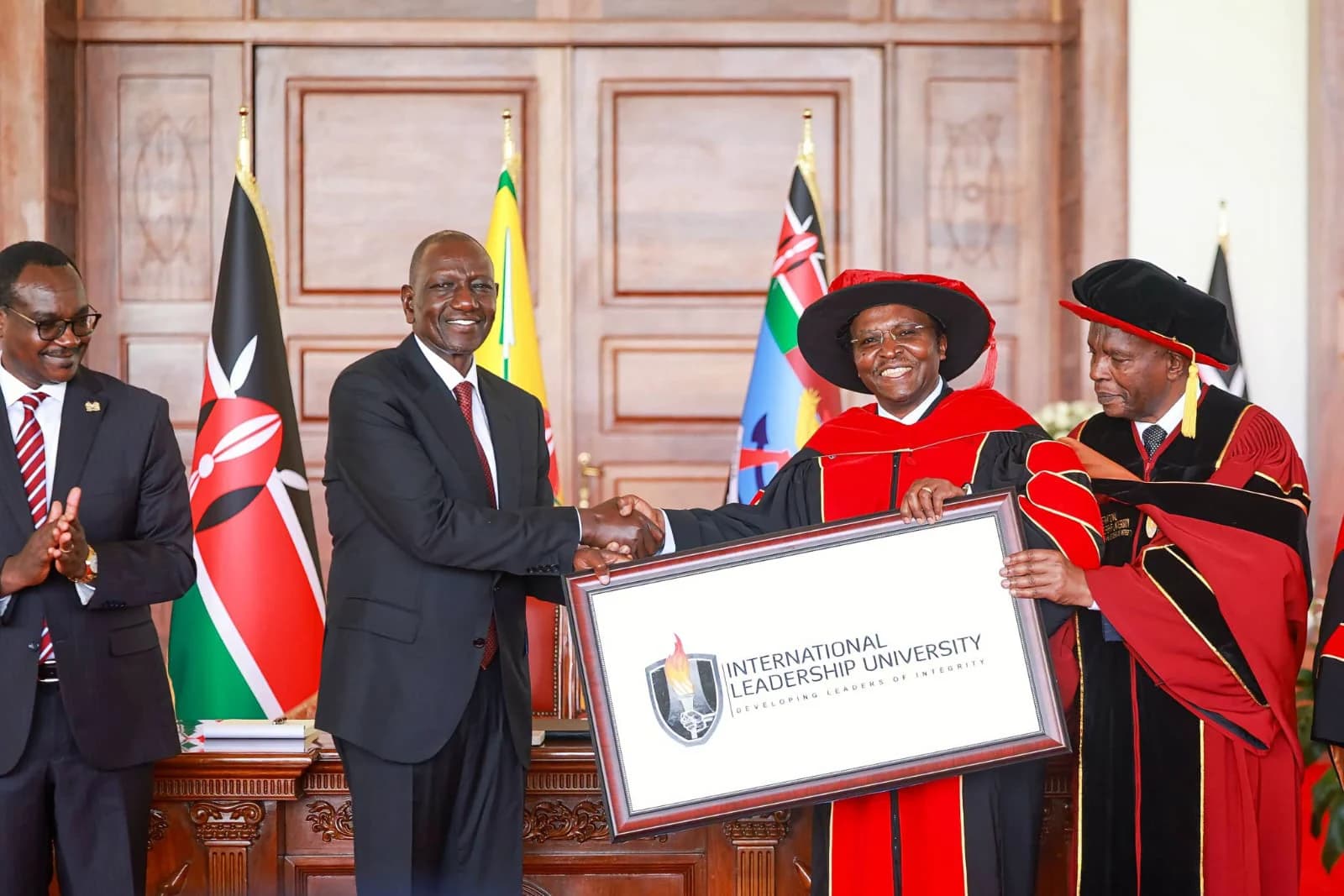
He spoke on Thursday during the award of a charter to International Leadership University (ILU) at State House, Nairobi, where he called on institutions of higher learning to strengthen academic standards, improve governance and offer programmes that respond to the country's development needs.
The CS said universities must demonstrate their relevance through quality teaching, innovative research and training that prepares graduates to contribute meaningfully to Kenya, Africa and the global economy.
"We must not only ask ourselves how many students enter universities, but also focus on what they learn, what problems they can solve, what values they carry and what they give back after graduation," he said.
Ogamba noted that private universities had played a significant role in expanding access to higher education, opening up new academic opportunities and supporting research, innovation and human capital development.
He disclosed that Kenya had 41 private universities with a combined enrolment of 153,999 students, representing 21.7 per cent of the country's university student population.
The Cabinet Secretary, however, cautioned that the expansion of university education must be accompanied by improvements in the quality of training and learning outcomes. He described quality assurance as critical in safeguarding the credibility of academic qualifications and maintaining public confidence in the country's higher education system.
Ogamba said the award of the charter to ILU confirmed that the institution had undergone the required evaluation and satisfied the standards set for university accreditation.
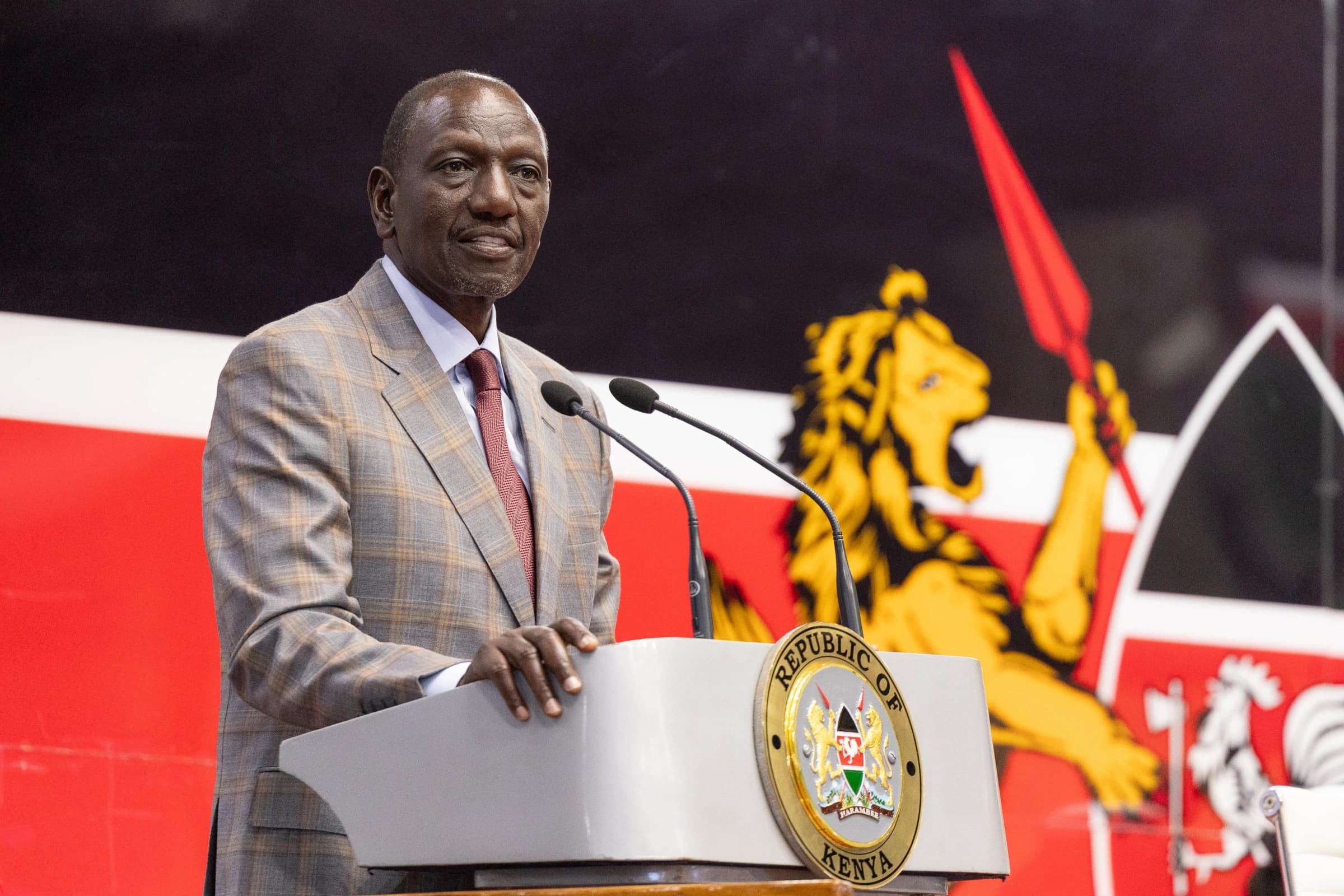
His remarks came amid renewed calls by President William Ruto for universities to strengthen practical training and establish closer partnerships with employers to address the gap between academic qualifications and workplace demands.
Ruto challenged universities to redesign their programmes around real-life challenges, urging institutions to work with county governments, hospitals, agricultural cooperatives and other sectors to provide students with practical problems to investigate and solve.
He also called for stronger industry partnerships to ensure students acquire workplace experience before completing their studies.
The President revealed that the government had received 150,000 applications within 24 hours after announcing 50,000 internship opportunities, highlighting the demand for practical experience among young people.
The two leaders said universities must play a greater role in preparing graduates who can translate classroom knowledge into solutions in healthcare, agriculture, manufacturing and public service.


Reader Discussion (0)
Sign in to comment