








- Ugandan lawmakers visited TSC to learn from Kenya’s teacher-management and education governance systems.
- The delegation was led by Uganda Parliament Education and Sports Committee Deputy Chairperson Ongiertho Emmanuel.
- The engagement highlights growing regional cooperation in addressing teacher deployment, development and professional management.
Kenya’s teacher-management system is increasingly emerging as a regional reference point, with Uganda’s Parliamentary Committee on Education and Sports turning to the Teachers Service Commission (TSC) to benchmark its systems and practices.
The Ugandan delegation, led by Deputy Chairperson Hon. Ongiertho Emmanuel, visited the TSC as part of efforts to gain insights into Kenya’s approach to teacher management, professional administration and the broader governance of the teaching service.
The engagement has placed Kenya’s teacher-management architecture under a regional spotlight, particularly at a time when education systems across East Africa are searching for more effective ways of recruiting, deploying, developing and retaining teachers.
Receiving the delegation, Acting TSC Chief Executive Officer Ms Evaleen Mitei, MBS, thanked the Ugandan parliamentary committee for choosing to benchmark with Kenya and expressed the Commission’s appreciation for the opportunity to share experiences.
The visit provided an avenue for the two countries to exchange ideas and examine approaches that could strengthen teacher management and, ultimately, improve learning outcomes.
For Kenya, the engagement represents more than a routine institutional visit. It signals growing regional interest in the systems developed by TSC to manage the country’s public teaching workforce.
Kenya’s teacher-management system
TSC plays a central role in Kenya’s education system, with responsibilities covering teacher registration, recruitment and employment, deployment, promotion, transfer and disciplinary control. Over the years, the Commission has developed structures intended to bring greater coordination and consistency to the management of teachers across the country.
These structures are now attracting interest from neighbouring countries seeking practical lessons in managing their own teaching services.
The Ugandan delegation’s interest comes against the backdrop of common challenges facing education systems across the region. Teacher shortages, uneven distribution of teachers, professional development, career progression, accountability and changing curriculum demands remain important issues requiring sustained government attention.
Benchmarking therefore provides an opportunity for Uganda to study Kenya’s experiences, identify practices that may be adaptable to its own education system and equally examine the challenges Kenya has encountered in implementing its teacher-management framework.
The engagement can also benefit Kenya.
While TSC has established an extensive institutional framework, the Commission continues to operate in a demanding environment characterised by growing learner populations, shortages in specialised subjects, evolving curriculum requirements and increasing expectations from teachers, parents and communities.
The exchange of experiences with Uganda therefore offers an opportunity for Kenya to reflect on its own systems and identify areas where further improvement may be necessary.
Teacher management must ultimately serve learners
At the centre of the discussion is the need to ensure that teacher-management policies ultimately serve learners.
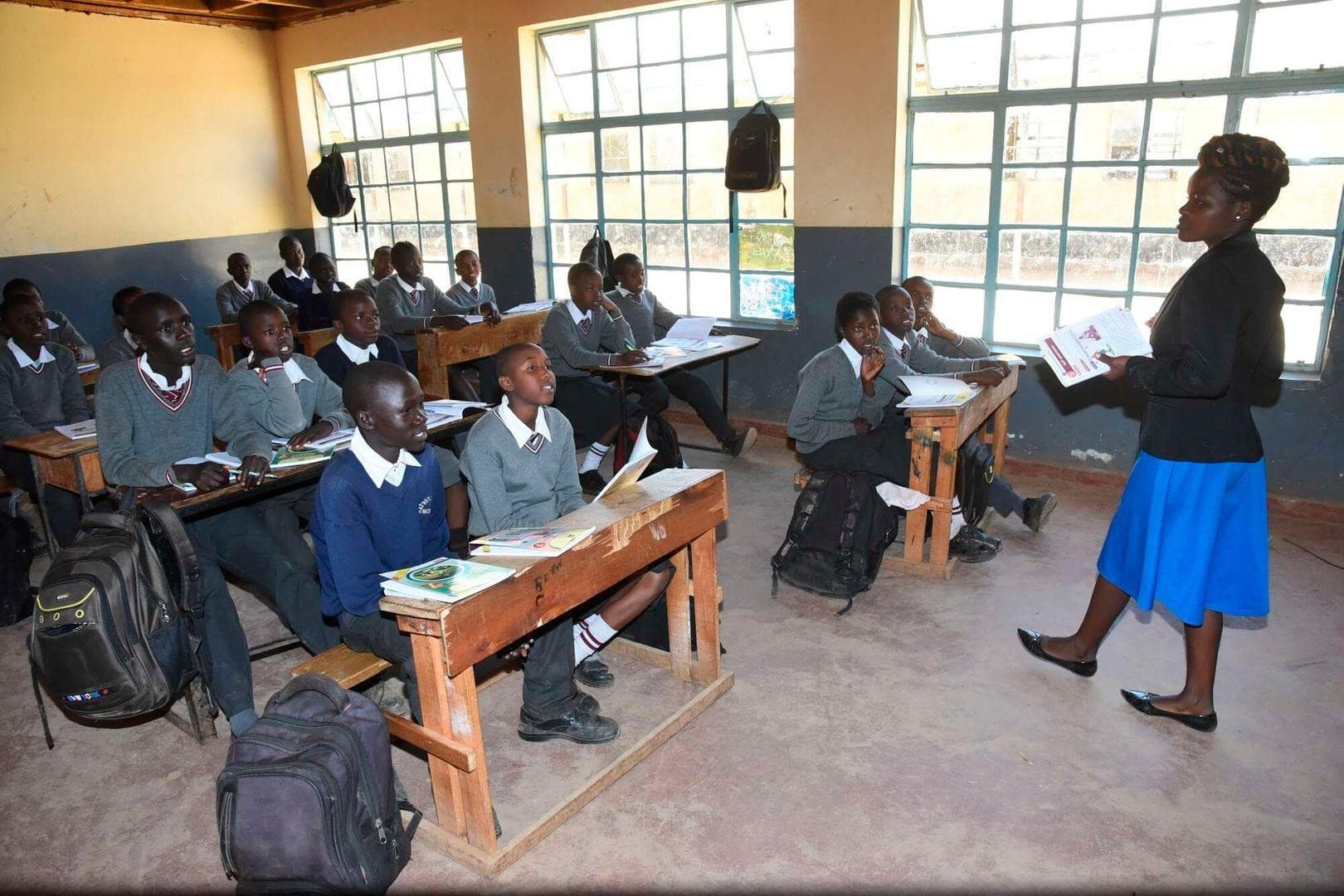
Effective recruitment should respond to genuine teacher shortages. Deployment should ensure equitable distribution of teachers. Promotion should recognise professional growth and merit, while continuous professional development should equip teachers with the skills required to respond to changing classroom needs.
A strong teacher-management system must also balance institutional accountability with teacher welfare and professional dignity.
For learners, the ultimate measure of any education-management system remains the quality of teaching and learning taking place in classrooms.
The Ugandan visit consequently places TSC Kenya within a broader East African conversation about education governance and the future of the teaching profession.
It also demonstrates the value of regional cooperation in education. Countries facing similar challenges can learn from one another rather than attempting to develop solutions in isolation.
Kenya’s experience, therefore, provides an important reference point — but benchmarking should not simply mean copying another country’s model. Successful practices must be examined within the context of each country’s laws, institutions, financing structures and educational priorities.
Opportunity for deeper regional cooperation
The visit by Uganda’s Parliamentary Committee on Education and Sports could thus mark the beginning of deeper professional and institutional collaboration between the two countries.
For TSC, the engagement offers recognition of the Commission’s growing regional profile while presenting an equally important responsibility: to continue improving teacher management through innovation, accountability, transparency and responsiveness.
The bigger message is unmistakable. Kenya’s teacher-management model is attracting attention beyond its borders, and Uganda’s decision to benchmark with TSC demonstrates that the country’s experience is increasingly being viewed as a source of lessons for the wider East African education sector.
READ ALSO: Nandi governor aspirant pledges Sh10 million bursary per ward if elected
As education systems across the region confront new demands, stronger cooperation and exchange of institutional knowledge could prove critical in building teaching services that are better managed, professionally supported and ultimately more responsive to the needs of learners.
By Hillary Muhalya
You can also follow our social media pages on Twitter: Education News KE and Facebook: Education News Newspaper for timely updates.
>>> Click here to stay up-to-date with trending regional stories
>>> Click here to read more informed opinions on the country’s education landscape
>>> Click here to stay ahead with the latest national news.


Reader Discussion (0)
Sign in to comment