- Thousands of teachers across Kenya will begin earning higher salaries following the implementation of the second phase of the 2025–2029 Collective Bargaining Agreement.
- The Teachers Service Commission says the revised salary structure takes effect from July 1, 2026, while existing allowances remain unchanged.
- However, intern teachers have been excluded from the latest salary review.
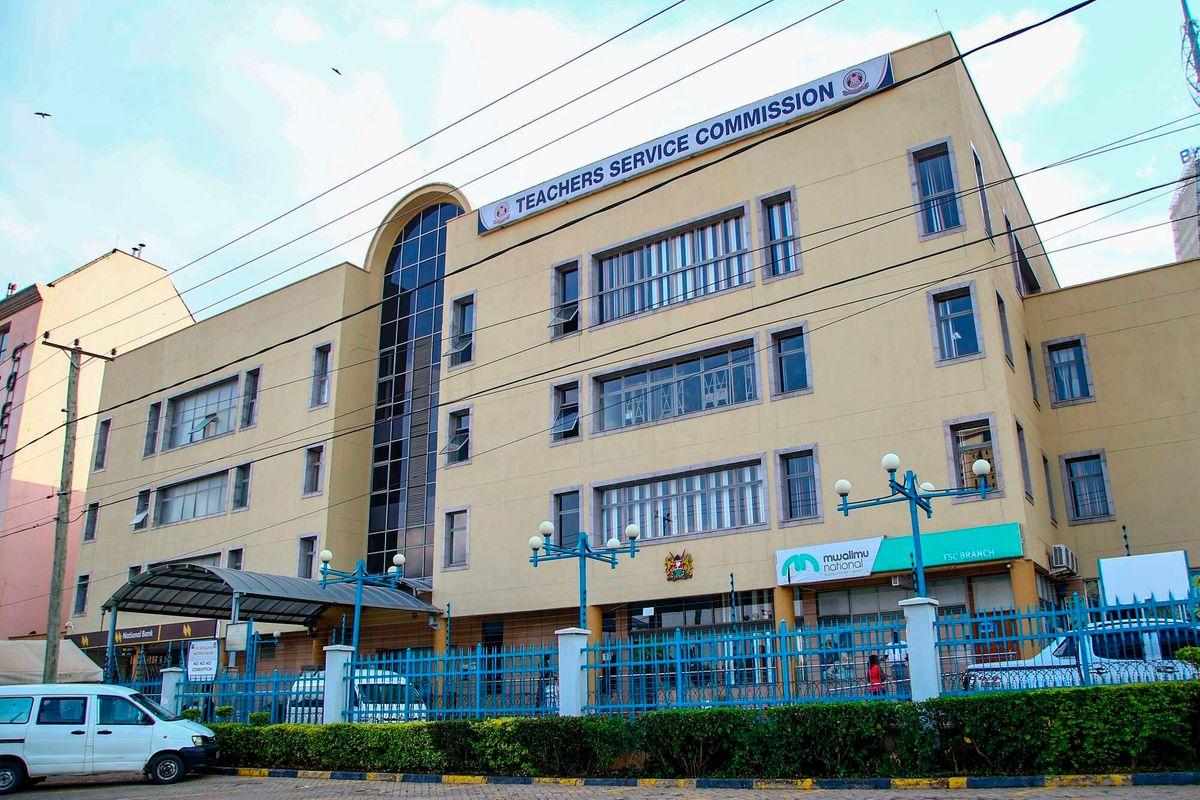
Thousands of teachers employed by the Teachers Service Commission (TSC) are set to earn higher salaries following the implementation of the second phase of the 2025–2029 Collective Bargaining Agreement (CBA), marking another milestone in the four-year salary review negotiated with teachers’ unions.
The implementation has been communicated through a circular addressed to all TSC Regional Directors, County Directors, Sub-county Directors, Principals of Diploma Teacher Training Colleges, Principals of Primary Teacher Training Colleges and the Director of the Kenya Institute of Special Education (KISE). The directive outlines how the second phase of the salary review will be implemented for the period running from July 1, 2026, to June 30, 2027.
According to the circular, the current salary review is part of the Collective Bargaining Agreements signed between TSC and the Kenya National Union of Teachers (KNUT), the Kenya Union of Post Primary Education Teachers (KUPPET) and the Kenya Union of Special Needs Education Teachers (KUSNET).
The Commission states: “On 18th July 2025, the TSC signed Collective Bargaining Agreements (CBA) with the Kenya National Union of Teachers (KNUT), Kenya Union of Post Primary Education Teachers (KUPPET) and Kenya Union of Special Needs Education Teachers (KUSNET).”
“It was agreed that the reviewed CBA be implemented in four (4) phases effective July 2025,” circular further notes.
The Commission says the salary review is progressing as planned, adding: “The first phase of the reviewed CBA was implemented from 1st July 2025 while the second phase has been effected on July 1 2026.”
Who benefits?
The circular applies to virtually all teachers employed by the Commission as of July 1, 2026.
“This Circular shall apply to all teachers in service as at 1st July, 2026 except intern teachers,” circular states.
Teachers serving in primary schools, junior schools, secondary schools, teacher training colleges and curriculum support positions will therefore migrate to the revised salary scales according to their respective grades.
The Commission has assured teachers that annual salary progression will continue under the new salary structure.
According to the circular: “Teachers converting into the new salary scales will retain their current incremental dates.”
For teachers whose annual salary increment falls on July 1, 2026, the Commission explains that: “Teachers will be granted their annual increment on the existing salary scales then convert to the new salary points with effect from the same date.”
It further assures teachers that: “Annual salary increment for all teachers will continue to apply as provided for in the Code of Regulations for Teachers (2015).”
Allowances remain unchanged
Besides revising salaries, the Commission has retained all existing teacher allowances.
“All allowances shall continue to be paid where applicable.”
These include baggage allowance, house allowance, hardship allowance, commuter allowance, annual leave allowance and disability guide allowance.
Teachers will therefore continue receiving these benefits alongside the revised salaries where applicable.
Background
The 2025–2029 Collective Bargaining Agreement was negotiated between TSC and the three recognised teachers’ unions—KNUT, KUPPET and KUSNET—to improve teachers’ terms and conditions of service while providing a structured salary review spread over four financial years.
The phased implementation was intended to balance improved remuneration with the government’s fiscal planning.
READ ALSO: President Ruto: Digital platforms cut queues, boost transparency as Kenya hits 26,000 e-services
The implementation of the second phase comes as the education sector continues to undergo significant reforms, including the rollout of Competency-Based Education (CBE), expansion of junior schools and recruitment of additional teachers.
By Joseph Mambili
You can also follow our social media pages on Twitter: Education News KE and Facebook: Education News Newspaper for timely updates.
>>> Click here to stay up-to-date with trending regional stories
>>> Click here to read more informed opinions on the country’s education landscape
>>> Click here to stay ahead with the latest national news.