









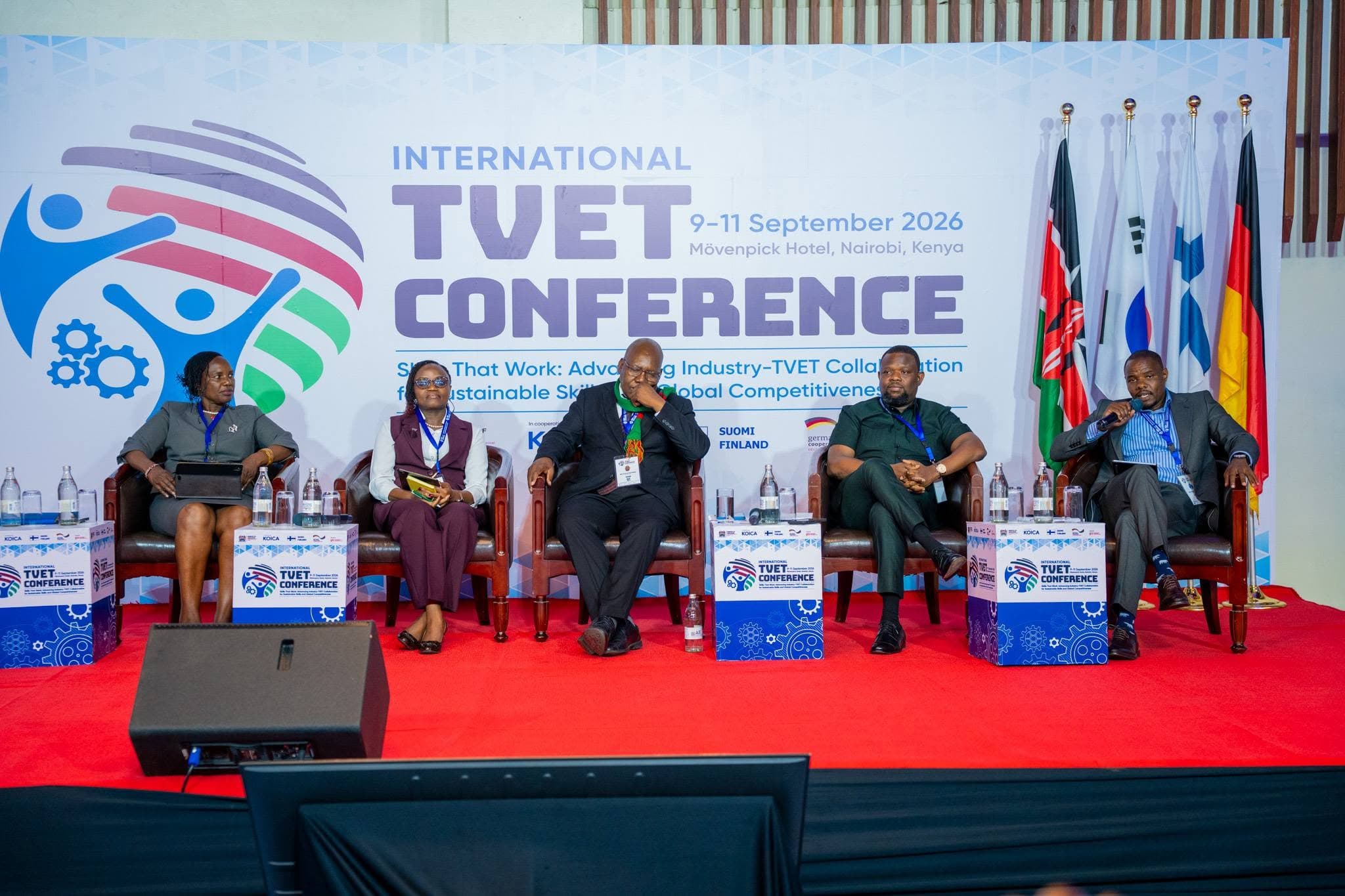
- Stakeholders have emphasised the need for competency-based, practical training aligned with real workplace requirements
- The International TVET Conference 2026 highlighted digital transformation, green skills and gender inclusion as key priorities for Kenya’s TVET sector.
Kenya’s technical and vocational education sector has been challenged to strengthen its partnership with industry to ensure that young people acquire skills that respond to the changing demands of the labour market.
The call was made during the second day of the International TVET Conference 2026, held at the Mövenpick Hotel and Residences in Nairobi, where government officials, industry players, TVET institutions, development partners and skills practitioners explored practical ways of moving from policy discussions to action.
The forum that ran from the 9th to the 11th of September under the theme “Skills That Work: Advancing Industry-TVET Collaboration for Sustainable Skills and Global Competitiveness,” was organised by the Ministry of Education through the State Department for TVET.
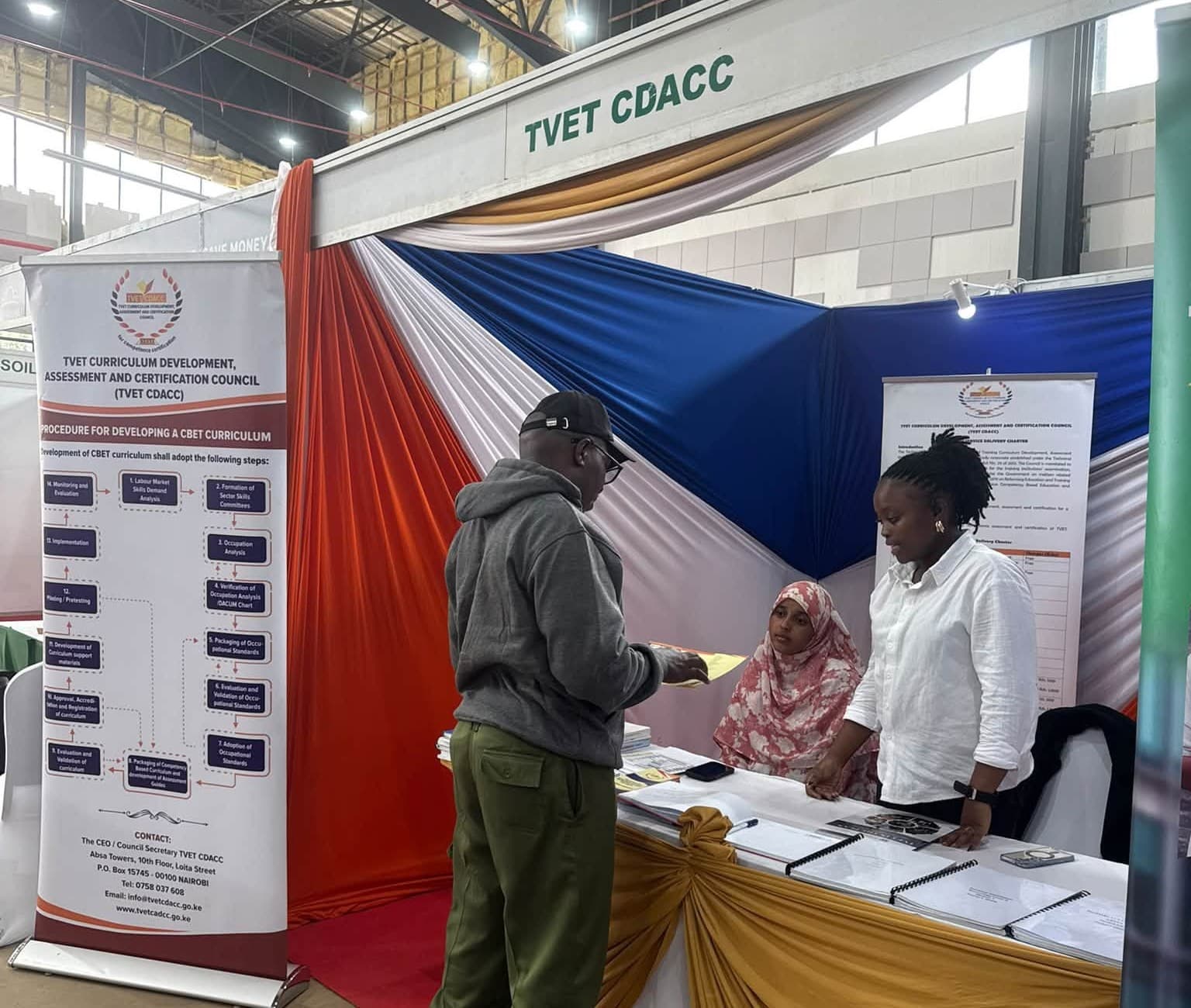
It brought together about 500 registered participants and featured keynote sessions, panel discussions, technical sessions and an exhibition showcasing innovations, technologies and student projects from the TVET sector.
Discussions focused on strengthening collaboration between training institutions and employers, developing trainers, financing sustainable skills systems, integrating technology into training, promoting green skills and ensuring gender and inclusion in both institutions and workplaces. These issues were discussed through plenary and breakout sessions before delegates came together to share recommendations and possible actions.
ALSO READ:
https://educationnews.co.ke/matiangi-dismisses-gusii-education-convention-as-a-political-tool-to-cheat-teachers/
Participants argued that employers should not only wait to recruit graduates after training but should be involved in identifying the skills required, developing training programmes and providing opportunities for learners to gain workplace experience.
The approach is intended to reduce the gap between what students learn in classrooms and what employers require, while giving young people a smoother transition from training to employment and entrepreneurship.
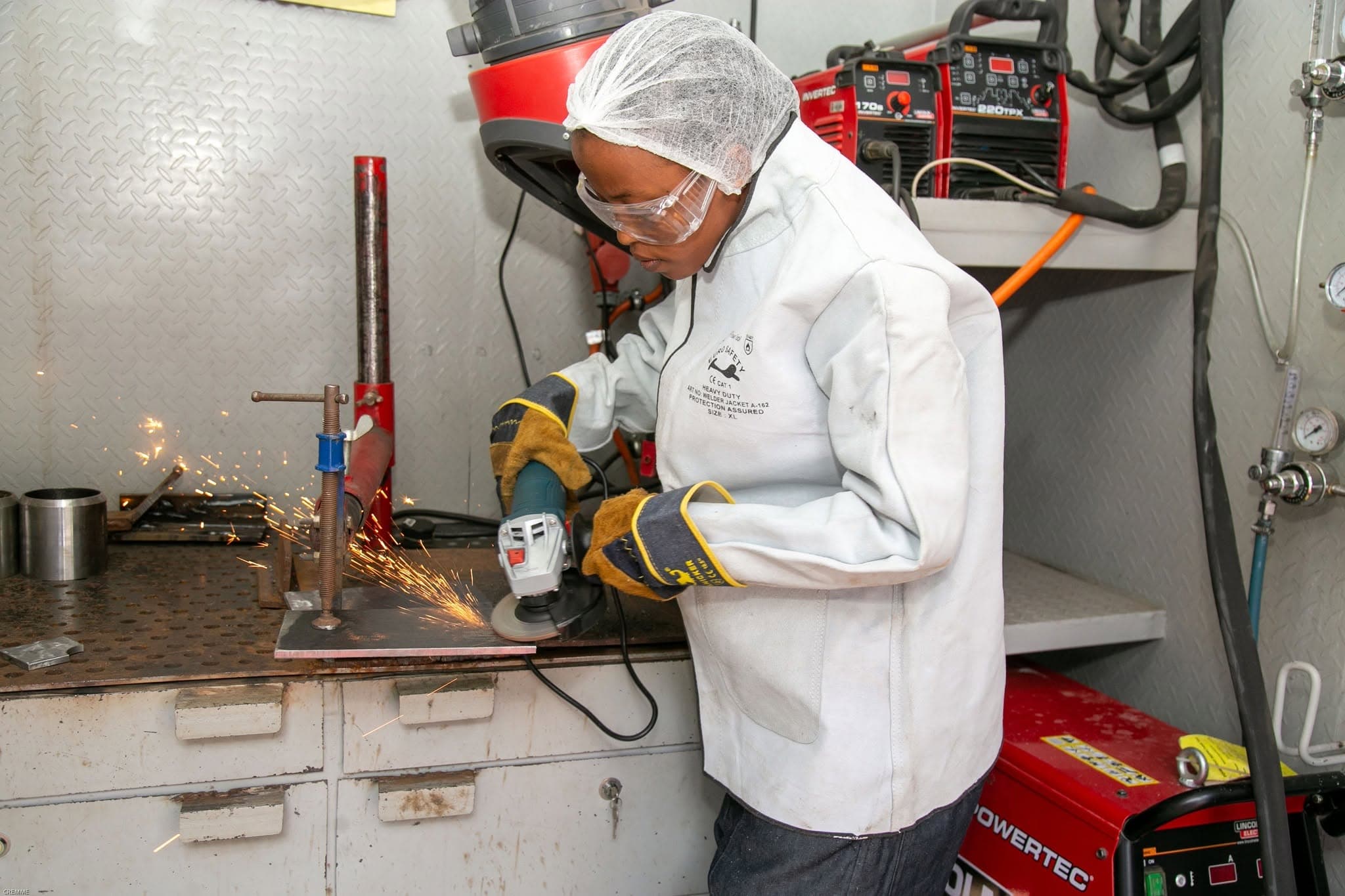
The conference also highlighted the importance of Competency-Based Education and Training (CBET), with emphasis on practical skills, measurable competencies and training that reflects real workplace requirements.
The discussions also placed emphasis on apprenticeships, internships and other forms of workplace-based learning as important avenues for exposing trainees to real working environments. Participants stressed that stronger links between institutions and companies can allow learners to gain practical experience while enabling employers to influence the development of the future workforce.
Digital transformation was another key area of discussion during the second day. A session on digital skills and technology integration brought together perspectives from TVETA, the Kenya School of TVET, Snapplify and Festo Didactic.
The conference examined whether institutions are genuinely transforming training through technology or simply digitising existing practices. Participants also considered the digital and teaching competencies trainers need, the role of artificial intelligence and Industry 4.0 technologies, and how digital tools can strengthen the connection between TVET institutions and workplaces.
Green skills and climate-smart TVET also featured among the day’s discussions, reflecting the growing demand for workers who can support sustainable production and respond to climate-related challenges.
Discussions also highlighted the importance of gender inclusion in TVET, with stakeholders stressing the need to remove barriers that limit women and other underrepresented groups from accessing technical training and employment opportunities.
ALSO READ: Basic Education Bill 2026: Proposed laws that will transform learning in the CBE era
The forum further looked into ways of improving partnerships between industry and training institutions through workplace learning, skills development and stronger links between classroom training and real-world employment.
Education Cabinet Secretary Julius Migos Ogamba, in remarks delivered during the opening of the conference, said closer collaboration between industry and TVET institutions was necessary to ensure that training translates into meaningful economic opportunities for young people.
He emphasised that industries require people with the knowledge and skills to build, operate and improve them, while innovation depends on nurturing the right talent.
By Lizzy Aluga
Get more stories from our website: Education News
To write to us or offer feedback, you can reach us at: editor@educationnews.co.ke
You can also follow our social media pages on Twitter: Education News KE and Facebook: Education News Newspaper for timely updates.
>> Click here to stay up-to-date with trending regional stories


Reader Discussion (0)
Sign in to comment