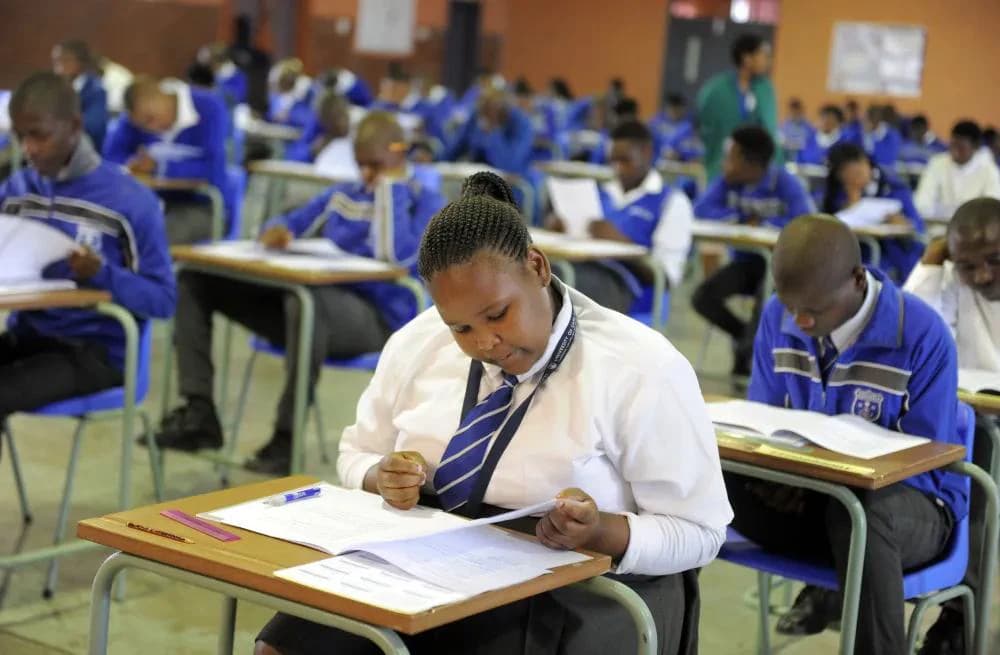
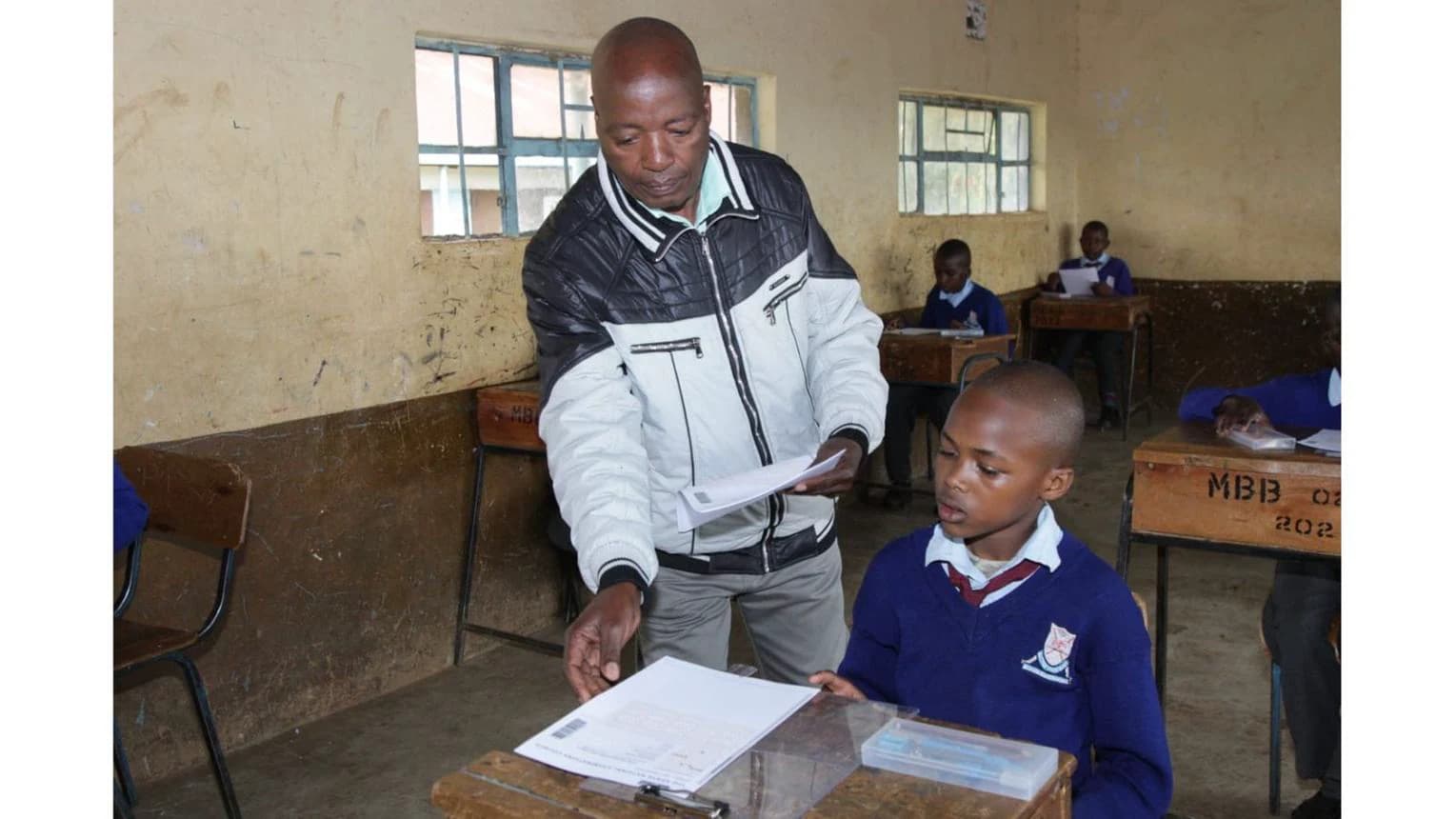


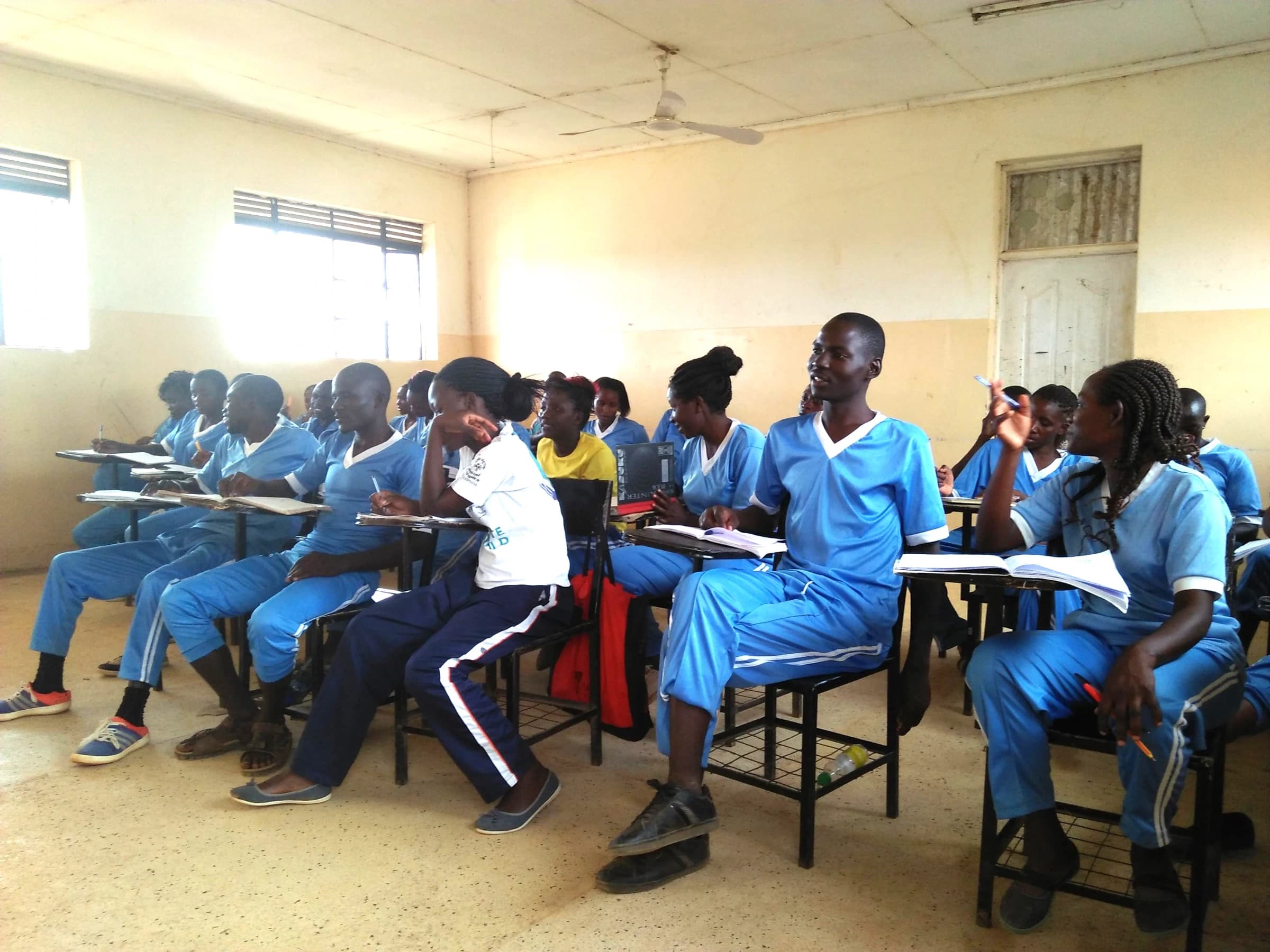



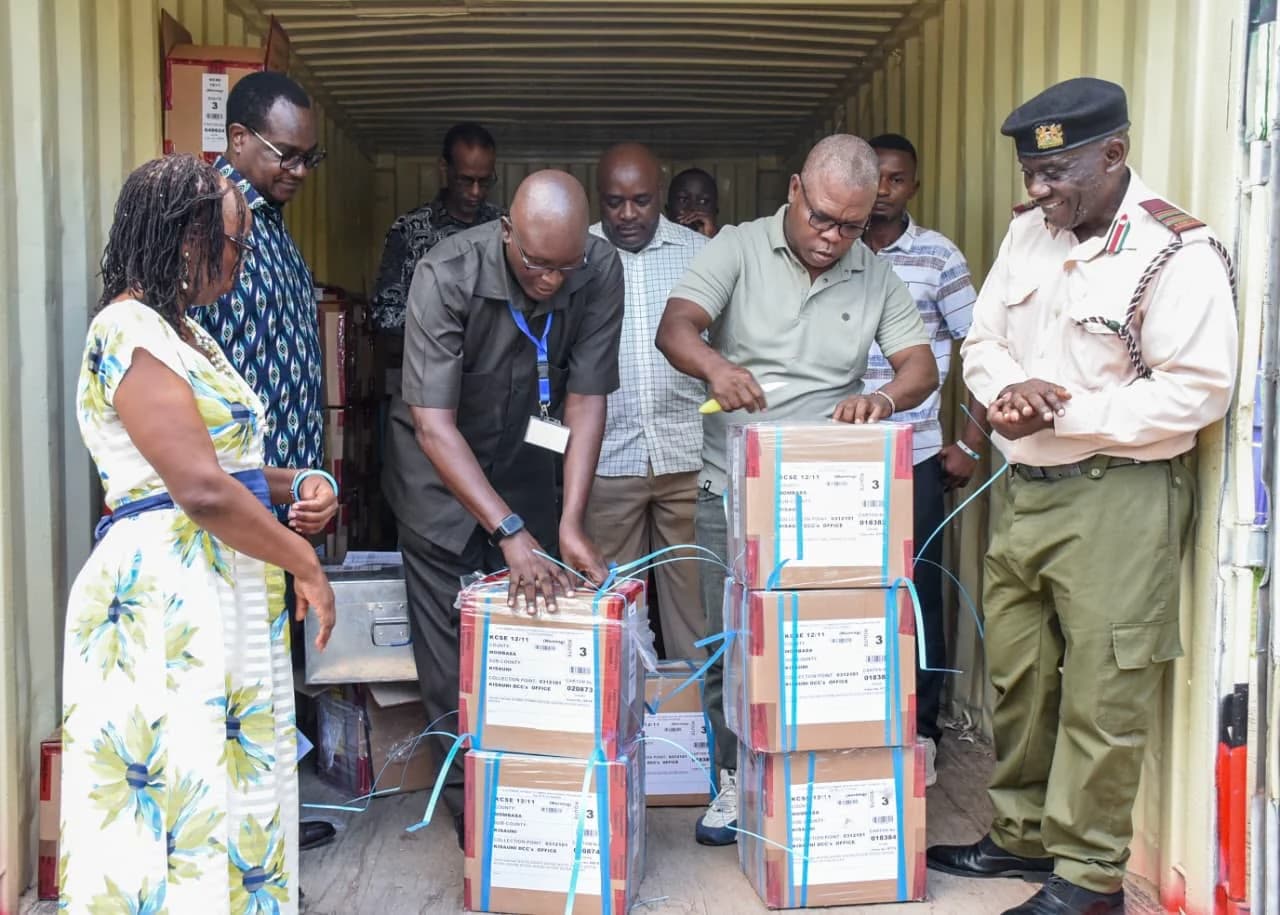
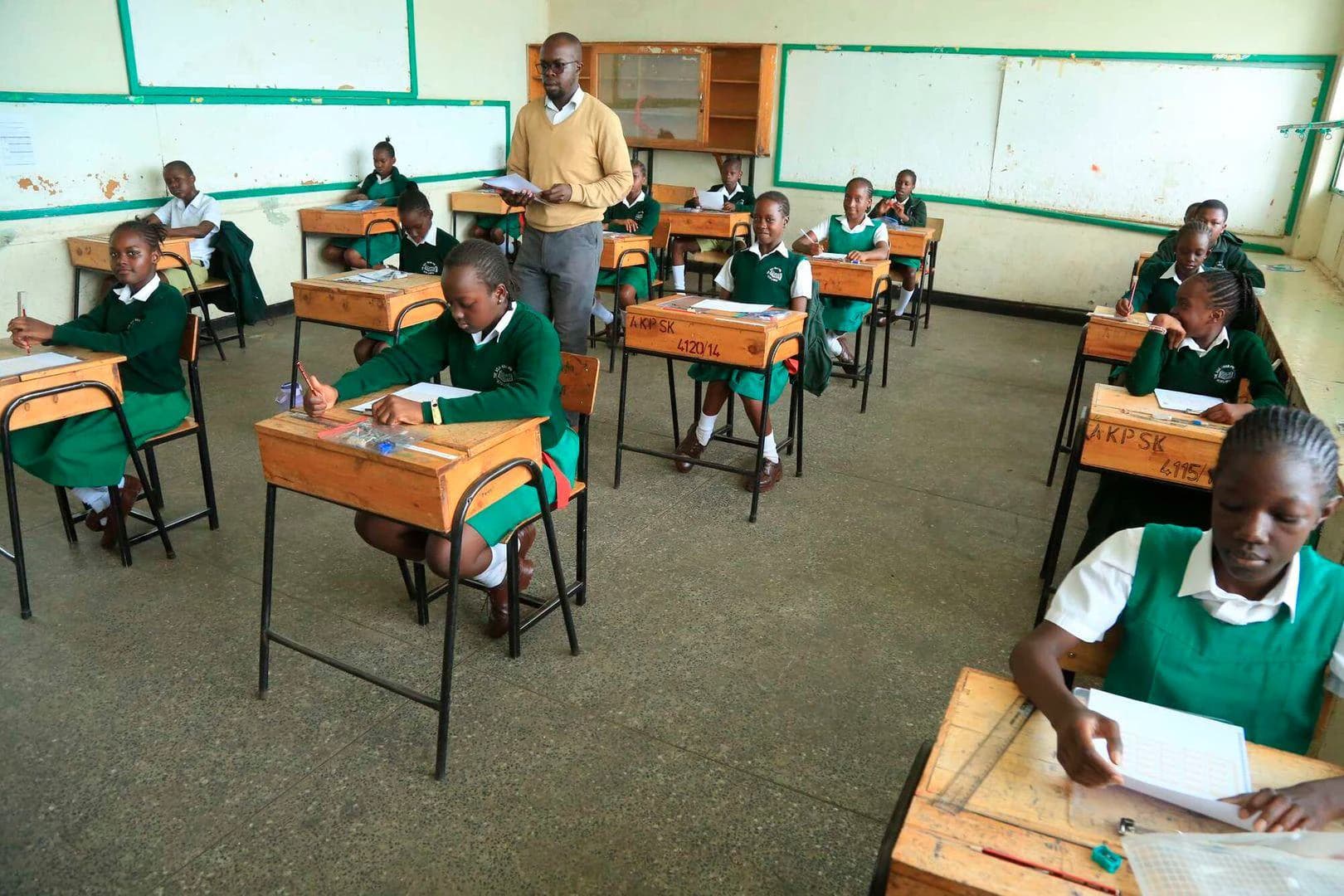
As the Kenya National Examinations Council (KNEC) rolls out its national assessment calendar, a record 3,634,846 candidates are registered for various national examinations and assessments across the country, with KPSEA, KJSEA and other assessments beginning tomorrow, Monday, October 26.
According to a directive issued by KNEC Chief Executive Officer Dr David Njengere, the administration covers a broad spectrum of assessments and examinations, including KPSEA, KILEA, KJSEA, KPLEA and KCSE.
However, beyond the sheer logistical task of managing millions of learners, this year's examination cycle marks a critical turning point in Kenya's educational history.
The twilight of the 8-4-4 era
The 2026 Kenya Certificate of Secondary Education (KCSE) examination carries profound historical significance, standing as the second-last examination under the long-standing 8-4-4 education system.
As the country steadily phases out the decades-old framework, the 2026 cohort finds itself among the final groups of learners under an education system nearing its end, underscoring the pressure on both students and administrators to manage a seamless transition.
Concurrently, KNEC emphasised that assessments such as KPSEA and KJSEA incorporate school-based assessment scores and national summative assessments, an approach designed to measure competencies and inform future educational pathways rather than merely classify learners as having passed or failed.
Zero tolerance for malpractice and strict phone restrictions
Amid the administrative rollout, KNEC has drawn a hard line on examination integrity.
The council has issued stern warnings against examination malpractice, reminding candidates that cheating carries serious academic consequences, including the cancellation of examination results.
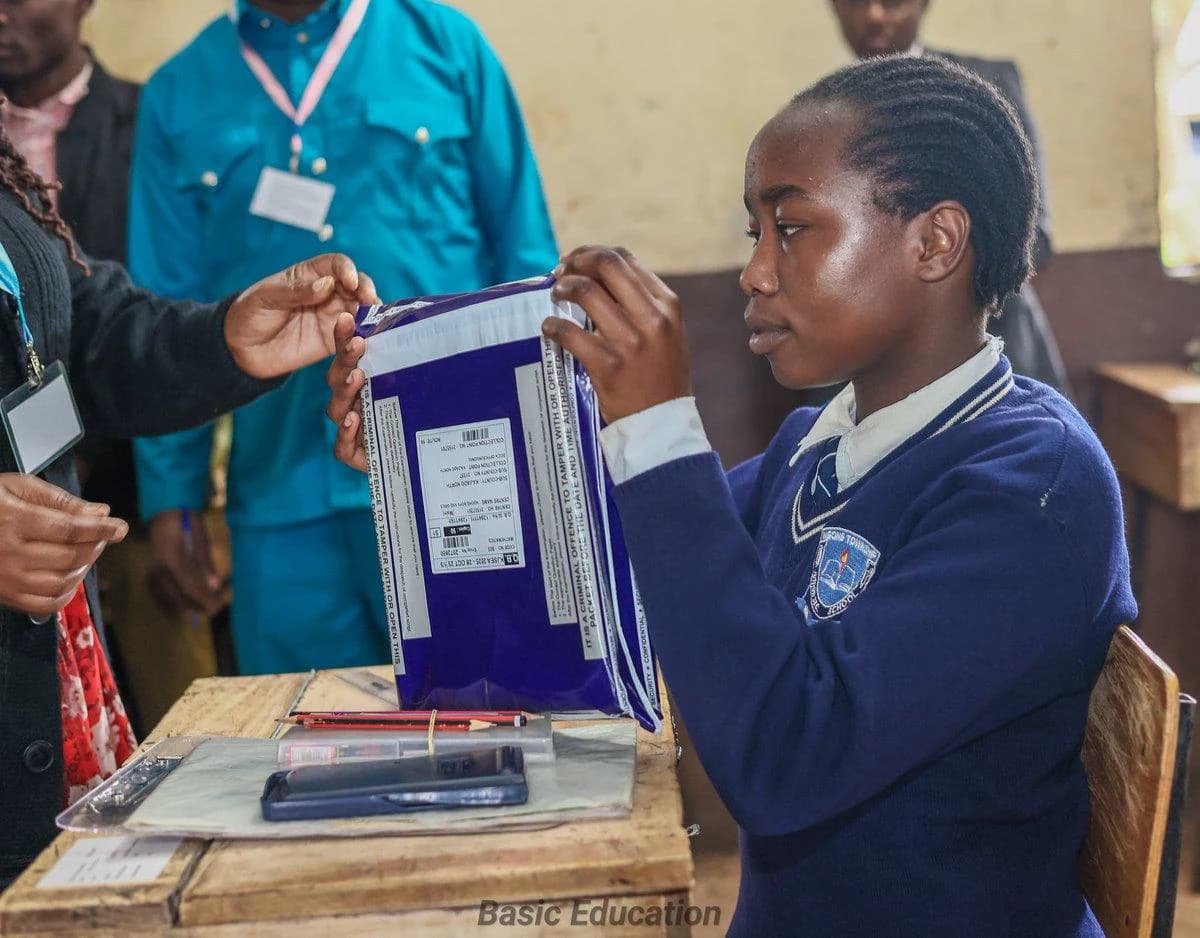
To tighten security protocols at examination centres, KNEC has enforced strict restrictions on communication devices.
The council explicitly cautioned that no individual involved in the administration process, including candidates and examination personnel, is permitted to have a mobile phone in an examination or assessment room.
Under the directives, mobile phones must be switched off and secured in lockable storage outside the examination or assessment rooms.
The measures are intended to protect the integrity of the national examinations and assessments as millions of learners prepare to demonstrate the knowledge and competencies acquired during their studies.


Reader Discussion (0)
Sign in to comment