- The National Assembly has proposed the Basic Education Bill, 2026, which seeks to repeal and replace the Basic Education Act, 2013.
- The Bill has introduced stricter accountability measures for school charges, admissions, learner protection and data reporting.
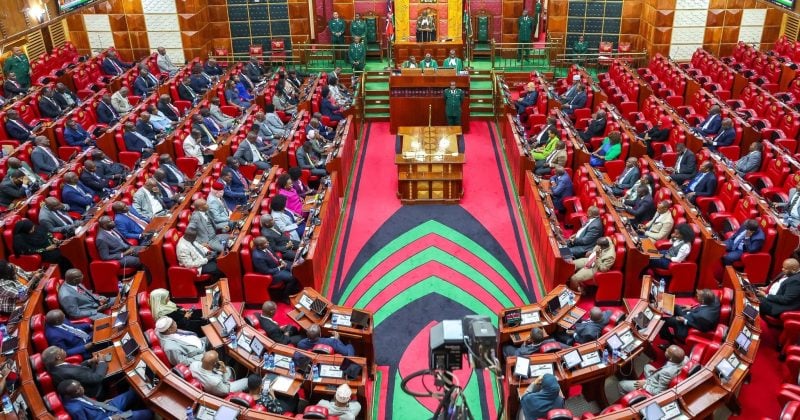
- The Bill remains subject to parliamentary scrutiny and public participation.
Kenya is preparing for a major overhaul of the legal framework governing basic education through the Basic Education Bill, 2026, published on July 24, 2026. The proposed legislation seeks to repeal and replace the Basic Education Act, 2013, establishing a new statutory framework that reflects the realities of the Competency-Based Education (CBE) system.
The Bill is far broader than a change in curriculum. It seeks to redefine how schools are established and governed, how learners are admitted and protected, how parents participate in education, how school finances are controlled, how special-needs education is delivered, how schools are inspected, and how education data is collected and used.
At the centre of the proposed law is the constitutional right of every child to free and compulsory basic education. It covers the entire basic education journey — from pre-primary through primary, junior school and senior school — while clarifying the respective responsibilities of national and county governments.
Governance, admission and financial accountability
One of the Bill’s most significant proposals is the strengthening of the comprehensive school model, offering a clearer institutional framework for integrating primary and junior school education. The aim is to reduce administrative duplication and clarify responsibilities relating to school leadership, Boards of Management, infrastructure, financing and learner management.
The Bill also takes a hard line on school charges. Public schools would not be permitted to impose tuition fees, while other charges would have to comply with the approval and accountability requirements prescribed by law. A person found responsible for imposing unauthorised charges could face a fine of up to Sh1 million, imprisonment for up to three years, or both. Learners should not be denied education for failure to pay an unauthorised charge. For school heads, principals and Boards of Management, this represents a major shift — financial decisions once treated as internal school administration could now carry direct legal consequences.
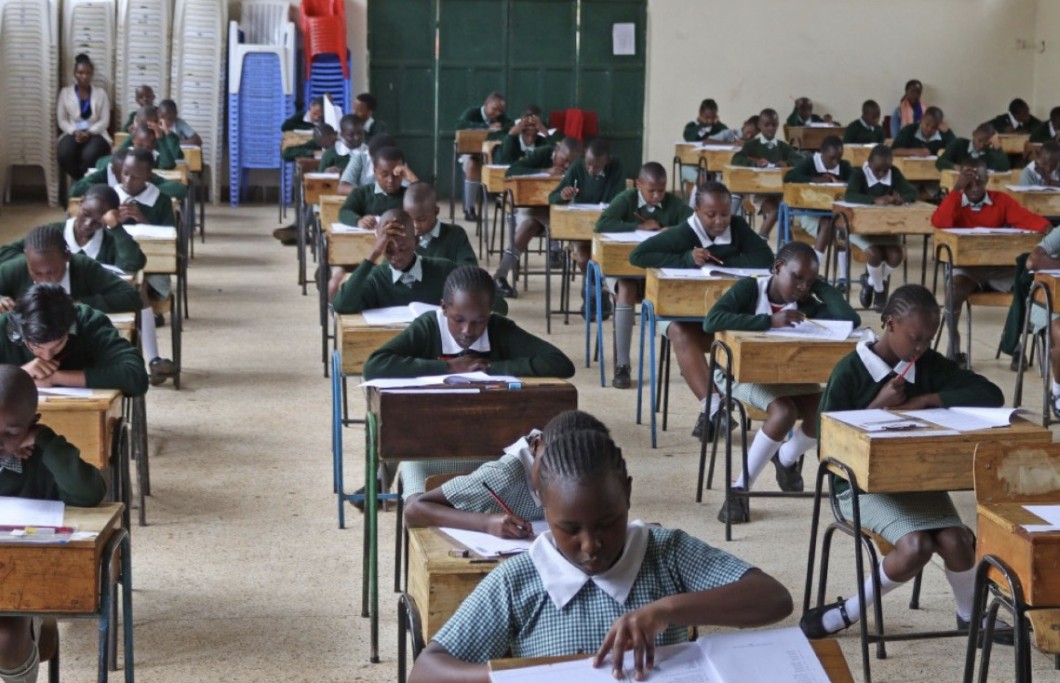
Admission is another area undergoing major reform. The proposed law seeks to prevent discrimination in admission and would prohibit public schools from using entrance examinations as a barrier to access. Children should not be denied admission on discriminatory grounds or for lacking certain documentation, and parents would have a formal avenue to challenge admission decisions through the County Education Board.
ALSO READ:
TSC moves to address payment delays for Junior School teachers’ ICT training
The Bill also places substantial responsibility on parents and guardians, who would be required to ensure children are enrolled and regularly attend school. Parents who deliberately keep children out of school — for reasons such as child labour, income-generating activities, family disputes or certain cultural practices — could face penalties of up to Sh5 million in fines, five years’ imprisonment, or both, depending on the circumstances. Compulsory education, in other words, would no longer be viewed solely as a government obligation but as a shared legal responsibility involving the State, schools, parents and communities.
Learner protection, special needs and data systems
The Bill strengthens protections for learners, reinforcing the prohibition against corporal punishment and cruel, inhuman or degrading treatment, and providing a stronger framework for learner welfare and safeguarding.
Special-needs education receives greater attention under the proposed framework, which provides for stronger systems to identify learners with disabilities and other special educational needs, maintain relevant information, and deliver assessment and support services. The Kenya Institute of Special Education would gain an enhanced statutory role in training, research and support for special-needs education.
Another major feature is the strengthening of school inspection and quality assurance. A proposed, more robust inspection structure would allow government to scrutinise curriculum implementation, governance, financial management, examinations, learner welfare and compliance with education standards — meaning school leadership could face greater accountability not just for academic performance, but for financial integrity, learner safety, attendance, records and governance.
Education data is also elevated in importance through the proposed statutory recognition of the Kenya Education Management Information System (KEMIS). Schools would be required to provide accurate learner and institutional information, with false or misleading data attracting sanctions. Reliable education data shapes how government plans teacher recruitment, infrastructure, capitation, learner placement, scholarships, bursaries and support for learners with special needs — meaning inaccurate school data could carry consequences far beyond the school office. The Bill further seeks to coordinate bursaries and scholarships through a more integrated national framework, aimed at improving visibility over who receives assistance and reducing duplication, exclusion and possible misuse of public resources.
ALSO READ: KUPPET official calls on TSC to disclose county promotion slots for transparency
National-county roles and the path ahead
County Education Boards would acquire an important role in administering basic education, with the Bill seeking to clarify the division of responsibilities between levels of government: counties would retain responsibility for pre-primary education, while the national government remains responsible for the wider basic education framework.
The proposed law also recognises alternative and non-formal education arrangements, particularly important for children in informal settlements, marginalised communities, nomadic populations and other areas where conventional schooling models may not adequately reach every learner. Private schools and other institutions, including those offering alternative or foreign curricula, would remain part of the national education system but operate within stronger registration, quality assurance and regulatory requirements. Religious and culturally relevant education arrangements are also accommodated, provided they remain consistent with a child’s right to basic education and the national regulatory system.
Taken together, the Bill represents an attempt to move Kenya from a system governed largely by the 2013 legal framework, policy documents, regulations and administrative circulars, toward a comprehensive statute designed for the CBE era. Its significance goes far beyond curriculum: it potentially reshapes the relationship between the school, learner, parent, Board of Management, teacher, headteacher, principal, county government and national government. For school administrators, it means greater responsibility and legal exposure; for parents, stronger rights alongside stronger obligations; for learners, greater protection against discrimination, exclusion, violence and barriers to access; and for government, a more integrated framework for planning, monitoring and regulation.
One distinction must remain clear: the Basic Education Bill, 2026 is still a Bill, not an enacted law. Its provisions remain subject to parliamentary scrutiny, public participation, amendment and the remaining stages of the legislative process, and the penalties and institutional changes it proposes should not be reported as already in force.
ALSO READ: Migori rules out schools as flood rescue centres ahead of El Niño rains
Ultimately, the proposed legislation attempts to give Kenya’s CBE system a new legal backbone, built on the premise that education is not merely a service provided by schools but a constitutional right requiring accountability from everyone involved. If enacted substantially in its current form, the Bill could usher in an era in which access, attendance, school finance, learner protection, special-needs support, education data and institutional accountability are governed by clearer and stronger statutory obligations.
The real test, however, will not be the strength of the legislation on paper; it will be whether government provides the resources, staffing, infrastructure, oversight and administrative capacity required to turn those legal promises into reality in every Kenyan school.
By Hillary Muhalya
Get more stories from our website: Education News
To write to us or offer feedback, you can reach us at: editor@educationnews.co.ke
You can also follow our social media pages on Twitter: Education News KE and Facebook: Education News Newspaper for timely updates.
>> Click here to stay up-to-date with trending regional stories