



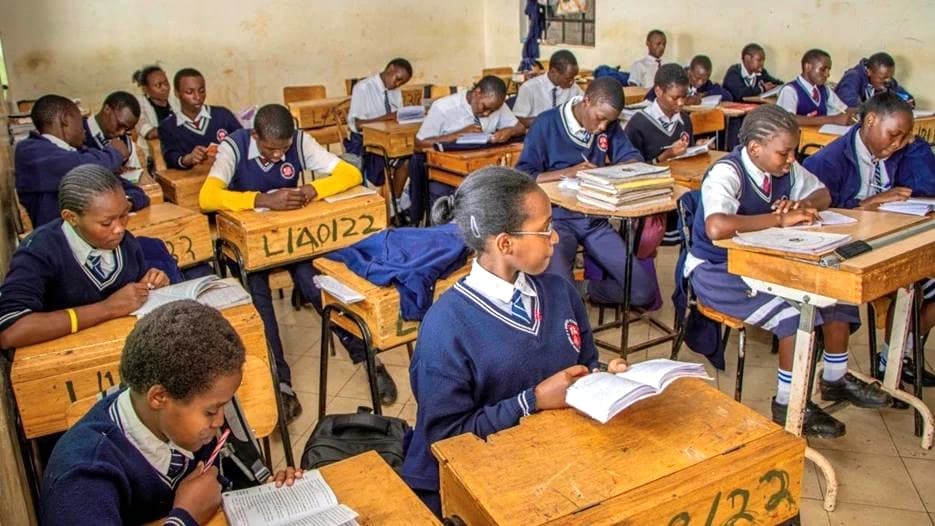



- Term Three brings examinations, fatigue and mounting expectations that can place enormous pressure on learners.
- Hillary Muhalya argues that academic excellence should be pursued alongside learners’ physical and emotional wellbeing.
- Teachers, parents, school leaders, communities and government must work together to help learners finish the year strong.
Term Three is often described as the final stretch of the academic year, a season when learners are expected to gather themselves, complete unfinished work, revise intensively and prepare for examinations. Yet behind the revision timetables, examination calendars and academic targets are young people carrying different burdens, fears, dreams and expectations.
For some learners, Term Three brings excitement because the end of the academic year is finally in sight. For others, it is the most demanding period of the year. Academic pressure, fatigue, examination anxiety, family expectations, financial difficulties, peer pressure and uncertainty about the future can all converge at the same time.
This is why Term Three requires more than intensified teaching. It requires empathy, patience and a collective commitment to learner wellbeing.
By the time learners enter the final term, many are already physically and mentally tired. They have spent months attending lessons, completing assignments, participating in school activities, sitting assessments and navigating the ordinary challenges of growing up. Some have travelled long distances to school. Others have carried responsibilities at home that their classmates may never know about.
A learner may therefore appear inattentive or unmotivated when, in reality, they are exhausted.
Fatigue can quietly undermine learning. A tired learner struggles to concentrate, remember information and participate meaningfully in lessons. The response should not automatically be punishment or accusations of laziness.
Learners need reasonable study schedules, adequate sleep, nutritious meals, physical activity and opportunities to rest. Academic excellence should never be pursued at the expense of physical and emotional wellbeing.
When examination pressure becomes overwhelming
Examination anxiety is another major challenge. As assessments approach, conversations increasingly revolve around grades, targets, rankings and expectations.
Learners begin worrying about whether they will pass, whether they will satisfy their parents and teachers and whether their results will determine their future.
For a learner who has struggled throughout the year, this pressure can become overwhelming.
Some respond by cramming late into the night. Others become so frightened of failure that they stop trying. A few begin believing that poor performance means they are incapable of succeeding.
They need adults to tell them otherwise.
An examination is important, but it does not define the worth, character or potential of a learner.
Teachers can reduce anxiety through structured revision, targeted support and constructive feedback. Parents can create an atmosphere of encouragement rather than fear.
The message should be clear: learners are expected to work hard, but they are also allowed to make mistakes, learn from them and improve.
This is where teachers become particularly important.
Teachers are often the first people to notice that something has changed. A learner who was once active may suddenly become withdrawn. Another may begin missing lessons. Someone who consistently performed well may experience an unexplained decline.
Such changes should not simply be recorded as disciplinary or academic problems. They should prompt a deeper question: What is happening to this learner?
Teachers must therefore go beyond completing the syllabus. They should identify learning gaps, provide remedial assistance, encourage struggling learners and create classrooms where asking questions is safe.
A learner should be able to say, “I don’t understand,” without fear of embarrassment.
Term Three can expose another painful reality: learners may reach the final stage of the year carrying significant learning gaps.
Some have moved from one level to another without fully mastering important concepts. When revision begins, these weaknesses become more visible, and learners may feel ashamed that they cannot understand what others appear to grasp easily.
They do not need ridicule.
They need intervention.
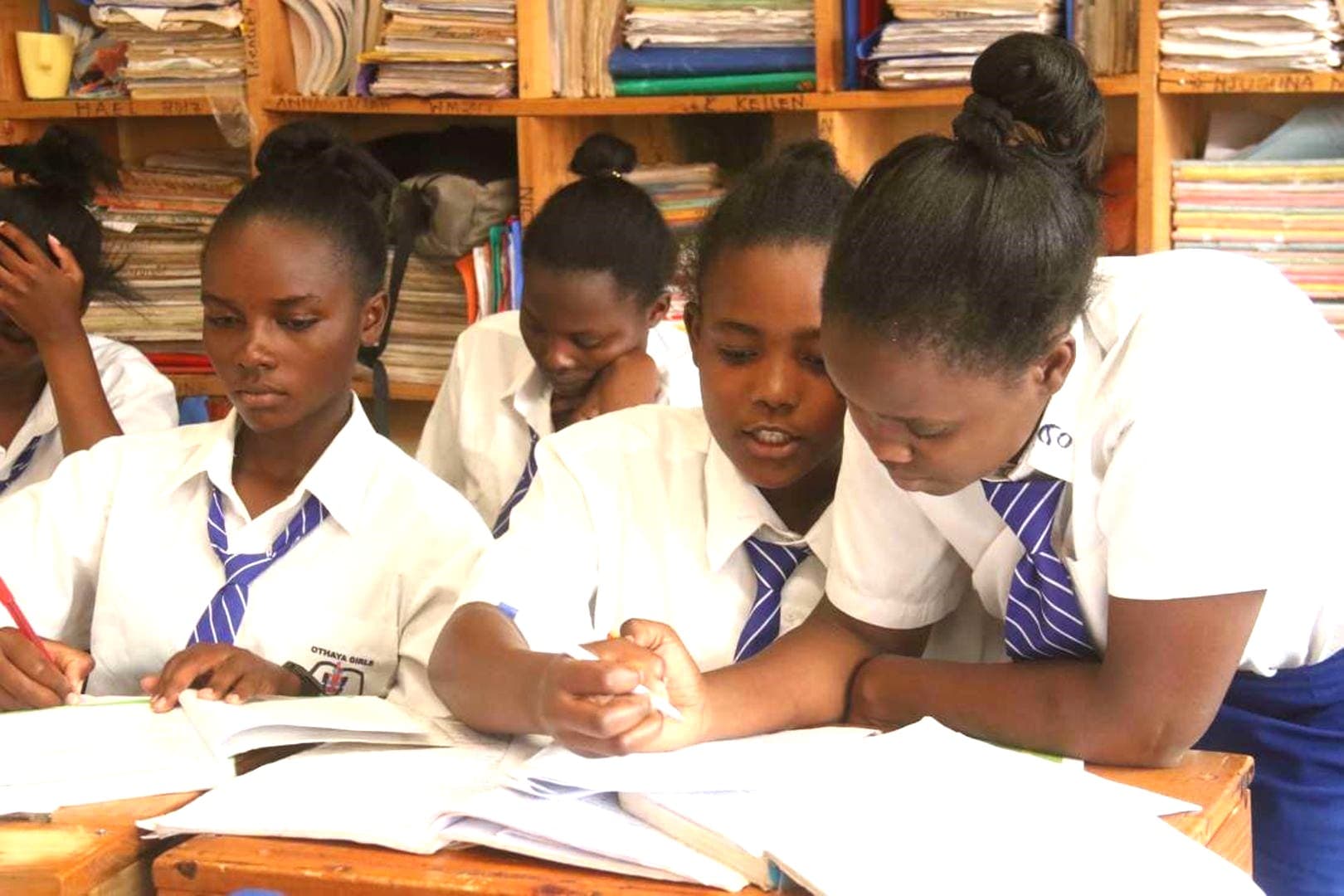
Peer learning, individual attention, remedial teaching and continuous feedback can help bridge these gaps.
Progress should also be celebrated. A learner who moves from 40 to 55 has achieved meaningful growth. Another who finally understands a difficult concept after months of struggle has also achieved something important.
Education should celebrate improvement as much as exceptional performance.
Parents, teachers and schools must work together
Parents and guardians have an equally important role.
The home environment can either strengthen or undermine a learner’s ability to cope with Term Three. Learners need a place where they can study, sleep, eat properly and speak openly about their worries.
Parents should monitor academic progress without turning performance into a source of fear.
Constant comparisons with siblings, neighbours or classmates can destroy confidence. A child who is struggling needs guidance, discipline and encouragement—not the feeling that parental love depends on examination marks.
School heads and administrators must also carry part of the responsibility.
They should coordinate realistic academic programmes, monitor attendance and learner progress, support teachers and ensure that vulnerable learners are identified early.
A school should not wait until a learner has completely disengaged before asking what went wrong.
Guidance and counselling services are equally essential.
Learners face challenges that cannot be solved through academic intervention alone. Bullying, friendship conflicts, family difficulties, peer pressure, loneliness, anxiety and uncertainty about the future can significantly affect learning.
Counsellors and other trusted adults should create safe spaces where learners can speak without immediately being judged.
Peers, too, have a role to play.
A supportive classmate can encourage another learner to attend lessons, revise, seek help or regain confidence. Schools should therefore nurture cultures of kindness and cooperation rather than ridicule and unhealthy competition.
No learner should struggle alone
Community leaders and Boards of Management can also help address challenges that extend beyond the classroom.
Some learners struggle because of poverty, lack of learning materials, inadequate meals, transport difficulties or circumstances at home. Such challenges can make academic concentration extremely difficult.
A learner who is worried about whether they will have food or remain in school cannot be expected to focus entirely on revision.
Where possible, schools, communities and relevant government programmes should work together to identify vulnerable learners and connect them with appropriate support.
Education is a shared responsibility, and learner welfare cannot be separated from the resources available to sustain learning.
Government and education authorities also have an important role in ensuring that schools have adequate teachers, learning materials, counselling support and appropriate systems for identifying and responding to learner needs.
Strong educational outcomes cannot be achieved by placing the entire burden on learners and teachers while ignoring the wider conditions in which education takes place.
But learners themselves must also be empowered to take ownership of their education.
They should learn to manage their time, develop effective revision habits, seek assistance when they do not understand, avoid destructive distractions and support their classmates.
The message to learners should not be that adults will solve every problem for them. Rather, it should be that they do not have to face their challenges alone.
Ultimately, Term Three should become a season of partnership.
Teachers must teach, but also understand. Parents must demand responsibility, but also provide reassurance. School leaders must pursue academic excellence, but also protect learner wellbeing.
Counsellors must listen. Peers must support one another. Communities must stand with vulnerable learners. Government must provide the systems and resources required for quality education. And learners must take responsibility for their own effort, choices and progress.
The most important question should therefore not simply be, “How many marks will this learner get?”
We should also ask:
How is this learner coping?
What is standing in the learner’s way?
What support is needed?
Who is available to help?
Behind every examination number is a human being with dreams, fears, struggles and enormous potential.
Term Three should therefore not become a season of panic. It should be a season of consolidation, encouragement and renewed confidence.
Learners should be helped to close learning gaps, strengthen competencies, prepare seriously for assessment and believe that their future is bigger than one examination.
Let us ask our learners to finish strong—but let us also ensure that they finish supported, understood, healthy and hopeful.
READ ALSO: ‘My child must be an A!’ When parental dreams become a child’s daily trauma
Because the true measure of a successful Term Three is not simply how many marks appear on a report card. It is whether learners emerge from the term knowing more, believing more strongly in themselves and feeling that the adults around them cared enough to help them through the difficult moments.
No learner should have to carry the weight of Term Three alone.
By Hillary Muhalya
You can also follow our social media pages on Twitter: Education News KE and Facebook: Education News Newspaper for timely updates.
>>> Click here to stay up-to-date with trending regional stories
>>> Click here to read more informed opinions on the country’s education landscape




Reader Discussion (0)
Sign in to comment