
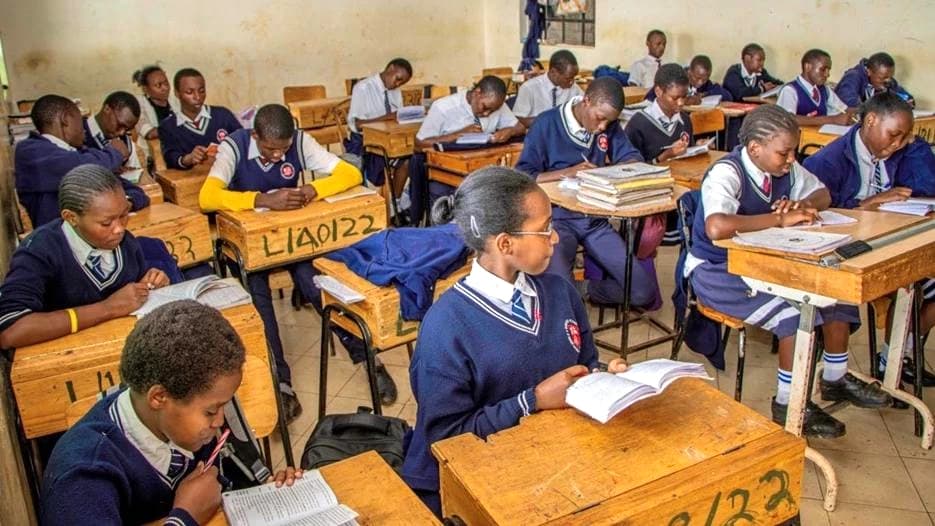

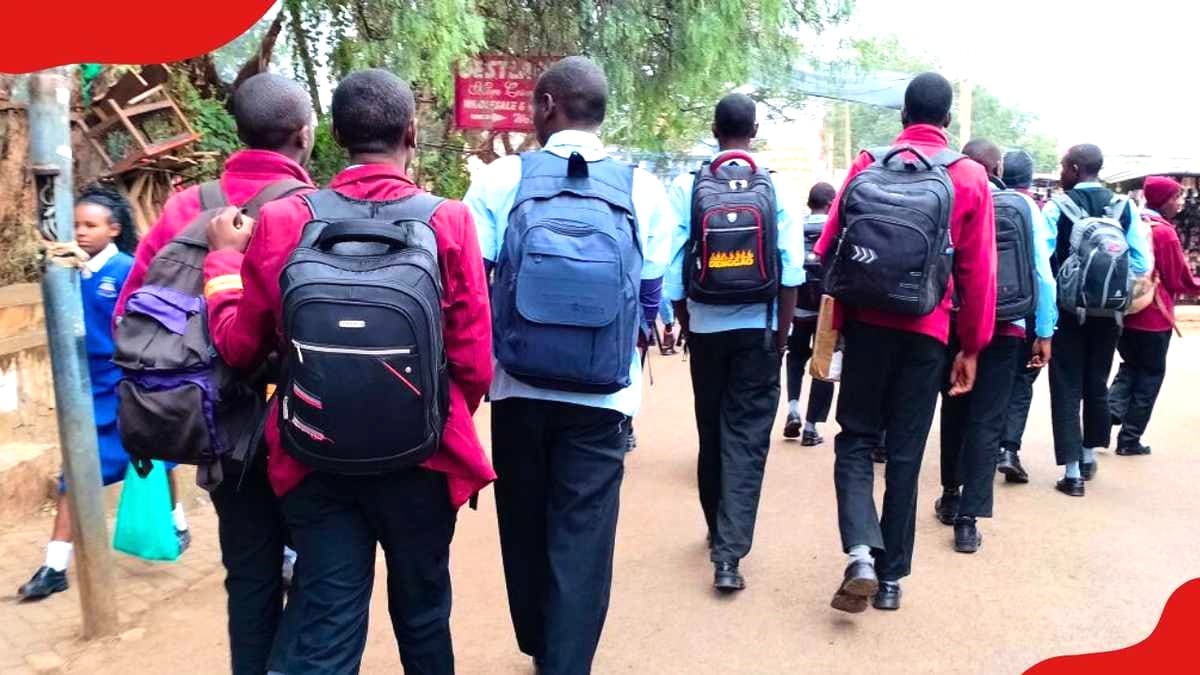

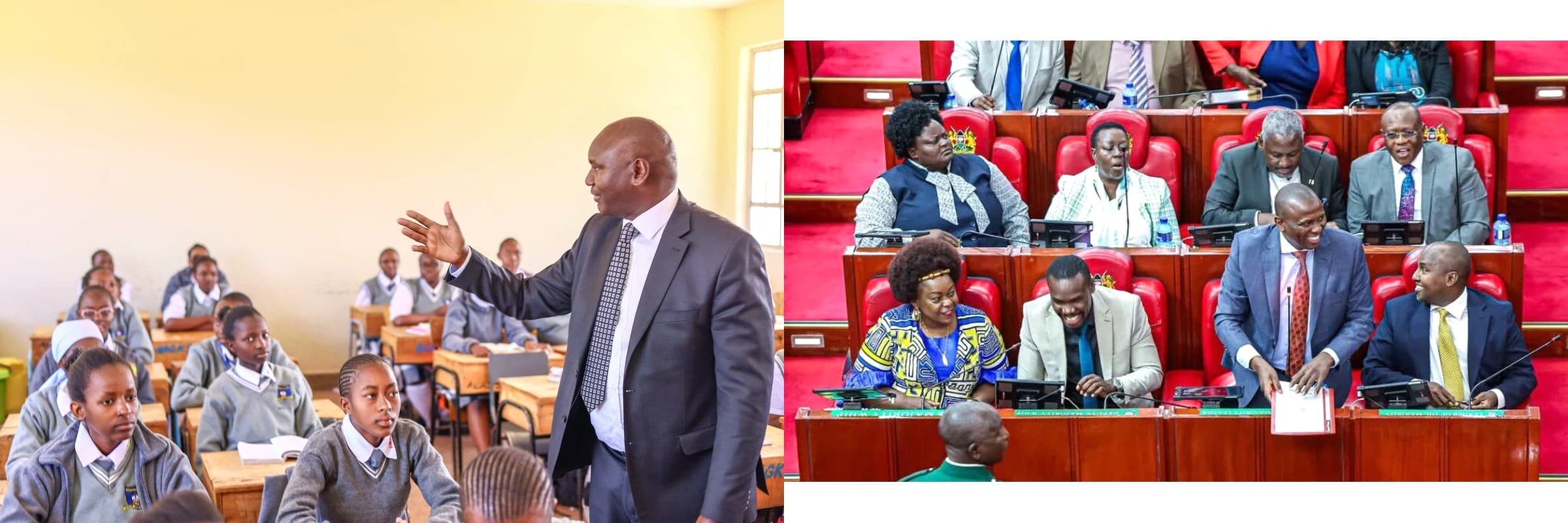
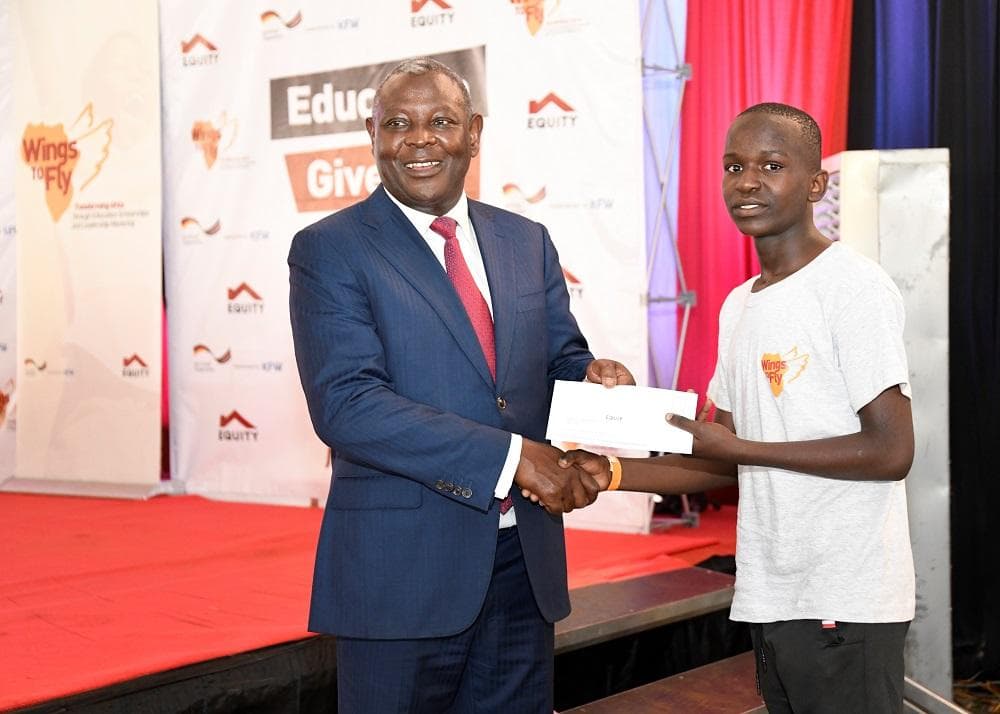
Nakuru Governor Susan Kihika has launched a Sh162.96 million scholarship programme to support learners from vulnerable households, reaffirming her administration's commitment to improving access to education across the county.
Kihika said the initiative would ease the financial burden on parents and help ensure that deserving students are not forced to abandon their education because of financial hardship.
The allocation, amounting to Sh162,963,052, is intended to assist learners whose families struggle to meet education expenses.
Speaking during the launch, the governor described education as “the greatest equalizer,” emphasising that every child deserves a fair opportunity to succeed regardless of their family's economic circumstances.
“This programme will go a long way in supporting learners and easing the financial burden on parents, ensuring that talented children can remain in school and focus on their education,” Kihika said.
She pledged that the funds would be distributed with integrity to ensure that assistance reaches deserving beneficiaries.
The governor also highlighted ongoing collaboration between the county and national governments, alongside the use of ward-based funds to expand learning infrastructure.
Transparency in bursary allocation
Despite the announcement of the latest allocation, the county has not specified the number of beneficiaries covered by the disbursement, the amount each learner will receive or how the funds will be distributed across the county's 11 sub-counties.
Kihika acknowledged that families continue to face mounting education-related expenses, including school fee balances, uniforms, learning materials, transport and accommodation.
For households with several school-going children, these costs can compete with spending on food, healthcare and other essential needs.
Bursaries can help bridge these financial gaps, particularly for low-income households, but their impact depends on transparent beneficiary identification, timely payments to learning institutions and allocations that reflect the level of need.
The latest disbursement comes as Nakuru County continues to expand its education support programmes.
In January 2025, Kihika announced a Sh440 million bursary allocation targeting 46,345 students across the county. Individual awards ranged from Sh5,000 to Sh10,000, depending on applicants' financial circumstances.
At the time, she said applicants who had missed out on previous allocations would receive priority, while learners from low-income settlements were expected to receive a larger share based on need.
The governor also emphasised the importance of transparency in distributing public funds.
She said the latest allocation provides an opportunity for the county to demonstrate how its bursary programme reaches learners facing the greatest financial obstacles.
Publishing the number of beneficiaries, ward-level allocations and criteria used to assess applications would help parents understand how the assistance is distributed.
Proposed legal framework
The Nakuru County Bursary Fund Bill, 2025, proposes a framework for providing financial assistance to needy students who are permanent residents of the county.
The proposed law seeks to improve access to education, promote equity and retention, and increase enrolment, transition and completion rates.
It also identifies conflict of interest as an issue requiring attention in the administration of the fund.
Kihika underscored the importance of effective oversight, noting that bursaries involve public resources intended for learners whose access to education may be constrained by their families' financial circumstances.
Clear reporting on allocations and payments would help establish whether the money is reaching eligible learners and translating into practical support for families.
Support extends to vocational training
Beyond conventional school bursaries, the county has also channelled resources towards vocational education and technical training.
In January 2025, County Executive for Education Zipporah Ngugi reported that Sh11.5 million had been disbursed to benefit more than 5,500 learners in Molo Sub-County.
Ngugi also outlined county support for vocational training, including annual capitation of Sh30,000 per trainee at vocational training centres.
She said such interventions were important because financial barriers could affect learners at different stages of their education, from secondary school to tertiary and technical training.
Support for vocational education can also help young people acquire practical skills for employment and self-employment.
For the latest scholarship programme, the key measure of success will be whether assistance reaches eligible learners in time to meet their education obligations.
The county has pledged to demonstrate how the Sh162.96 million allocation will be shared across the 11 sub-counties and how the use of the funds will be monitored.
The latest tranche adds to Nakuru's ongoing investment in education support, with transparency, equitable distribution and timely disbursement expected to remain central to its implementation.
Ultimately, publishing beneficiary numbers, allocation schedules and payment records will be essential in demonstrating how the public expenditure improves access to education for learners and their families.


Reader Discussion (0)
Sign in to comment