



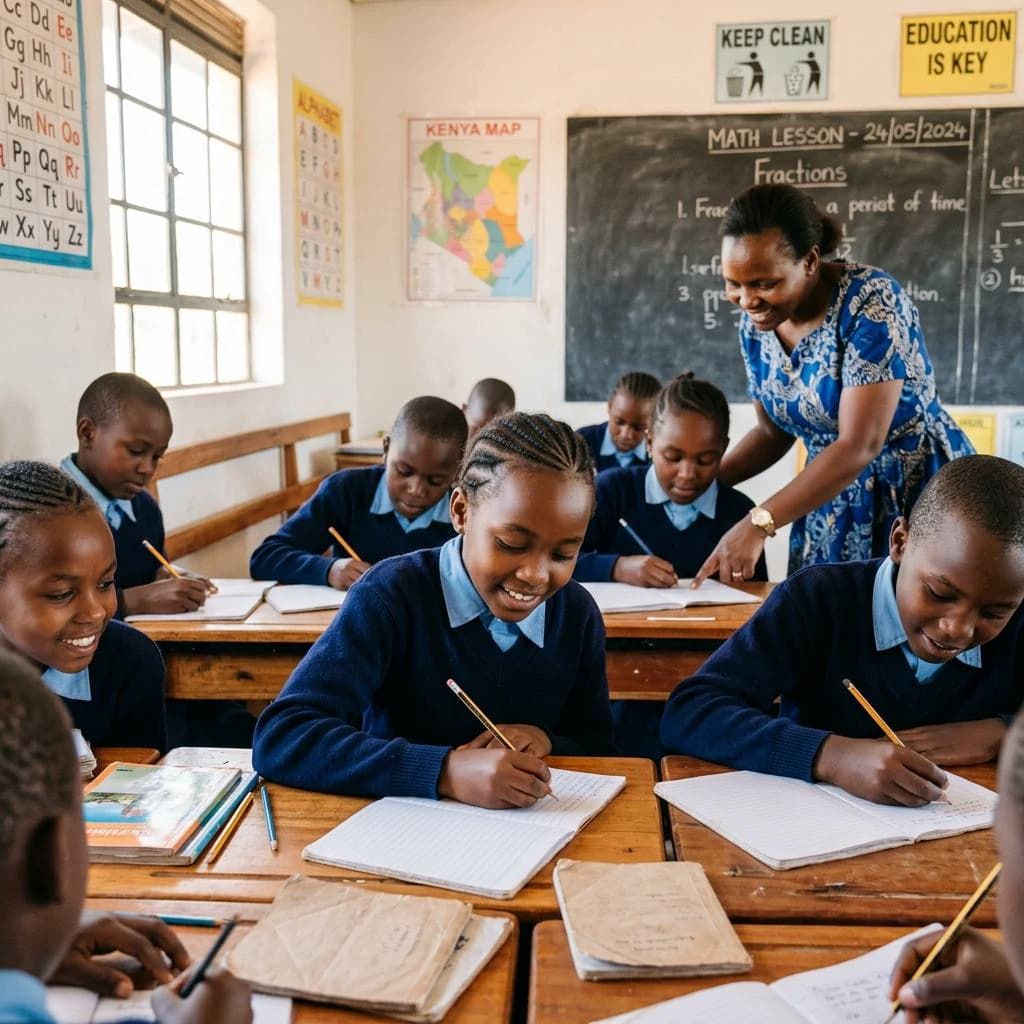


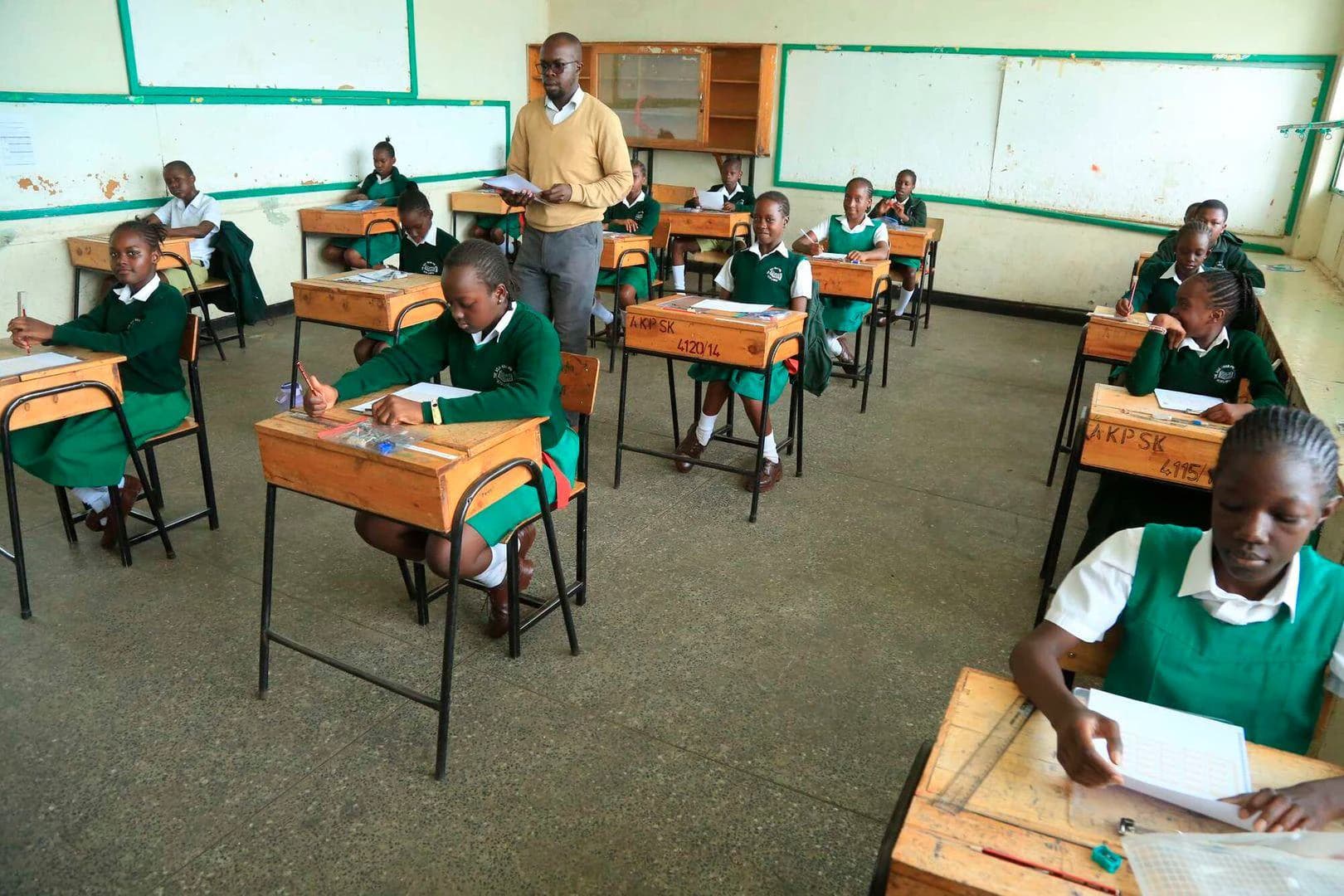

There is a need for families, churches, mosques and other faith communities to unite in nurturing the next generation.
It was during a church service that a question quietly unsettled my thoughts. Schools are closing for the holidays, and the responsibility of caring for children is being handed back to parents. Yet, when children gather for Sabbath or Sunday services, another opportunity presents itself: What deliberate role is the church playing in shaping their character, nurturing their talents and preparing them for responsible adulthood?
The question is not intended to diminish the indispensable role of parents or the contribution of teachers. Rather, it challenges religious institutions to examine their place in raising a generation that is morally grounded, emotionally resilient and socially responsible.
Are our places of worship merely venues for prayer and preaching, or are they communities where young lives are intentionally nurtured and prepared for the future?
The holiday question: Who guides the child?
School holidays provide learners with a welcome break from academic pressure. However, without constructive activities, reasonable supervision and meaningful adult engagement, some children may spend excessive time online, fall under harmful peer influences or engage in activities that undermine their well-being.
Others face loneliness, family conflict, exposure to substance abuse, exploitation and emotional distress. Not every parent has sufficient time or resources to address every developmental need, while teachers cannot be expected to shoulder the entire burden, particularly when schools are closed.
This is where churches, mosques and other faith-based organisations can become valuable partners by offering mentorship, moral instruction, practical skills and emotional support.
The holiday season should not be a period when society suspends its interest in children's development. It should be an opportunity to reinforce the values and life skills that formal education alone cannot fully impart.
Faith must translate into action
The Bible provides a compelling foundation for intentional child development. Proverbs 22:6 instructs, "Train up a child in the way he should go" (KJV), emphasising the importance of consistent guidance during childhood.
Deuteronomy 6:6–7 urges believers to teach their children diligently, demonstrating that values must be reinforced through everyday conversations and example. Ephesians 6:4 calls for children to be brought up in the instruction of the Lord, while James 1:27 emphasises practical care for vulnerable people.
Islam similarly stresses parental responsibility, good character and family welfare. Surah Luqman 31:13–19 of the Quran highlights faith, prayer, humility and proper conduct.
Although Christianity and Islam have distinct theological foundations, both offer opportunities to reflect on responsibility, compassion, discipline and respect for human dignity.
These teachings should not remain decorative quotations in sermons. They must inform programmes, leadership decisions and relationships with children.
Faith becomes more credible when children see it translated into honesty, kindness, accountability and practical concern for others.
The internet: A powerful influence on young minds
Raising children has become more complex in an era when the internet places information, entertainment and social influence at their fingertips.
A child can leave a place of worship having listened to a sermon on integrity, only to encounter online content glorifying reckless behaviour, substance abuse, exploitation or material success at any cost.
Through short videos, viral challenges and social media influencers, children may imitate behaviour before developing the maturity to evaluate its consequences.
The desire for likes, followers and social acceptance can influence their self-esteem, friendships and decisions.
The danger lies not only in what children watch but also in what they gradually come to regard as normal or desirable.
Nevertheless, the internet also offers educational resources, creativity and career exposure. The challenge is to equip children to navigate the digital world responsibly rather than relying exclusively on restrictions.
Religious institutions can organise digital citizenship workshops teaching children to recognise misinformation, protect personal information, respond to cyberbullying and identify online grooming.
Parents should also be supported in establishing reasonable boundaries and communicating openly about digital experiences.
The objective is to raise young people who can reject harmful influences while using technology for learning, creativity and service.
A shared responsibility across faith communities
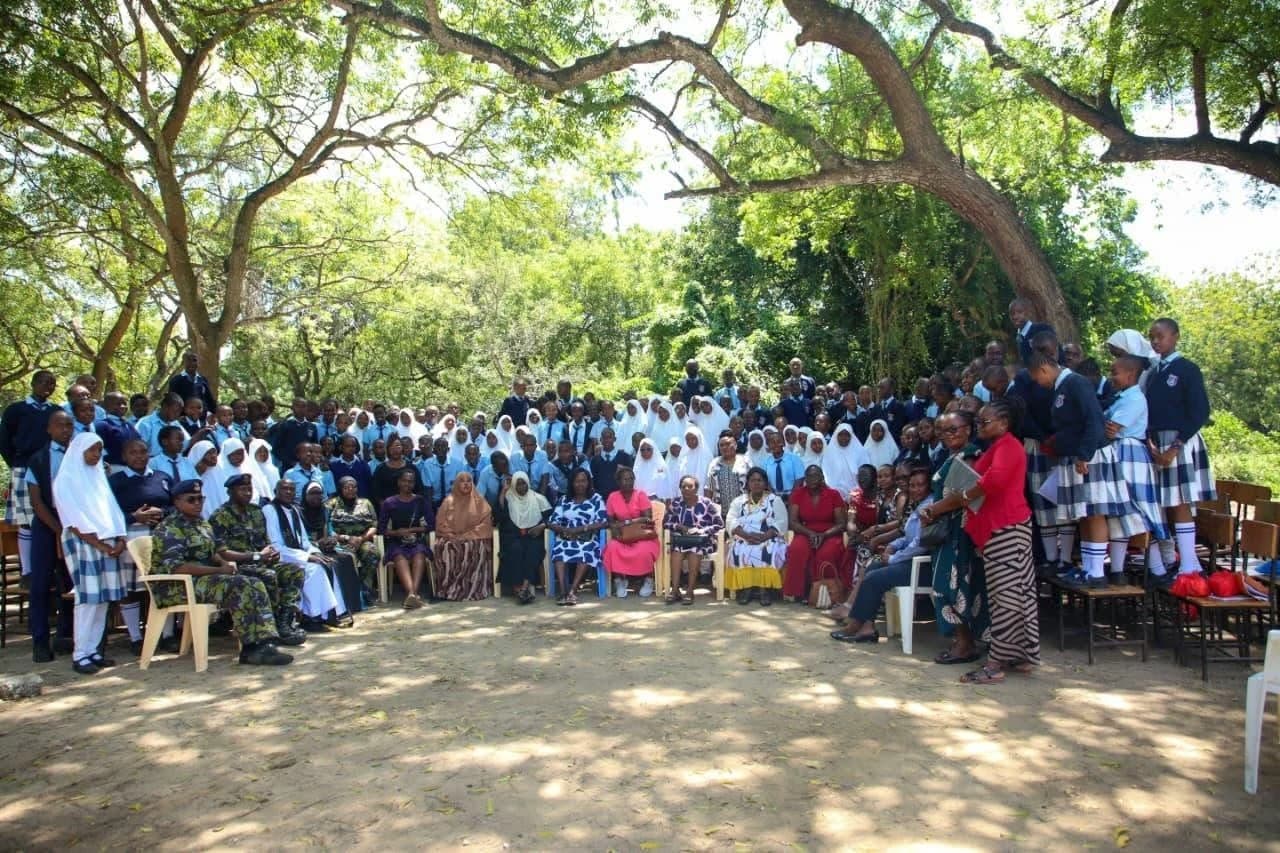
Child development should not be the exclusive concern of one denomination or religious tradition. Kenya's religious diversity offers opportunities for cooperation on issues affecting children, regardless of their faith.
Churches, Muslim societies, mosques and other religious organisations can collaborate on child protection, responsible digital citizenship, substance abuse prevention, emotional well-being and peaceful coexistence.
UNESCO has reported on initiatives in Kenya involving Christian, Muslim, Hindu and interfaith leaders working to strengthen responses to misinformation, disinformation and hate speech online.
Such initiatives demonstrate the practical value of cooperation across religious boundaries.
Religious communities could organise joint youth forums, supervised community service, digital safety workshops and career talks.
Young people from different backgrounds could discuss peer pressure, respectful relationships and responsible technology use.
Such cooperation should respect each faith's distinct identity. The objective is not to erase religious differences but to unite around shared concerns affecting children's welfare and society's future.
From sermons to practical programmes
Religious institutions do not need extravagant budgets to make a difference. They need committed leadership, responsible volunteers and clear objectives.
First, holiday mentorship clubs can introduce children to integrity, self-discipline, healthy relationships and decision-making. Professionals, teachers, entrepreneurs and artisans can share experiences that help young people understand the consequences of their choices.
Second, guidance and counselling support can provide safe environments for discussing grief, bullying, family conflict, academic anxiety and substance use.
Religious leaders should learn to listen, recognise warning signs and refer serious cases to qualified professionals. Prayer should complement, not replace, appropriate mental health care.
Third, talent development programmes involving music, drama, creative writing, sports, coding and environmental conservation can build confidence, creativity and teamwork.
Fourth, parenting forums can address adolescent development, positive discipline, digital safety and constructive communication.
Parents should be encouraged to correct without humiliation, listen without immediately condemning and supervise without unnecessarily restricting healthy independence.
Fifth, career guidance and financial literacy can expose young people to technical and vocational training, entrepreneurship and employment opportunities.
Finally, community service and intergenerational mentorship can teach compassion and responsibility through supervised environmental projects, visits to older people and support for vulnerable households.
These initiatives should be accessible to children with disabilities and those whose families cannot afford participation fees.
Safeguarding must be non-negotiable
Religious institutions that invite children into structured activities assume a serious duty of care.
Programmes require appropriately screened and trained adults, suitable supervision, clear safeguarding procedures and transparent reporting arrangements.
Children must know whom to approach when they feel unsafe. Allegations of abuse must be referred promptly to the appropriate authorities, and adults must maintain appropriate boundaries when communicating with minors.
Religious leaders should also avoid interpreting every behavioural difficulty as spiritual failure. Some children may be responding to trauma or mental health difficulties requiring specialised support.
Compassion must be accompanied by professional judgement, safeguarding and respect for every child's dignity.
The responsibility does not go on holiday
The development of a child is not the responsibility of one institution acting alone. Parents provide the foundation of care, schools offer structured learning, and religious communities can reinforce moral formation, belonging and service.
When these institutions collaborate respectfully, they create a stronger network of caring adults around the child.
As I reflected during that church service, I realised that the holiday season presents more than a break in the school calendar. It offers an opportunity to examine whether our institutions are doing enough to prepare the next generation for life.
A child attending church every Sabbath or Sunday, or participating in activities at a mosque, should encounter more than a routine of worship.
That child should also find trustworthy adults, opportunities to discover talents, guidance in making sound decisions and encouragement during difficult moments.
Jesus' words in Mark 10:14, "Suffer the little children to come unto me, and forbid them not" (KJV), remind believers of the importance of welcoming children.
Today, that welcome must include environments where they are heard, protected, nurtured and equipped to flourish.
The Quran, in Surah Luqman 31:17, also emphasises prayer, encouraging what is right, discouraging what is wrong and exercising patience.
Though rooted in distinct religious traditions, these teachings invite reflection on the relationship between belief, conduct and responsibility.
When the school bell falls silent, the work of nurturing character must not cease. When parents need support, the community should not retreat. When young people struggle, religious institutions must be prepared to listen, guide and act.
The future of society is being shaped in our homes, classrooms, playgrounds, digital spaces and places of worship.
If we want a generation that upholds integrity, resists destructive influences and contributes to national development, child development cannot remain the exclusive responsibility of parents and teachers.
Religious communities must take their place at the table, not merely as preachers of values but as practical partners in living them.
When schools close, the responsibility to nurture children does not go on holiday.
Email: jackiekebongo@gmail.com


Reader Discussion (0)
Sign in to comment