







President William Ruto has announced that teachers will no longer be required to pay the Sh6,000 fee for Teacher Professional Development (TPD) modules, with the government setting aside Sh900 million in the 2026/2027 financial year to finance teacher capacity building.
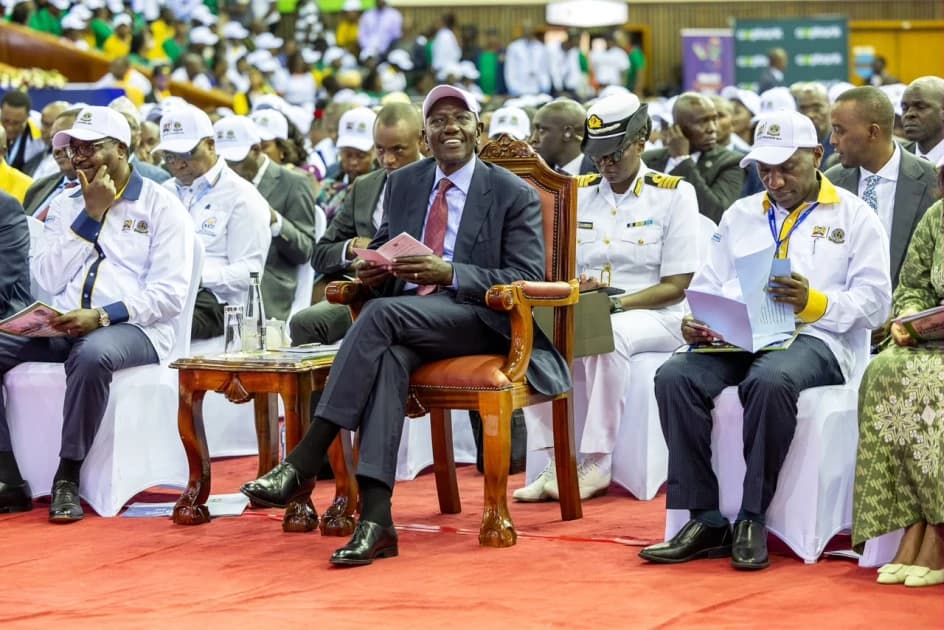
The President made the announcement on Monday during World Teachers' Day celebrations at the Moi International Sports Centre, Kasarani, telling thousands of teachers that the government had listened to their concerns over the cost of professional training. The decision shifts the financial responsibility for the compulsory training from individual teachers to the State.
For years, teachers and their unions have questioned why educators should personally finance training programmes required as part of their professional obligations, arguing that the Sh6,000-per-module cost was a significant burden, particularly for teachers in lower job groups already meeting household expenses, loan repayments and school fees.
TPD was introduced to ensure teachers continually update their professional knowledge and skills as curriculum requirements, teaching methods and technology change. Under Section 35 of the Teachers Service Commission Act, teachers are required to undertake prescribed professional development and hold a valid practising certificate, a requirement that had previously come with a direct financial cost to the teacher.
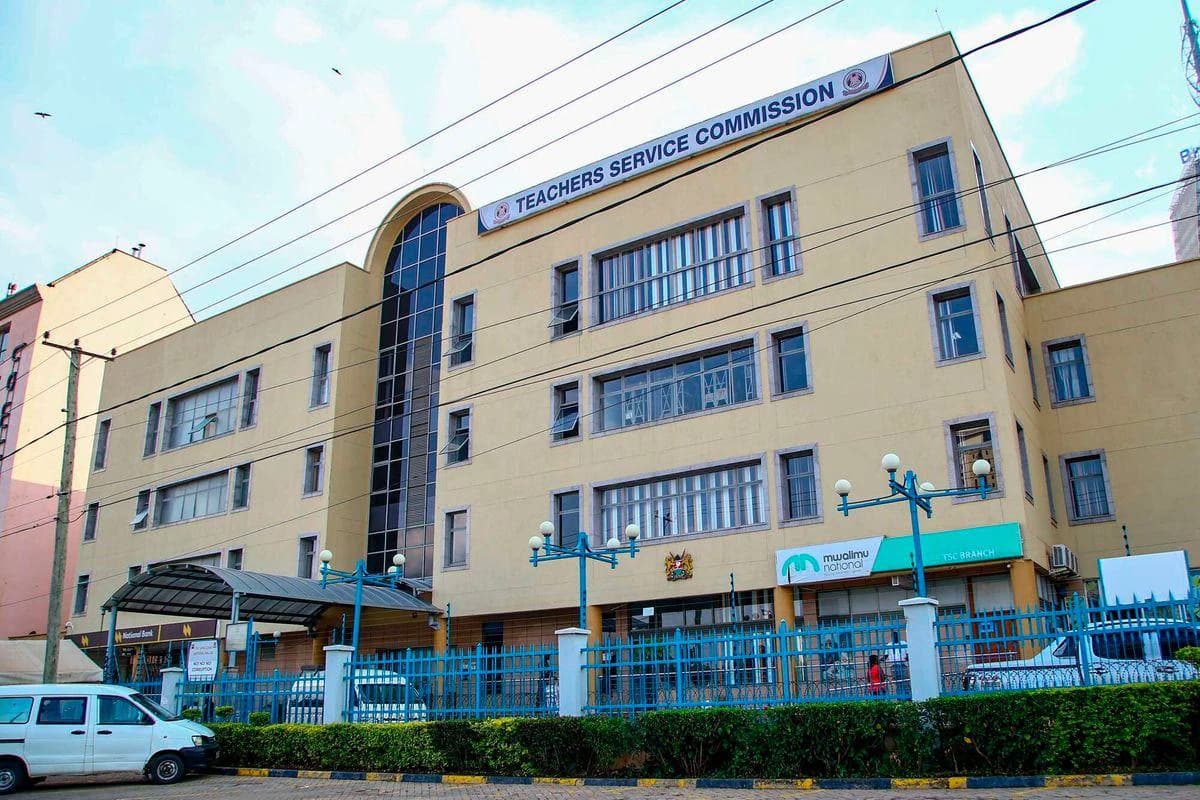
The Sh900 million allocation is expected to finance the training programme as it is relaunched. The Teachers Service Commission (TSC) concluded a nationwide Training Needs Assessment in September aimed at identifying areas where teachers require additional professional support, including digital skills, learner assessment, competency-based education, inclusive education and classroom management.
The funding decision comes against the backdrop of proposed changes to the country's teacher-training framework. New education legislation proposes the establishment of the Kenya School of Education, which would provide in-service training for teachers and bring together functions currently undertaken by institutions such as the Centre for Mathematics, Science and Technology Education in Africa and the Kenya Education Management Institute. The proposals also seek to replace the term Teacher Professional Development with Continuous Professional Development.
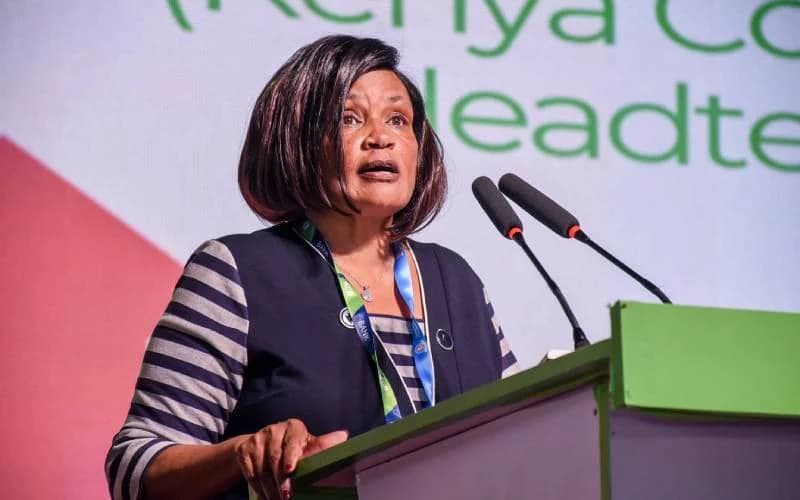
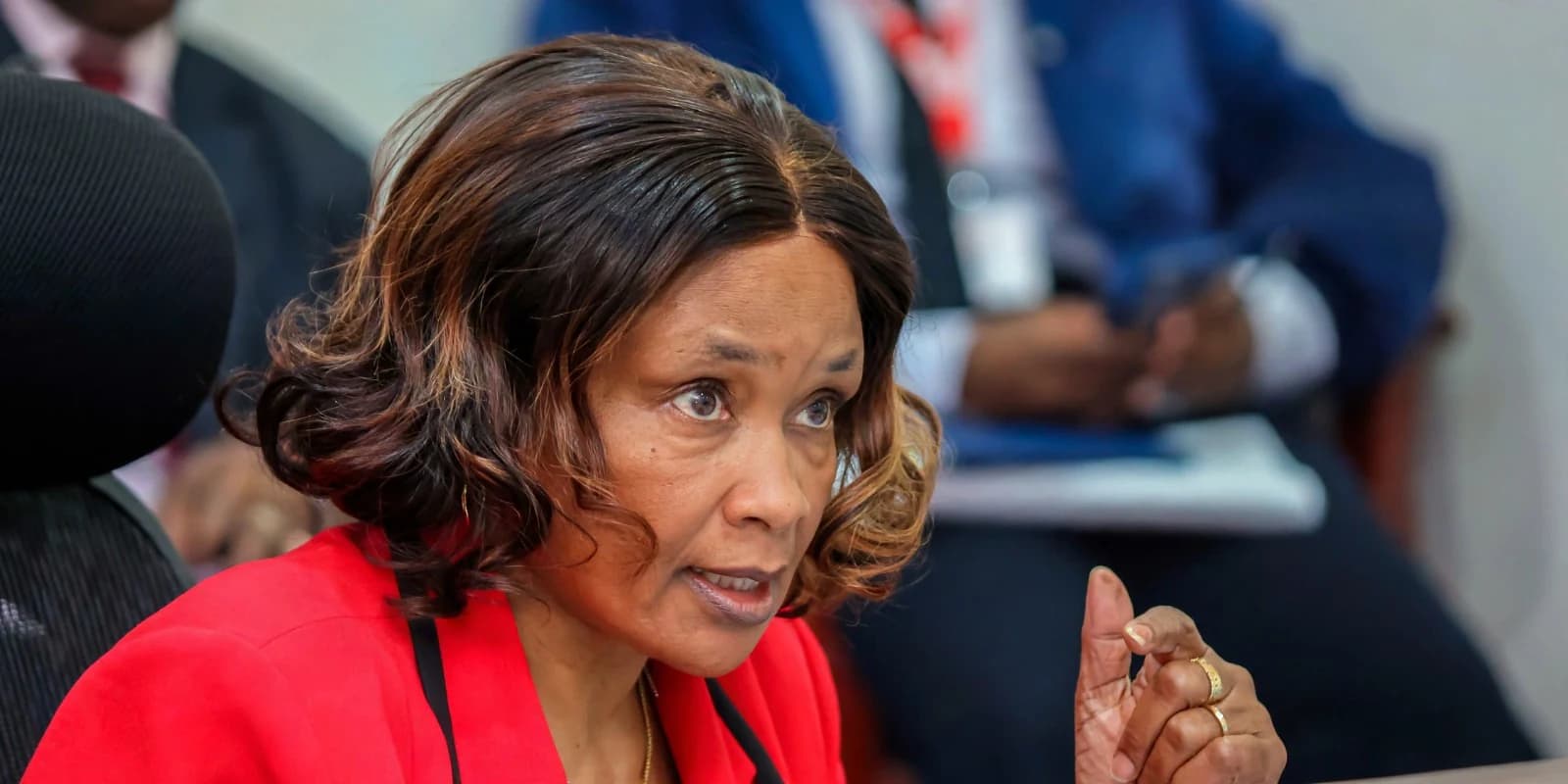
Teacher unions have previously raised concerns over the financial burden imposed by TPD and have participated in consultations with TSC as the commission prepares to redesign and relaunch the programme. TSC Acting Chief Executive Officer Evaleen Mitei has emphasised the need for teachers to continuously update their professional and technological skills as education changes.
Ruto used the celebrations to announce other measures affecting teachers. He said new Career Progression Guidelines are expected within two weeks following consultations with the Salaries and Remuneration Commission, and will replace the 2018 framework that teachers have criticised over career stagnation. He added that more than 100,000 teachers had been employed since he took office, with another 20,000 to be recruited by the end of the year, while 34,016 teachers had been promoted in the latest exercise, a number he said could rise to 50,000 in the next financial year.

Reader Discussion (0)
Sign in to comment