

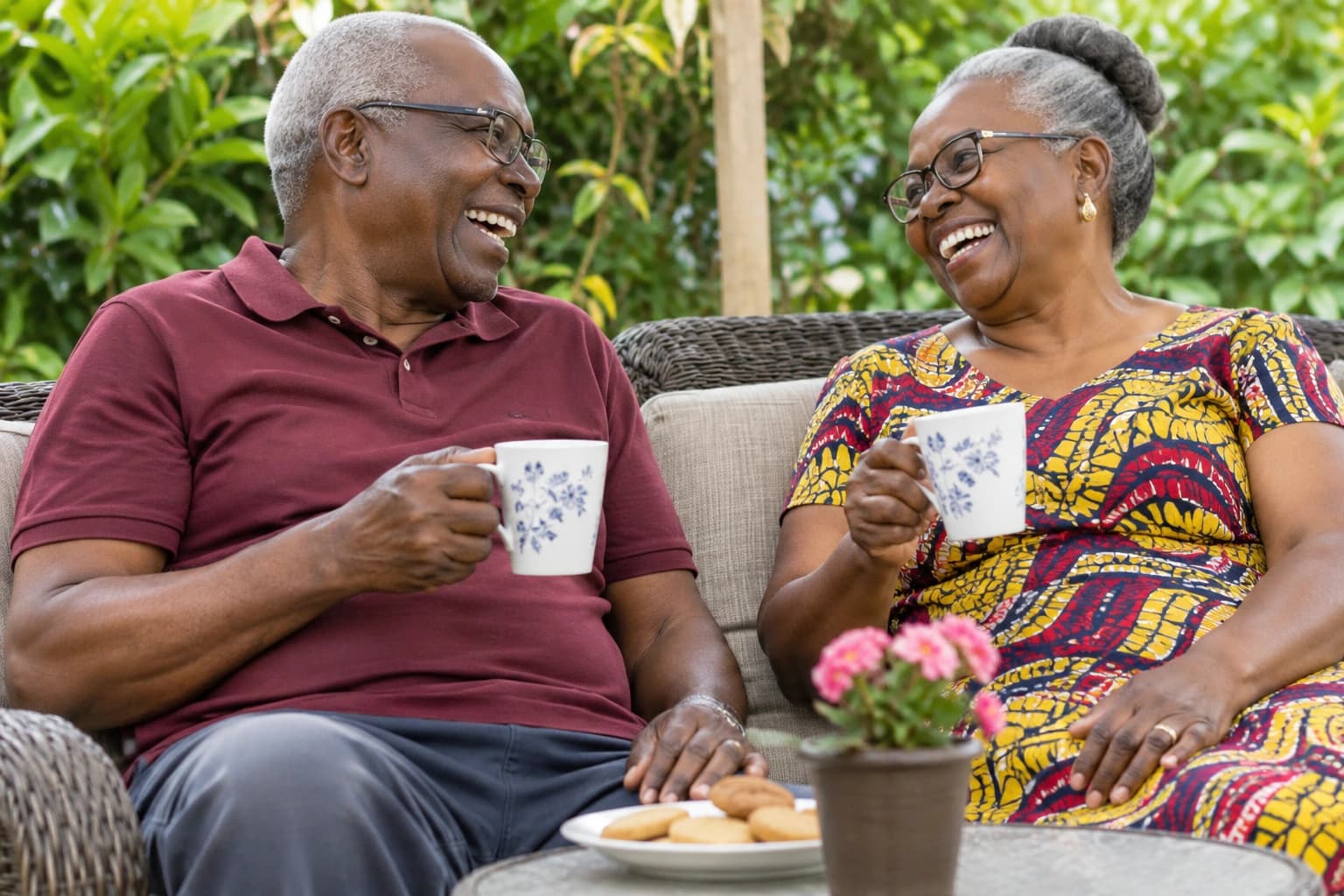





The transition from working life to retirement brings couples more time together, but without proper communication, shared responsibilities and personal independence, the long-awaited freedom can become a source of tension.
Retirement is often celebrated as the beginning of a well-deserved season of rest, freedom and enjoyment after decades of hard work. For many couples, it presents an opportunity to travel, spend more time with family, pursue hobbies and enjoy the companionship that demanding careers and professional responsibilities may have limited.
However, beneath the promise of a relaxed retirement lies a challenge that many couples do not anticipate: learning how to live together when neither partner has the daily demands of employment to provide structure and separation.
For years, work schedules, business commitments and professional responsibilities may have determined when partners woke up, left home, returned in the evening and spent time together. Retirement suddenly changes that arrangement.
Couples who previously spent much of the day pursuing separate responsibilities may find themselves sharing the same space from morning until night. Ordinary household decisions, personal habits and differences in expectations can gradually become sources of disagreement.
The challenge is not necessarily spending too much time together. Rather, it is adjusting to a new lifestyle without losing the independence, personal identity and mutual respect that sustained the relationship during working years.
Adjusting to shared routines and household responsibilities
One of the first challenges retirement introduces is the absence of established routines.
During employment, each partner has responsibilities that naturally organise the day. One may leave home early for work, while the other attends to household duties or professional commitments.
When both retire, those arrangements disappear.
One partner may look forward to leisurely mornings, spontaneous outings and extended conversations, while the other prefers early exercise, quiet reading or pursuing personal interests.
Although these preferences are perfectly reasonable, misunderstandings can arise when one partner assumes that retirement means spending virtually every available moment together.
Couples need to recognise that companionship does not require abandoning individual routines.
Planning a weekly schedule that accommodates shared activities, personal commitments, family responsibilities and periods of relaxation can help establish a healthy balance.
The division of domestic responsibilities is another area that can test relationships during retirement.
In some households, the partner who retires first gradually assumes more responsibility for cooking, shopping, cleaning, laundry and managing household affairs.
The arrangement may initially appear convenient, particularly when the other partner is still employed.
However, difficulties can emerge when the second partner retires and expectations about household responsibilities remain unchanged.
The person who has been managing most domestic activities may feel overburdened, while the other may expect retirement to bring equal freedom from routine obligations.
Couples should discuss how responsibilities will be shared rather than allowing temporary arrangements to become permanent expectations.
Fairness does not necessarily mean dividing every task equally. It means recognising each person's contribution, abilities, preferences and circumstances.
Managing finances while protecting personal independence
Retirement also changes how couples relate to money.
The transition from regular salaries to pensions, savings, investments or other sources of income can make financial decisions more sensitive.
One partner may feel comfortable spending money on holidays, restaurant visits and personal interests after years of saving. The other may prefer caution, worrying about medical expenses, home maintenance and the possibility of outliving available retirement savings.
Consequently, an argument about a seemingly minor purchase may reflect deeper concerns about financial security.
Couples should develop a realistic retirement budget covering essential household expenses, healthcare, emergencies, family commitments and leisure activities.
They should also agree on reasonable personal spending allowances where their financial circumstances permit.
Open discussions about money can prevent one partner from feeling controlled while protecting the household from unnecessary financial pressure.
Being retired and physically present at home does not mean being available for conversation, errands or shared activities throughout the day.
Some people need quiet periods to read, reflect, exercise, garden or pursue hobbies.
Others may interpret a partner's desire for solitude as rejection or a lack of affection.
This misunderstanding can create unnecessary tension.
Couples should understand that personal space is not a threat to marriage. It can strengthen relationships by allowing each partner to maintain individual interests and enjoy time independently.
Even simple arrangements, such as taking separate morning walks, maintaining personal reading time or pursuing different hobbies, can make a significant difference.
A healthy relationship allows partners to enjoy each other's company without feeling compelled to do everything together.
For many people, the workplace provides more than an income. It offers friendship, interaction, recognition and a sense of belonging.
Retirement can abruptly remove these social connections, leaving some individuals feeling isolated or uncertain about how to occupy their time.
The resulting loneliness may place additional emotional demands on a spouse who becomes the retiree's primary source of companionship.
Maintaining friendships outside marriage is therefore important.
Retirees can participate in community activities, religious and social gatherings, volunteering, professional associations, sports, gardening groups or other interests.
They can also maintain relationships with former colleagues and establish new friendships.
Couples do not need identical social circles or hobbies. Having separate experiences can enrich conversations and introduce fresh perspectives into the relationship.
Communication and mutual respect are key to a fulfilling retirement
Many people prepare financially for retirement but pay insufficient attention to the emotional and practical adjustments it requires.
They calculate pension income, consider healthcare arrangements, assess their housing needs and plan investments.
However, they may never discuss how they intend to spend their ordinary days together.
One partner may dream of travelling frequently, while the other prefers remaining close to home. One may look forward to spending more time with grandchildren, while the other wants to pursue personal interests or community activities.
These differences should be discussed before they become persistent sources of disappointment.
Each partner should have an opportunity to explain what a fulfilling retirement looks like.
Couples can also introduce changes gradually, evaluate what works and revisit arrangements as their circumstances evolve.
Retirement is a major life transition that requires patience, understanding and a willingness to adjust.
The end of formal employment does not mean the end of personal ambitions, friendships, responsibilities or the need for independence.
Neither should it mean that couples must abandon the companionship and shared experiences that make marriage meaningful.
A successful retirement is built on mutual respect, honest communication and a willingness to accommodate differences.
Partners should discuss household responsibilities before resentment develops, agree on financial priorities before disagreements escalate and protect personal time before independence is mistaken for emotional withdrawal.
Ultimately, retirement should not become a competition over who controls the household, determines the daily schedule or enjoys greater freedom.
It should be an opportunity for two people who have spent years building a life together to discover new ways of enjoying their companionship while respecting each other's individuality.
The strongest marriages are not necessarily those in which partners do everything together. They are those in which both individuals feel valued, respected, supported and free to remain themselves.



Reader Discussion (0)
Sign in to comment