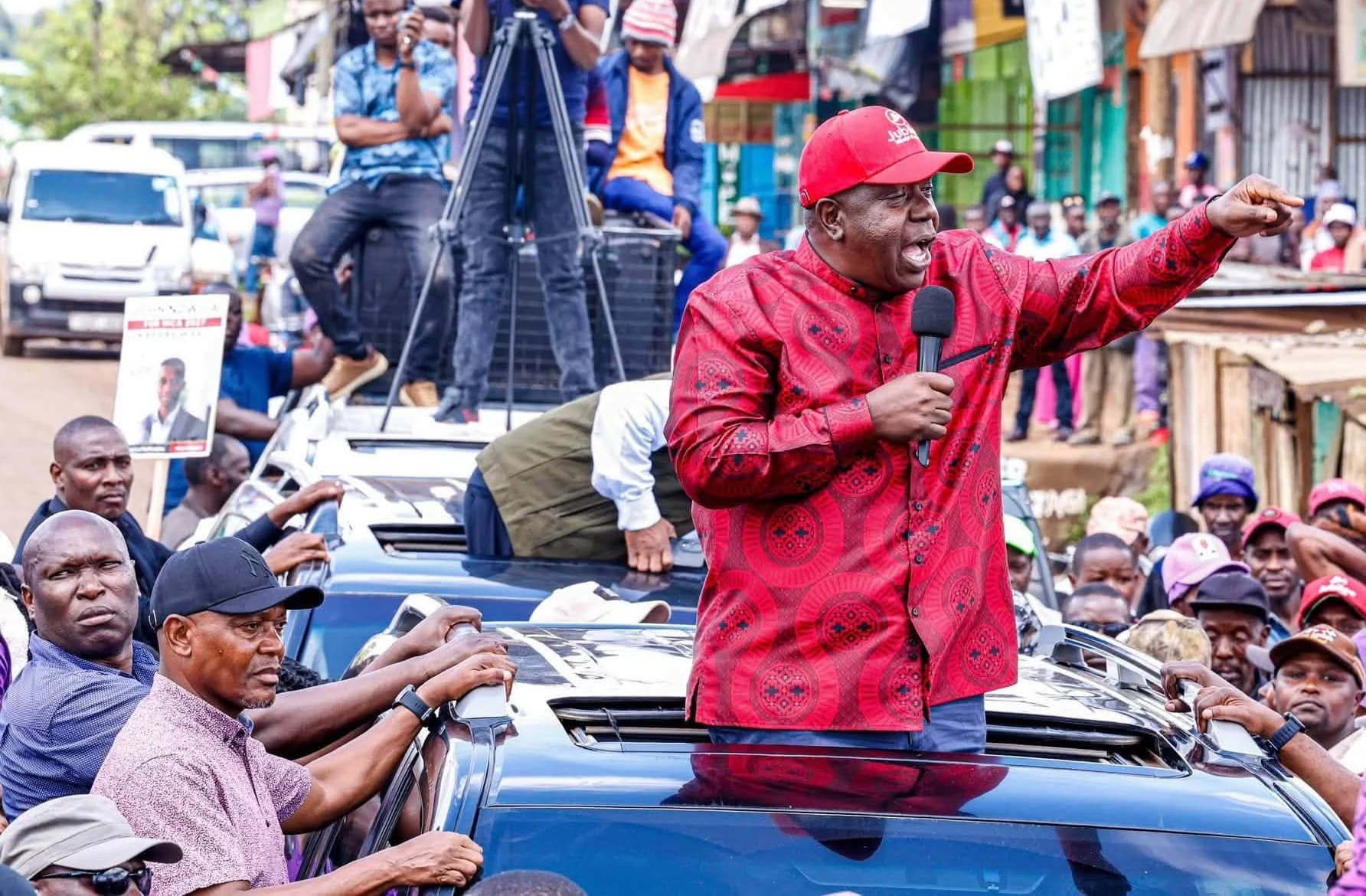







Former Interior Cabinet Secretary Fred Matiang'i has challenged the government's account of the printing of the 2026 national examinations, questioning President William Ruto's claim that the papers were produced locally for the first time in more than six decades.
Matiang'i accused the President of misleading Kenyans, arguing that records showing the arrival of examination materials from Greece contradicted the announcement made during the State of the Nation Address.
"The President is lying to people that they printed the exam papers here, yet the record is available, showing that they imported the examinations from Greece," Matiang'i said.
The dispute has revived questions about the procurement, production and security arrangements surrounding this year's national examinations, particularly after the government presented local printing as a major milestone in the country's education sector.
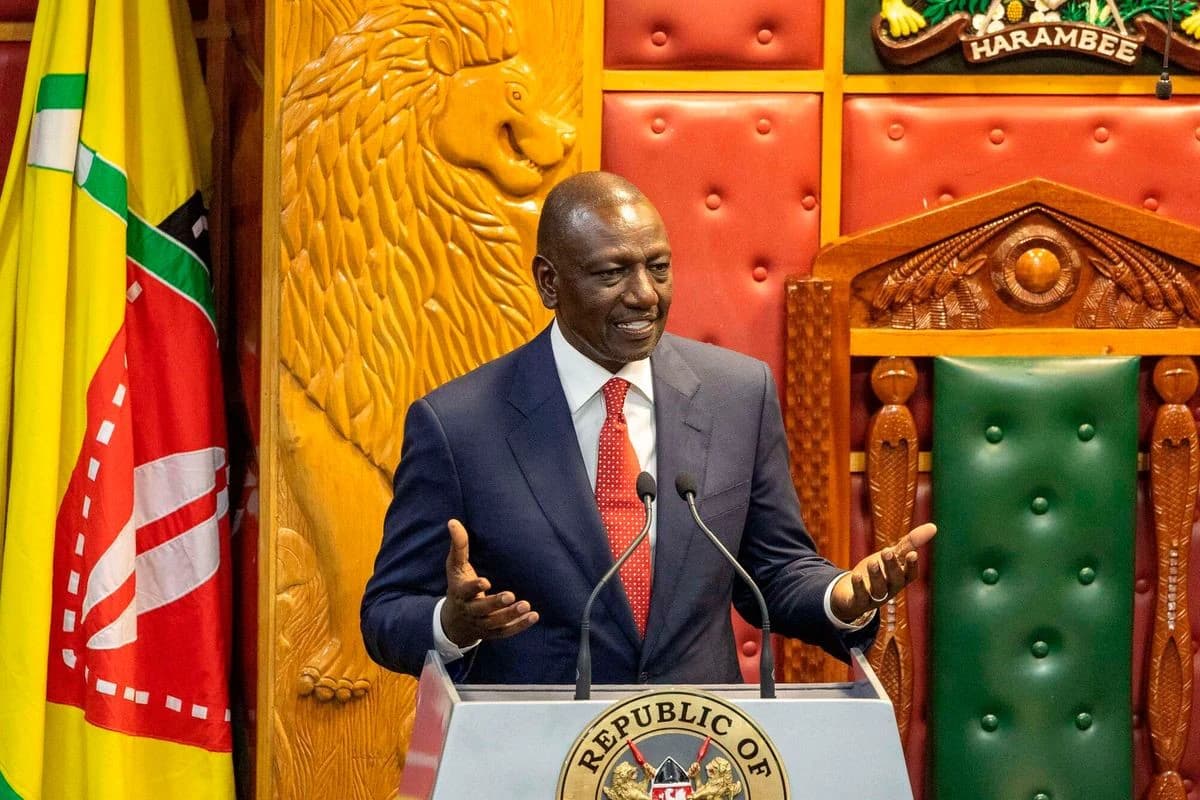
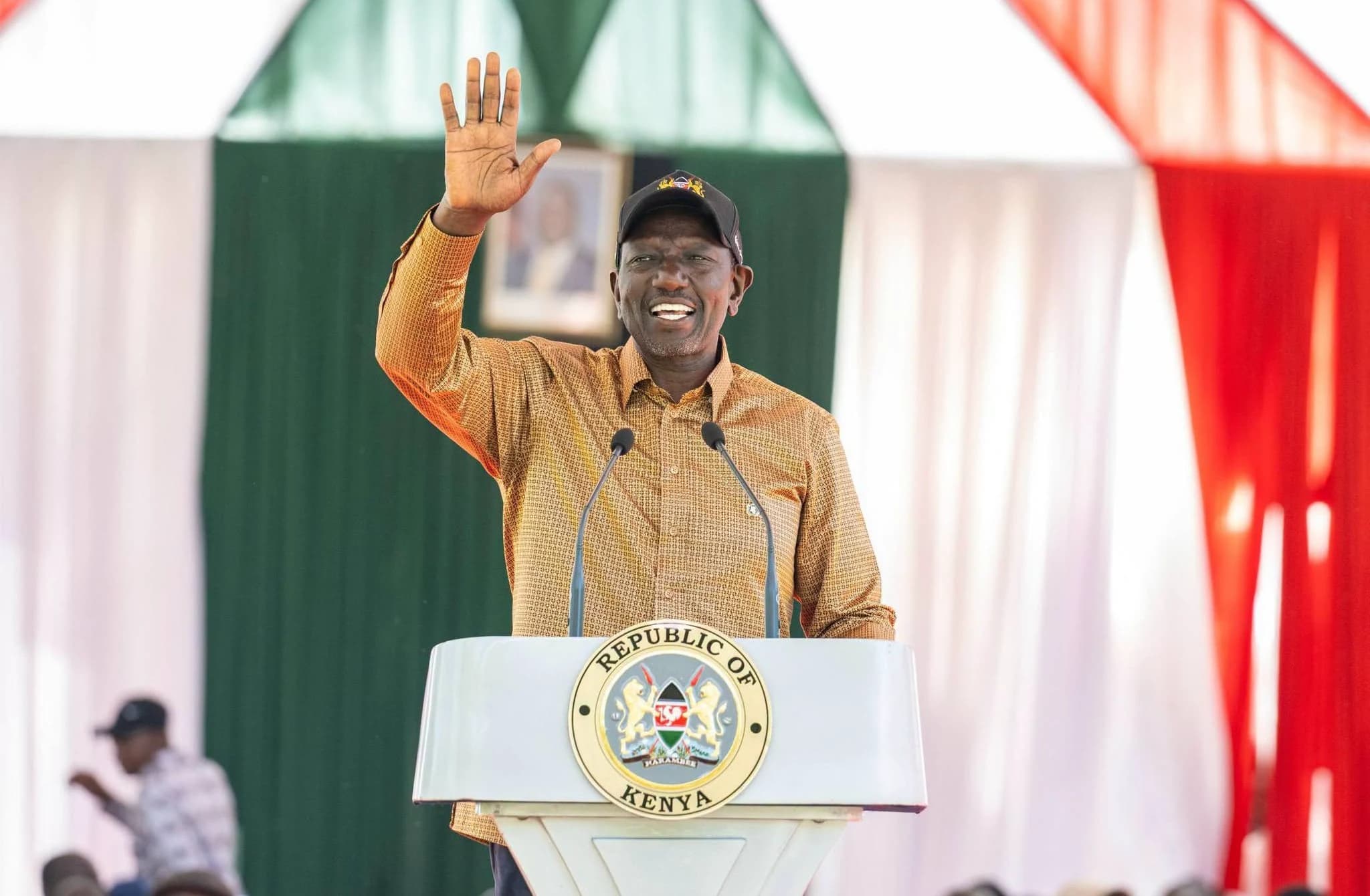
During his State of the Nation Address on November 18, Ruto announced that Kenya had printed its national examination papers locally for the first time in 65 years. He said the move had saved taxpayers about Sh1.5 billion, describing it as a significant step towards reducing reliance on foreign printing companies.
The Greece consignment
Police records, however, indicate that a consignment weighing about 71.3 tonnes arrived at Jomo Kenyatta International Airport on October 3 aboard a Magma Aviation flight from Athens, Greece. The shipment was reportedly received under the security escort of General Service Unit (GSU) officers before being transported for secure storage.
The arrival has raised questions about the nature of the materials imported and whether their transportation contradicts the government's announcement on local production of examination papers.
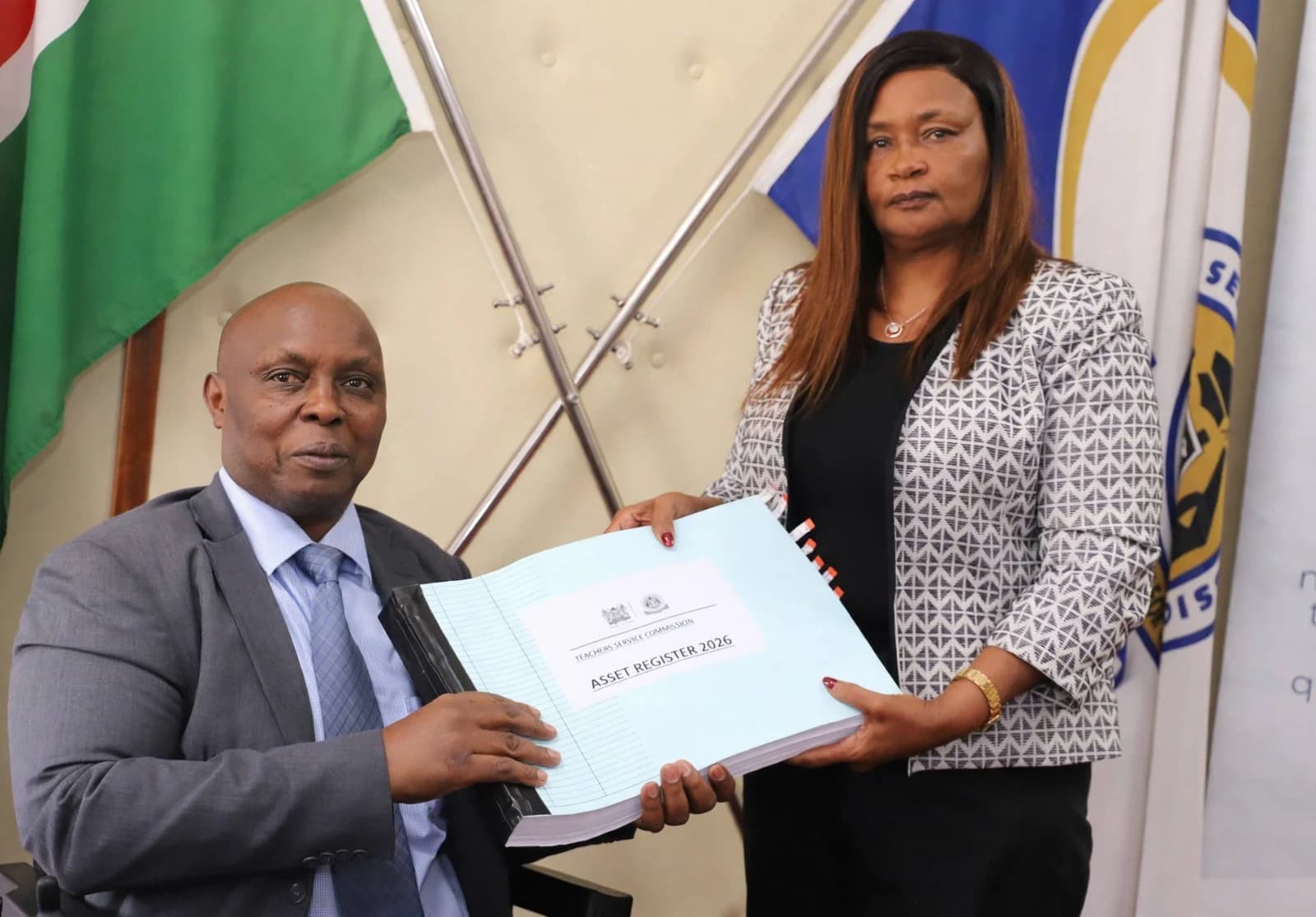
Busia Senator Okiya Omtatah had earlier sought details from the Kenya National Examinations Council (KNEC) on the procurement arrangements for the 2026 examinations. KNEC Chief Executive Officer David Njengere declined to release the information, citing national security considerations and the need to protect the integrity of national examinations.
Njengere explained that the printing procurement had been classified, with the list of items proposed for classification submitted through the Ministry of Education in December 2025 before receiving Cabinet approval in April 2026.
The controversy now places the Ministry of Education and KNEC under pressure to explain the role of the imported consignment alongside the government's claim that the examinations were printed locally.
By November 23, the government had not publicly explained the apparent discrepancy between the President's announcement and records indicating the arrival of examination materials from Greece.

Reader Discussion (0)
Sign in to comment