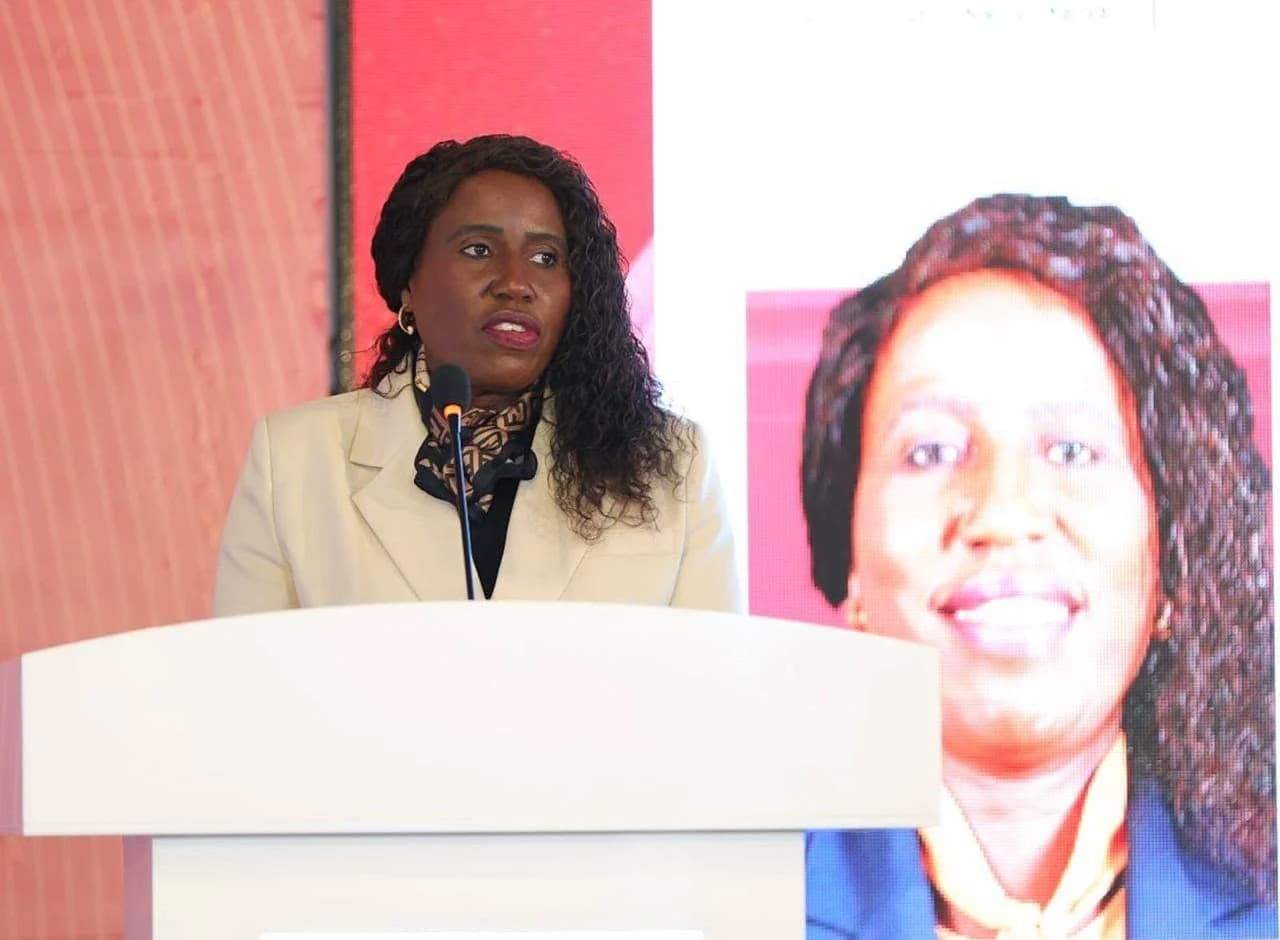

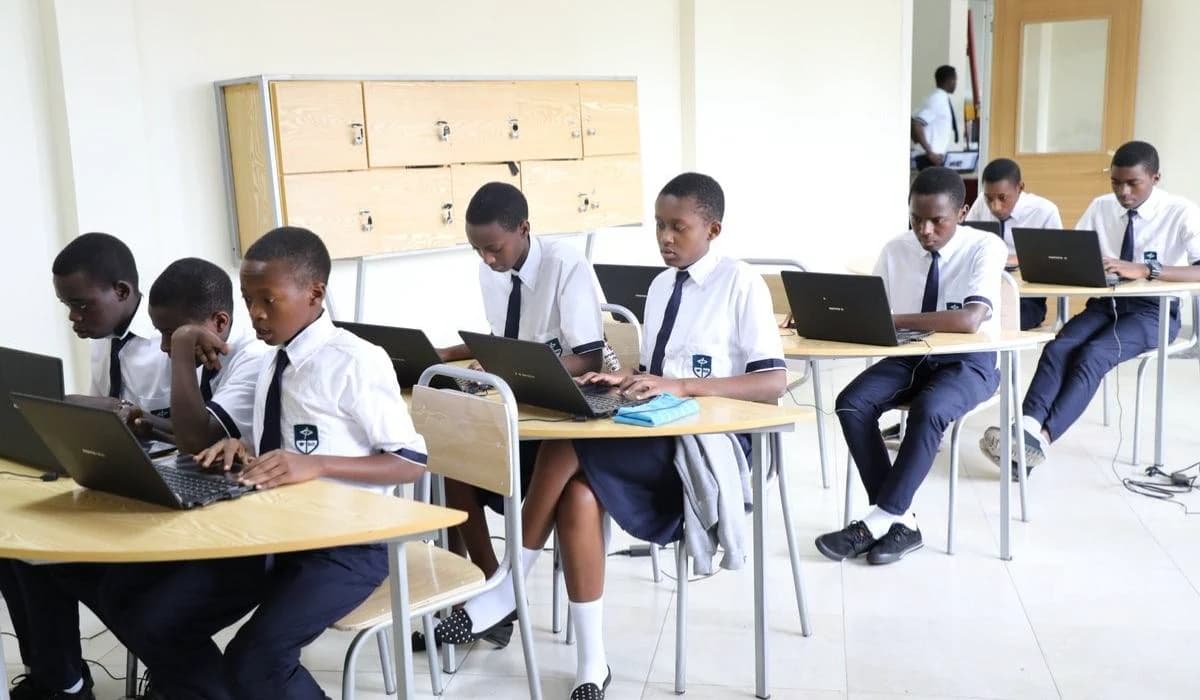



Kenya must remove the barriers that keep girls and women from taking part, progressing and leading in Science, Technology, Engineering and Mathematics (STEM) if the country is to achieve inclusive economic transformation, Higher Education and Research Principal Secretary Beatrice Muganda Inyangala has said.
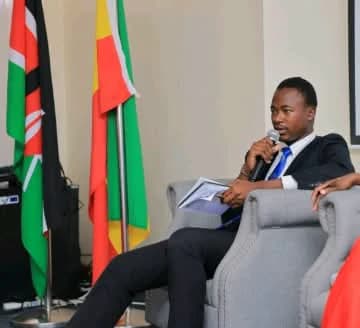
In a keynote address prepared for the national conference on Women and Girls in STEM in Higher Education at Masinde Muliro University of Science and Technology (MMUST), Inyangala said the country's future would be determined by its ability to harness science, technology and innovation. The conference's theme is "Advancing Girls and Women in STEM in Higher Education for Economic Development in Kenya".
She said STEM is the foundation of modern economies globally, driving agricultural transformation, healthcare innovation, industrialisation, climate resilience and digital development, and that it was important to include women and girls in STEM courses.
"Empowering women and girls in these disciplines is therefore not merely a matter of gender equality; it is an economic imperative and a strategic investment in the country's future," she said.
Despite Kenya having made significant strides in expanding educational opportunities, Inyangala said, inequalities remain rampant in access to STEM education, research financing, mentorship and leadership, with women and girls bearing the brunt.
She pointed out that addressing these challenges requires deliberate policies, sustained investment and partnerships that connect education, research, industry and communities.
"This important National Conference on Women and Girls in STEM in Higher Education is providing a very significant platform for transforming these commitments into real action as it is bringing together policymakers, researchers, university leaders, industry professionals, development partners and students, and the summit is seeking to accelerate practical solutions that will reinforce female participation, research excellence, innovation and leadership," she said.
She re-affirmed that the vision was in tandem with the country's Bottom-Up Economic Transformation Agenda (BETA), the Sustainable Development Goals (SDGs) and the African Union's Agenda 2063.
The conference was told that through stronger university-industry partnerships, equitable financing, mentorship and recognition of women-led innovations, opportunities can be created that will transform individual lives and accelerate national development.
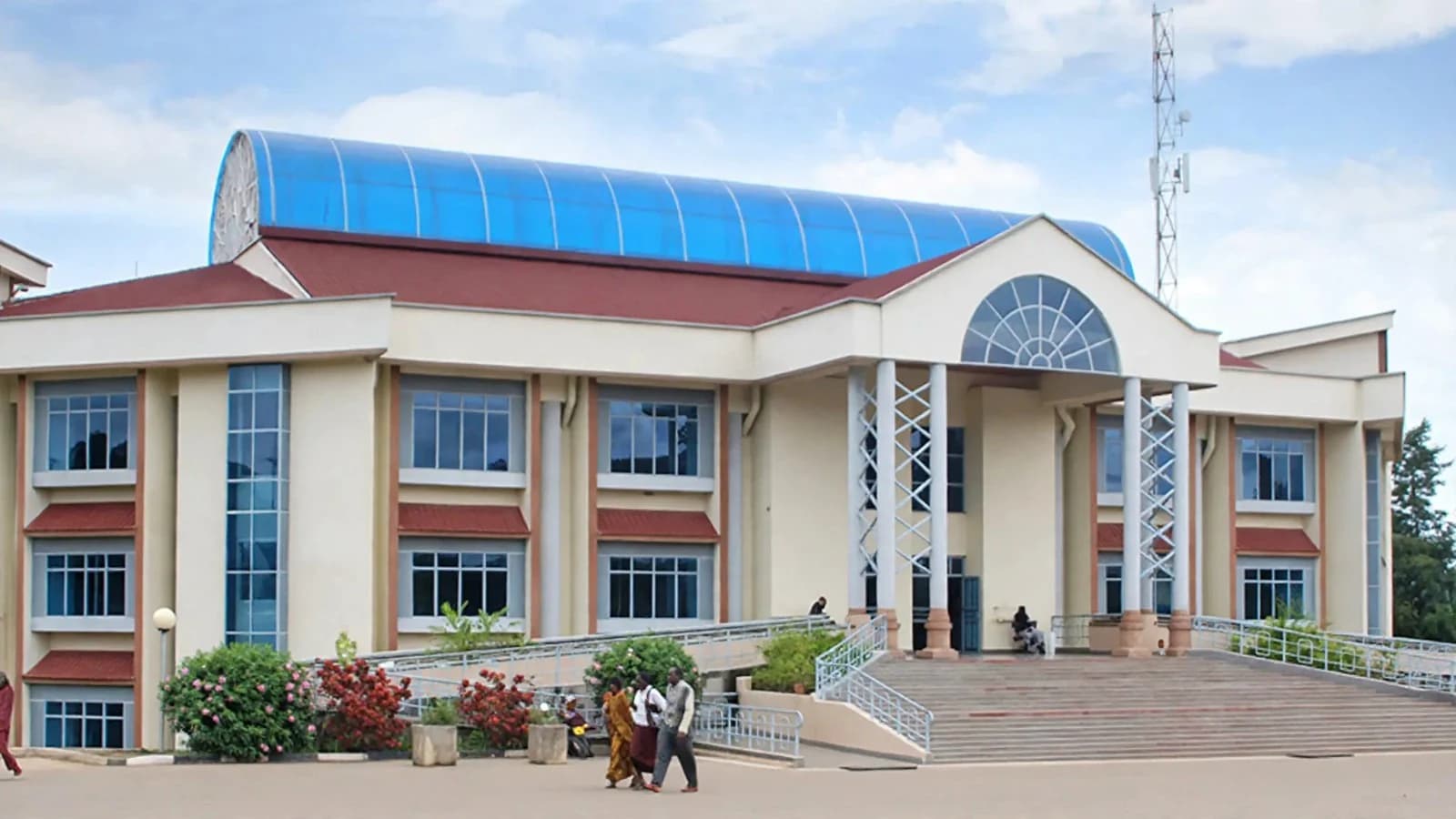
The choice of MMUST as host institution reflects the role universities play in nurturing talent, advancing research and driving regional economic transformation, according to the address.
"This should not just be another meeting to dialogue but a staunch move towards measurable commitments that will increase girls' enrolment and retention in STEM, strengthen women's leadership in research and expand opportunities for innovation and employment," she urged.
Inyangala said that by ensuring that girls are enrolled in STEM, not only is one girl's future transformed, but the possibilities of an entire generation are also expanded. She said the conference agenda was key to the national agenda and would inspire lasting partnerships and practical actions towards a more inclusive, innovative and prosperous Kenya.



Reader Discussion (0)
Sign in to comment