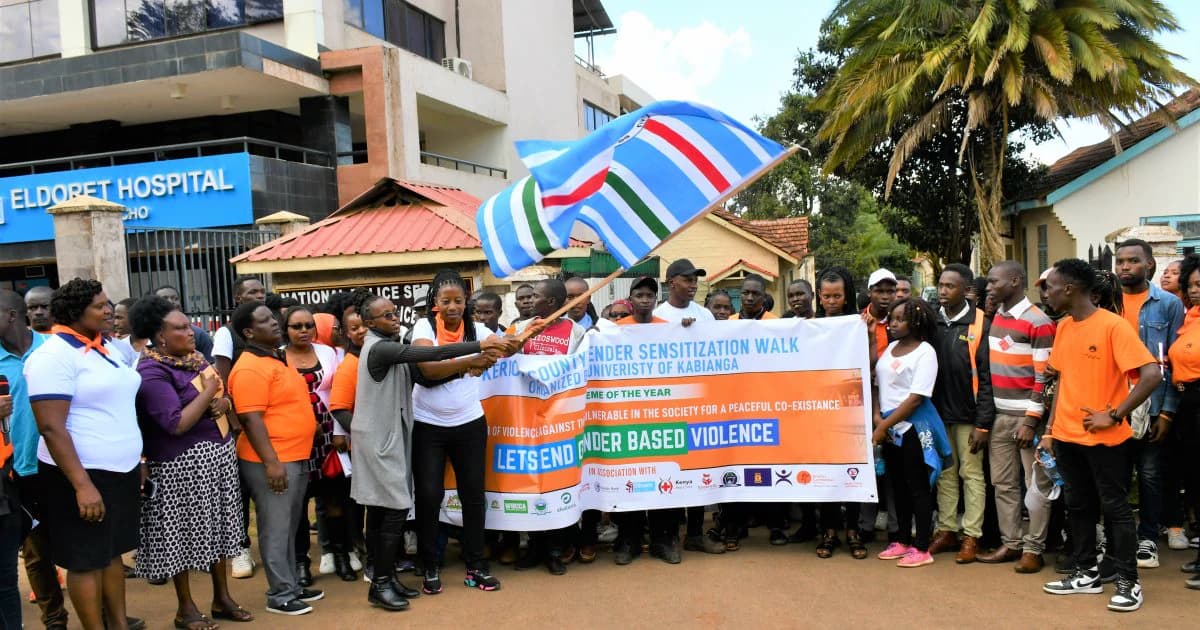



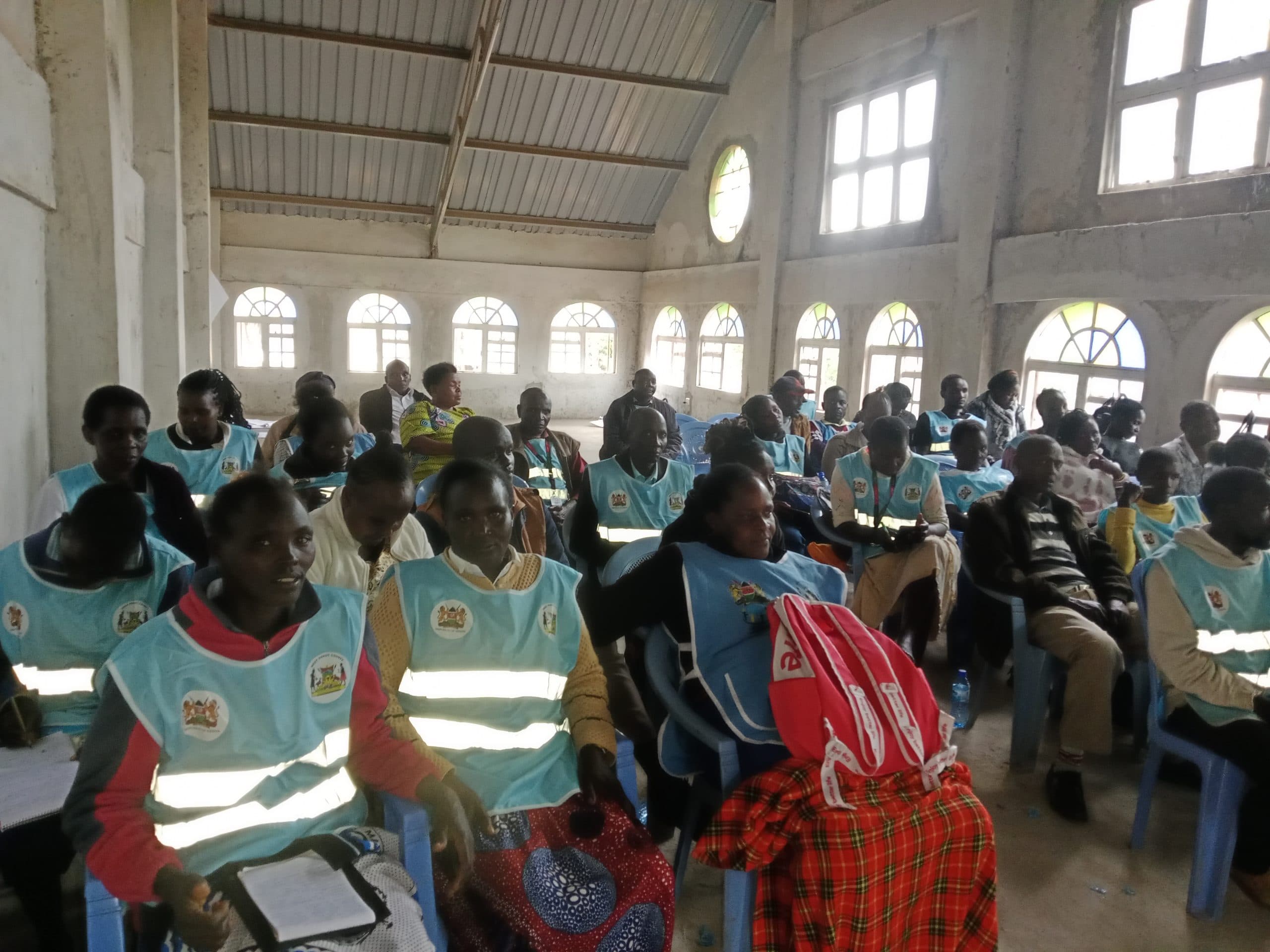
The State Department for Gender Affairs and Affirmative Action has embarked on training 300 Community Health Promoters (CHPs) in Kericho County on the prevention of and response to Sexual and Gender-Based Violence (SGBV).
This comes amid growing concerns over cases of violence targeting children, particularly during school holidays.
The initiative, which is part of activities marking this year’s 16 Days of Activism Against Gender-Based Violence, seeks to strengthen community-level interventions through awareness creation, early identification of abuse and support for survivors.
The campaign, which commenced on November 25, is being conducted under the theme, “Unite to End Violence Against Women and Girls: Ensure Justice, Protect Survivors and End Impunity.”
The intervention comes against the backdrop of 1,321 reported cases of SGBV and related harmful practices in Kericho County over an 18-month period. Ministry of Health statistics presented in July 2026 indicate that 880 cases were reported in 2025, while another 441 were recorded between January and June 2026.
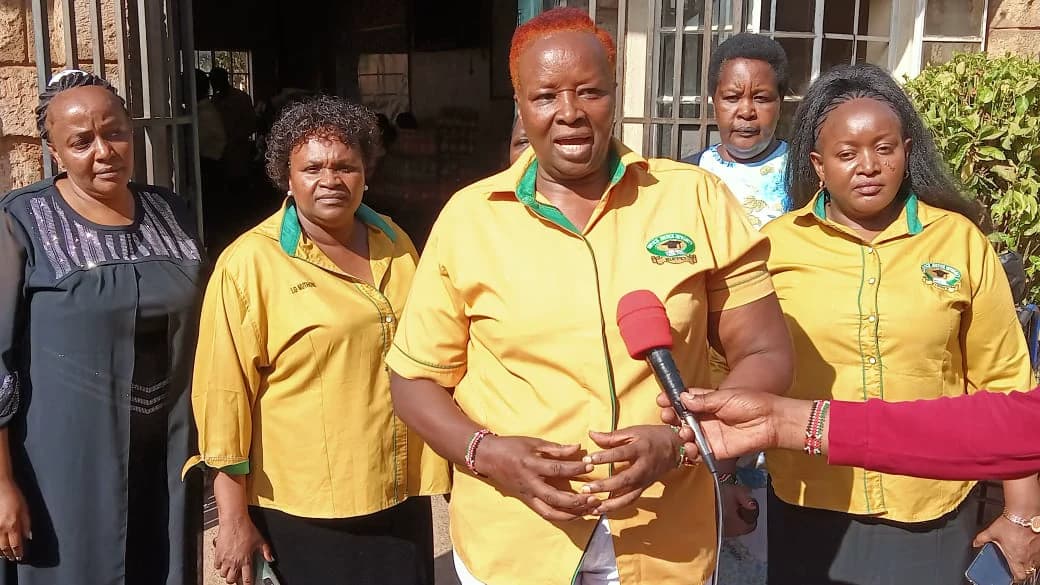
Addressing the press, Kericho County Director of Gender Beatrice Chebet said the training was being implemented in partnership with the National Agricultural Value Chain Development Project (NAVCDP), with activities taking place across the sub-counties.
“The training is being implemented in partnership with the National Agricultural Value Chain Development Project. Activities take place across the sub-counties,” she noted.
Chebet said the programme would equip CHPs with practical skills to identify abuse within households, educate communities on preventing gender-based violence, support victims in reporting incidents and guide survivors towards medical care, counselling, protection and legal assistance.
She emphasised the importance of collective responsibility in addressing violence against women and girls.
“We must say no to all forms of violence and unite to end violence against women and girls, ensure justice for victims, protect survivors and end impunity for perpetrators. Girls and Women rights must fully be safeguarded,” said Chebet.
Children bear the greatest burden
A Ministry of Health report presented during the Kericho Gender Sector Working Group meeting revealed that girls aged between 10 and 17 years accounted for the largest proportion of SGBV survivors in 2025, with 405 reported cases. Another 44 cases involved girls below the age of 10.
The report also documented 267 cases involving adult women, with 244 affecting those aged between 18 and 49 years, while 23 cases involved women aged 50 years and above.
Men and boys accounted for 164 cases during the same period. These comprised 98 men aged between 18 and 49 years, 32 men aged 50 years and above, 18 boys aged between 10 and 17 years and 16 boys below the age of 10.
Bureti Sub-County recorded the highest number of reported SGBV cases in 2025, with 327 cases, followed by Sigowet/Soin with 218, Kipkelion West with 148, Ainamoi with 113, Belgut with 47 and Kipkelion East with 27 cases.
Further statistics covering the first three months of 2026 indicated that Belgut Sub-County recorded 66 cases of intimate partner violence, while Sigowet/Soin registered 15 cases of child marriage. Bureti and Kipkelion West recorded six cases each.
The report also documented a case of Female Genital Mutilation (FGM) in Sigowet/Soin Sub-County in May 2026, highlighting the continued existence of harmful cultural practices despite ongoing campaigns to eliminate them.
GBV threatens children’s education
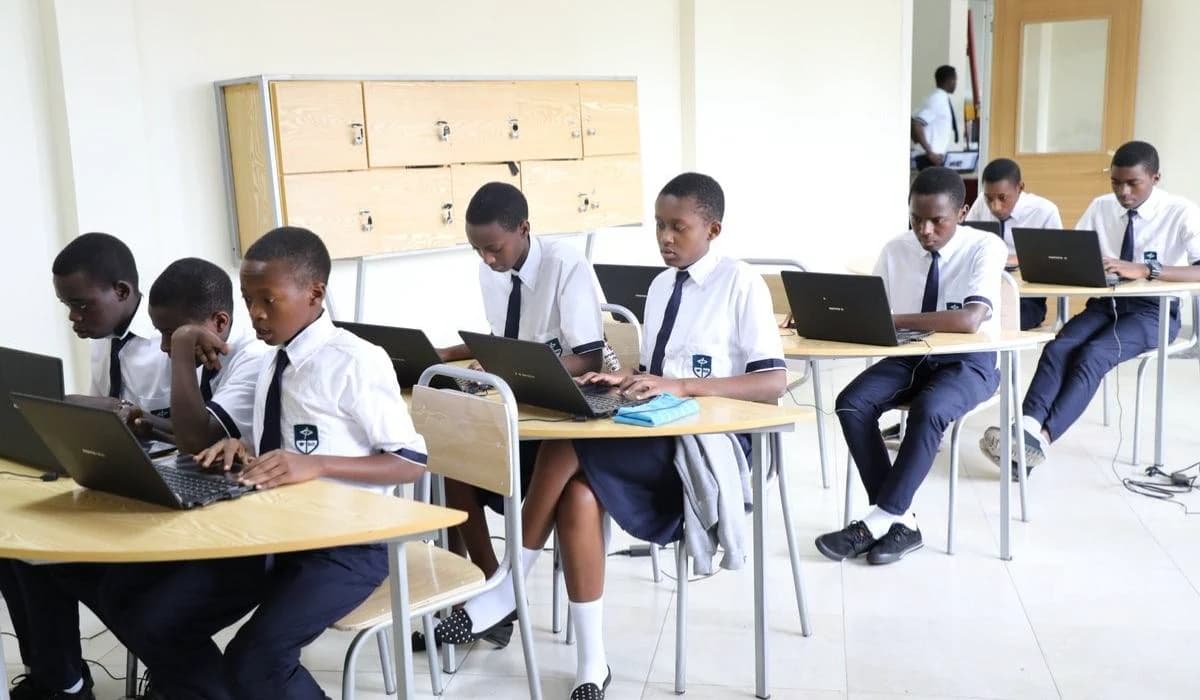
Education stakeholders have raised concerns that violence and other harmful practices targeting children undermine their right to education, exposing them to physical, psychological and social challenges that can interfere with their learning and future development.
They have called for stronger collaboration between schools, parents, religious institutions, community leaders and government agencies to identify children at risk and ensure timely intervention.
From an educational perspective, protecting children from gender-based violence is essential in creating safe and supportive learning environments. Children exposed to abuse may experience trauma, fear, stigma, absenteeism, poor concentration and, in some cases, permanent school dropout.
Stakeholders have therefore emphasised the need to strengthen child protection education, school-based guidance and counselling, community awareness programmes and referral systems to ensure that survivors receive appropriate support.
Church leaders have also urged parents and guardians to take a leading role in protecting children, stressing that safeguarding children’s rights should be a shared responsibility between families, schools, religious institutions and the wider community.
They called on parents to remain vigilant, particularly during school holidays when children may spend more time at home and in the community, and encouraged families to create safe environments where children can freely report abuse without fear of intimidation or punishment.
Adolescent pregnancies raise further concern
Separate statistics presented during a County Multisectoral Coordinating Committee (CMCC) meeting earlier this month revealed that 4,455 adolescent pregnancies had been documented through first antenatal care (ANC) visits in Kericho County.
The figures have further highlighted the need for sustained interventions targeting adolescent girls, including comprehensive reproductive health education, parental guidance, access to appropriate health services and stronger protection against sexual exploitation and abuse.
Education and child protection stakeholders say addressing adolescent pregnancies requires a coordinated approach that tackles the underlying vulnerabilities affecting girls while ensuring that pregnant and parenting learners are supported to continue with their education.
The 16 Days of Activism Against Gender-Based Violence is an annual international campaign established in 1991 to mobilise individuals, communities, governments and organisations to prevent and eliminate violence against women and girls.
The campaign runs from November 25, the International Day for the Elimination of Violence Against Women, to December 10, Human Rights Day.
As the campaign continues, stakeholders in Kericho are calling for stronger community participation, improved reporting mechanisms and sustained protection programmes to ensure that women and children can live, learn and thrive free from violence.

Reader Discussion (0)
Sign in to comment