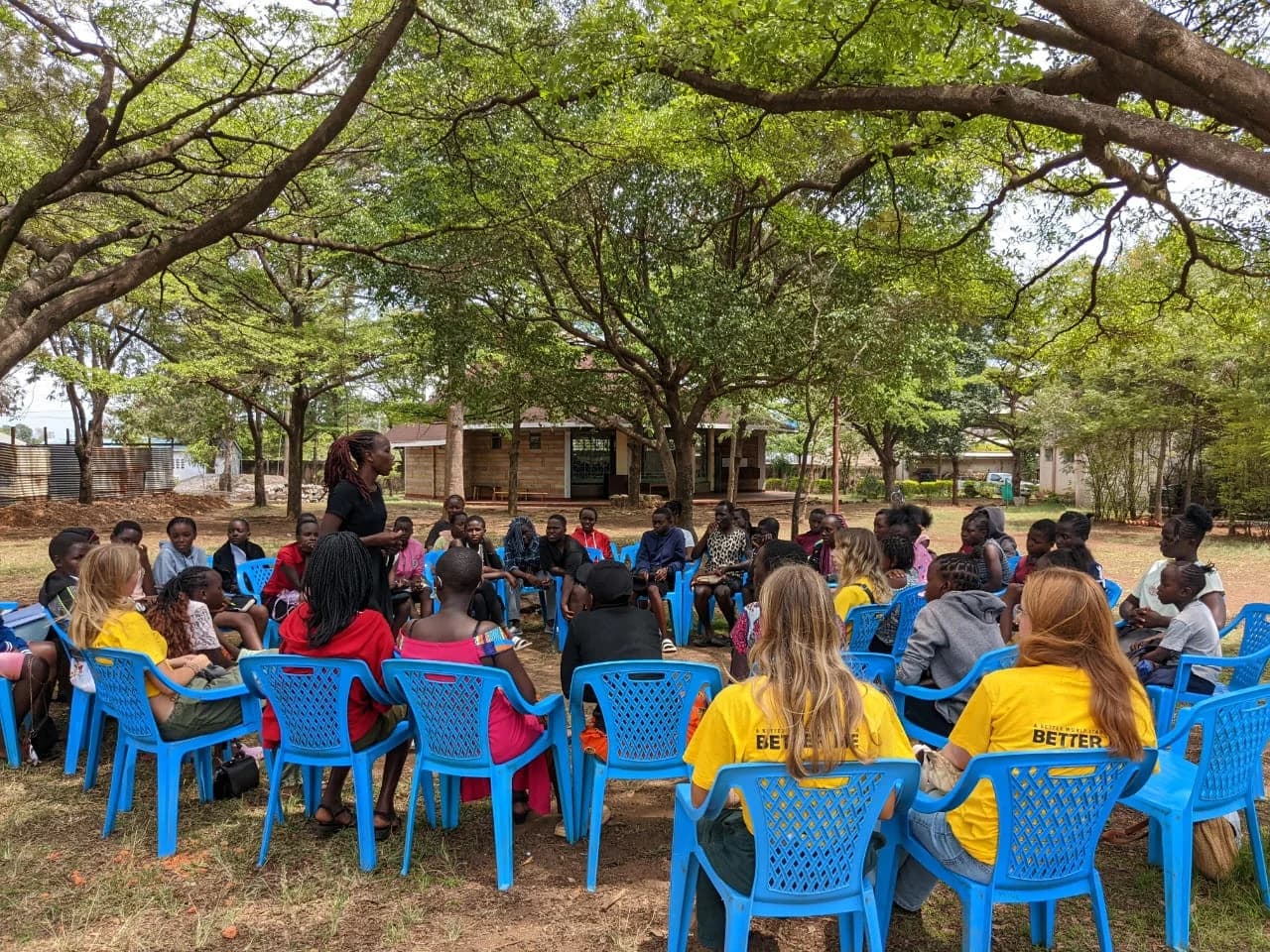
Kenya must confront an uncomfortable question: Who is guiding our children when childhood ends, parental supervision weakens, and religious influence begins to compete with reason, education and independent judgment?
For too long, society has treated the transition from childhood to adulthood as though young people suddenly become wise simply because they have grown taller, completed school or joined a church. This dangerous assumption leaves vulnerable youth exposed to manipulation, destructive peer pressure, financial exploitation and religious leaders who demand unquestioning obedience.
The question is not whether young people should attend church. It is whether churches, families and society are preparing them to distinguish genuine spiritual guidance from dangerous control.
Parental responsibility must extend beyond childhood
Parents cannot outsource their children's upbringing to pastors, prophets, youth leaders or religious organisations. Spiritual instruction may strengthen character, but it cannot replace parental attention, emotional support, practical education and responsible supervision.
Guidance must continue beyond childhood. Young adults approaching 21 may still need advice on relationships, finances, education, employment, sexuality, mental health and religious choices. Scientific research shows that brain systems involved in self-control, planning and decision-making continue developing through adolescence and into early adulthood. This does not mean every young person lacks judgment; it means supportive relationships and sound guidance remain valuable during the transition to independence.
However, parental guidance must not become lifelong domination. The objective is to raise independent, responsible adults, not obedient dependants who cannot question authority.
Second Timothy 3:16–17 teaches that Scripture is useful for teaching, correcting and training in righteousness, equipping believers for good works. Properly understood, this is a call to moral development, not a licence for religious leaders to control people's lives.
Children should learn biblical values alongside critical thinking, compassion, personal responsibility and respect for others. They should be encouraged to ask questions, examine teachings and understand the difference between spiritual leadership and personal manipulation.
Religious freedom must not shield exploitation
Dangerous religious groups exploit fear, isolation, exaggerated promises, unquestionable authority and threats of divine punishment. Some pressure followers to surrender money, abandon education, reject medical care or cut ties with concerned relatives. Such warning signs demand scrutiny, not blind loyalty.
Religious freedom must never become a shield for abuse. Equally, allegations must be investigated fairly, with evidence and due process, rather than used to condemn entire religious communities.
Kenya's Constitution of 2010 provides a clear foundation for protecting children and respecting individual liberty.
Article 53 guarantees children protection from abuse, neglect and violence, as well as parental care and protection. It also establishes that a child's best interests are of paramount importance. Article 32 protects freedom of conscience, religion, belief and opinion. Article 24 recognises that limitations on fundamental rights must satisfy strict constitutional requirements.
These provisions demand balance. Children require protection, but they are not property. Parents have responsibilities, but those responsibilities do not justify abuse. Churches may teach their faith, but religious authority does not place anyone above the law.
Nor should the language of protection be twisted into a justification for suppressing legitimate religious differences or peaceful dissent.
Young people need guidance without manipulation
Young people deserve increasing freedom as they mature, accompanied by education about consequences, consent, personal safety, financial responsibility and the rights of others.
The solution is not to imprison youth within parental or religious authority until age 21. Rather, parents should remain supportive and available, while allowing age-appropriate independence and respecting the legal rights of adults.
Schools should teach media literacy, critical thinking and personal safety. Churches should establish transparent safeguarding procedures, accountable leadership and accessible complaints mechanisms. Parents should maintain open communication without resorting to threats, humiliation or violence. Authorities must investigate credible allegations of exploitation and protect victims.
Kenya cannot preach morality on worship days and abandon its children afterwards. Neither can we blame every social problem on religion while ignoring parental neglect, unemployment, inadequate counselling and failures of public protection.
The real test of a church is not how many young people fill its pews, but whether they leave equipped to live responsibly, think independently, respect human dignity and recognise exploitation.
Our children need faith without fear, discipline without abuse, freedom without abandonment and guidance without manipulation.
If parents, churches and the State fail to provide these safeguards, dangerous influences will gladly fill the vacuum.
Protect the child. Educate the youth. Hold authority accountable. Let faith serve humanity and empower people to make informed choices, never enslave them.**
The writer is a history and language analyst.



Reader Discussion (0)
Sign in to comment