
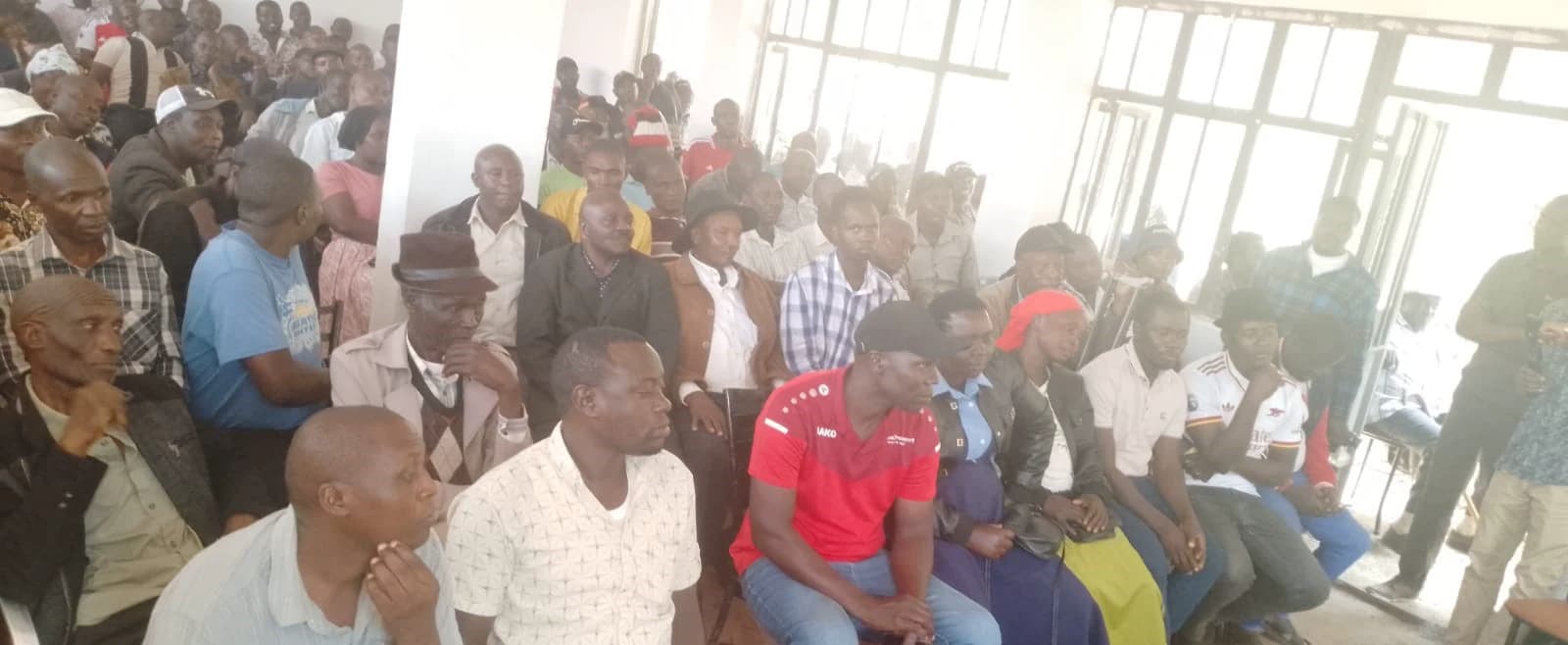







Residents of Getare village in Kiabonyoru Ward, Nyamira County, have been put on high alert over anticipated heavy rains and urged to strictly follow updates from the Kenya Meteorological Department.
"When the sky over the Gusii hills turns from blue to a heavy, pregnant grey, we know what is coming. The wind stops playing with the maize leaves, the birds go quiet, and then the rains that do not knock but break doors arrive. My people of Getare must be ready," said area Assistant Chief Erick Momanyi.
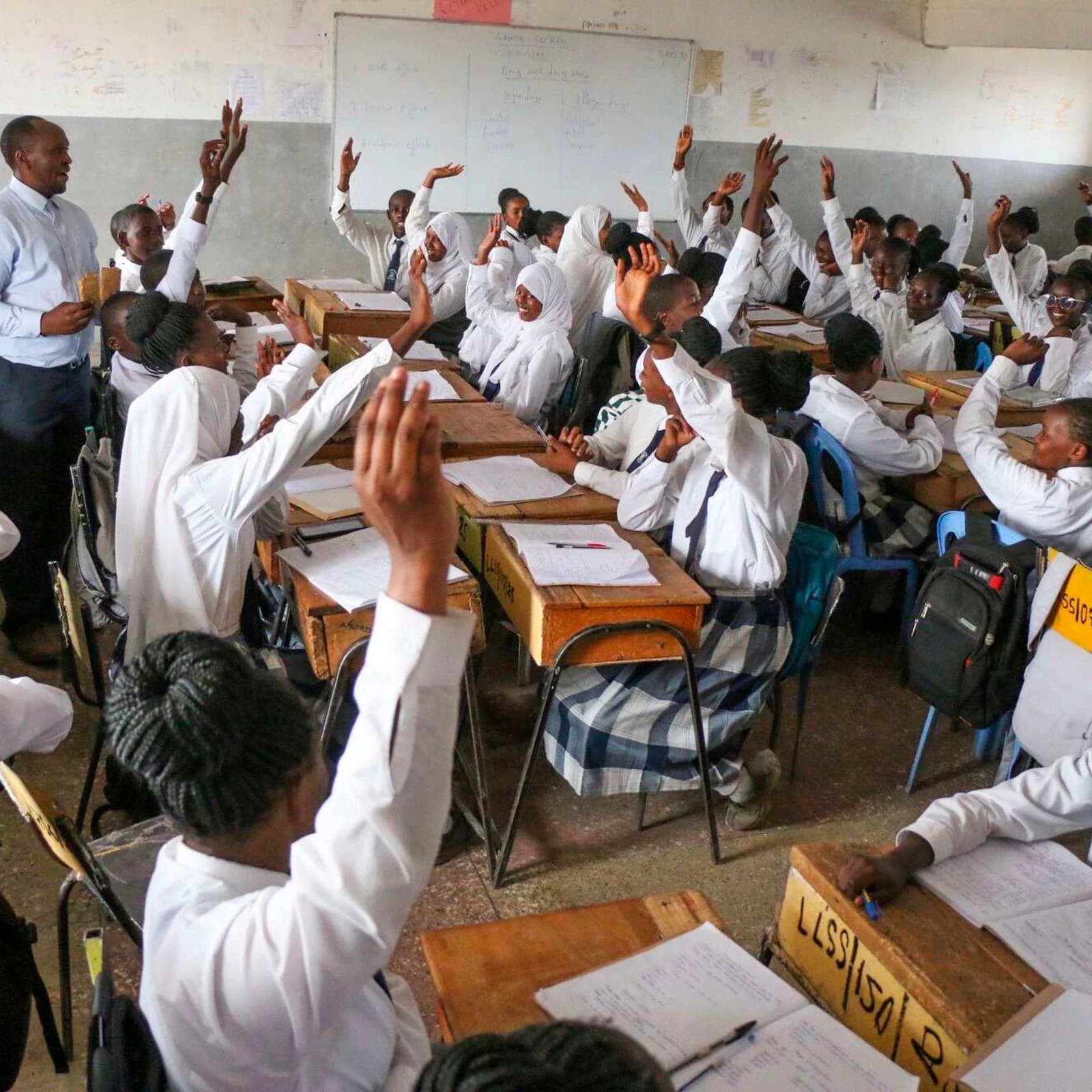
The Assistant Chief cautioned parents to be extra vigilant with their children, especially in the early mornings and evenings when they trek to and from school.
He warned that children are particularly vulnerable to being swept away by swollen streams and flash floods, while strong winds can also pose dangers during heavy rains.
"We have asked parents not to let children cross flooded streams alone. Walk them to school in the morning and be there to receive them in the evening. One moment of negligence can cost a life," Momanyi said.
Understanding El Niño and heavy rainfall
El Niño is a natural climate phenomenon caused by unusual warming of surface waters in the central and eastern equatorial Pacific Ocean. This warming can disrupt normal weather patterns across the world. In East Africa, some El Niño events are associated with above-average rainfall, although their effects vary depending on the season and location.
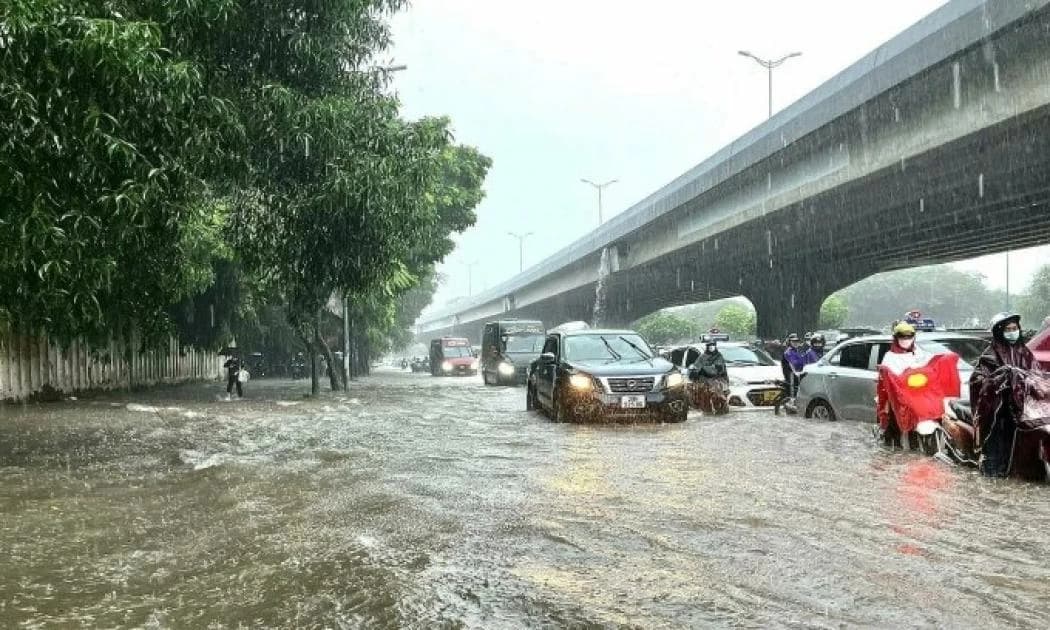
The effects of excessive rainfall are well known. Rivers can burst their banks, landslides can bury homes on steep slopes, roads can become impassable, and overflowing pit latrines can contaminate wells, increasing the risk of cholera and other waterborne diseases. Crops can also be washed away, while strong winds can bring down power lines.
Momanyi said the county government has already put in place a disaster management strategy to map out the most vulnerable zones.
"We have had a county disaster management strategy to earmark the most likely valleys and quarry excavation zones to avoid them in advance. We know where water settles in Getare, we know which footpaths turn into rivers," he said.
Residents urged to harvest rainwater
He told residents to turn the threat into an opportunity by harvesting rainwater and storing it in large tanks for domestic use when the rains stop.
"Let us harvest this water. Put gutters on your houses, direct it into tanks. When El Niño goes, the dry spell will come. That stored water will save you," he advised.
He issued a stern warning to quarry operators and young men who dig in the quarries around Kiabonyoru.
"The Chief asked quarry excavators to avoid digging at this time when the walls become wet and may sag and cover them. When the soil is soaked, a quarry wall can collapse in seconds and bury a man alive. No stone is worth your life. Stop the digging until the rains subside," he warned.
The administrator urged all residents to clear drainage channels around their homes, avoid sheltering under weak trees during storms and report any incidents to the local administration immediately.
He added that his office will continue to relay daily weather forecasts through village elders and Nyumba Kumi leaders.
"Listen to the weatherman. This is not the time for saying 'it will not happen to us'. El Niño does not choose a homestead, it chooses preparedness," Momanyi concluded.
Reader Discussion (0)
Sign in to comment