


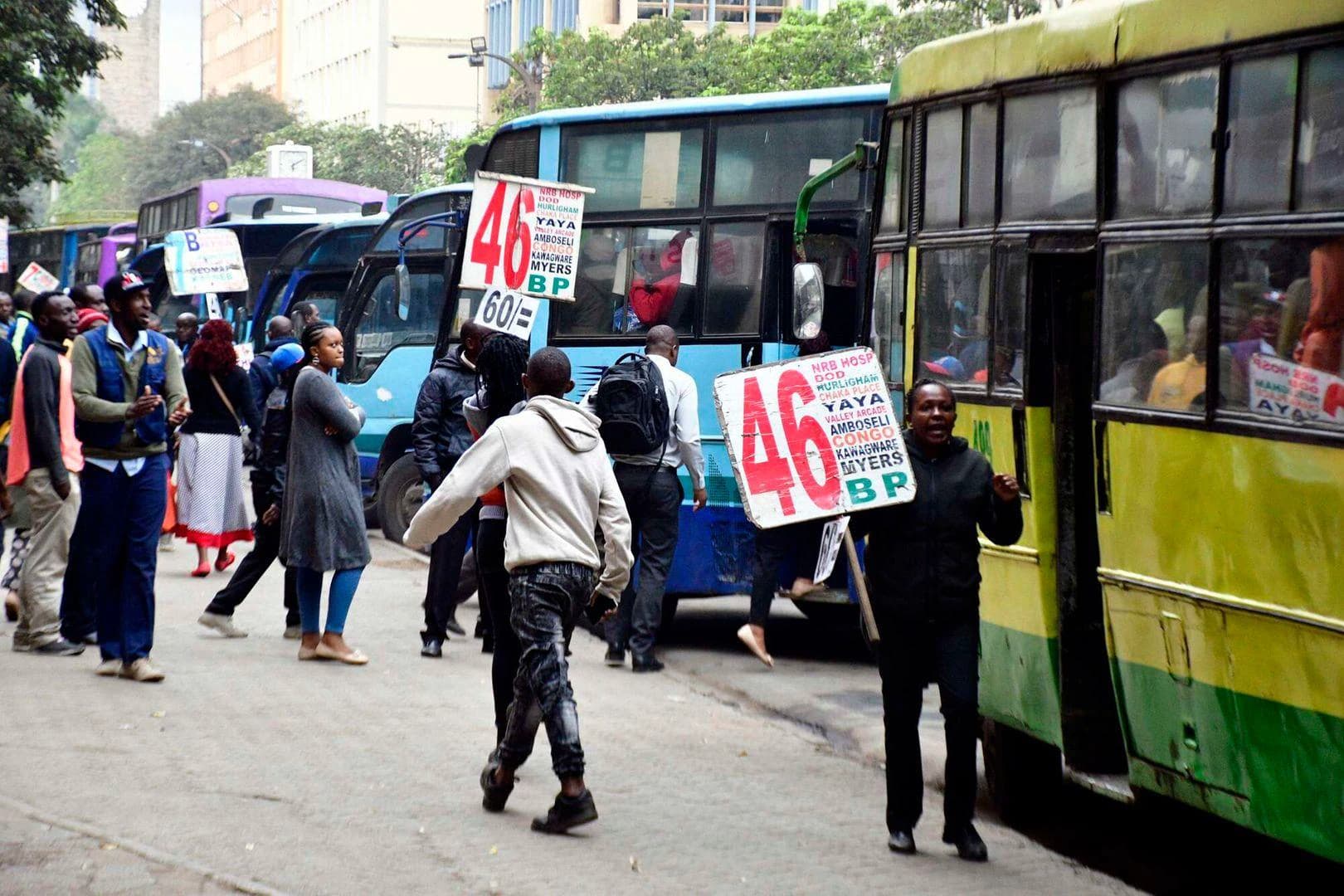





Kenyan commuters are facing higher transport costs after matatu operators raised fares by as much as 50 per cent, exceeding a 10 per cent increase recommended by their industry association following the latest rise in fuel prices.
The increases, reported on several routes on Friday, have left passengers paying significantly more for daily journeys, adding to the financial strain on households already struggling with the high cost of living.
On some routes, fares that previously stood at Sh100 have risen to Sh150, while passengers travelling to Westlands through Parklands were being charged Sh70, up from the usual Sh50.
The hikes have sparked frustration among commuters, many of whom rely on public transport to get to work, school and other essential services.
“I don’t believe I have been charged Sh150 to town. I feel so bad,” said passenger Lynnet Anyango, expressing her disappointment at the increased fares.
Fare increases exceed industry proposal
The increases come despite a directive by Matatu Owners Association boss Albert Karakacha, who asked Savings and Credit Cooperative Organisations (Saccos) to raise fares by 10 per cent in response to rising fuel costs.
Karakacha said the decision followed consultations within the industry, arguing that operators needed to adjust fares to remain profitable amid increasing operational expenses.
Under the proposed adjustment, a journey that previously cost Sh100 would rise to Sh110. However, some operators have introduced increases far beyond that level, raising questions about how the directive is being implemented.
For commuters making two journeys daily, an increase from Sh100 to Sh150 per trip would translate into an additional Sh100 in daily transport expenses. Over 22 working days, this would amount to Sh2,200 in extra monthly costs.
The additional expenditure could force households to cut spending on necessities such as food, rent, education and healthcare, particularly among low-income earners who spend a substantial portion of their earnings on transport.
Commuters question steep fare hikes
Passengers have also questioned why fares tend to rise quickly when fuel prices increase but rarely fall when pump prices decline.
“Why is it that whenever the prices drop you don't reduce the fare, but whenever it shoots, you hike very fast?” asked passenger Patrick Kimutai at Khoja bus station in Nairobi.
Another Nairobi resident, Moses Muthama, questioned the justification for imposing steep increases on individual passengers when fuel costs are incurred by operators.
“Is it that every passenger is paying more than the 10 per cent rise, or is it one passenger paying? Because the fuel increase is per litre, not per person,” he said.
Fuel price adjustments draw criticism
The dispute comes amid renewed criticism of the latest petroleum price adjustments announced by the Energy and Petroleum Regulatory Authority (EPRA), which took effect on October 15 and will remain in force until November 14, 2026.
On October 15, the Motorists Association of Kenya criticised the adjustments, citing differences between changes in the landed cost of petroleum products and the corresponding increases in pump prices.
The association said landed costs had risen by 11.81 per cent for petrol, 11.32 per cent for diesel and 9.41 per cent for kerosene. However, pump prices increased by 6.04 per cent for petrol, 4.55 per cent for diesel and 14.89 per cent for kerosene.
It questioned why kerosene, which recorded the smallest increase in landed cost, had experienced the largest rise at the pump.
With public transport operators facing higher fuel and other operating expenses, commuters are now bearing the immediate impact through increased fares.
The latest developments have renewed calls for greater consistency in fare adjustments and accountability among operators to ensure that increases reflect changes in operating costs rather than placing an excessive burden on passengers.
Reader Discussion (0)
Sign in to comment