









The public university lecturers' strike, now in its fourth week, is cutting into the incomes of traders, landlords, transport operators, casual workers and families who depend on the daily presence of students and staff around campuses.
The strike began on October 2, 2026, over the implementation of the 2025-2029 Collective Bargaining Agreement (CBA), which covers salaries and allowances. It has emptied lecture halls across public universities and, with students away, has reduced customer traffic for the businesses that serve them, many of which have no direct role in the dispute.
The effects extend well beyond delayed lectures and interrupted academic programmes. For small business owners who operate on daily earnings, fewer customers can mean mounting debts, unpaid bills, unsold stock and uncertainty over how to meet basic household expenses.
Small businesses around campuses
Around many university campuses, small enterprises have grown specifically to serve students and university staff. They include restaurants, food kiosks, barber shops, salons, cybercafes, printing businesses, stationery shops, grocery stores and laundry services, all of which rely on regular customer traffic.
Students provide a market for affordable meals, personal grooming, internet access, academic printing, accommodation and everyday household goods. When campuses go quiet, demand can fall suddenly. Food vendors may be left with perishable stock, printing shops may receive fewer assignments, and shopkeepers may struggle to sell goods bought with borrowed money.
Unlike large companies with financial reserves, many small businesses operate on daily cash flow. The money earned today often pays for tomorrow's stock, rent, electricity, workers' wages and household expenses. A prolonged interruption can therefore turn an ordinary business challenge into a struggle for survival, and the financial strain spreads to suppliers, property owners and workers who have no part in the industrial dispute.
Hostels, rent and landlords
The student accommodation sector is another casualty of prolonged academic disruption. In university towns and the surrounding estates, investors have built hostels, bedsitters and rental apartments to meet demand from students who want to live close to lecture halls and libraries.
For many property owners, rental income helps pay mortgages, bank loans, construction debts, security costs, water bills and maintenance. When students leave campus or do not return as expected, landlords can be left with vacant rooms and reduced income. Some may have to negotiate payment arrangements with lenders, delay maintenance or use personal savings to meet their obligations.
The effects also reach caretakers, cleaners, guards, plumbers, electricians and other workers who depend on rental properties for employment.
Students themselves are feeling the cost of the stalemate. At Jaramogi Oginga Odinga University of Science and Technology (JOOUST), students said on Thursday, October 22, that many of them continue to pay for accommodation and food even though academic programmes have stalled, and that the disruption could delay graduation for those nearing the end of their studies. They also raised concerns about final-year learners who must complete mandatory teaching practice before graduating.
Boda boda riders and transport operators
University communities generate steady demand for local transport. Students travel between hostels, lecture halls, shopping centres, markets, entertainment venues and transport terminals, and boda boda riders, taxi drivers, matatu operators and tuk-tuk drivers benefit from the daily movement.
When students leave or reduce their activity around campus, passenger numbers can fall. Riders and drivers then earn less even as fuel, repairs, insurance, loan repayments and other operating costs continue. Motorcycle owners who bought their machines on credit can find it harder to meet repayment deadlines when daily earnings drop, and the slowdown can also reach mechanics, spare-parts dealers, fuel stations and other businesses that depend on transport activity. For workers who rely on daily earnings rather than fixed salaries, an interruption in university activity can quickly affect their ability to provide for their families.
Suppliers and casual workers
The economic link between universities and their surroundings goes beyond direct sales to students. Campus restaurants buy vegetables, meat, flour, cooking oil and other supplies from farmers, market traders and wholesalers. Shops stock goods from distributors, and hostels employ cleaners, security guards and maintenance workers.
When customer demand declines, business owners can reduce their orders, delay payments to suppliers or cut workers' hours. Farmers and traders who supply campus restaurants may find fewer buyers, casual workers may lose shifts, and small distributors may see slower sales. The difficulties of one business can spread to others in a chain, affecting people who may never have entered a lecture hall but whose incomes depend indirectly on university activity.
Households and smaller towns
The pressure reaches households that depend on campus incomes. Families in this position may respond by borrowing from friends, taking digital loans, using savings or postponing essential payments, while others may cut spending on food, healthcare and education. For households living on narrow margins, even a short period without income can cause difficulties that persist after normal university activity resumes.
Some shopping centres and residential estates have developed largely because universities attract students, lecturers, researchers and other employees. The resulting demand has encouraged investment in housing, restaurants, retail outlets, entertainment and transport services. In smaller towns where a university is among the main sources of commercial activity, a long period of reduced student spending can affect jobs, household incomes and the local economy, and businesses that have invested their savings in services designed around student demand are particularly exposed.
Where the dispute stands
The dispute has not been resolved. Education Cabinet Secretary Julius Ogamba has said the government is working on an improved offer after the unions rejected an initial Sh9.7 billion proposal for the 2025-2029 CBA. He said the talks had taken longer than expected because the Ministry of Education had to consult the Salaries and Remuneration Commission (SRC) and the National Treasury before making a financially sustainable offer, and that the government was weighing the unions' demands against affordability, comparability with pay elsewhere in the public sector and long-term sustainability. He declined to predict when the strike would end, and said a court had declared the strike unprotected following proceedings initiated by the employers.
Ogamba has urged lecturers to return to the classroom while talks continue, warning that a prolonged strike will force universities to reorganise their academic calendars to recover lost time. He appealed to the unions to engage constructively, saying students should not bear the cost of the pay dispute. The unions, he said, want the proposed salaries and allowances funded directly through the National Treasury rather than leaving individual universities to carry the cost.
Members of the National Assembly's Public Accounts Committee have also pressed the Ministry of Education over recurring labour disputes and the use of acting vice-chancellors in public universities, urging a more durable framework to prevent frequent shutdowns of lecture halls. Principal Secretary for Higher Education and Research Beatrice Inyangala told the committee that some of the unions' grievances were under discussion with the Public Service Commission and that the government was negotiating with all stakeholders, including the unions.
The Ministry of Labour and Social Protection has summoned union leaders and university employers to a conciliation meeting on Monday, October 26, 2026, at 11am at the NSSF Building in Nairobi. Those invited include officials of the Universities Academic Staff Union (UASU), the Kenya Universities Staff Union (KUSU) and the Kenya Union of Domestic, Hotels, Educational Institutions, Hospitals and Allied Workers (KUDHEIHA), alongside representatives of the Inter-Public Universities Councils Consultative Forum (IPUCCF). The talks are to review proposals and counterproposals on the outstanding terms of the 2025-2029 agreements.
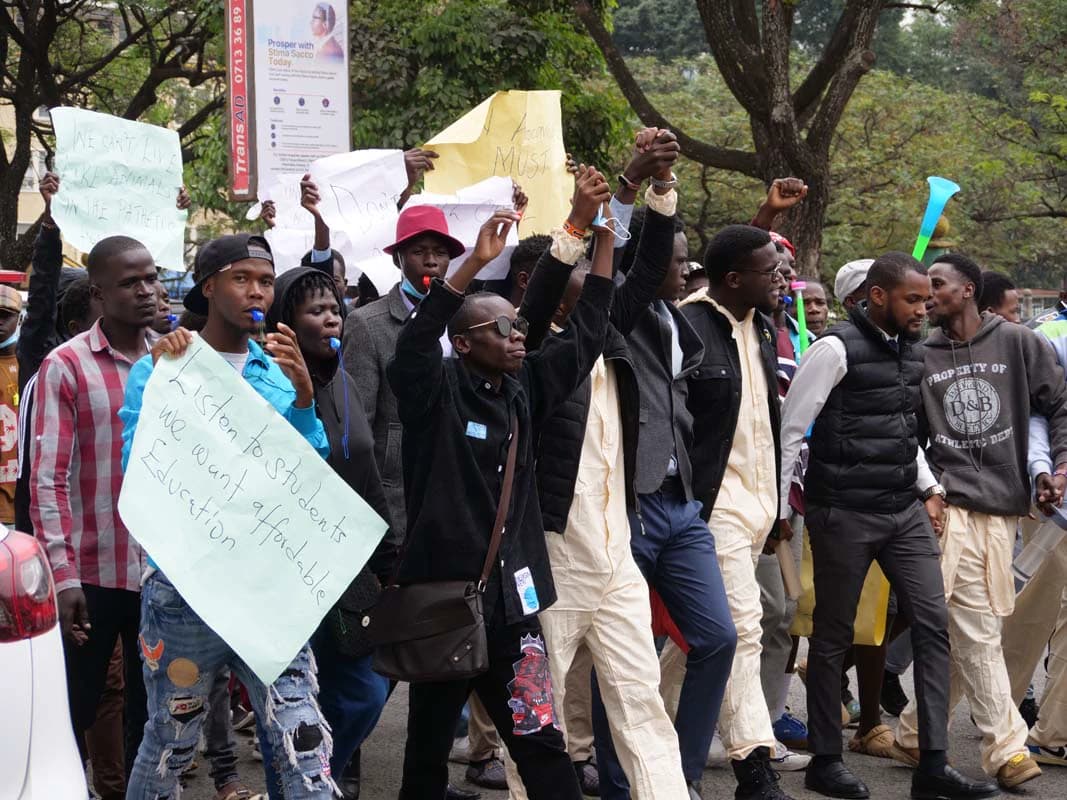
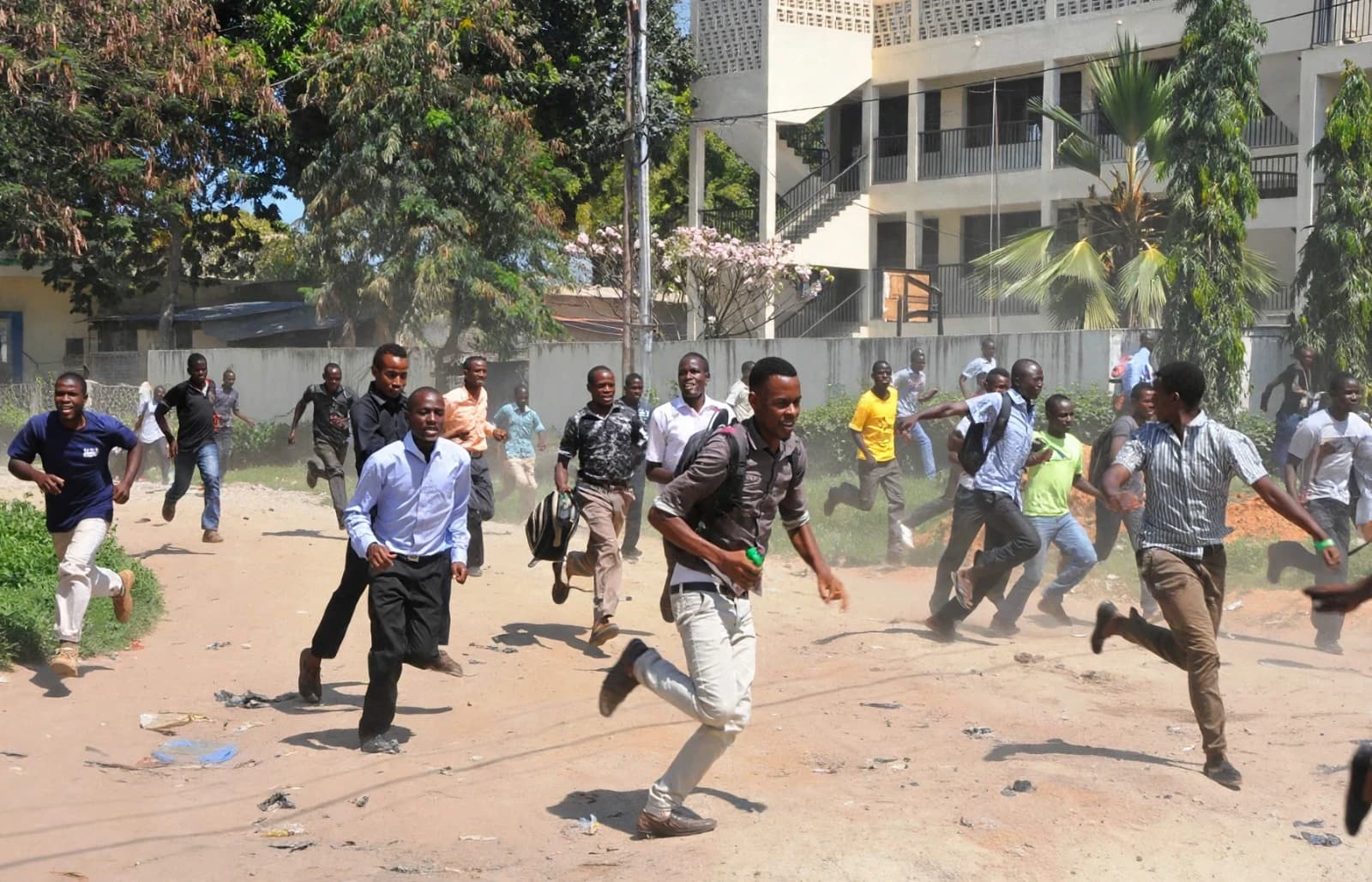
Student protests have also followed the strike. Students of the University of Nairobi (UoN) staged demonstrations on Wednesday, October 21, in solidarity with lecturers, barricading roads, lighting bonfires and burning tyres in parts of Nairobi's Central Business District. At JOOUST, students have given the government 48 hours to address the unions' concerns or they will join the strike.

Reader Discussion (0)
Sign in to comment