






- More than 3.6 million candidates will sit national examinations and assessments beginning later this month.
- KNEC will deploy 342,005 contracted professionals to oversee administration of the examinations across the country.
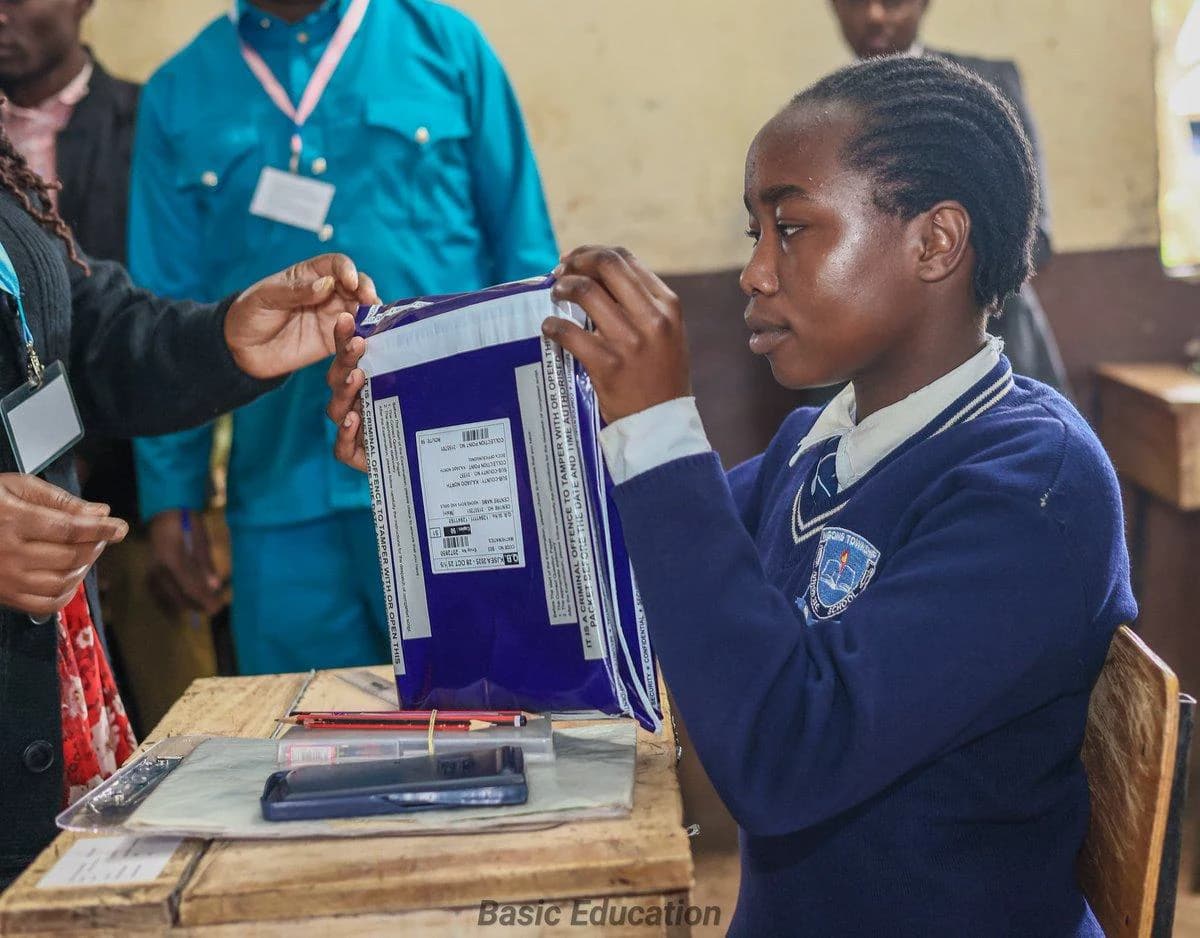
- The council has strengthened security measures to safeguard examination integrity and curb technology-assisted malpractice.
The Kenya National Examinations Council (KNEC) will deploy 342,005 contracted professionals to oversee this year’s national examinations and assessments involving more than 3.6 million candidates.
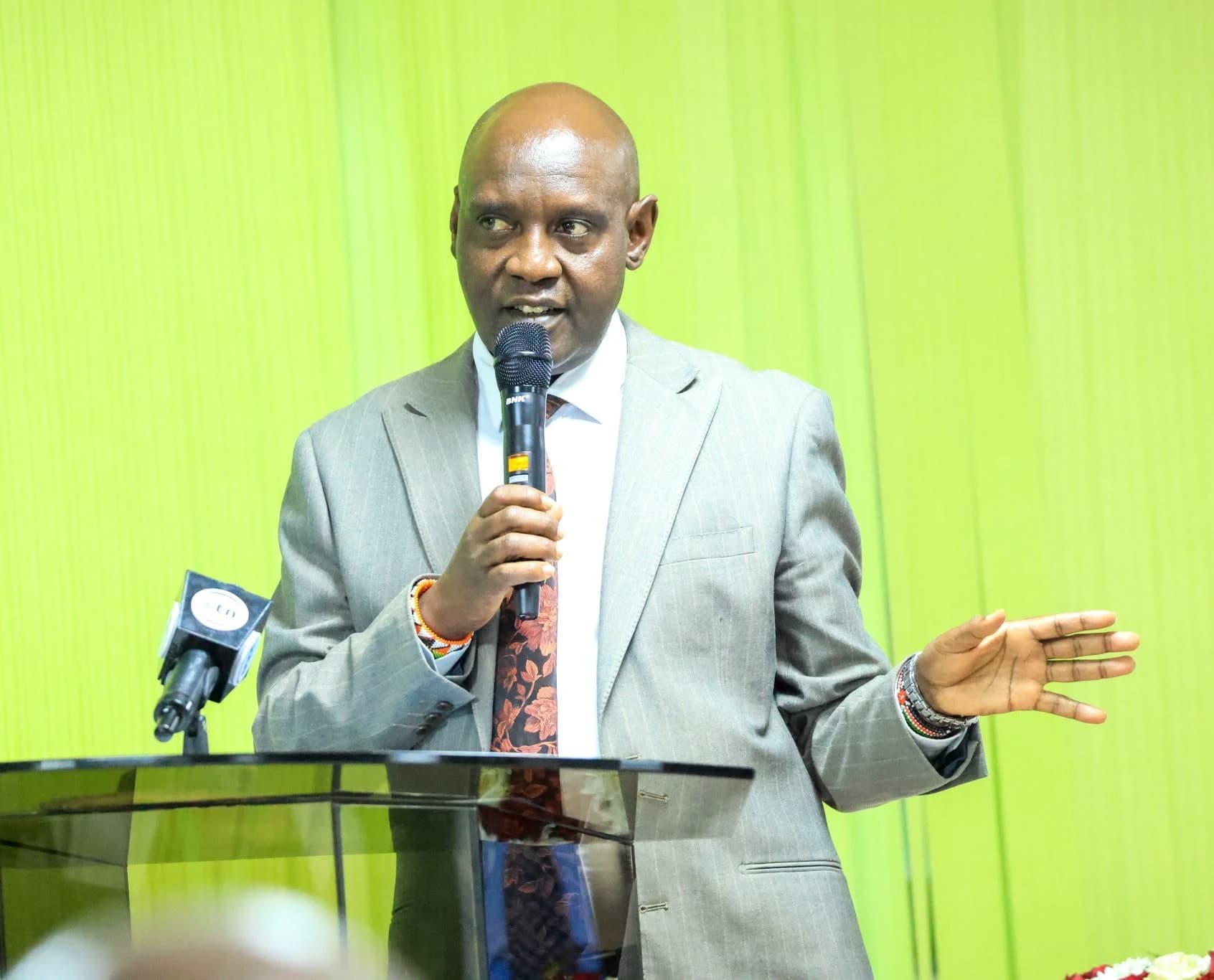
KNEC Chief Executive Officer Dr David Njengere said on Monday, October 5, that 3,634,846 candidates have been registered for the various national examinations and assessments scheduled between October 16 and November 20, 2026.
The examinations body said integrity, accountability and professionalism will be critical to ensuring a smooth, secure and credible examination season.
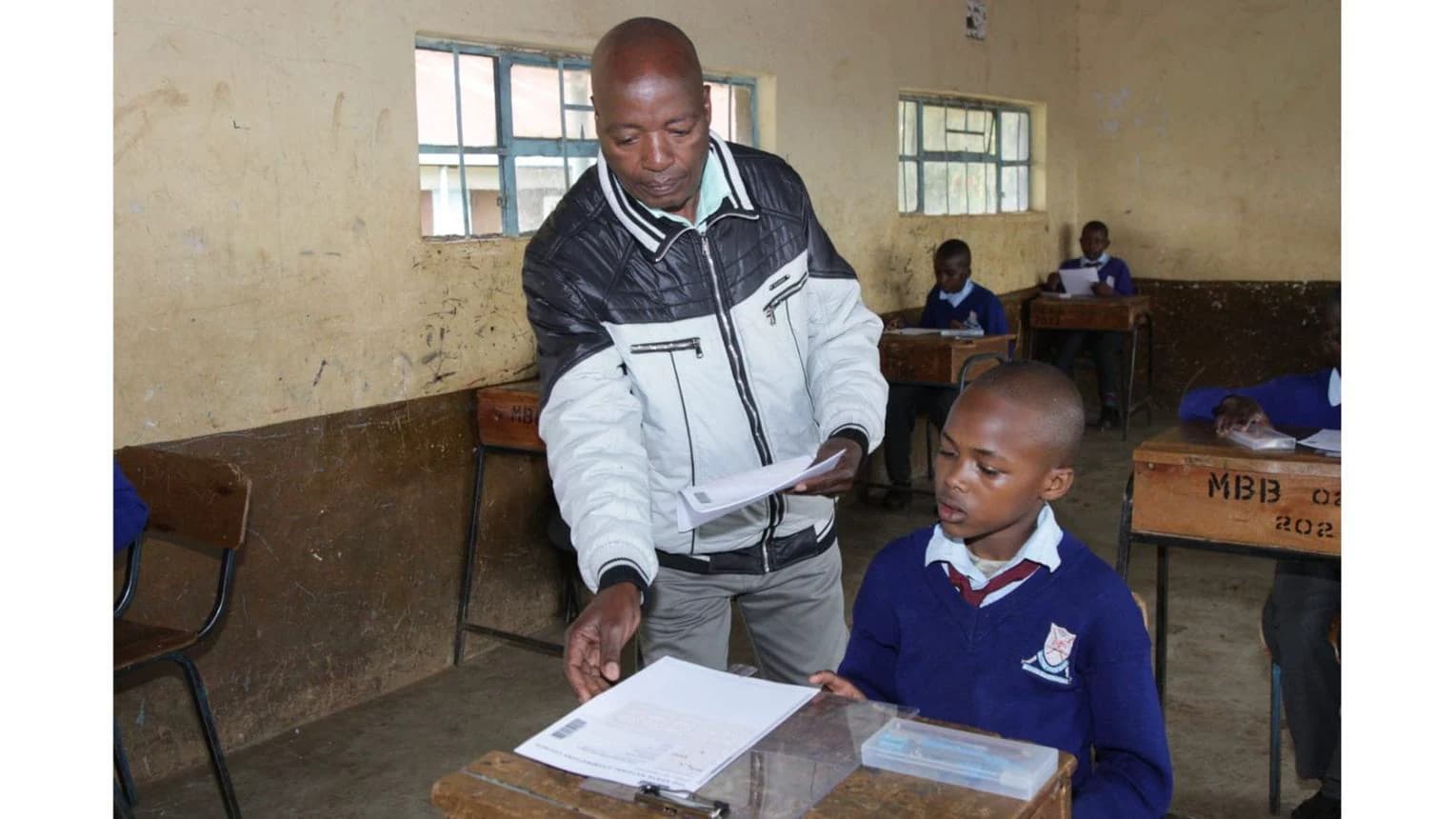
The contracted professionals will be involved in the administration and management of examinations and assessments across the country.
They include centre managers, supervisors, invigilators, security officers and drivers deployed at various stages of the exercise.
The examination season will begin with Kenya Certificate of Secondary Education (KCSE) rehearsals on Friday, October 16.
KCSE papers with low candidature will be administered from October 19 to October 30, while papers with large candidature will run from November 2 to November 20.
The Kenya Primary School Education Assessment (KPSEA) and Kenya Junior School Education Assessment (KJSEA) will be administered from October 26.
Tougher security measures
According to KNEC, this year’s exercise will be conducted under enhanced security arrangements designed to prevent early exposure of examination materials and other forms of malpractice.
Among the measures is the rollout of smart padlocks to examination storage containers across the country after the technology was piloted in 250 containers last year.
The locks will be monitored centrally from KNEC headquarters, with examination officials only allowed to access the containers at designated times.
KPSEA and KJSEA examination materials will be accessed at 6am, while KCSE centre managers will collect examination papers at 7am and 12.30pm for the morning and afternoon sessions respectively.
KNEC has also identified mobile phones as one of the major threats to examination integrity.
Njengere said candidates and examination officials will not be allowed to have mobile phones at examination centres during examination sessions, with violations treated as examination malpractice.
For KCSE alone, KNEC is expected to deploy 10,765 centre managers, 12,274 supervisors, 57,432 invigilators and 21,388 security officers.
At least two police officers will be deployed to each KCSE examination centre.
Personalised examination papers
KNEC has further strengthened measures introduced in recent examination cycles, including personalisation of question papers with candidates’ details.
Examiners will, however, receive anonymised scripts, with candidates’ identifying details removed before marking.
Morning and afternoon KCSE papers will also be packed in separately marked cartons to minimise mix-ups and prevent unauthorised access.
The 3,634,846 candidates registered this year represent a 6.13 per cent increase from the 3,424,836 candidates registered for the national examination and assessment season in 2025.
KNEC Chairperson Prof Julius Nyabundi has urged candidates, parents and examination officials to protect the integrity of the exercise, warning that examination malpractice undermines confidence in the education system.
The council will also operate a 24-hour call centre during the examination period to enable candidates, examination officials and members of the public to report incidents and seek assistance.
The 2026 exercise comes as Kenya continues implementing assessments under Competency-Based Education, with KPSEA assessing learners completing primary school and KJSEA playing a key role in the transition from Junior to Senior School.
By Joseph Mambili


Reader Discussion (0)
Sign in to comment