Kiambu National Polytechnic (KINAP) is strengthening its collaboration with industry players to equip trainees with practical skills, improve graduate employability and bridge the gap between classroom training and the demands of the labour market.
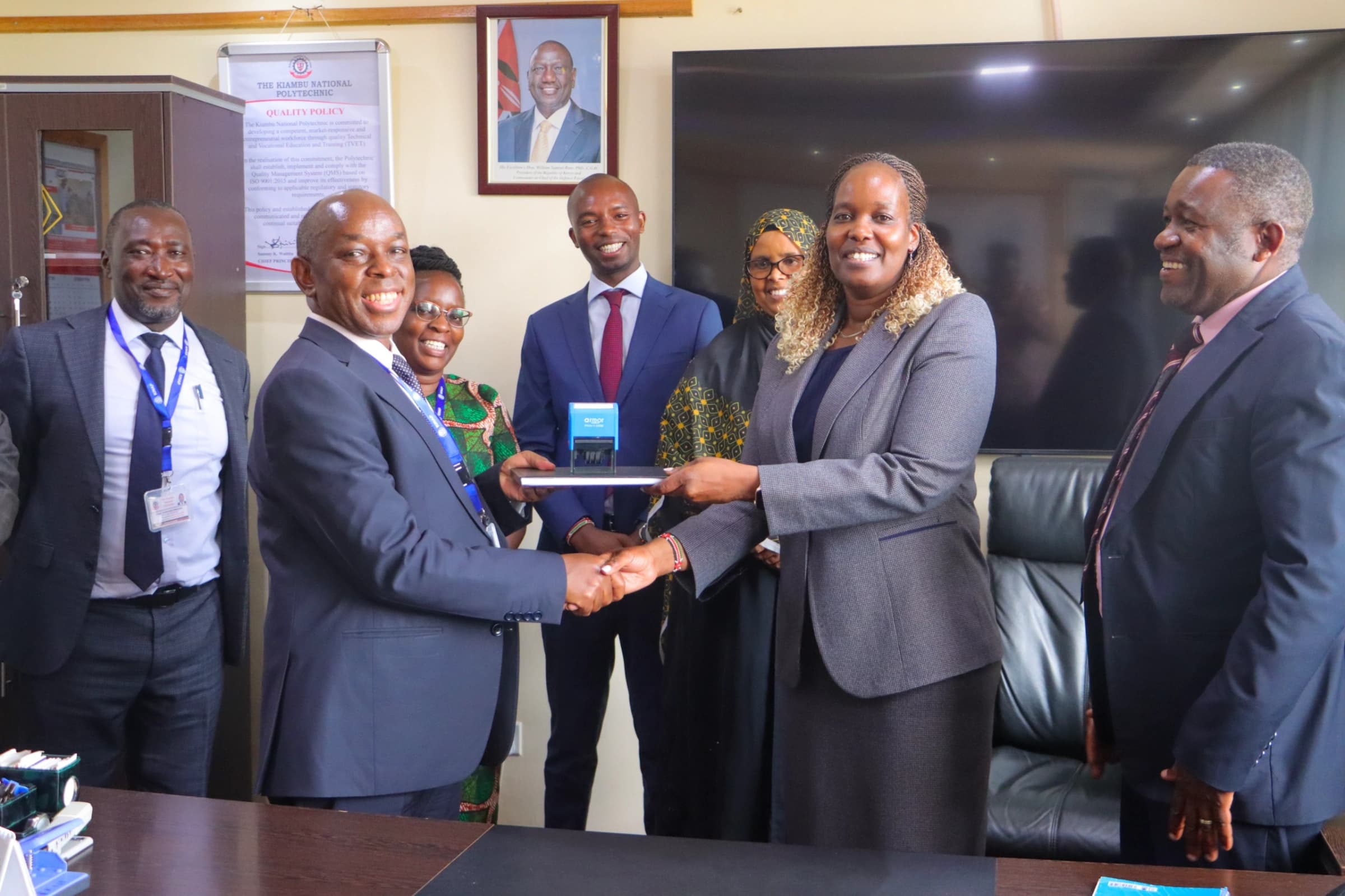
The institution is spearheading an industry-academia partnership between the State Department for Technical, Vocational Education and Training (TVET) and retail chain Naivas Limited, an initiative designed to align technical training with workplace requirements and expand employment opportunities for young people.
Under the programme, trainees are expected to benefit from industry-oriented training, dual training arrangements, upskilling and reskilling opportunities, as well as pathways into employment.The initiative is guided by the principle of training “from the industry, with the industry and for the industry” an approach that places employers at the centre of skills development to ensure graduates acquire competencies that match actual workplace needs.(Education News Kenya — https://educationnews.co.ke/news/kiambu-national-poly-deepens-industry-ties-to-boost-graduate-employment)
KINAP says the partnership has already facilitated employment for approximately 340 TVET graduates nationally, demonstrating the potential of closer collaboration between training institutions and employers in addressing youth unemployment.
As the pioneer institution in the initiative, KINAP is positioning itself as a model for practical, employment-focused training, with the expansion of the programme to other national polytechnics expected to widen opportunities for trainees across the country.
The partnership comes amid growing calls for technical and vocational institutions to produce graduates who are not only academically qualified but also possess the practical experience and occupational skills required by employers.By involving industry in the training process, TVET institutions can better identify skills gaps, adapt their programmes to changing business needs and give trainees greater exposure to real working environments before they complete their studies.
For young people entering an increasingly competitive job market, such arrangements can provide a critical link between acquiring qualifications and securing employment. They can also help employers access a pool of workers whose training is more closely aligned with operational requirements.
KINAP’s industry-focused approach is part of a broader effort to strengthen the relevance of technical education and promote a skills-based pathway to economic participation.
The institution says it remains committed to delivering quality training that combines technical knowledge, practical competencies and workplace exposure to prepare learners for employment and entrepreneurship.
Meanwhile, the institution’s leadership is seeking to strengthen engagement with students as part of efforts to promote open communication, responsible student representation and a supportive learning environment.
Chief Principal Lucy Mukiri Anampiu, HSC, recently held a meet-and-greet session with leaders of the Kiambu National Polytechnic Students’ Association (KINAPSA), providing a platform for interaction and the exchange of ideas between management and student representatives.
The engagement offered student leaders an opportunity to interact directly with the principal and discuss issues relating to student leadership, institutional cooperation and the learning environment.
The meeting underscored the importance of maintaining communication channels between college management and student representatives, who play a key role in articulating learners’ concerns and contributing to institutional development.Regular engagement between administrators and student leaders can help identify emerging challenges, strengthen mutual understanding and encourage students to participate constructively in decisions affecting their academic and campus experiences.
The institution said the meeting reaffirmed its commitment to student leadership, dialogue and collaboration, with the aim of fostering an environment in which trainees can pursue their studies while developing leadership and interpersonal skills.
The two initiatives reflect KINAP’s dual focus on preparing trainees for the workplace and strengthening the institutional environment in which they learn.
While industry partnerships are intended to improve the transition from training to employment, engagement with student leaders provides an avenue for ensuring that learners’ perspectives remain part of institutional conversations.














Reader Discussion (0)
Sign in to comment