



Kenya's combined candidature for three major national assessments has reportedly risen to 3,634,846 in 2026, up from 3,424,836 in 2025. That is an increase of 210,010 candidates, or about 6.1 per cent.
The figures cover the Kenya Primary School Education Assessment (KPSEA), the Kenya Junior School Education Assessment (KJSEA) and the Kenya Certificate of Secondary Education (KCSE). Beyond the numbers, the real test is whether every learner completing an education cycle can secure a place at the next level and keep learning without being shut out by poverty, inadequate facilities, disability or other avoidable barriers.
What the 2026 figures show
The reported candidature is 1,380,463 for KPSEA, 1,206,028 for KJSEA and 1,048,355 for KCSE, giving the combined total of 3,634,846. KPSEA and KJSEA together account for more than 2.58 million registrations.
These are registrations and not the number of candidates who will actually sit the papers. The 6.1 per cent rise also describes growth in the combined candidature of the three assessments and does not, on its own, show that the school population has grown by the same percentage.
Why the numbers are rising
One reason is the shift from the 8-4-4 system to Competency-Based Education (CBE). Under the old system, the Kenya Certificate of Primary Education (KCPE) and KCSE were the main national examinations. The current framework has KPSEA at Grade 6, KJSEA at Grade 9 and KCSE at the end of secondary school, so figures based only on KCPE and KCSE cannot be compared directly with today's three-assessment total.
Population growth is another factor. As more children reach school age and move through the system, more become eligible for national assessments, and this effect builds up over several years. Free primary education, subsidised secondary education and the expansion of learning institutions have also widened participation, although access and retention challenges remain in some communities. Establishing how much each factor contributes would require reliable data on school-age cohorts, enrolment, dropout rates and transitions between levels.
Retention and tracking learners
Retention matters as much as enrolment, because the number of children who start school is not always the number who finish a cycle. Some learners leave early or are interrupted by poverty, family responsibilities, pregnancy, disability-related barriers or insecurity.
Achieving a 100 per cent transition would therefore require authorities to know how many learners complete each cycle, where they are expected to go next and what may stop them from reporting. Headteachers and principals should keep accurate records and follow up on learners who miss placements, and a placement letter alone should not be taken as proof that a learner has joined an institution. The Ministry of Education, the analysis suggests, should publish regular transition reports showing how many learners completed each cycle, were placed, reported and remain unresolved, with gaps identified by county and children's data protected.
Affordability and places
Some learners fail to report to their allocated schools because their families cannot afford uniforms, transport, meals or accommodation. Ensuring that approved funding reaches schools on time and linking vulnerable learners to bursaries, scholarships and social protection programmes would help, with county governments, constituency bursary committees and charities complementing national support.
Transition targets also depend on enough places at the next level. The Ministry should use enrolment projections to plan classrooms, laboratories, workshops and teacher deployment, and Grade 9 learners need senior-school placements that reflect their interests, competencies and pathway choices. Learners who struggle academically, girls and boys facing different barriers, and those with disabilities all need counselling, remedial support and accessible facilities so that their circumstances are not treated as exceptions.
Investment must keep pace
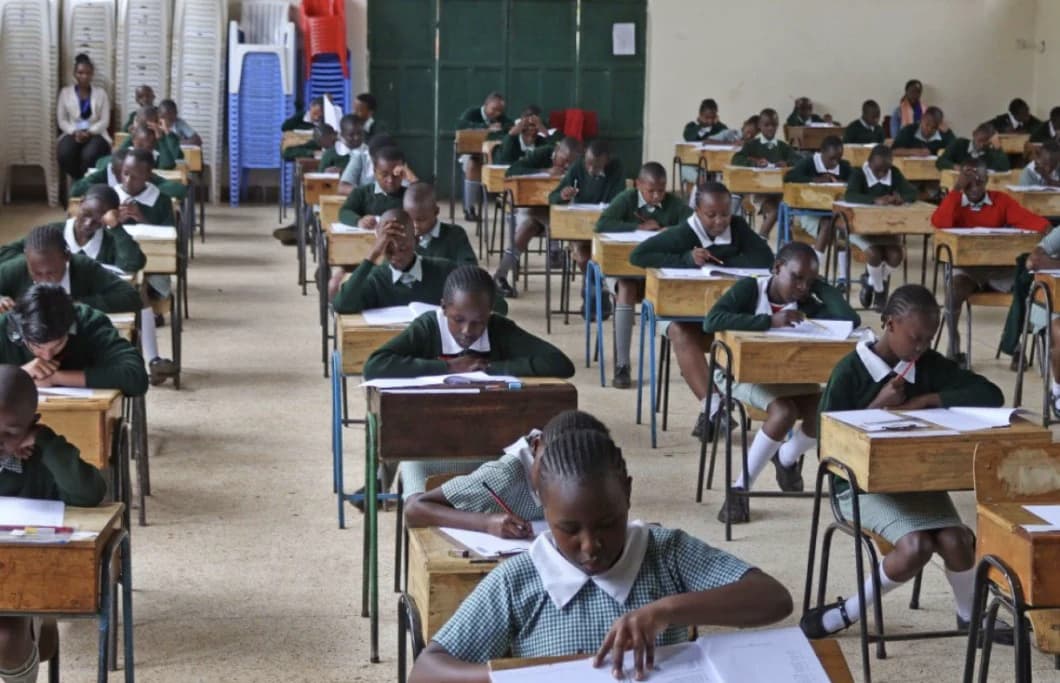
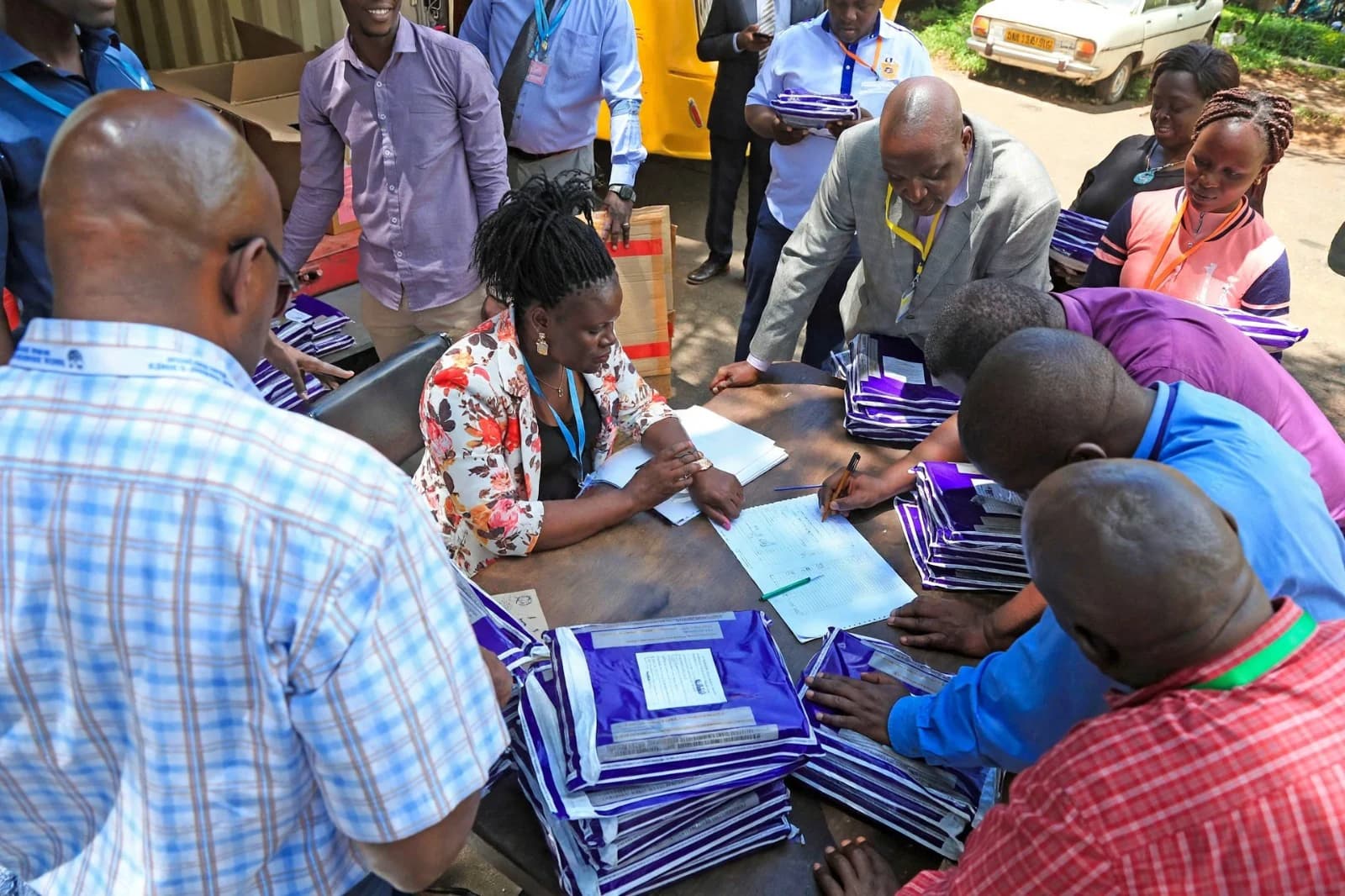
Larger candidature also strains examination administration. The Kenya National Examinations Council (KNEC) has to coordinate materials, centres, personnel, security, marking and results for millions of candidates, while schools need enough teachers, classrooms, textbooks and sanitation facilities. If resources do not keep pace with enrolment, quality may suffer even as access expands.
The headline figures alone cannot show whether learning outcomes are improving, whether resources are sufficient or which factors explain the increase. A reliable ten-year comparison would need consistent annual statistics that separate registered candidates from those who actually sat the papers.
The goal, the analysis concludes, is to turn rising candidature into universal opportunity, with every learner moving to the next appropriate level regardless of family income, disability, academic performance or social circumstances.



Reader Discussion (0)
Sign in to comment