







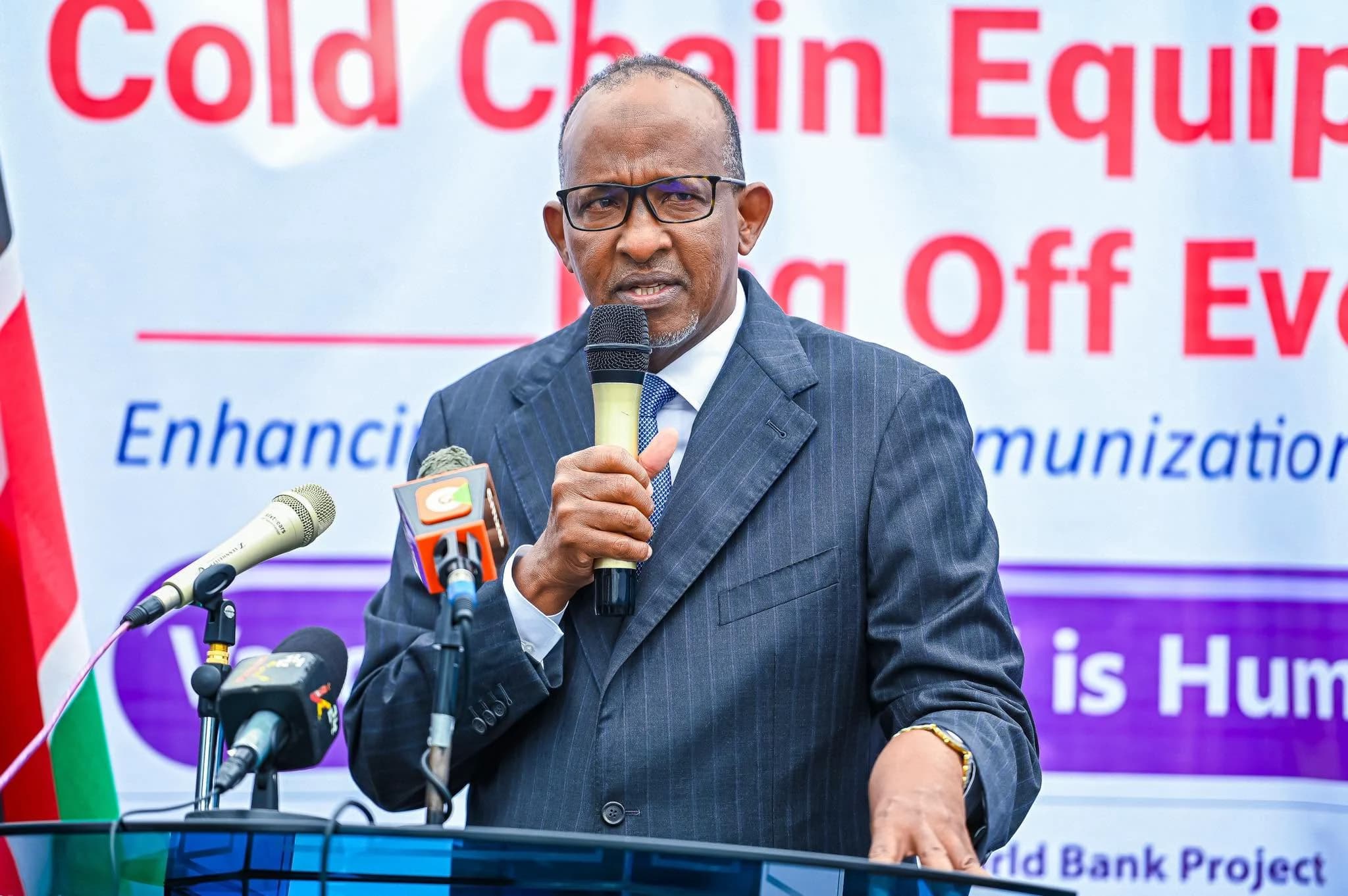
Kenya has confirmed its first case of Ebola Virus Disease, with Health Cabinet Secretary Aden Duale announcing that the infected patient has died as health authorities intensify surveillance and contact tracing to prevent further transmission.
The patient, a Kenyan citizen who had been living in the Democratic Republic of Congo (DRC), arrived in Nairobi on Saturday after travelling through Uganda. Health authorities subsequently confirmed that he was infected with the Bundibugyo strain of Ebola.
Duale said 28 people who had contact with the patient have so far been identified and placed under monitoring, including members of his family and healthcare workers who attended to him.
The confirmation marks the first recorded Ebola case in Kenya and comes amid a major outbreak of the disease in the DRC. The outbreak involves the relatively rare Bundibugyo species and has raised regional health concerns because of extensive movement of people across East African borders.
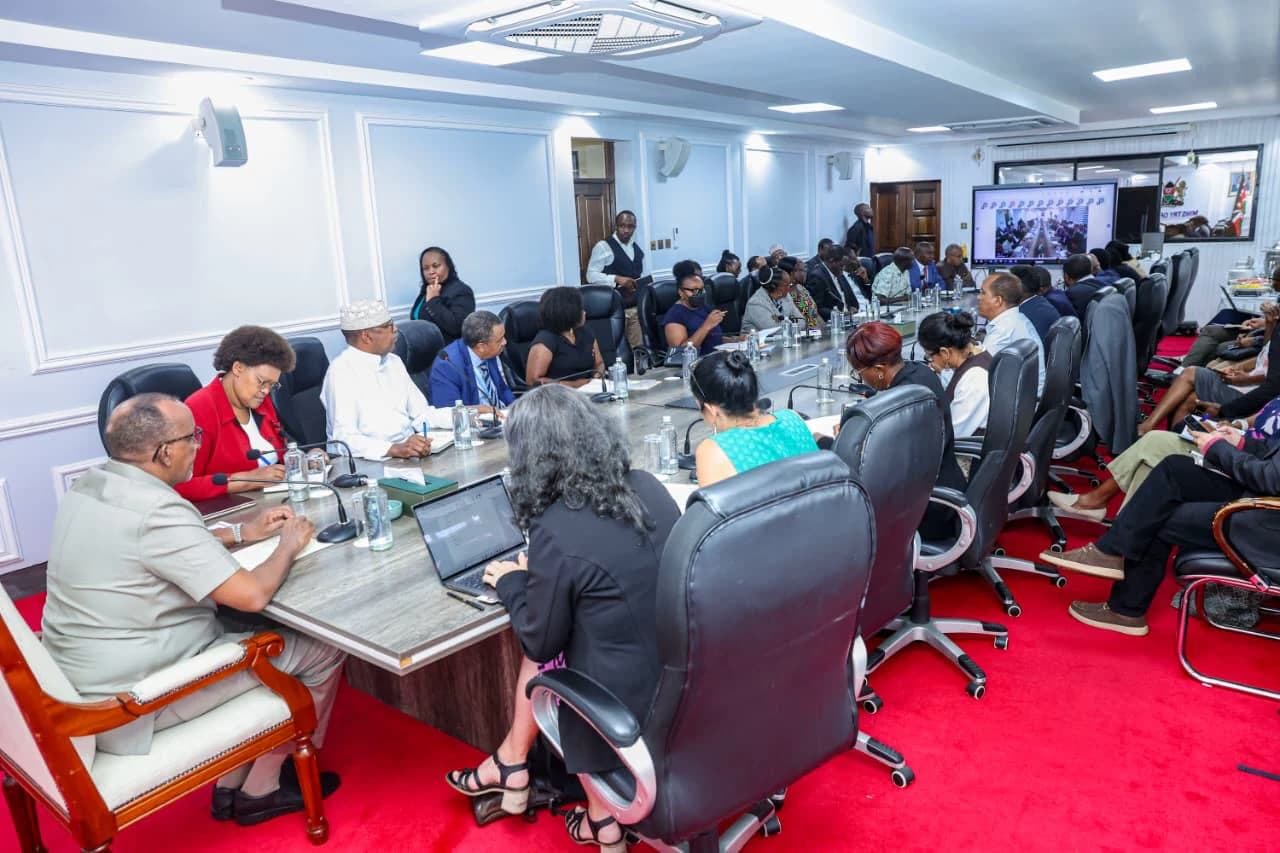
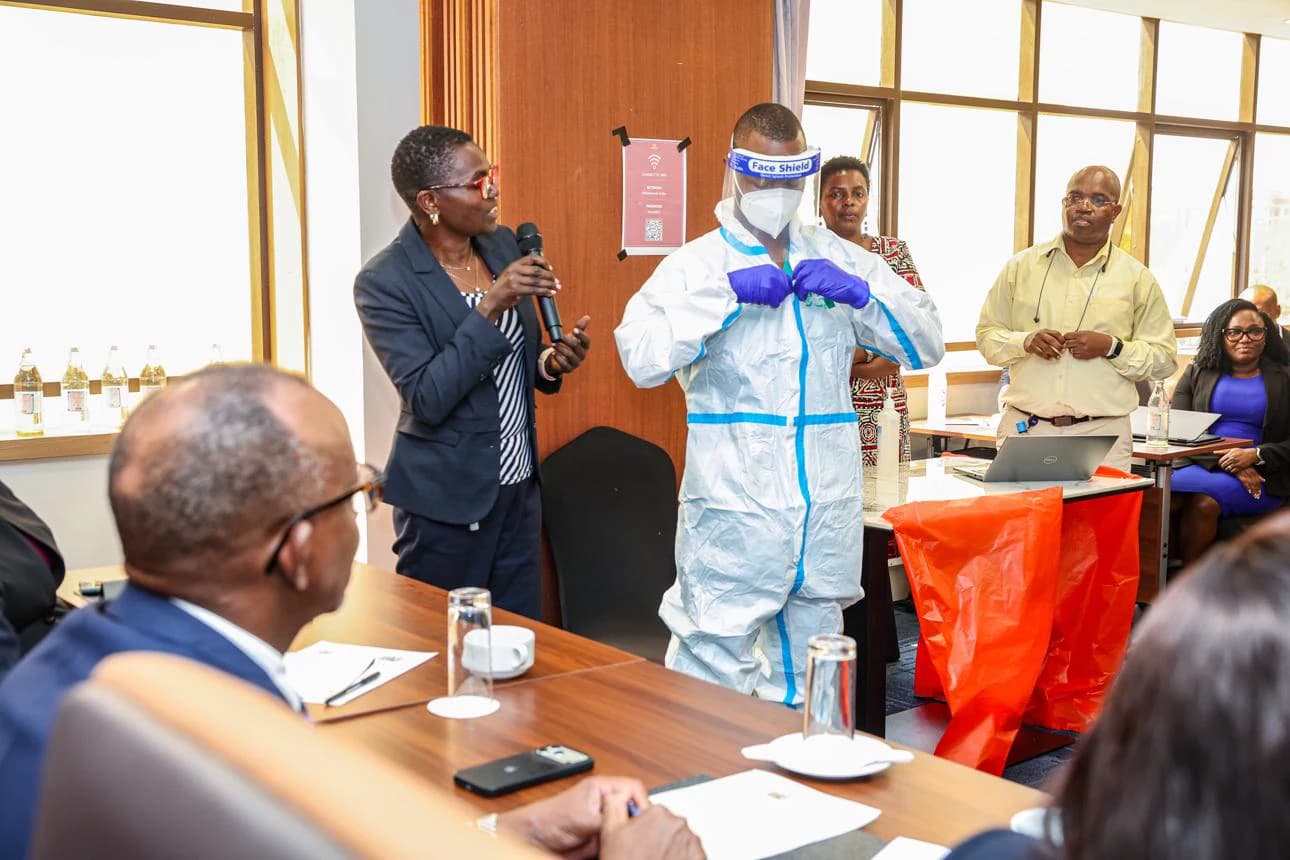
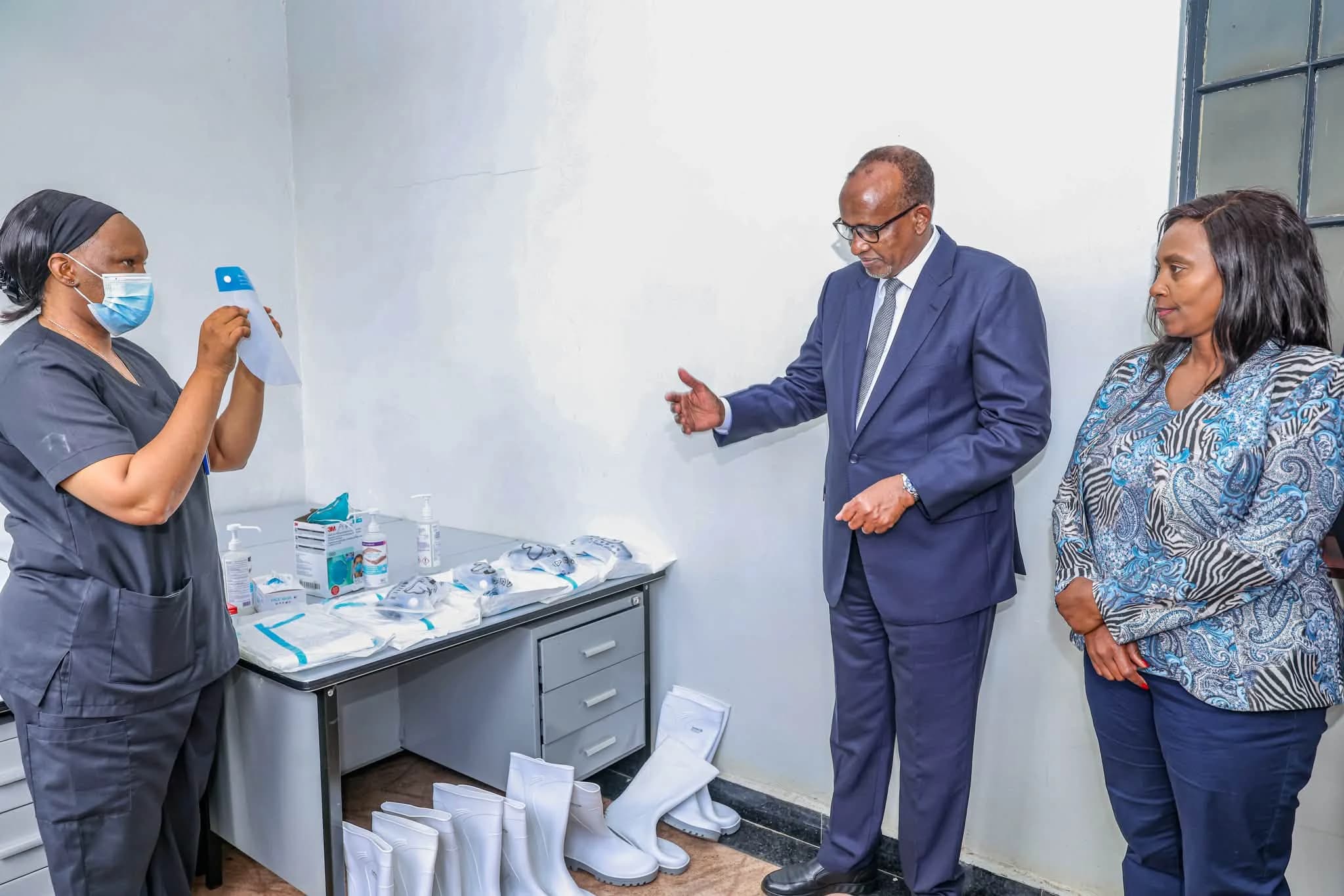
Kenya had spent months strengthening its preparedness after Ebola cases were reported in the region. The Ministry of Health (MoH) had activated surveillance systems, increased screening at points of entry, trained rapid-response teams and strengthened laboratory and isolation capacity. The latest development now shifts the country's response from preparedness to active case management and contact tracing, with health authorities expected to closely monitor the 28 identified contacts for symptoms and establish whether anyone else may have been exposed during the patient's journey or treatment.
Ebola is transmitted primarily through direct contact with the blood or other bodily fluids of an infected person, including a deceased patient. Symptoms can include fever, weakness, vomiting and diarrhoea, while severe illness may involve internal or external bleeding.
The confirmation is likely to place renewed attention on infection-prevention measures in hospitals, particularly among healthcare workers who may come into contact with suspected cases. The government has urged Kenyans to remain alert while relying on official health information rather than unverified reports circulating on social media.
The immediate priority is to contain the imported infection, complete contact tracing, and establish whether any secondary transmission has occurred. The situation remains under active monitoring, with further updates from the Ministry of Health expected as surveillance continues.

Reader Discussion (0)
Sign in to comment