
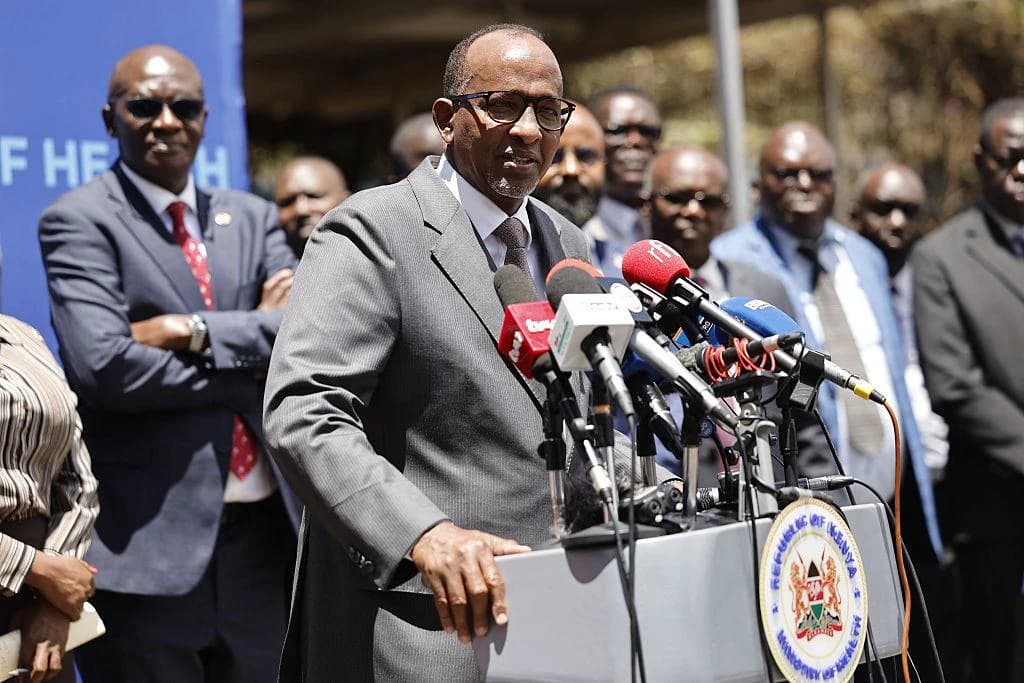
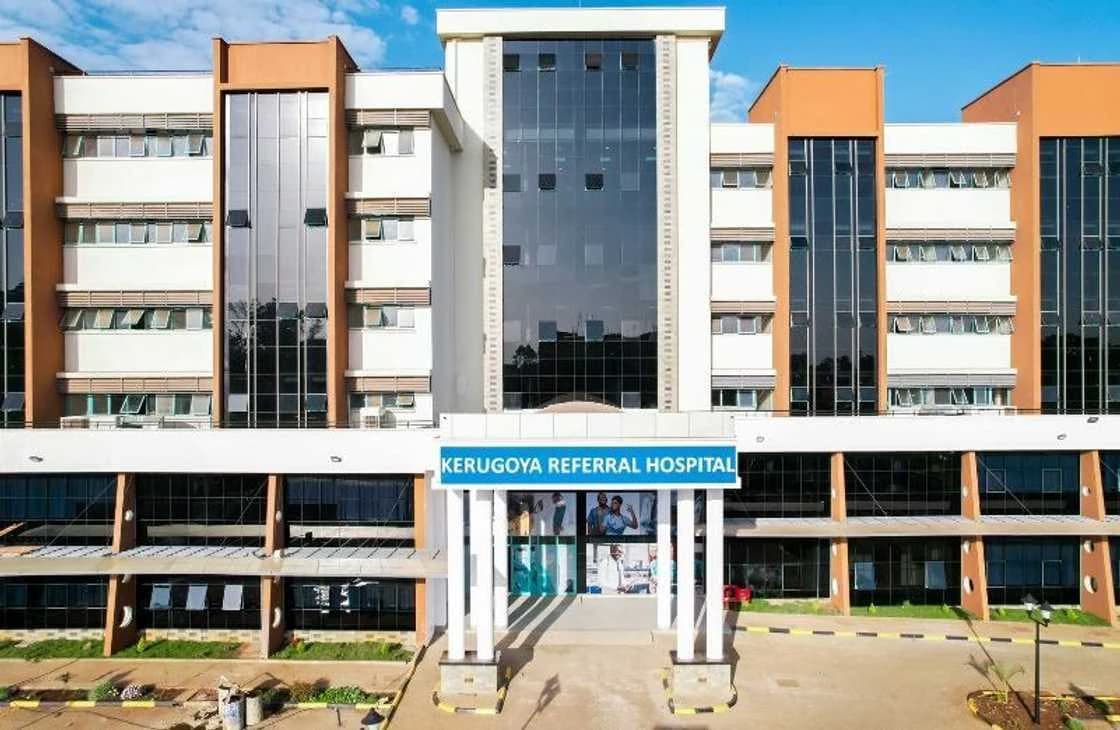
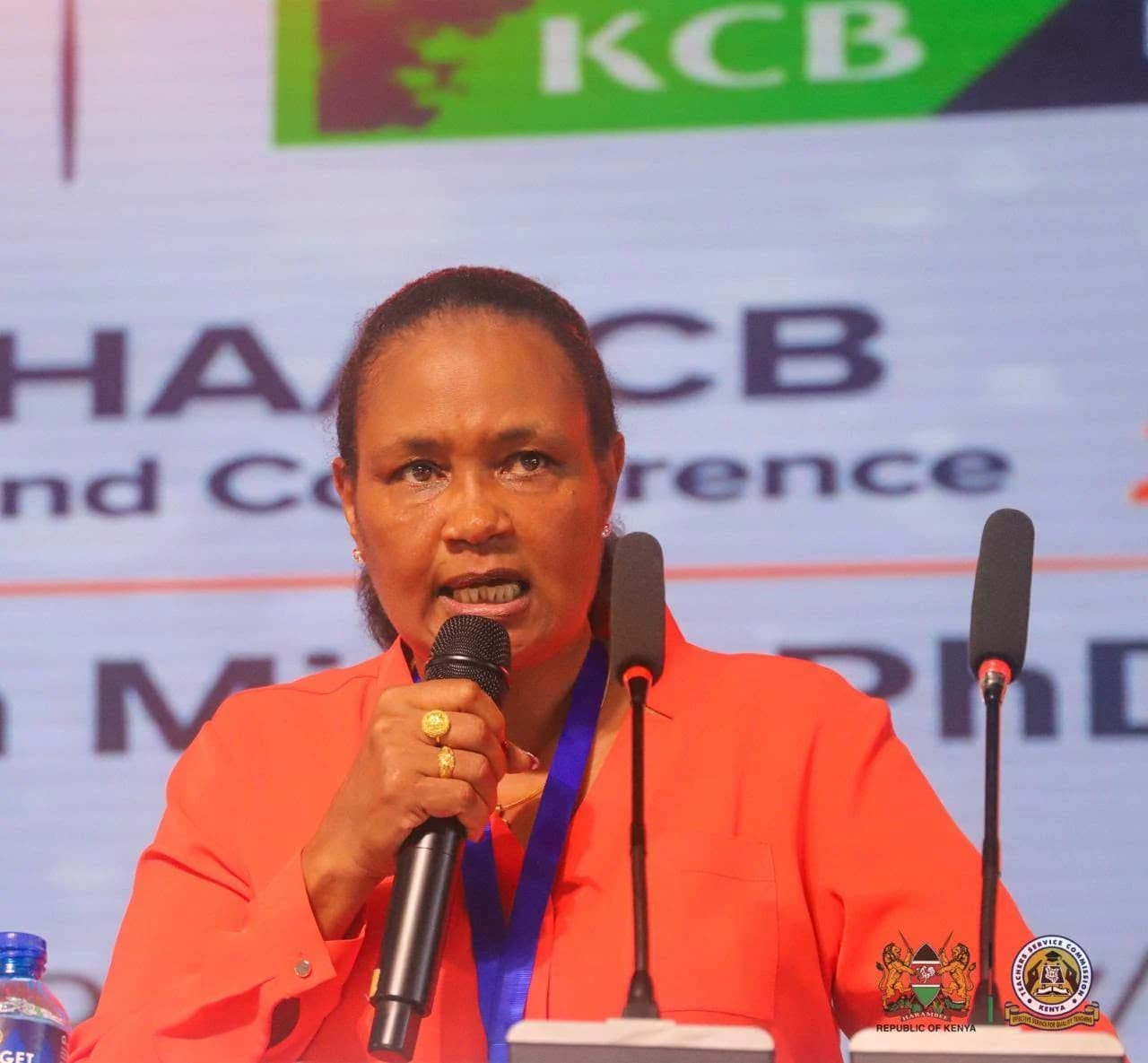




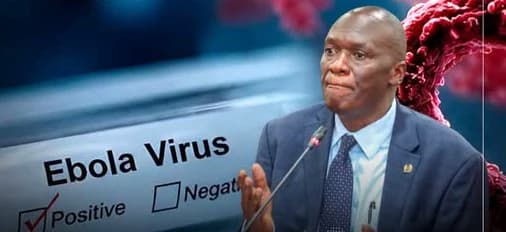
Health Cabinet Secretary Aden Duale said the final patient had recovered and been discharged from the treatment facility, leaving the country with no active Ebola cases for the first time since the outbreak was reported.
The development also means that the 11 remaining contacts who were under monitoring have completed their quarantine period and returned home in good health.
Duale said the country would begin a 42-day countdown on Thursday, November 12, after which Kenya could be declared free of Ebola Virus Disease on December 23, 2026, if no new infections are reported.
He described the discharge as a significant achievement in the national response but cautioned that the government would not lower its guard against the highly infectious disease.
Seven patients recover as two die
According to the World Health Organization (WHO), Kenya confirmed its first case of Bundibugyo virus disease on October 6, 2026, involving a Kenyan who had travelled from the Democratic Republic of Congo through Uganda.
Eight additional infections were subsequently confirmed, bringing the total to nine cases. Four of those infected were family members of the first patient, while another four were healthcare workers.
Seven patients recovered, while two died. Health authorities traced and monitored 135 contacts, with no evidence of wider community transmission.
Regional Office for Africa+1
The last confirmed infection was reported on October 19, with five patients discharged on November 3 and another on November 6.
The discharge of the final patient on November 11 cleared the way for the 42-day observation period.
Government maintains heightened surveillance
The Ministry of Health will maintain heightened surveillance, screening at points of entry, community monitoring and emergency response operations throughout the countdown period.
Duale warned that the ongoing Ebola outbreak in neighbouring Democratic Republic of Congo continued to expose Kenya to the possibility of imported cases, particularly through cross-border movements.
To strengthen preparedness, the Ministry of Health, working with the Ministry of Foreign Affairs, will issue guidelines to facilitate the safe return of Kenyans from areas affected by the outbreak.
The arrangements will include health declarations, screening upon arrival and follow-up monitoring by public health teams.
The CS urged Kenyans who develop symptoms associated with Ebola, including fever, general weakness, muscle pain, vomiting, diarrhoea and unexplained bleeding, to seek immediate medical attention, especially if they have travelled to affected areas.
Members of the public requiring assistance or information have also been advised to use the toll-free 719 hotline.
Kenya seeks review of travel restrictions
Meanwhile, Duale appealed to countries and jurisdictions that had imposed blanket travel and visa restrictions on Kenyans following the outbreak to reconsider the measures.
He argued that the absence of active cases, contacts under quarantine and reported community transmission demonstrated the progress Kenya had made in containing the disease.
The CS further clarified that Kenya would not serve as a quarantine centre for travellers arriving from other jurisdictions or issue Ebola-free certificates for people seeking to travel abroad.
The WHO welcomed the progress but emphasised that continued vigilance would be essential to prevent further transmission.
The government said its focus would remain on sustaining surveillance throughout the 42-day observation period to prevent any resurgence and secure an official declaration that the outbreak has ended.


Reader Discussion (0)
Sign in to comment