








County governments have been urged to strengthen their emergency health systems and identify facilities that can be converted into quarantine centres, as Kenya intensifies efforts to contain Ebola.
Public Health Principal Secretary Mary Muthoni said counties must remain prepared for any eventuality even as the national government steps up surveillance, contact tracing and the distribution of protective equipment to health facilities. She described the identification of potential quarantine facilities as a precautionary measure, meant to ensure counties can respond promptly should the situation escalate.
The directive comes as Kenya's confirmed Ebola infections rose to eight by October 18, raising the need for stronger coordination between national and county health authorities to prevent further transmission.
According to health authorities, 128 of the 130 contacts identified in connection with the initial cases had been traced and placed under quarantine as of October 18. Health teams are working to limit the risk of community transmission.
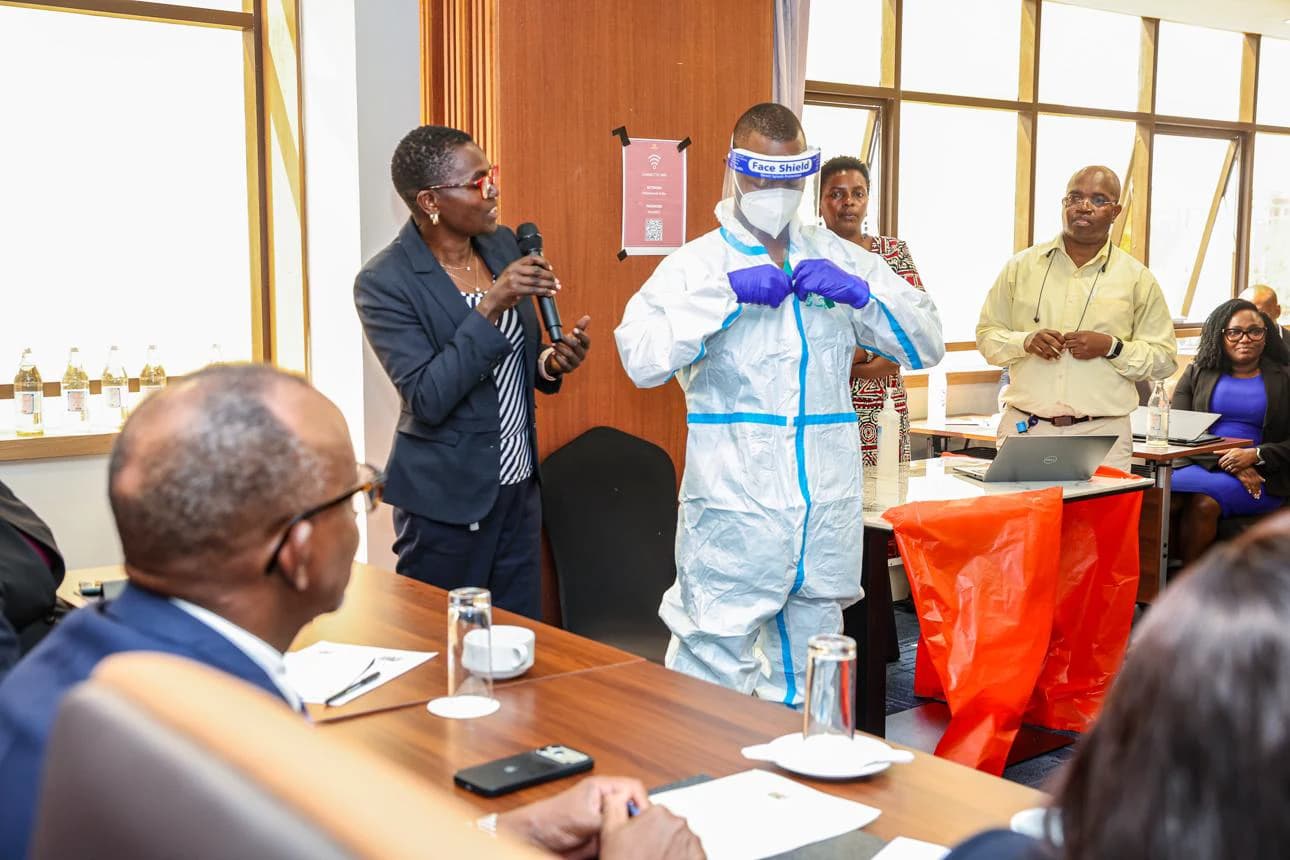
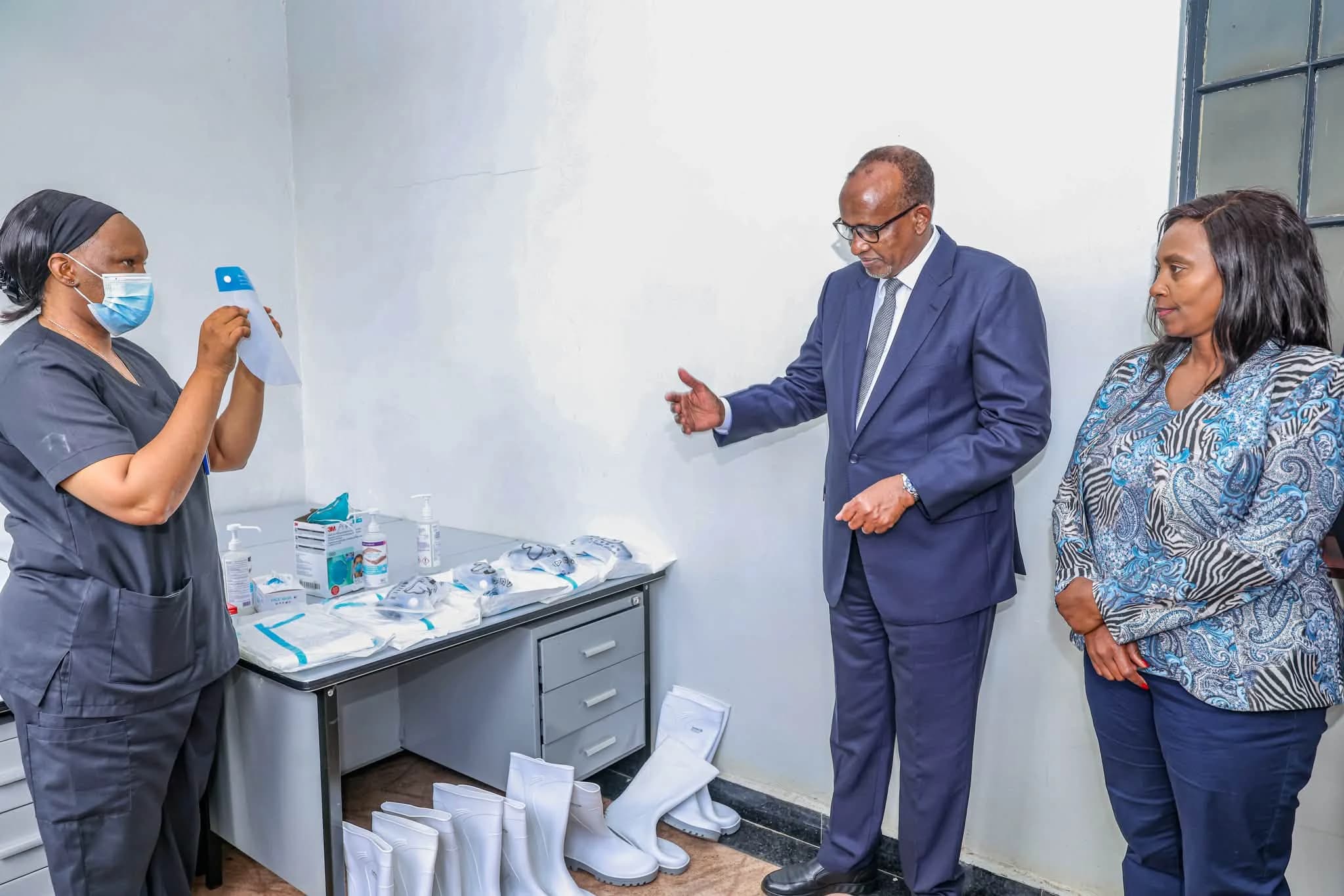
The Ministry of Health has also distributed personal protective equipment (PPE) to high-risk areas, particularly regions near points of entry, to protect health workers and strengthen frontline facilities' capacity to manage suspected infections.
The response follows the death of Kenya's first confirmed Ebola patient on October 5. The man had travelled from the Democratic Republic of Congo through Uganda before arriving in Nairobi, where he sought medical attention.
Subsequent infections were reported among his relatives and health workers who had attended to him. The latest confirmed case is a 49-year-old patient attendant who had cared for the first patient.
Health officials have urged the public to remain vigilant but avoid panic, noting that early detection, contact tracing and prompt medical attention are critical to controlling the disease.
Symptoms to watch for include fever, headache, unusual tiredness, muscle pain, sore throat, vomiting and diarrhoea, particularly after possible exposure to an infected person. Anyone who suspects they have been exposed or develops such symptoms is advised to seek medical guidance promptly through the toll-free hotline 719.
Ebola spreads through direct contact with the blood and other bodily fluids of an infected person, or contaminated materials. Authorities have therefore emphasised hand hygiene, avoiding contact with suspected cases and following instructions from public health officials.

Reader Discussion (0)
Sign in to comment