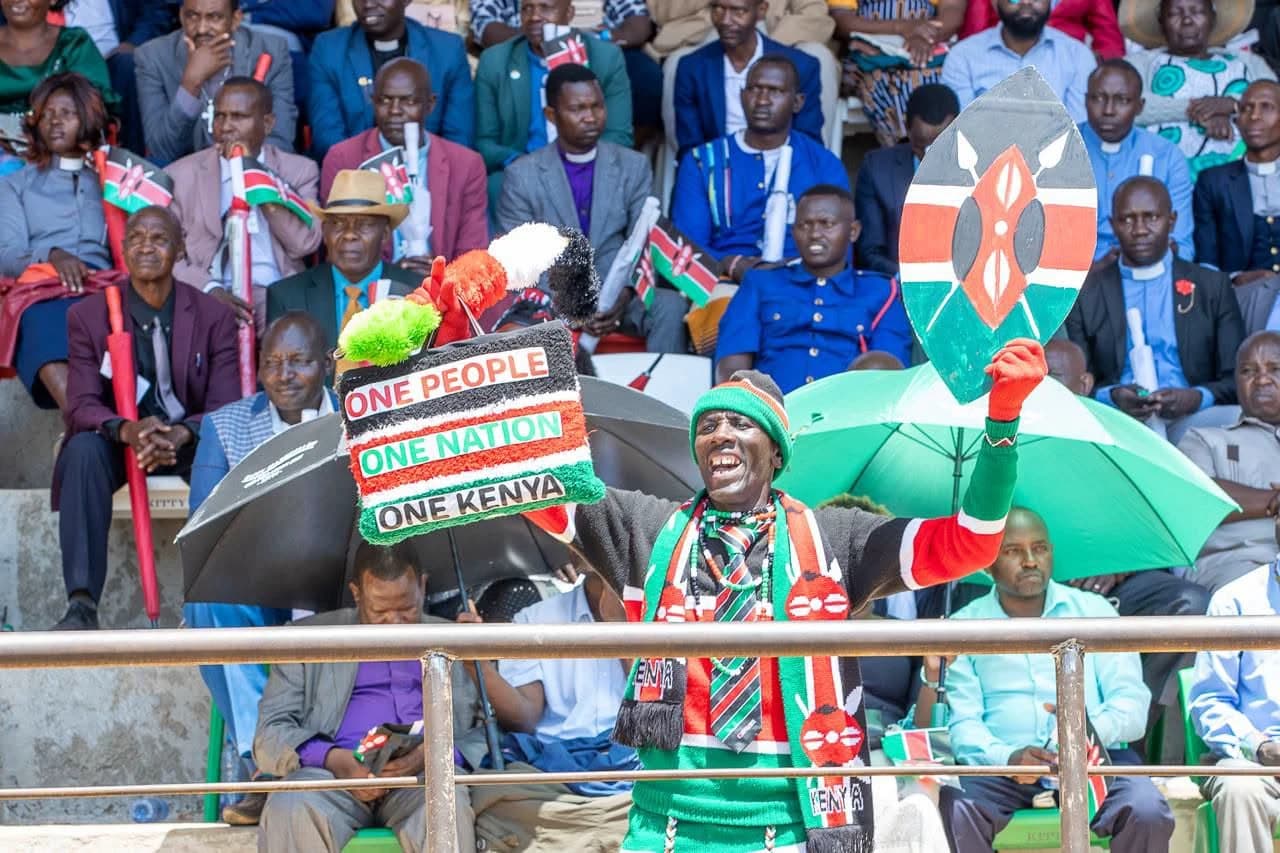




As Kenya celebrates Mashujaa Day on October 20, the country has an opportunity to reflect not only on the sacrifices of its national heroes but also on the responsibility of educating a new generation capable of preserving their legacy.
Mashujaa Day is more than a public holiday marked by speeches, parades and entertainment. Its deeper meaning lies in the values of courage, sacrifice, integrity, patriotism, justice and service to humanity that have shaped Kenya's history and development.
The day also raises an important national question: are families, schools, religious organisations, communities and public institutions preparing young people to become the heroes of tomorrow? The true measure of the day should not be the grandeur of its celebrations but the extent to which its lessons influence how Kenyans live, learn, lead and serve one another.
The historical and educational meaning of Mashujaa Day
Kenya's history is shaped by people who challenged colonial rule, fought for freedom, defended human dignity and contributed to the nation's development. Many endured imprisonment, displacement, suffering and death, while others dedicated their lives to education, social justice and community development.
Teaching this history is essential because a generation that does not understand its past may struggle to appreciate the responsibilities of citizenship. Schools should use the day to encourage historical research, debates, essay writing, discussions with community elders, cultural presentations and visits to historical sites.
However, teaching about heroes should not amount to blind admiration. Learners should examine historical events critically, distinguish documented facts from myths and understand that historical figures can have complex legacies. The purpose is to develop informed citizens who appreciate the sacrifices of the past while learning to address the challenges of the present.
Education as the foundation of future heroism
The future of Kenya depends on the quality of education offered to its children. Today's learners must acquire the knowledge, practical skills, values and creativity needed to address unemployment, poverty, corruption, environmental degradation, inequality and rapid technological change. Education should go beyond examination results and certificates to nurture integrity, discipline, critical thinking, innovation, resilience, compassion and responsible citizenship.
Kenya's Competency-Based Education (CBE) approach emphasises learners' abilities, practical competencies and talents. For this to translate into meaningful outcomes, schools need adequate learning materials and infrastructure, trained teachers, effective guidance and counselling, and fair opportunities for learners from different backgrounds. A learner in a rural school should have the same meaningful opportunity to develop their abilities as one in a well-resourced urban school.
Mashujaa Day should therefore inspire renewed attention to educational equity, teacher support, talent development and the transition from school to productive work. No child should be denied the chance to become a scientist, teacher, athlete, entrepreneur, artist or leader because of poverty, disability, geographical location or lack of support.
Present-day heroes
Heroism should not be measured only by sacrifices made during the struggle for independence. It should also be recognised in the everyday actions of people who protect lives, defend justice, educate children, create employment and serve humanity with integrity. Heroes are found not only in history books and national ceremonies but also in classrooms, hospitals, farms, homes, businesses and communities.
Teachers. Those working in remote areas and resource-constrained schools demonstrate heroism by helping learners acquire knowledge despite difficult circumstances. Some go beyond their duties to mentor vulnerable children and encourage struggling students. They should be supported with appropriate working conditions, professional development and learning resources.
Health workers. Doctors, nurses, clinical officers, community health promoters and emergency responders protect human life, often in challenging circumstances. Their example shows learners that knowledge can be used responsibly to relieve suffering.
Farmers. Smallholder farmers, livestock keepers and agricultural researchers contribute to food security, employment and rural livelihoods despite unpredictable weather, production costs and changing markets. Young people should be encouraged to see agriculture as a field for innovation, research and enterprise, not only traditional labour.
Entrepreneurs, innovators and scientists. Those who create useful products, provide employment, treat workers fairly and develop solutions in health, agriculture, energy, transport and conservation show that success can be combined with social responsibility.
Athletes and artists. Sportspeople, musicians, writers and performers can be positive role models through dedication and discipline. Their success shows the importance of nurturing talent beyond conventional academic pathways, but recognition should come with humility and ethical conduct.
Citizens who stand against corruption. People who report suspected corruption, fraud and abuse of authority through lawful channels contribute to accountability, though doing so may require courage in the face of intimidation. Responsible reporting should be based on credible information and respect for due process. Patriotism is not merely praising the country; it also means protecting public resources and demanding accountability responsibly.
Learners who reject cheating and peer pressure. A student who refuses to cheat or plagiarise, protects a bullied classmate or reports abuse responsibly shows moral courage. These actions may seem small, but they build a culture of honesty, fairness and respect.
Parents and guardians. Many work long hours and make difficult financial choices to prioritise their children's education and welfare. They show heroism when they provide guidance, protect children from harmful influences and model honesty and respect.
Environmental conservationists. People who protect forests, conserve water, plant indigenous trees and educate communities about the environment serve present and future generations.
Public servants. Officers who manage resources transparently, serve citizens fairly and refuse bribery strengthen public trust. The same applies to student leaders, prefects and community representatives, for whom leadership should be a responsibility to serve rather than an opportunity to exploit others.
Ordinary citizens who help people in distress. Those who assist neighbours during floods, fires and accidents, or support vulnerable families with food, shelter and clothing, embody the spirit of Mashujaa Day, provided they do so without exposing themselves or others to unnecessary danger.
Heroism begins with character, not fame
Heroism should not be confused with popularity, wealth, political power or social media attention. A person's contribution is better judged by their conduct, integrity, courage, compassion and willingness to serve. A learner who returns lost property, a teacher who refuses to discriminate and a public officer who rejects bribery all demonstrate heroic values.
Courage also does not mean acting recklessly or seeking confrontation. It includes making responsible decisions, admitting mistakes, standing up against wrongdoing and respecting the rights of others.
The role of parents, schools and communities
Parents and guardians are central to children's character formation. Children learn from what adults do as much as from what they say, and it is difficult to teach honesty where dishonesty is tolerated. Families can use Mashujaa Day to discuss national heroes, identify the values behind their contributions and help children manage peer pressure and make responsible decisions.
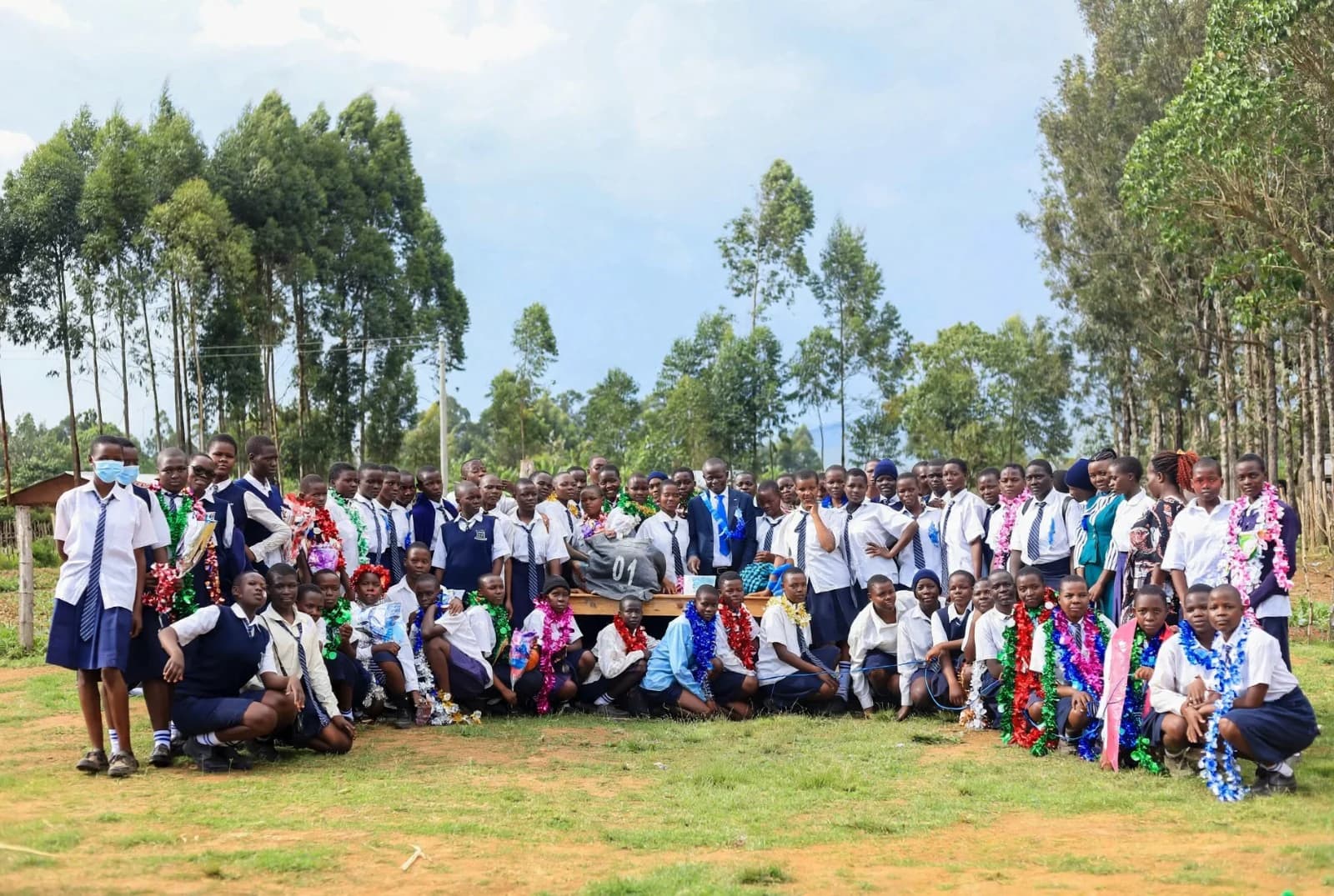
Schools should move beyond ceremonial celebrations. Teachers can encourage learners to research local heroes, interview community members, write essays on integrity and patriotism, join debates and take part in community service. Students can identify problems in their schools and neighbourhoods, such as bullying, cheating and discrimination, and develop practical solutions. Guidance and counselling departments can reinforce self-discipline, empathy and resilience. Schools should also recognise creativity, sporting talent, practical skills and leadership alongside academic performance.
Religious organisations and community groups can reinforce these values through mentorship, youth programmes, visits to the elderly, support for vulnerable households and clean-up activities, showing young people that compassion and service are practised throughout the year, not only on national holidays.
Patriotism beyond slogans
Patriotism includes respecting the Constitution, protecting public resources, respecting other communities, promoting peaceful coexistence and participating responsibly in national development. Responsible citizenship does not require identical opinions. It requires people to respect one another, resolve disagreements peacefully and pursue justice through lawful means. A patriotic citizen need not ignore the country's problems but can work responsibly to address them.
The real educational meaning of Mashujaa Day lies in connecting Kenya's past struggles with the responsibilities and opportunities of today's generation. Kenya's future depends partly on whether its education system, families and institutions prepare young people to combine knowledge with character and practical competence.
The nation must therefore invest in quality education, equitable opportunities, talent development, mentorship and institutions that encourage ethical conduct, so that no child's potential is dismissed because of poverty, disability, birthplace or limited access to resources.
The ultimate tribute to the heroes of the past is not simply to praise their achievements but to build a country in which future generations have the knowledge, values, skills and opportunities to contribute to national development. The greatest success of Mashujaa Day will be realised when learners grow into responsible citizens who do not merely admire the heroes of yesterday but become the builders, protectors and problem-solvers of tomorrow.


Reader Discussion (0)
Sign in to comment