

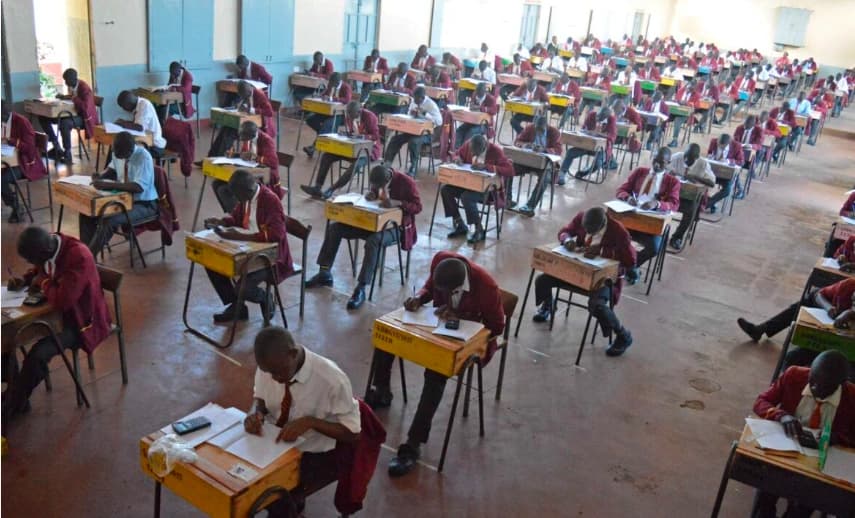


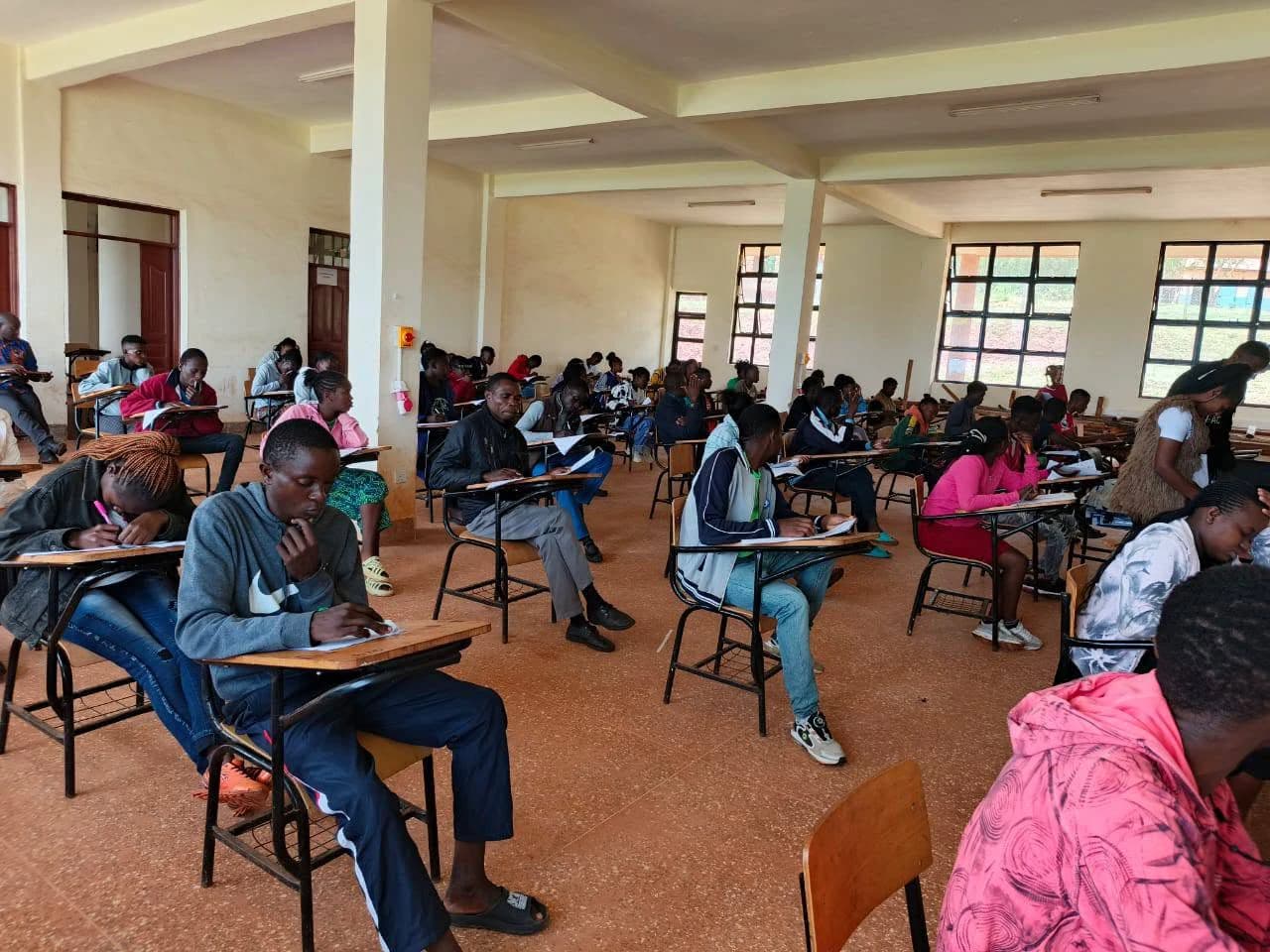
The Kenya National Examinations Council (KNEC) has introduced tighter security measures as 3,634,846 learners begin the 2026 national examinations and assessments, with officials warning that cheating will attract severe penalties.
The examination season runs from October 19 to November 20 and covers the Kenya Certificate of Secondary Education (KCSE), the Kenya Junior School Education Assessment (KJSEA) and the Kenya Primary School Education Assessment (KPSEA).
Education Cabinet Secretary Julius Ogamba has warned candidates, teachers and examination officials that anyone who breaks the rules will face the law. He has asked parents, teachers and other stakeholders to support the exercise so that candidates are assessed fairly.
Smart padlocks and named booklets
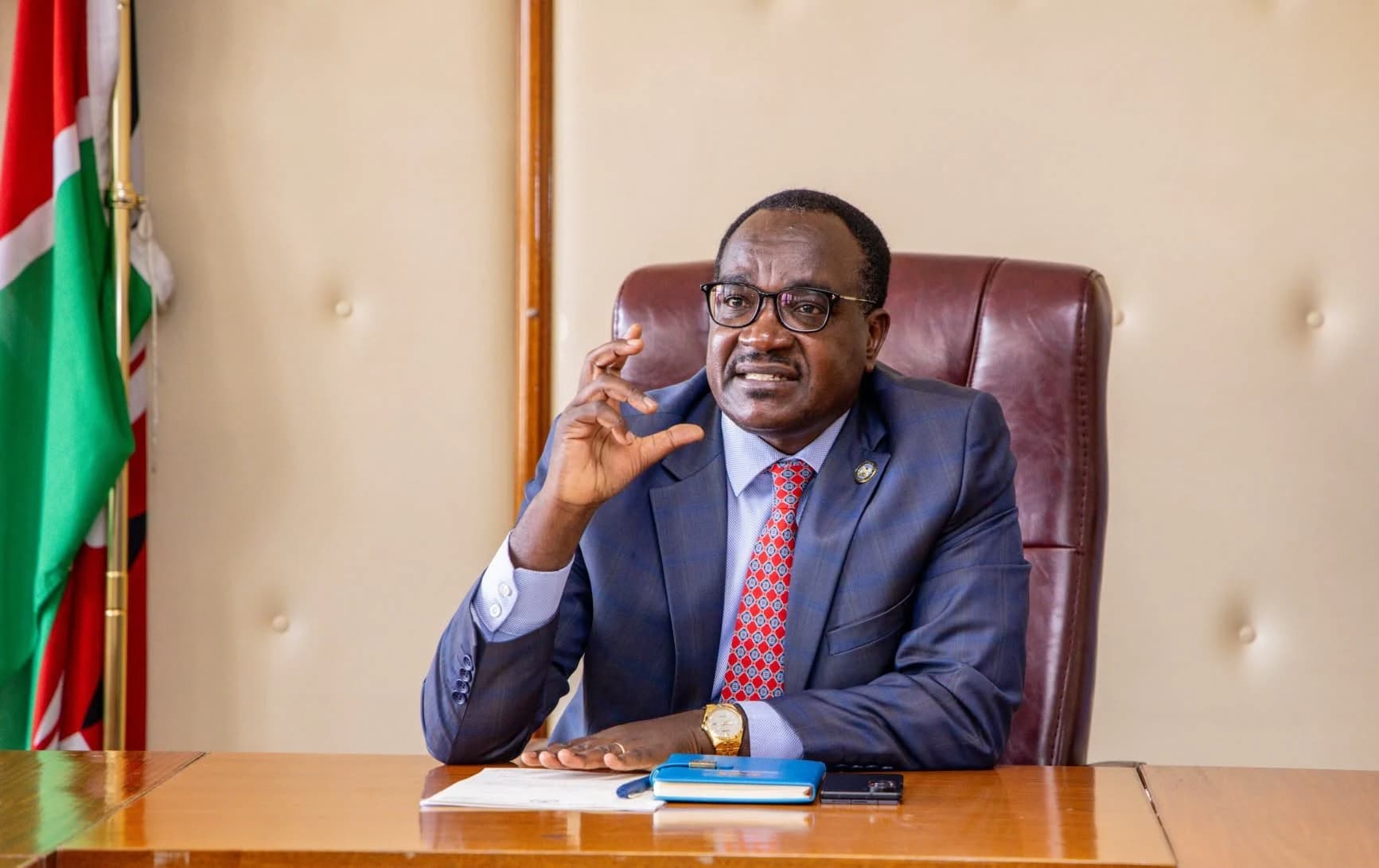
KNEC Chief Executive Officer David Njengere said the council had strengthened its systems to stop papers being accessed early and to curb impersonation, collusion and the use of prohibited electronic devices.
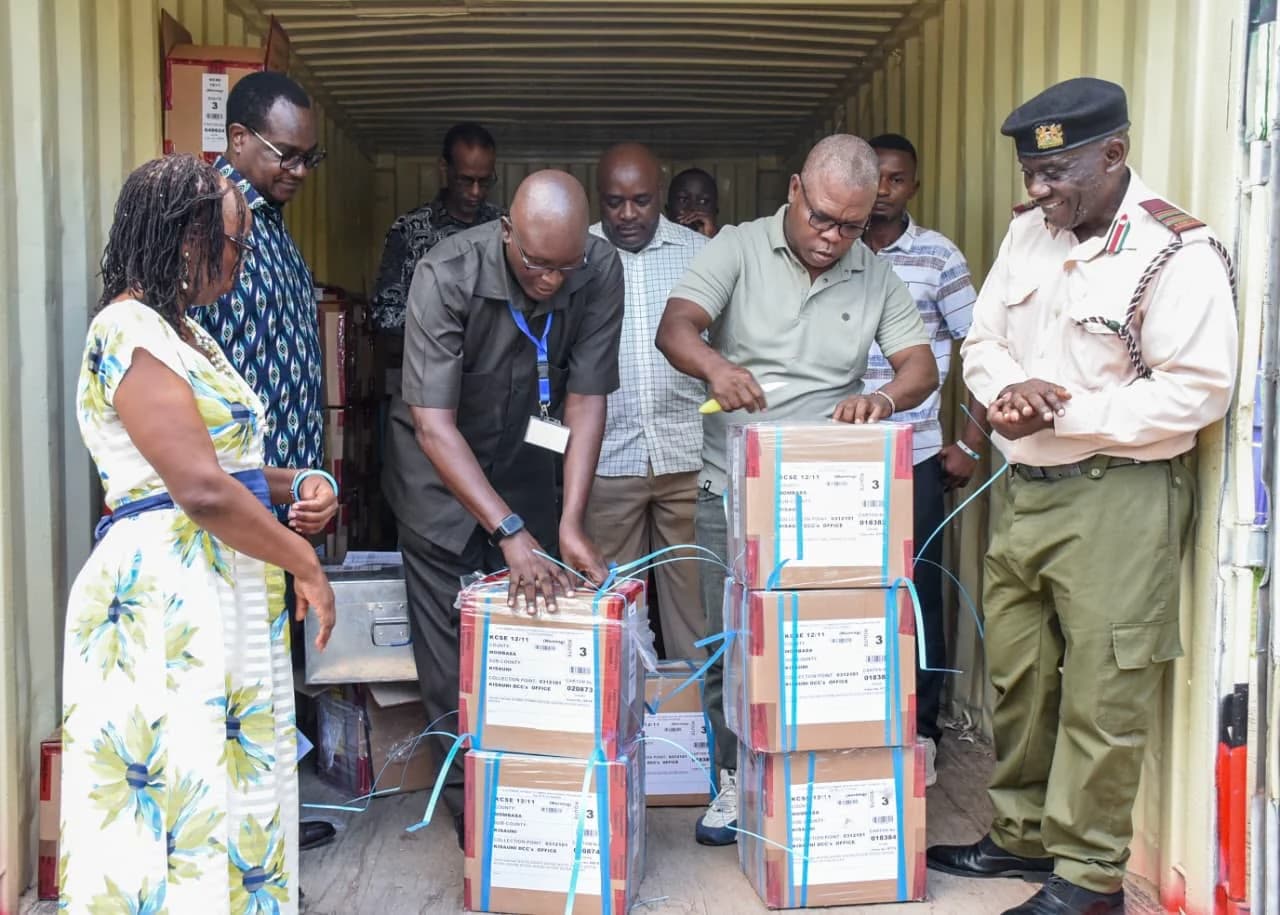
Examination storage containers now have digital smart padlocks, which let the council monitor remotely when they are opened and closed, helping detect unauthorised access.
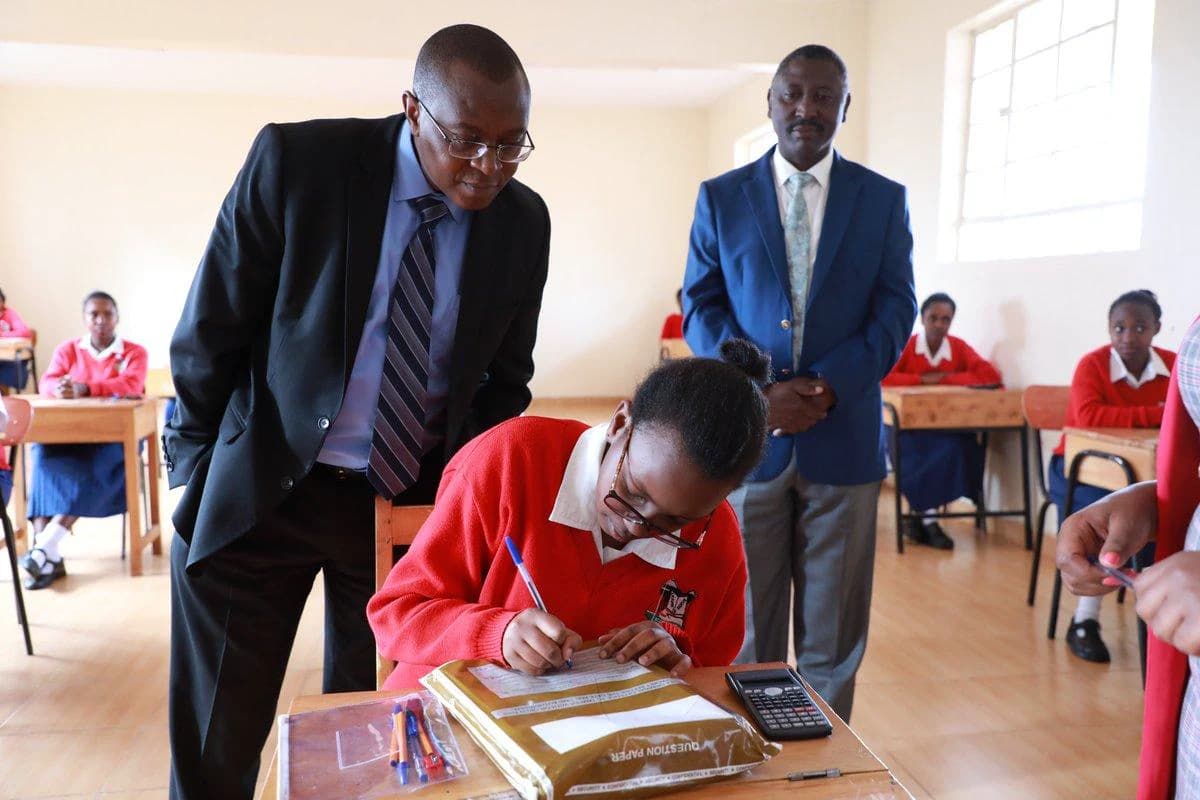
KNEC has also introduced personalised question booklets carrying each candidate's name and index number, making impersonation harder. The identification sections will be detached and collected separately after each session so that candidates remain anonymous during marking.
Other safeguards
- KNEC has kept the double-collection system for KCSE papers, under which centre managers collect morning and afternoon papers separately to reduce exposure and mix-ups.
- Security officers will oversee the movement of examination materials, and police will provide security for the KCSE.
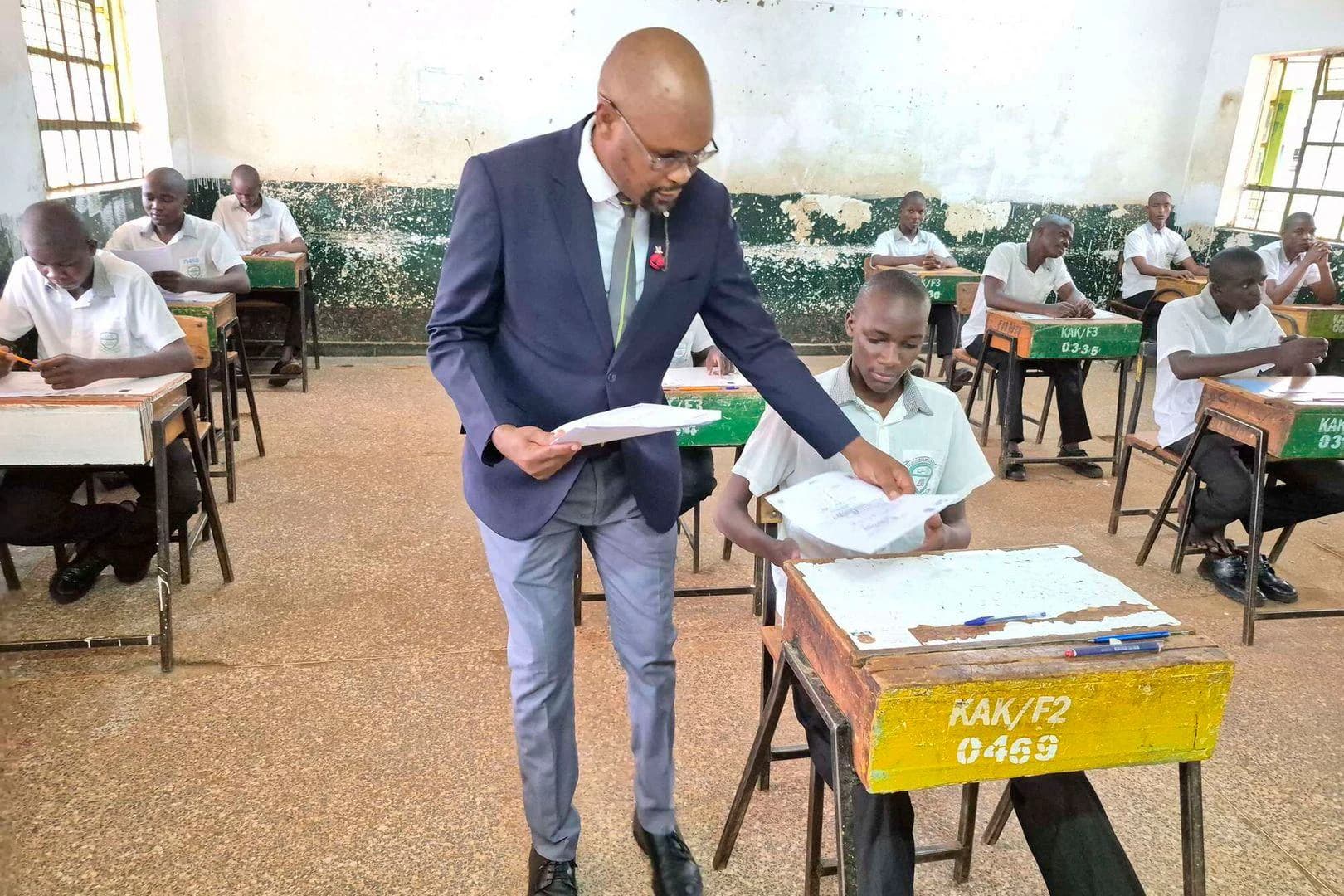
- Supervisors and invigilators will be rotated among schools to reduce the chance of collusion.
- Mobile phones and other unauthorised devices, including smartwatches, tablets and recording equipment, are banned in examination rooms. Officials must also surrender their phones while papers are administered.
KNEC has warned that serious irregularities could lead to the cancellation of results for an entire examination centre.
The tighter controls follow a rise in malpractice cases. Results for 1,180 KCSE candidates were cancelled in 2025, up from 840 in 2024.
Candidate numbers are also higher in all three assessments. KPSEA has 1,380,463 learners, up from 1,298,089 last year. KJSEA has 1,206,028, up from 1,130,679, and KCSE has 1,048,355, up from 996,078 in 2025.
To improve distribution of materials, the government has installed more storage containers in sub-counties, bringing the national total to 701. Authorities have also drawn up contingency plans for possible disruption from heavy rains, flooding and damaged roads.
National Parents Association chairman Silas Obuhatsa urged parents and teachers to guide learners towards responsible conduct, saying public cooperation will be essential to protect the credibility of the exams. KNEC says the safeguards are meant to ensure that results reflect candidates' abilities and keep public confidence in the education system.

Reader Discussion (0)
Sign in to comment