



Kenya's efforts to eliminate malaria are facing a major financial hurdle, with the government warning that the country is operating with barely 15 per cent of the resources required to implement its national control strategy.
Health Cabinet Secretary Aden Duale says the country needs Sh17.7 billion annually to finance malaria prevention and treatment programmes but has only Sh2.66 billion available for the current financial year.
The shortfall of about Sh15.04 billion threatens to slow gains made in the fight against the disease, particularly as international donor support for health programmes continues to decline.
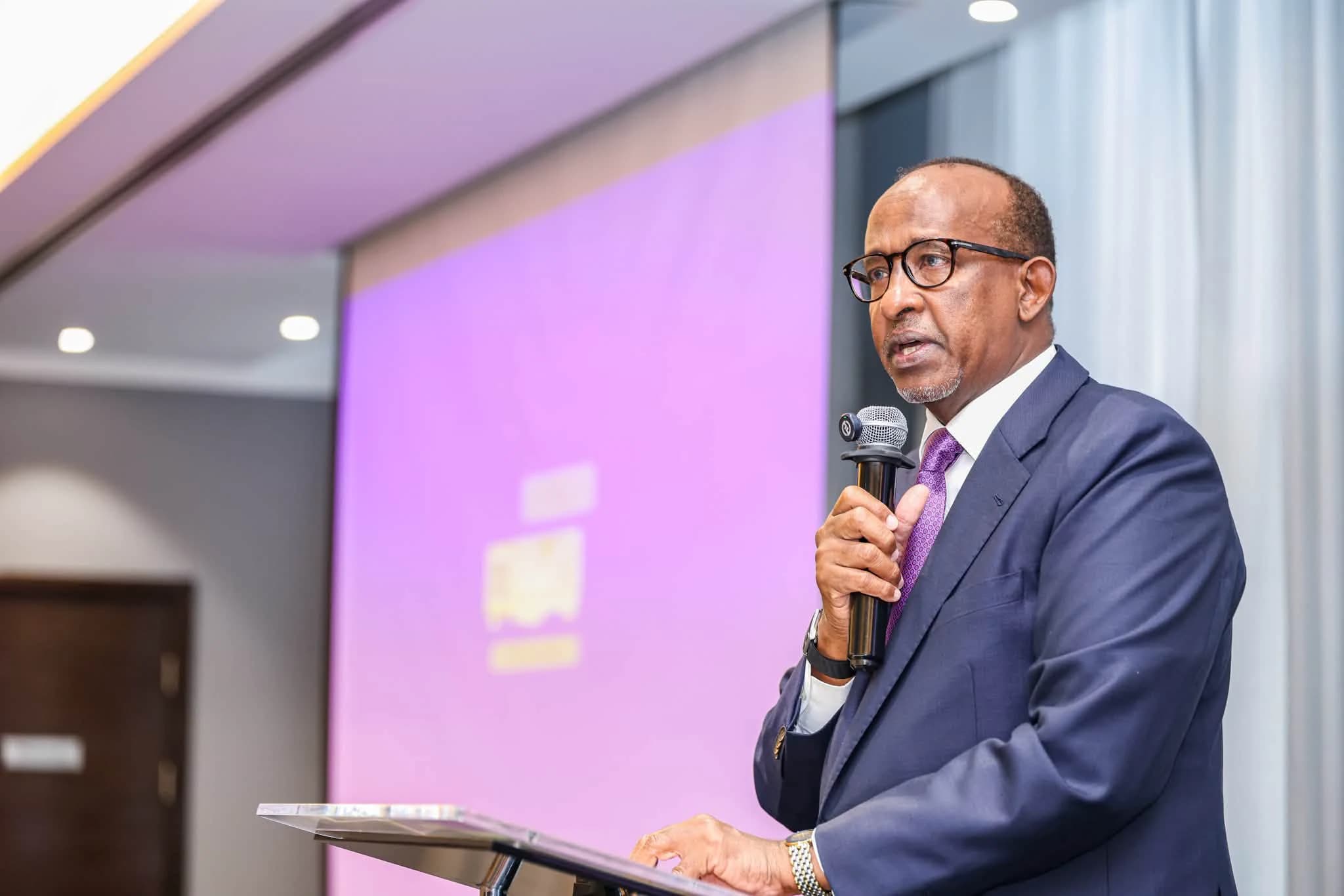
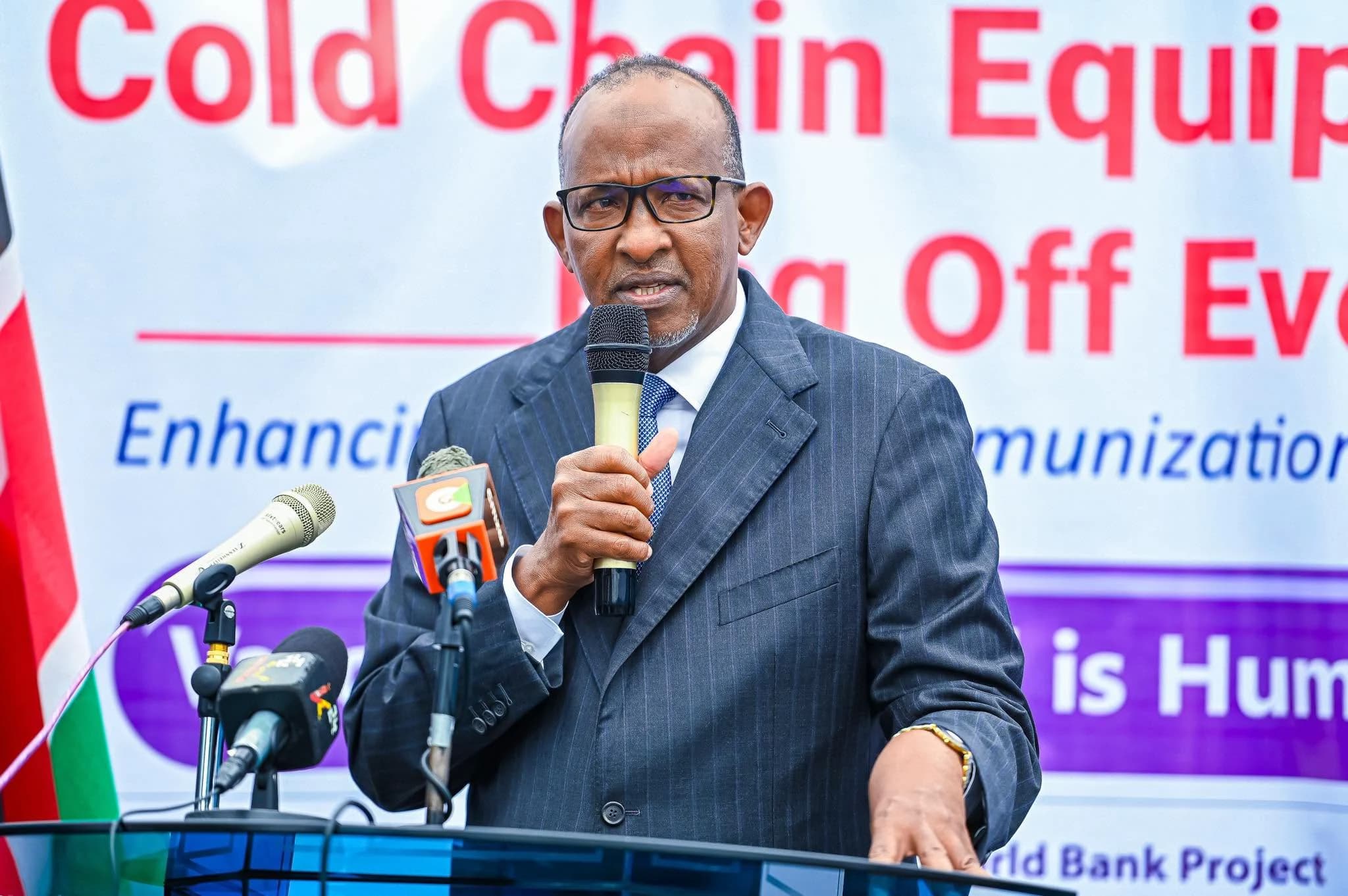
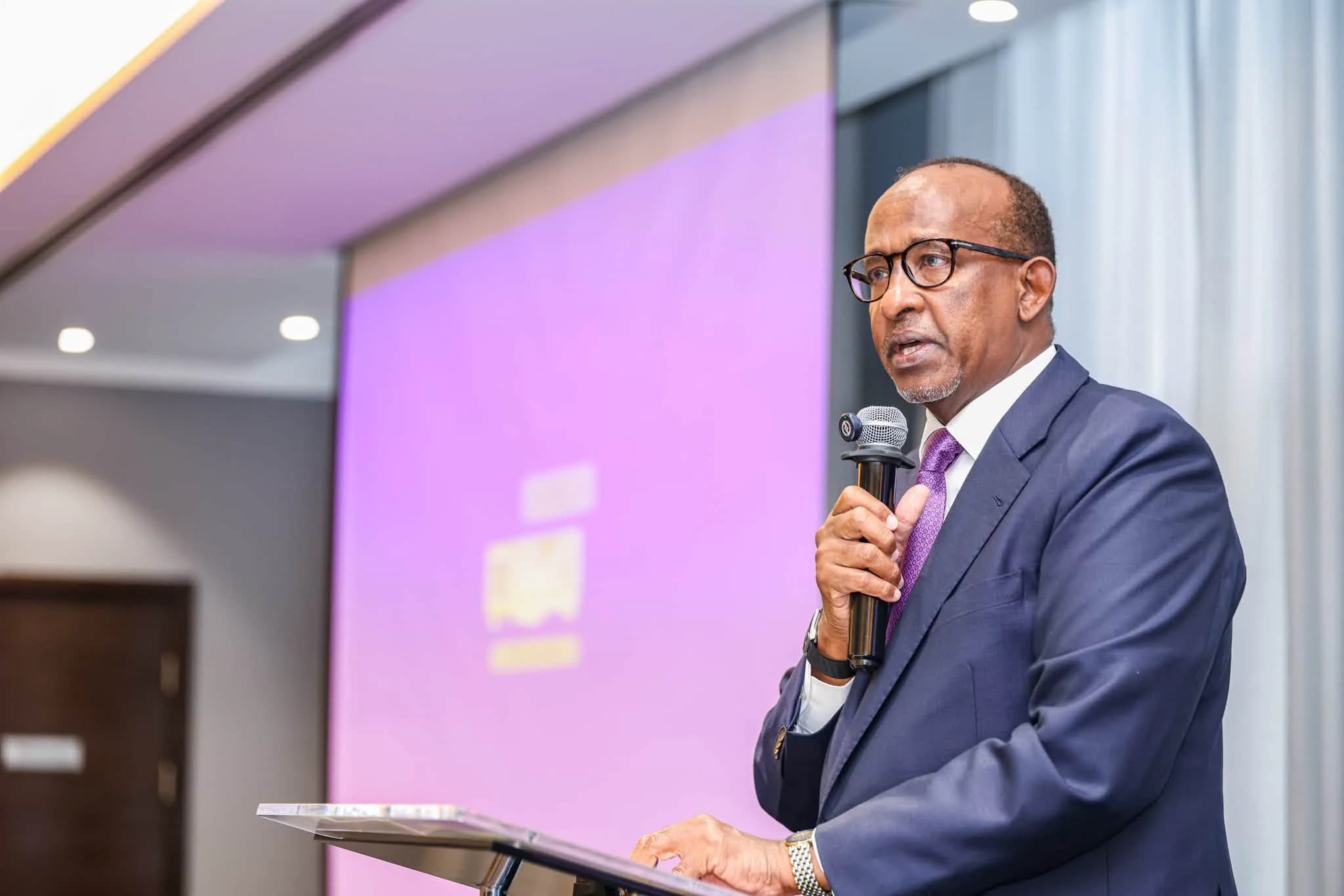
Mr Duale raised the concern on Thursday while representing President William Ruto at the High-Level Dialogue on Malaria Elimination in Gaborone, Botswana, where African leaders and health sector stakeholders discussed sustainable financing and strategies to eliminate the disease.
He called on African governments to increase domestic funding, strengthen regional partnerships and invest in local production of essential medical supplies, including mosquito nets and medicines.
Despite the financial challenges, Kenya has recorded a notable decline in malaria infections. According to Mr Duale, confirmed cases dropped from 5.54 million in 2023 to 3.64 million in the year to September 2026, a 34 per cent reduction. Malaria incidence among children under five also declined from 194 to 119 cases per 1,000 children.
However, the CS warned that sustaining the progress would require predictable financing and stronger health systems, particularly in communities where malaria remains a major public health concern.
He said the government was integrating malaria interventions into Universal Health Coverage reforms through improved primary healthcare, community health services and digital disease surveillance. The country is also adopting multiple first-line antimalarial treatments to address emerging drug resistance, alongside enhanced monitoring of the effectiveness of medicines.
Mr Duale further called for stronger cross-border cooperation, particularly with Uganda and other East African Community member states, noting that malaria transmission requires coordinated regional interventions.
He said Kenya was also pursuing local manufacturing of essential health commodities, with a target of producing 50 per cent of the country's health products and technologies locally.
The funding concerns come amid growing pressure on African health systems following reductions in international assistance, which have exposed the vulnerability of programmes heavily dependent on external financing.
Public Health Principal Secretary Mary Muthoni previously said malaria accounted for 18 per cent of outpatient visits in Kenya in 2024, with about three in every four Kenyans living in areas where transmission is possible.
Mr Duale warned that without increased domestic investment, the country risked losing momentum in its malaria elimination campaign.
Reader Discussion (0)
Sign in to comment