







The 2024 Kenya School Census, released in November 2026 by the Kenya National Bureau of Statistics (KNBS), paints a disturbing picture of 17.8 million learners in 121,873 institutions. Behind the impressive enrolment figures are overcrowded classrooms, inadequate teachers, insufficient infrastructure, digital exclusion and a shocking failure to accommodate learners with disabilities. Kenya is building an education system whose promises are running far ahead of its capacity to deliver.
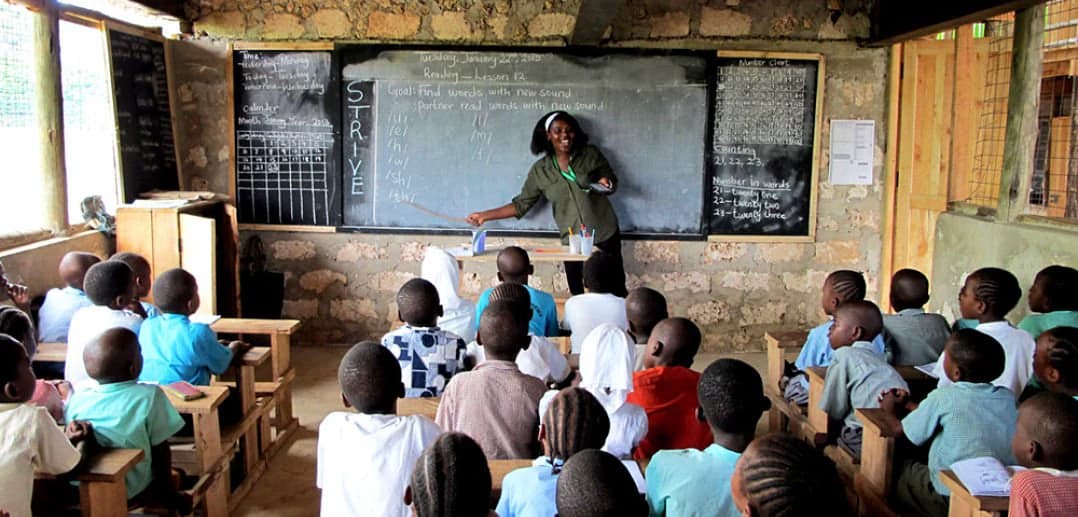
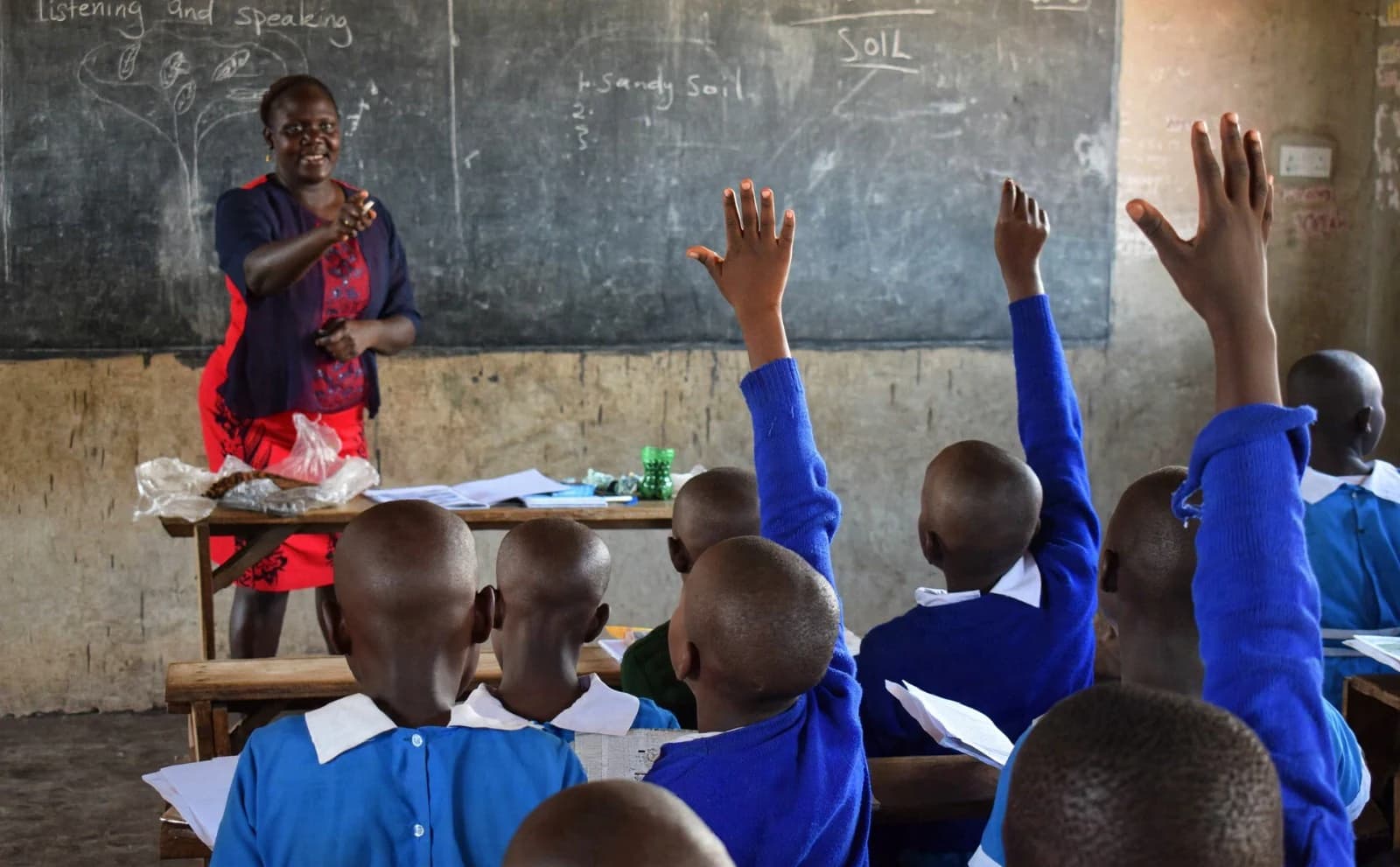
Consider the teacher shortage. Public Junior Schools have an average of 74 learners per Teachers Service Commission (TSC) teacher against a recommended ratio of 40. Mandera records 140 learners per teacher, Marsabit 134 and Wajir 130. These are not minor administrative discrepancies. They represent children competing for a teacher's attention in classrooms where individual learning support becomes increasingly difficult.
The infrastructure figures are equally alarming. Of the country's classrooms, 12.7 per cent are temporary structures. Turkana records 76 learners per classroom in pre-primary schools and 64 in secondary schools. Yet the government continues to sell educational transformation as though classrooms, laboratories and learning equipment materialise through presidential declarations.
The digital divide is another national disgrace. Only 6.4 per cent of schools have computer laboratories, while just 19.6 per cent have internet connectivity. How can Kenya prepare globally competitive digital citizens when the majority of schools lack the basic infrastructure for digital learning?
Even more disturbing is the treatment of learners with disabilities. The census indicates that 99.1 per cent of schools lack assistive devices or software. Only about 2.4 per cent of classrooms are adapted for special needs education. Inclusion cannot remain a beautiful constitutional promise while children with disabilities are practically excluded by infrastructure designed without their needs in mind.
Sanitation and basic facilities also demand attention. Although 89.5 per cent of institutions have improved drinking water sources, only 51.6 per cent have handwashing facilities equipped with soap and water. Another 17.3 per cent have no handwashing facilities. Nearly nine in ten institutions reportedly rely on unsafe solid-waste disposal methods.
Then comes the capitation scandal. A separate government verification exercise exposed approximately 800,000 unverified learner records and nearly 200 schools that reportedly existed only on paper. This raises serious questions about the integrity of education databases and whether public money has consistently followed genuine learners. Who verified these records, who authorised payments and where is the accountability?
The way forward requires more than another government task force.
First, urgently recruit and equitably deploy teachers, while addressing permanent employment, remuneration, professional development and the welfare of teachers and interns. Teacher morale must become a national priority.
Second, establish a properly funded infrastructure programme covering classrooms, laboratories, workshops, libraries, sanitation and disability-friendly facilities.
Third, guarantee predictable capitation based on verified enrolment. Publish allocations and strengthen independent audits to eliminate ghost learners and institutions.
Fourth, invest aggressively in internet connectivity, computer laboratories, electricity and digital learning equipment, particularly in marginalised counties.
Fifth, establish a joint national-county education financing framework. The national government must take responsibility for basic education policy, funding and teacher management, while counties must strengthen ECDE infrastructure, staffing and financing.
Private schools must also operate within affordable, properly regulated quality standards. Education must not become a privilege determined by parents' bank balances.
Finally, Parliament must exercise serious oversight, demanding measurable results rather than celebrating recruitment announcements and classroom construction targets.
Kenya has the human potential, demographic advantage and institutional capacity to transform education. What is missing is consistent implementation, accountability and sufficient investment in the actual learning environment.
The greatest betrayal of Kenya's children would be to give them a curriculum designed for the 21st century while educating them in classrooms, infrastructure and conditions that belong to another century. 17.8 million learners are not statistics for government press conferences. They are 17.8 million futures. And Kenya must stop asking children to pay the price for failures they did not create.



Reader Discussion (0)
Sign in to comment