






- Education stakeholders have called for increased funding and administrative autonomy for junior and senior schools during public participation on Education Reform Bills.
- They have proposed domiciling JSS in senior schools, raising capitation from Sh12,000 to Sh22,000, and appointing education professionals to chair County Education Boards.
- The National Assembly Departmental Committee on Education sub-committee, led by Hon. Ebrahim Haro, has assured stakeholders that their views will be considered and has set October 2, 2026, as the deadline for written memoranda.
Education stakeholders in Marsabit and Mandera counties have called for increased government funding and greater administrative independence for junior and senior schools to address challenges facing the Competency-Based Education (CBE) system.
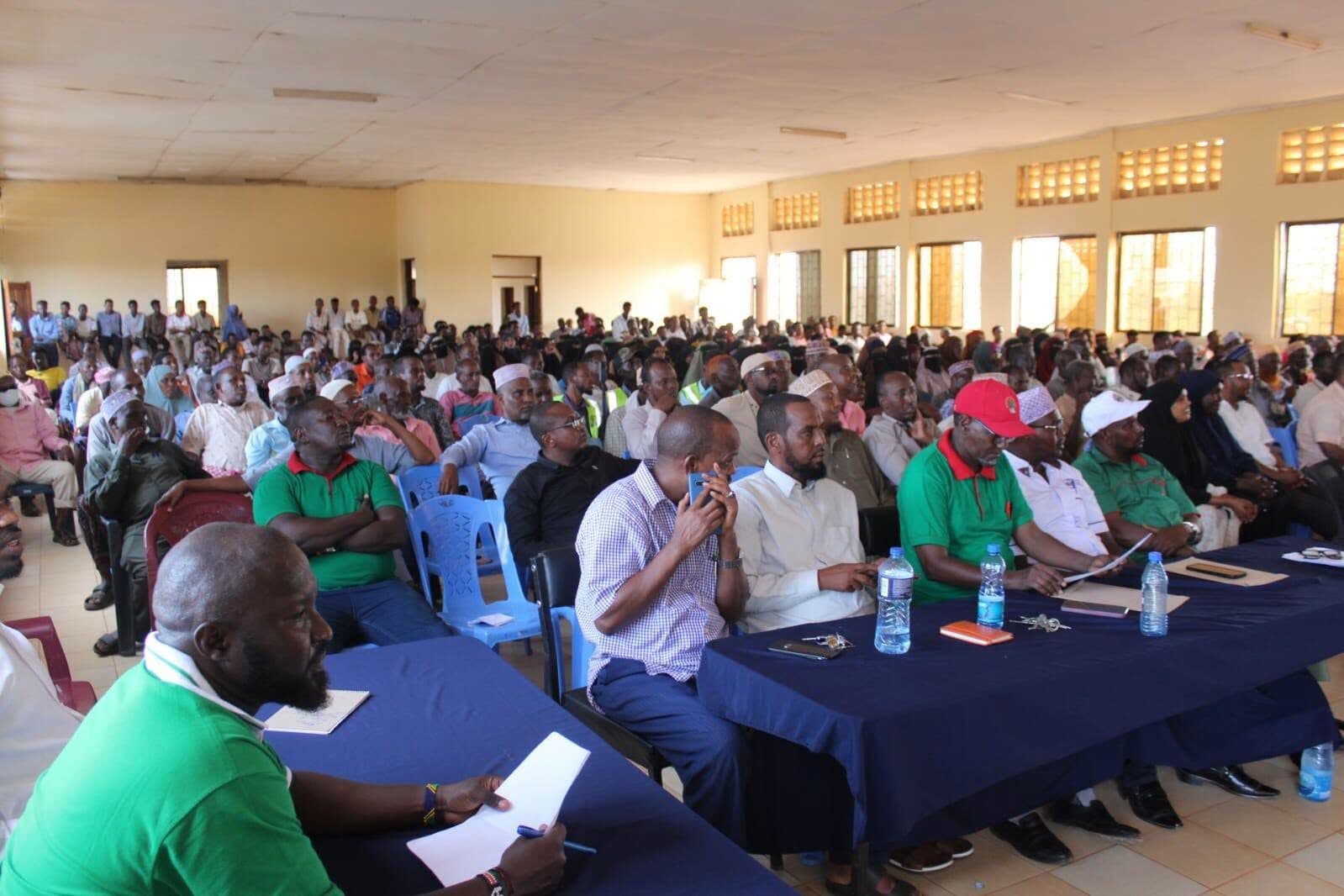
The stakeholders, including teachers’ unions, parents’ associations, faith-based organisations, education officials and representatives of junior secondary schools, made the proposals during public participation on the proposed Education Reform Bills on Monday.
The exercise was conducted by a sub-committee of the National Assembly Departmental Committee on Education led by Hon. Ebrahim Haro at Marsabit KMTC and Mandera Technical Training Institute.
The stakeholders criticised the current arrangement in which Junior Secondary School (JSS) is domiciled in primary schools, citing conflicts between headteachers and JSS teachers, mismanagement of resources and inadequate infrastructure.
They urged the committee to consider placing JSS under senior schools, arguing that secondary schools have better facilities and structures to support learners.
“We want the committee to consider making changes to the current structure of our schools through the Bills before you. Domicile Junior Secondary School in high school where there are better facilities,” a Kenya National Union of Teachers (KNUT) representative in Marsabit said.
The stakeholders also proposed that County Education Boards be chaired by education professionals with relevant expertise rather than administrators.
ALSO READ:
https://educationnews.co.ke/are-jss-teachers-free-to-choose-their-trade-union-what-the-constitution-says/
They further called for increased capitation based on actual enrolment, improved school feeding programmes and clear categorisation of schools as public, public-sponsored or private during the transition to the new education system.
Education Quality Assurance and Support Officers in Marsabit raised concerns over inadequate facilitation, saying the vastness of the county makes it difficult for them to reach schools.
“Marsabit is a vast county. Quality assurance officers travel as far as 500 kilometres to reach schools, and this has been a major challenge. It is a problem that cuts across Kenya,” one officer said.
At Marsabit KMTC, the institution’s principal, Dr Agnes Mutuma, proposed a quota system in student placement to increase the number of local professionals in the region.
She suggested that 30 per cent of students admitted to the institution be drawn from the local community, saying this could help address shortages of professionals in areas affected by insecurity.
“We have dispensaries here that have closed down due to security reasons. Let us have more locals in these colleges to cure the problem,” Dr Mutuma said.
In Mandera, Kenya Secondary School Heads Association (KESSHA) representatives raised concerns over inadequate and delayed capitation, saying schools were struggling to meet operational costs.
They cited the recommendations of the Dr Kilemi Mwiria report, which proposed capitation of Sh22,000 per learner, compared with the Sh12,000 they said schools currently receive.
KUPPET representatives backed the concerns, calling for reforms to ensure adequate and timely funding for schools.
Religious leaders in Mandera also called for the inclusion of Arabic in the school curriculum and urged the government to avoid scheduling examinations on Fridays, citing the importance of the day for Muslim prayers.
ALSO READ: World Teachers’ Day build-up: TSC holds awards ceremonies at St. George’s Schools
Responding to the concerns, Mr Haro assured the stakeholders that their views, whether presented orally or through written memoranda, would be considered by the committee.
He said the proposed legislation seeks to establish an Education Funding Authority that would oversee government support for post-secondary students.
“When you talk of funding, the Bill intends to establish an Education Funding Authority. We want every post-secondary student in whichever institution, public or private, to be eligible for government funding based on their courses and the total cost,” Mr Haro said.
He urged stakeholders who had not submitted their views to send written memoranda to the Clerk of the National Assembly by October 2, 2026.
The public participation exercise is part of ongoing consultations on proposed changes to Kenya’s education laws as the government seeks to address implementation challenges arising from the transition to CBE.
By Abdile Kofa
Get more stories from our website: Education News
To write to us or offer feedback, you can reach us at: editor@educationnews.co.ke
You can also follow our social media pages on Twitter: Education News KE and Facebook: Education News Newspaper for timely updates.
>> Click here to stay up-to-date with trending regional stories

Reader Discussion (0)
Sign in to comment