






The Teachers Service Commission (TSC) has announced plans to strengthen staffing and professional capacity in schools as the implementation of Competency-Based Education (CBE) creates new demands across the education sector.
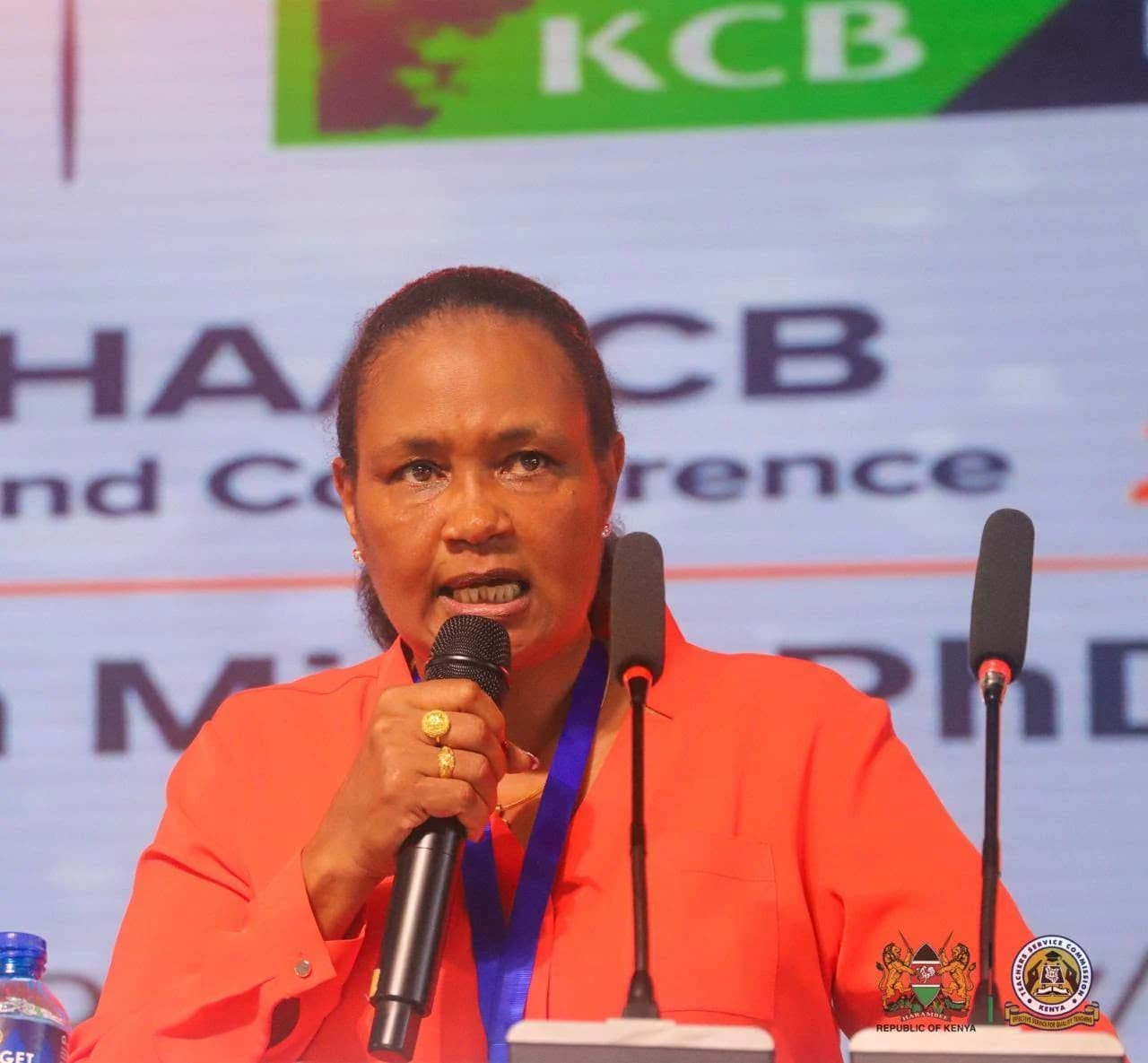
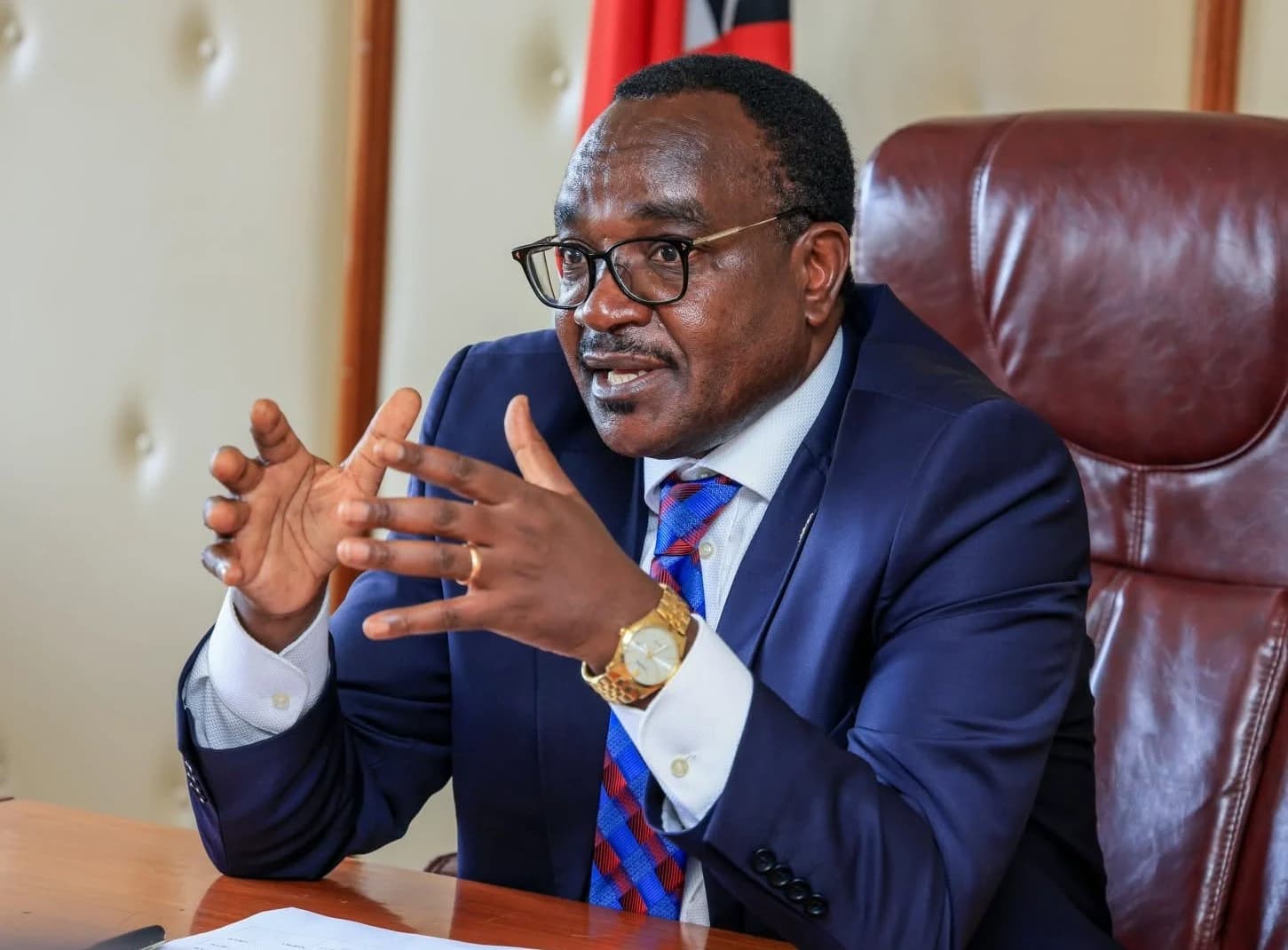
TSC Commission Secretary Dr Evaleen Mitei said the government had recruited 100,000 additional teachers over the past three years, with a further 16,000 expected to be employed to address persistent staffing gaps.
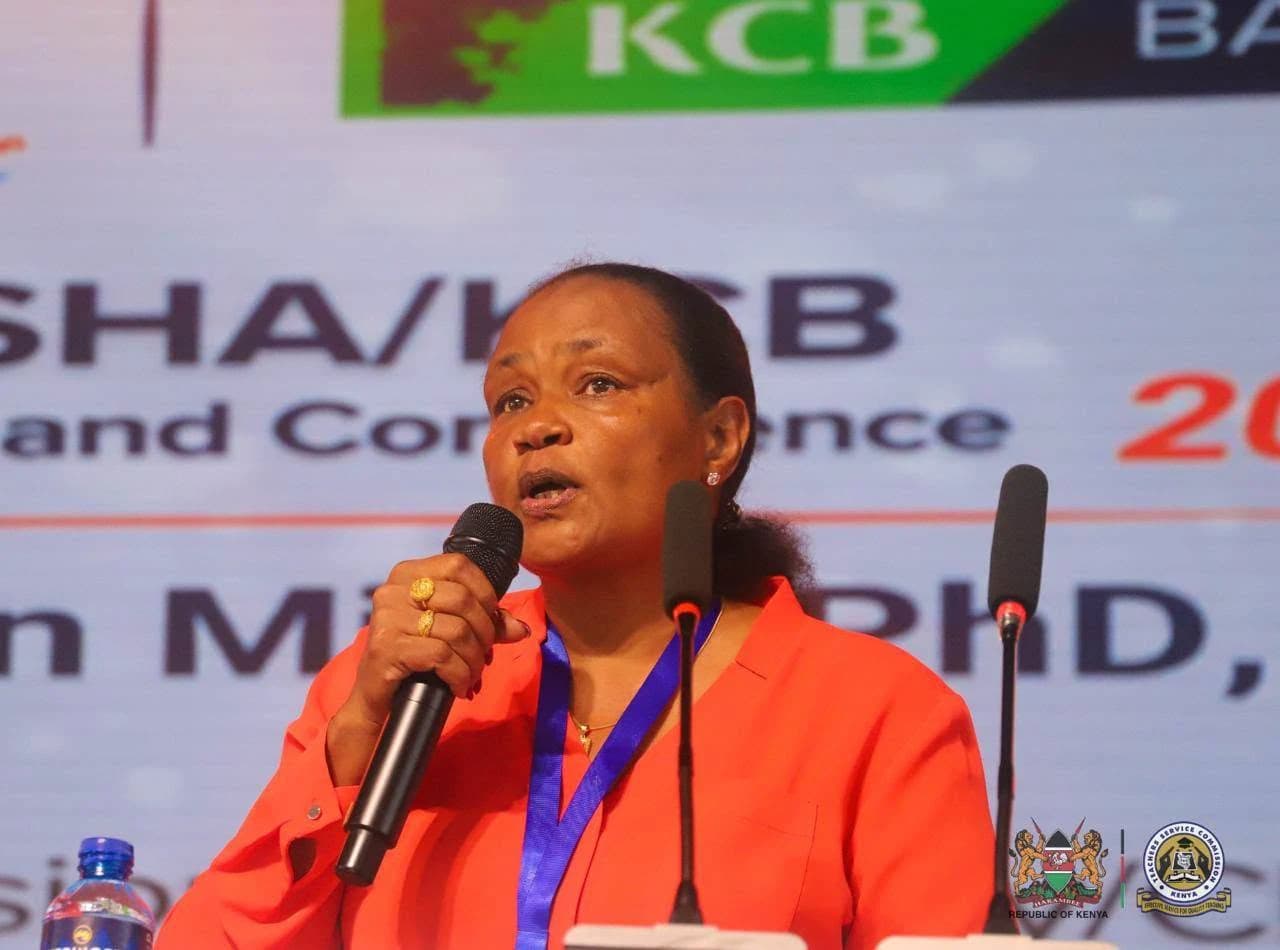
Speaking during the Kenya Comprehensive Schools Heads Association (KECSHA) conference in Mombasa, Mitei said the rising learner population and expansion of the new curriculum had increased demand for teachers at different levels of basic education.
She said the recruitment drive had helped reduce the teacher shortage in Junior Schools and urged school administrators to ensure available teachers were effectively deployed to improve learning outcomes.
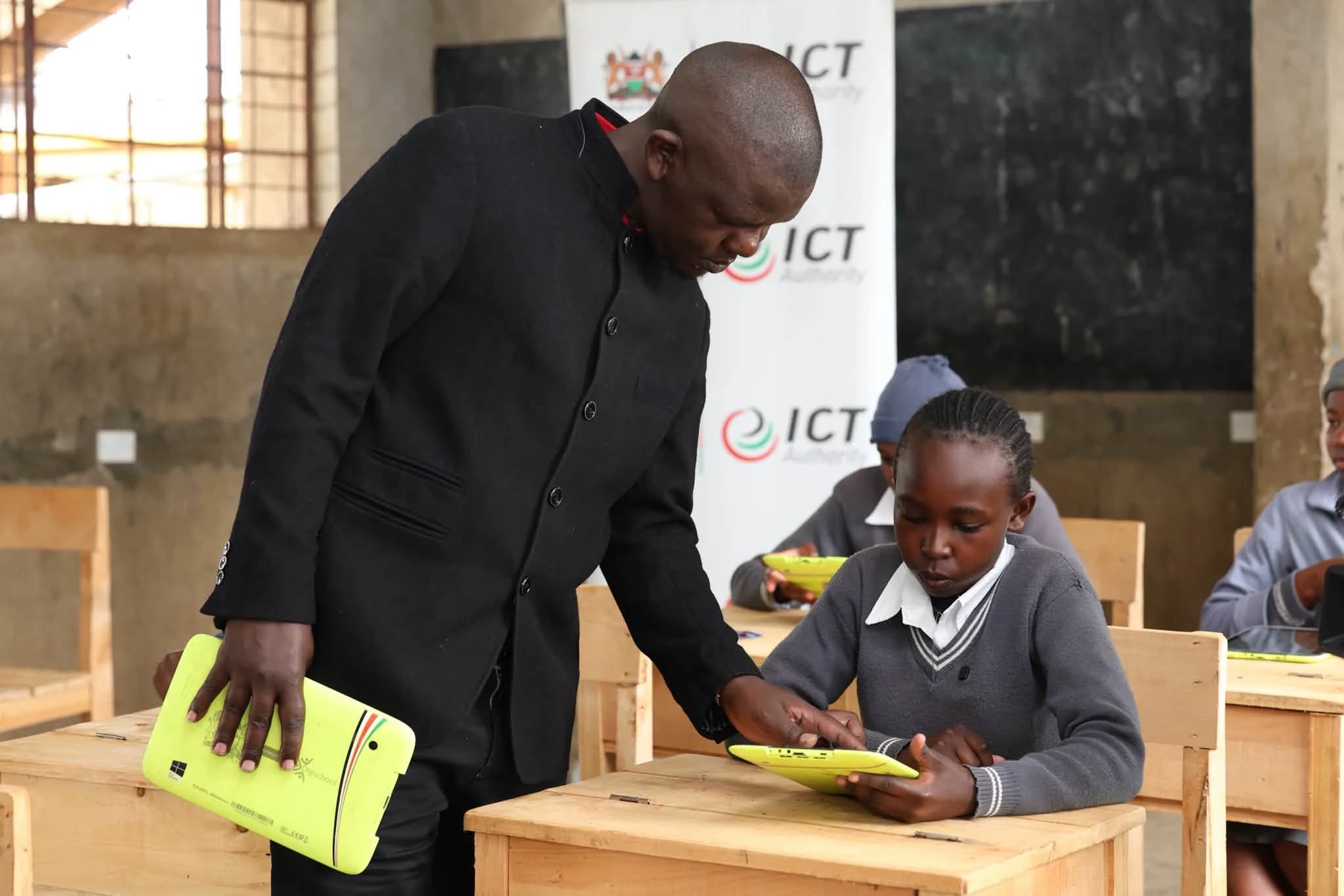
The commission also revealed that more than 310,000 teachers had undergone CBE retooling through a multi-agency programme aimed at equipping educators with the skills required to deliver the new curriculum.
Mitei said the commission was preparing teachers for emerging learning areas, including Creative Arts, Music and Dance, Theatre and Film, as well as Media Technology and Studies.
Training in the new areas is scheduled to begin on November 23, 2026, through a partnership with the Kenya Institute of Mass Communication.
The announcement comes as schools continue adjusting to changes introduced under CBE, particularly the expansion of learning areas and the transition of learners from Junior School to Senior School.
Unions differ over Junior School management
The conference also brought into focus differences among education stakeholders over the management and professional representation of Junior School teachers.
The Kenya National Union of Teachers (KNUT) has defended the comprehensive school arrangement, while the Kenya Union of Post-Primary Education Teachers (KUPPET) has maintained that Junior Schools require a distinct administrative structure.
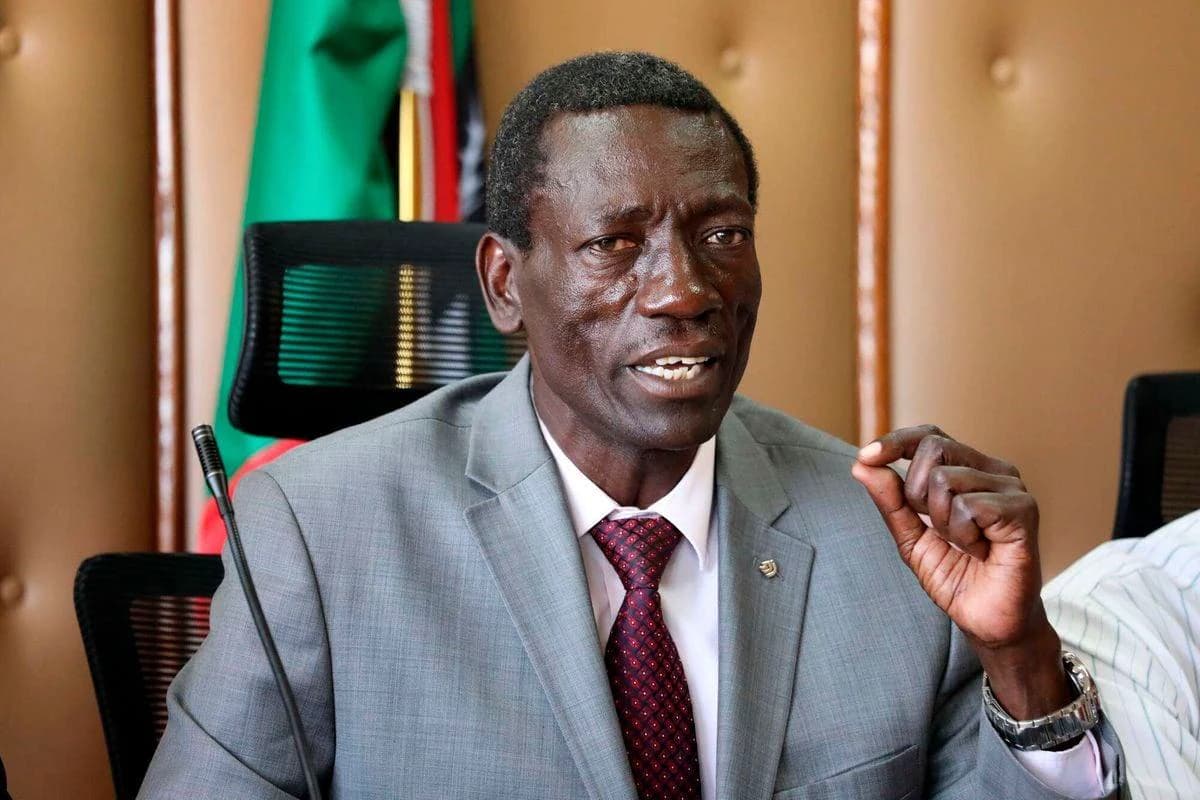
KNUT Secretary-General Collins Oyuu urged teachers to embrace the comprehensive school model, arguing that institutions should operate as one establishment from Early Childhood Development Education to Grade Nine.
KUPPET, on the other hand, has questioned the placement of degree-holding teachers under primary school headteachers, arguing that their professional qualifications and teaching responsibilities warrant a different administrative arrangement.
The commission's latest announcement signals its continued focus on staffing, teacher development and curriculum preparedness as the country prepares for the next phase of CBE implementation.
Reader Discussion (0)
Sign in to comment